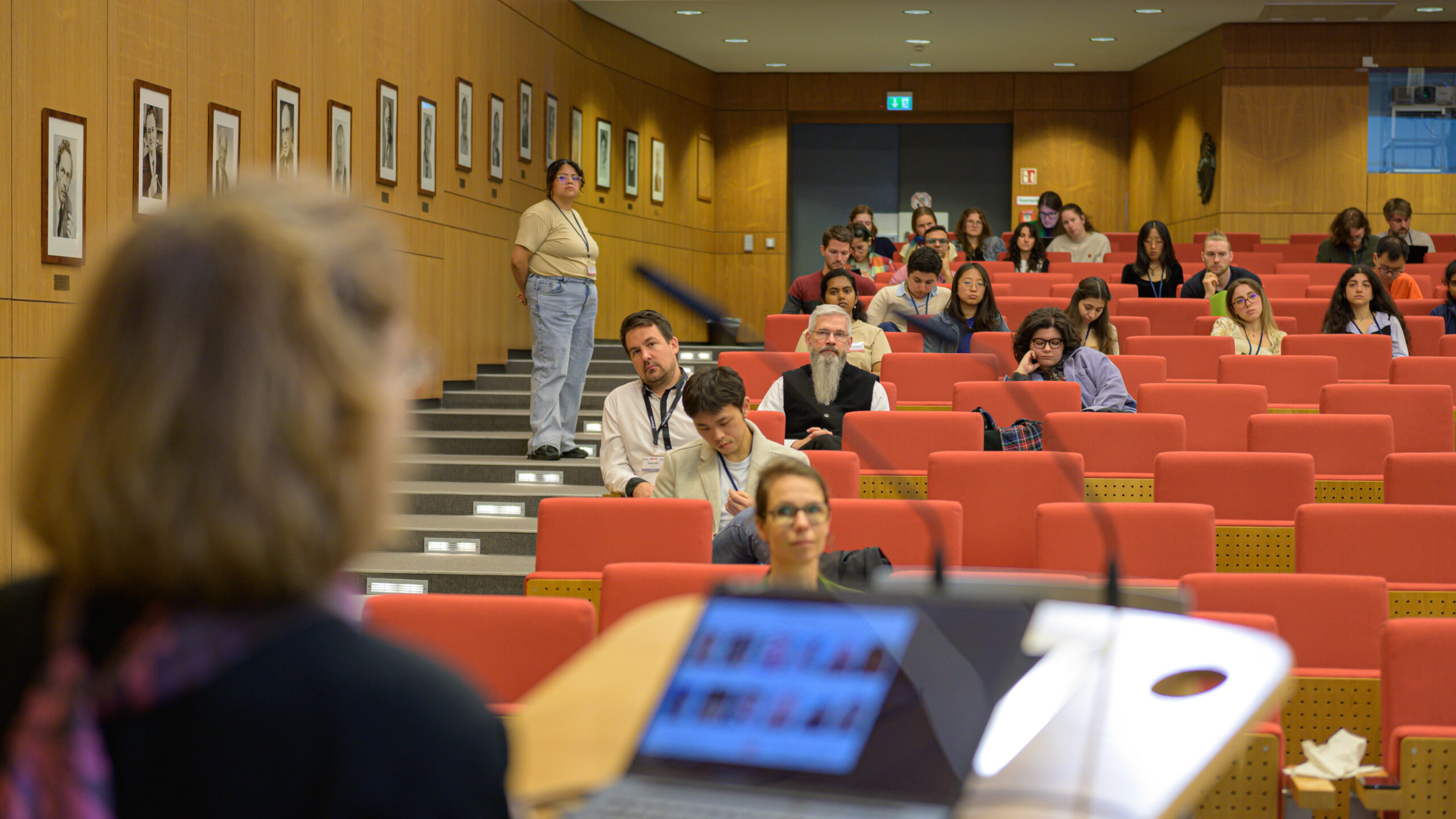
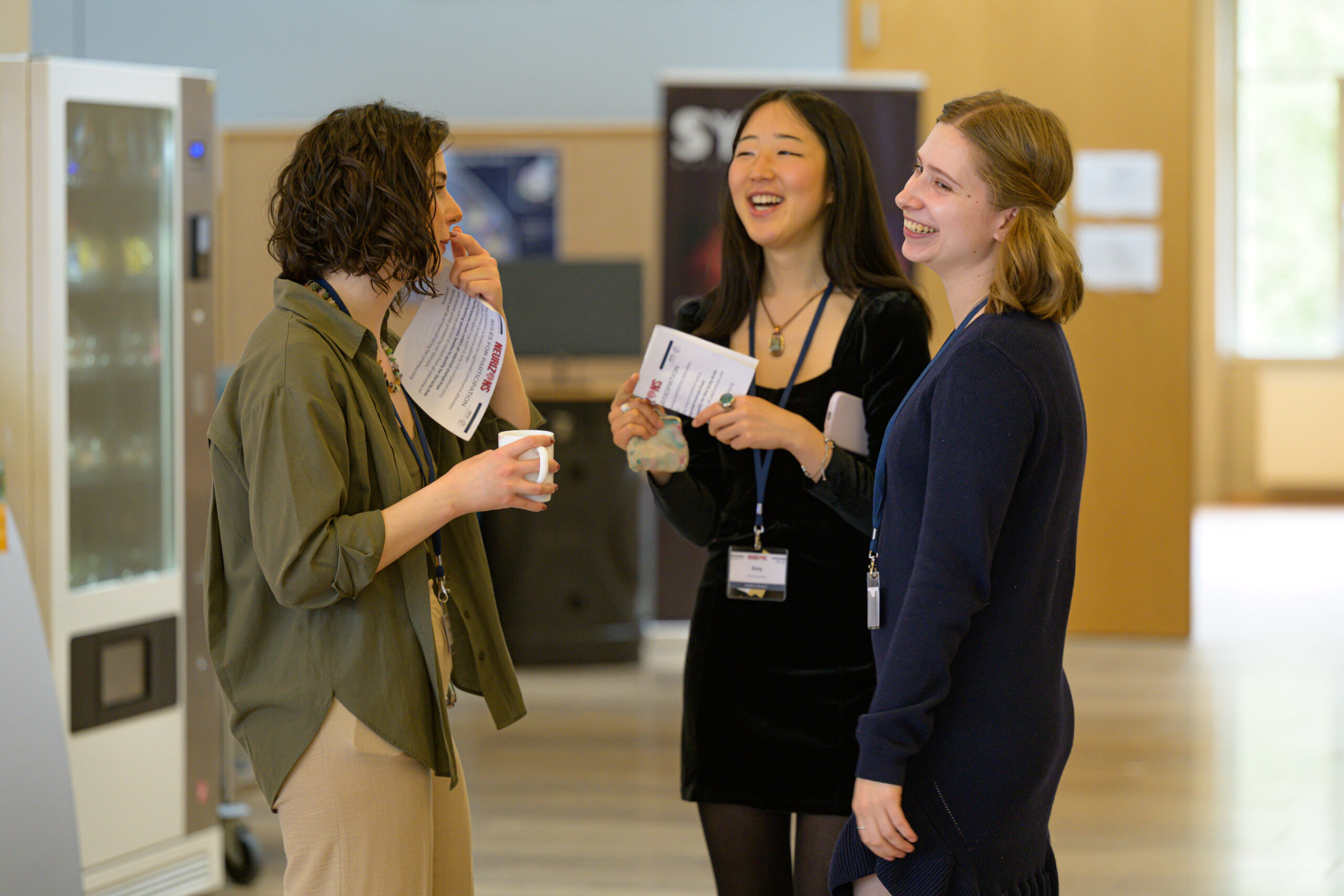
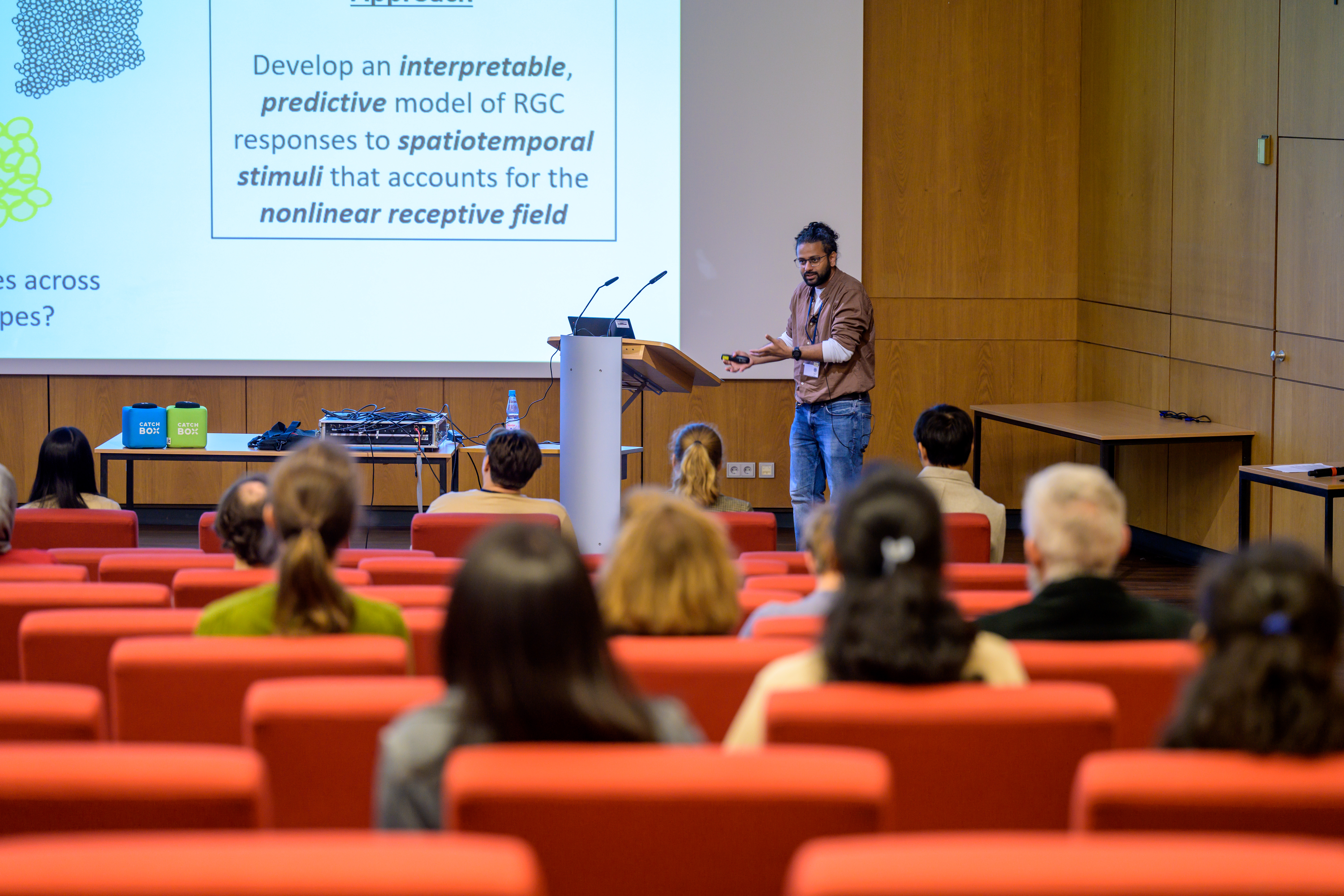
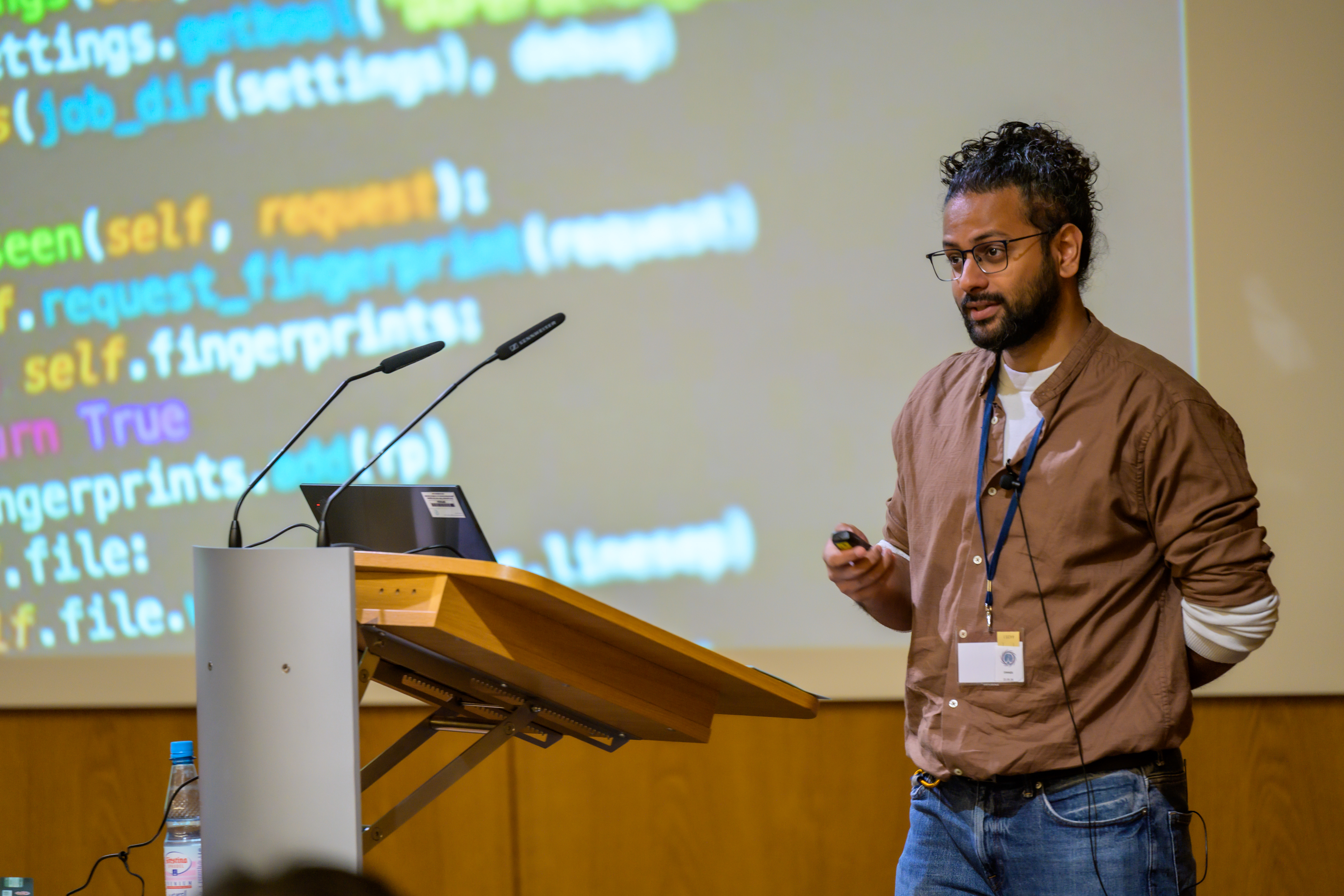
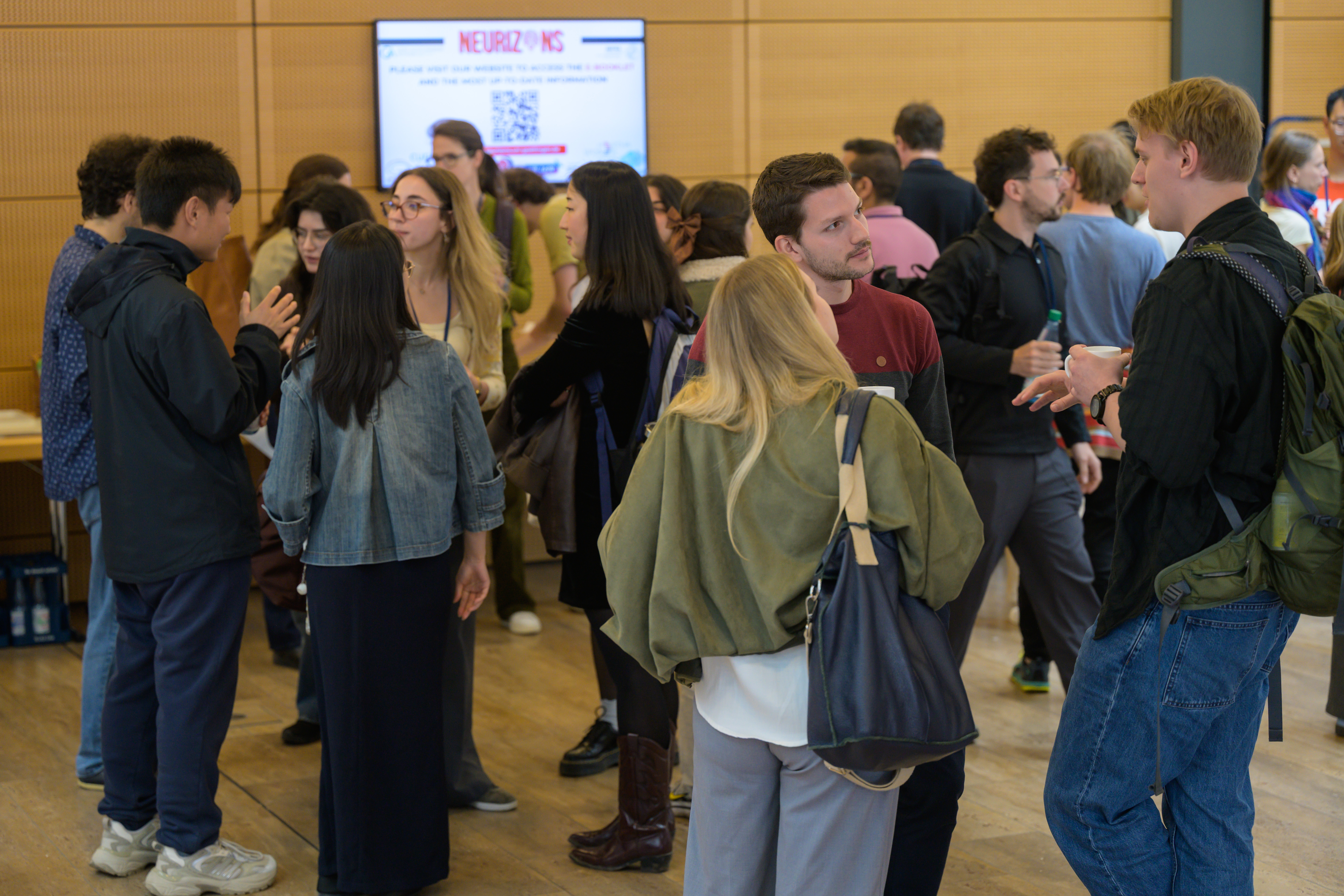
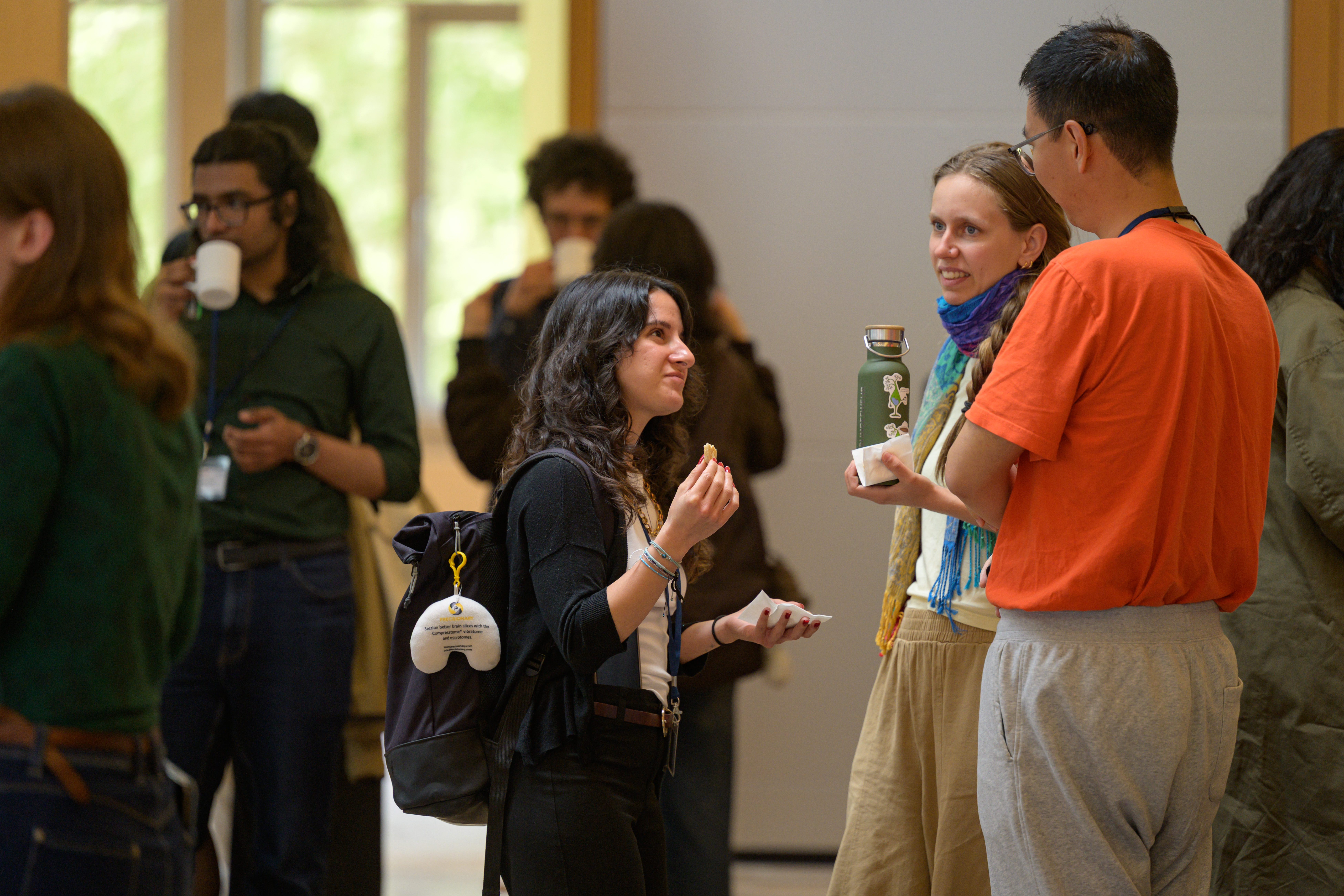
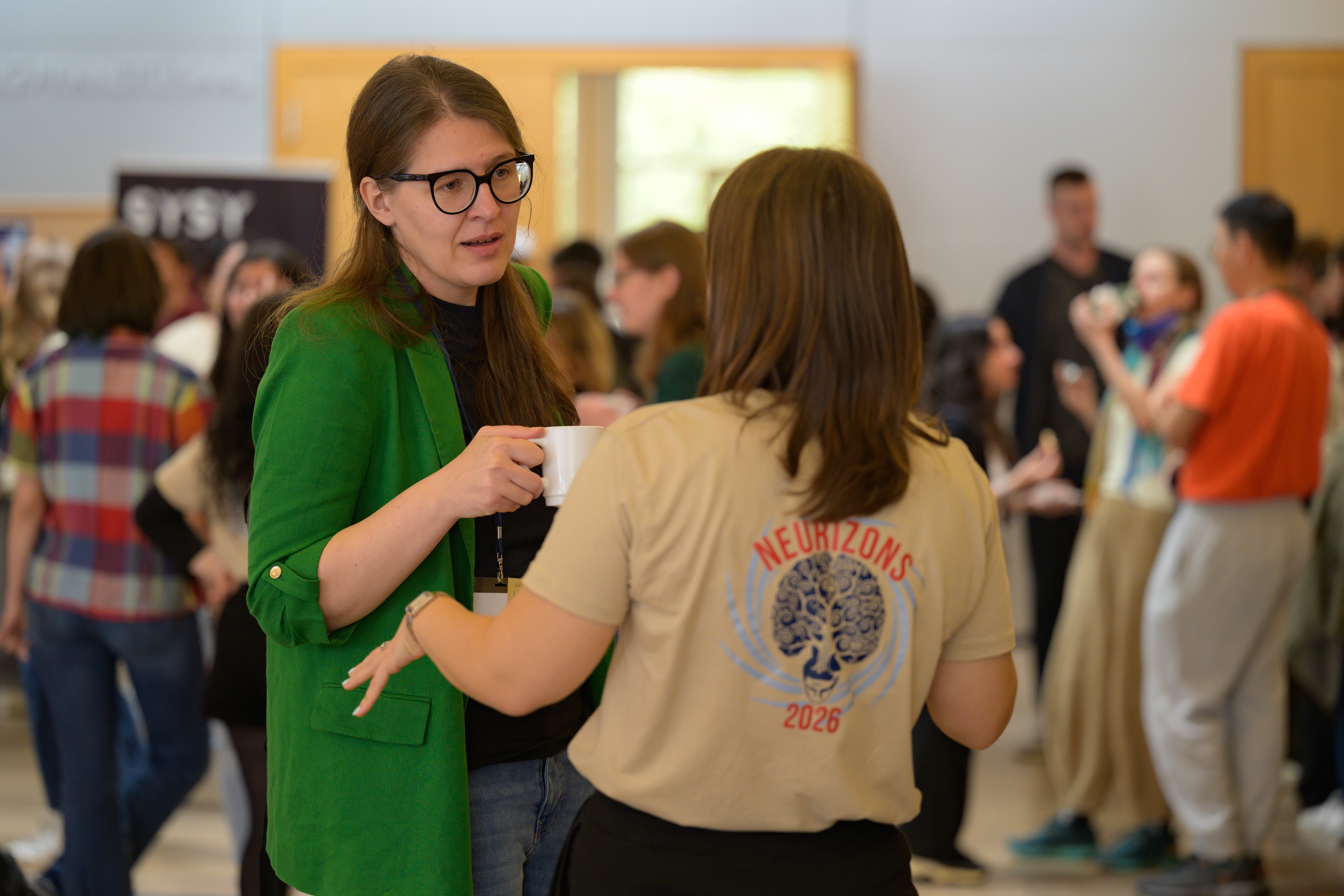
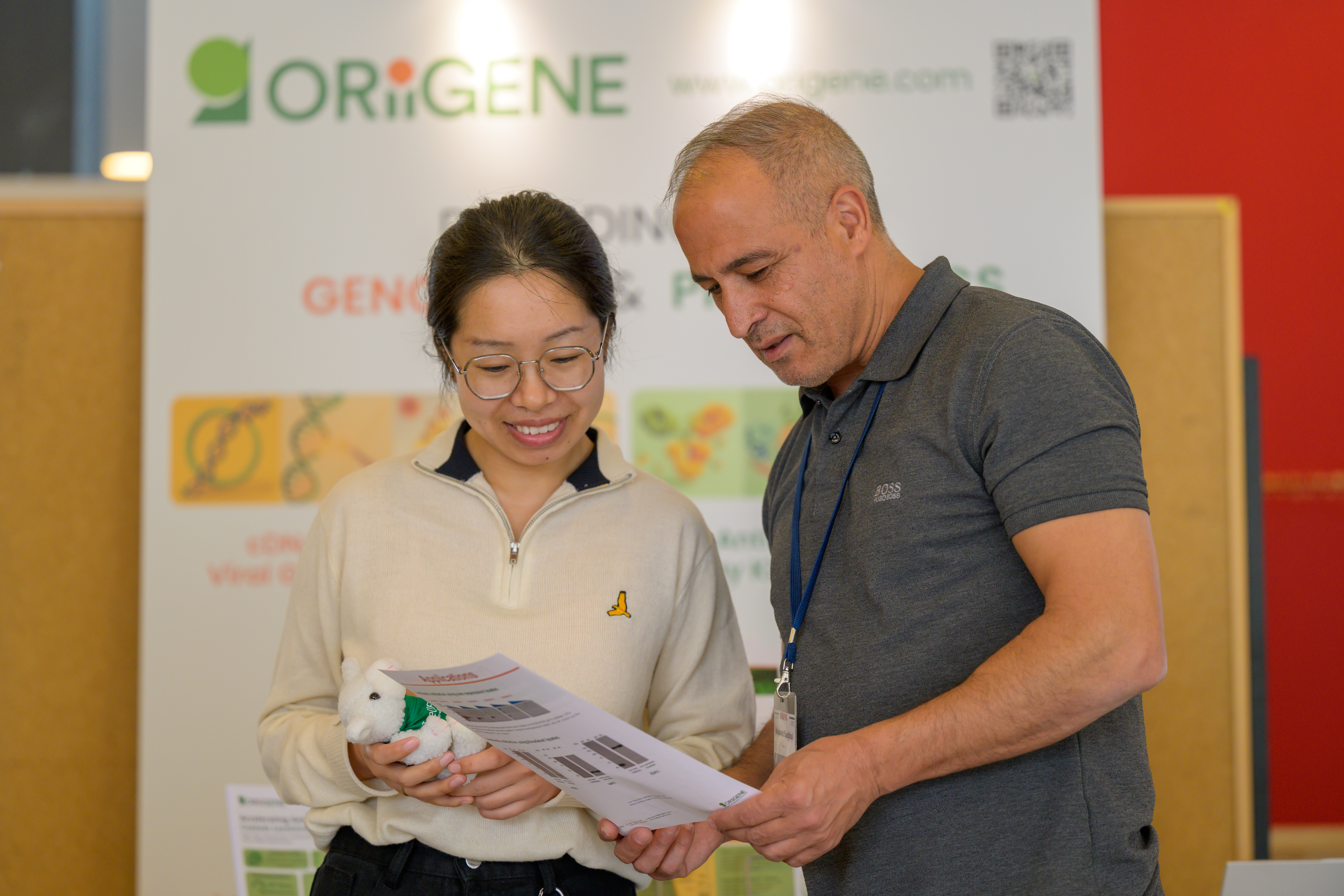
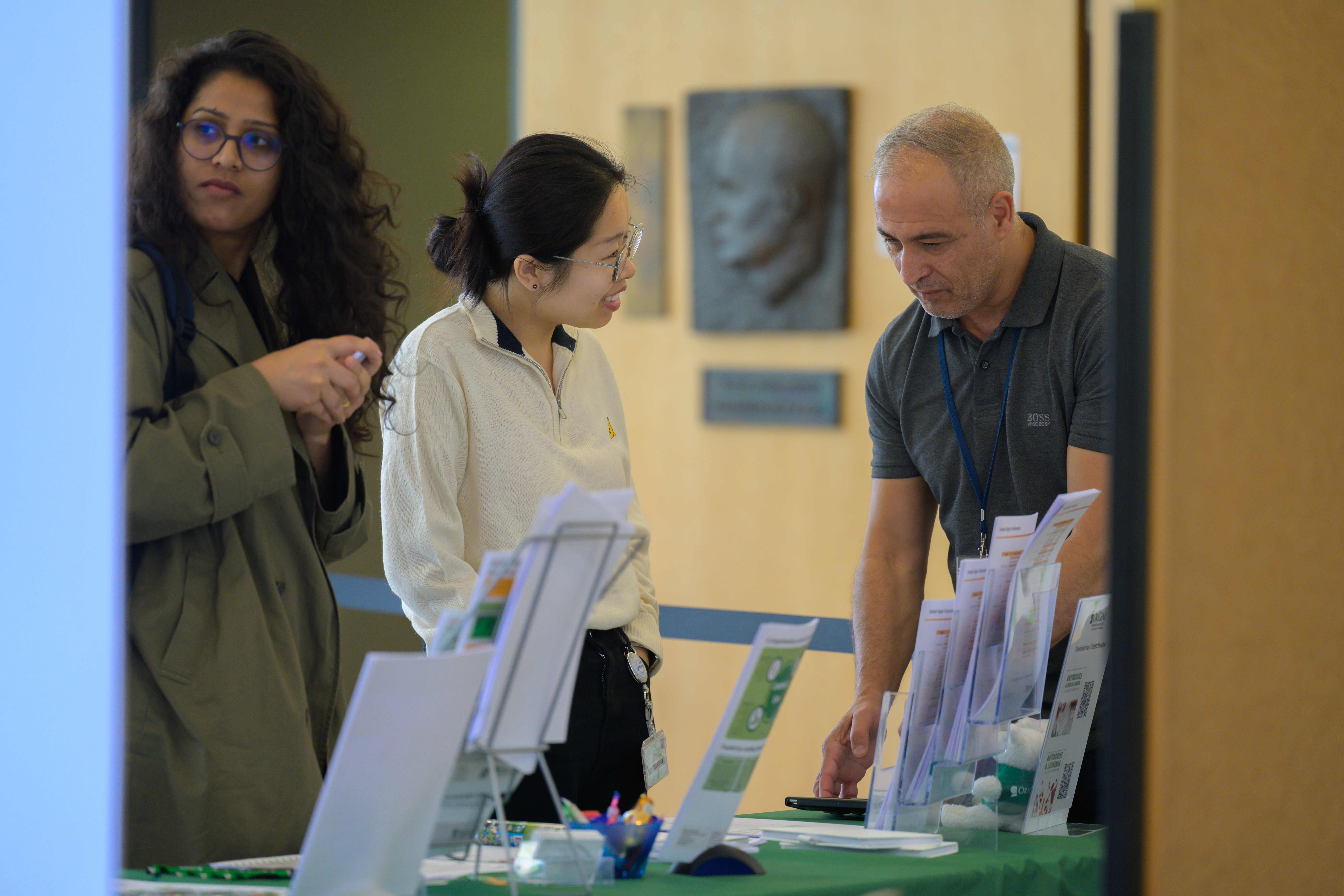
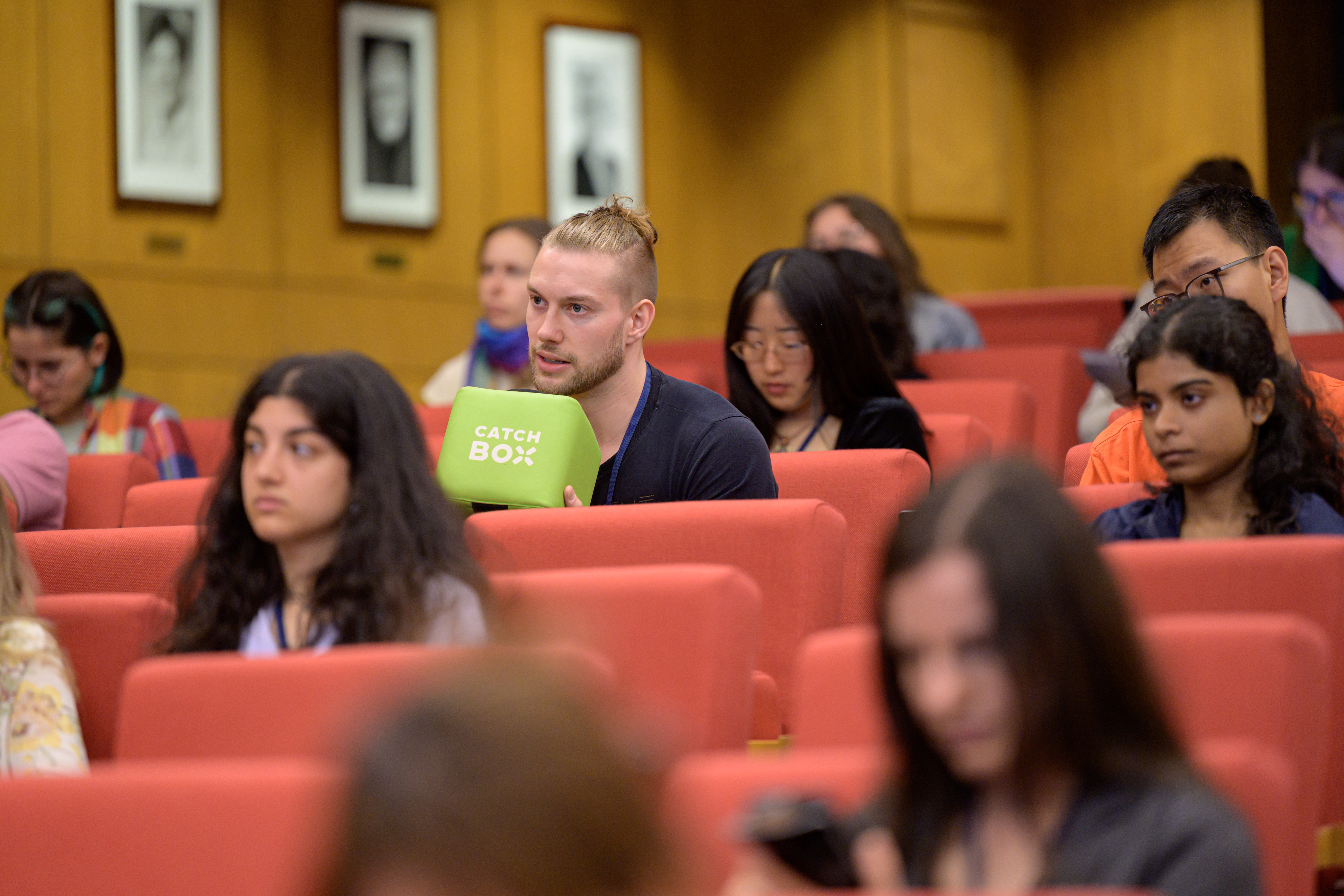
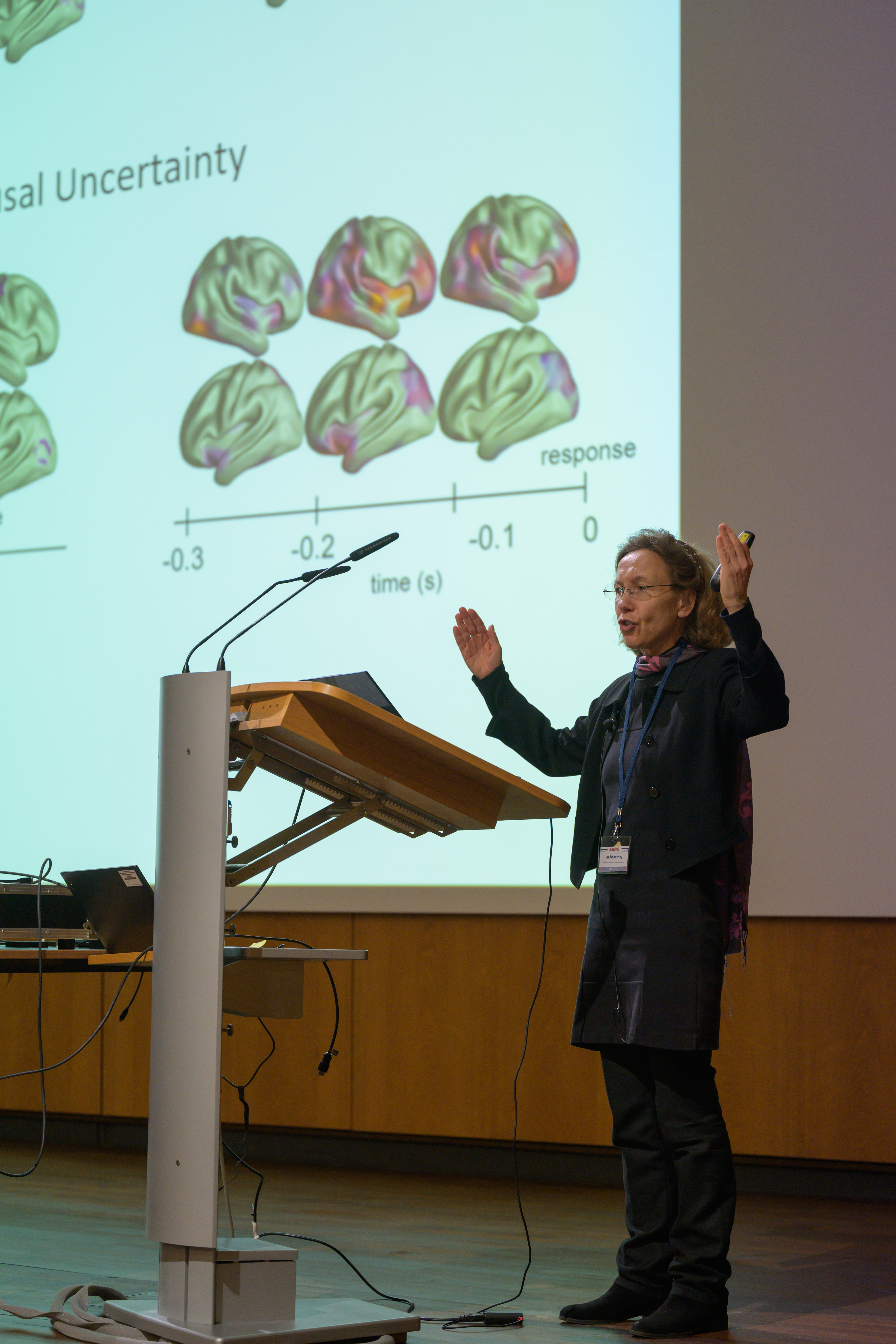
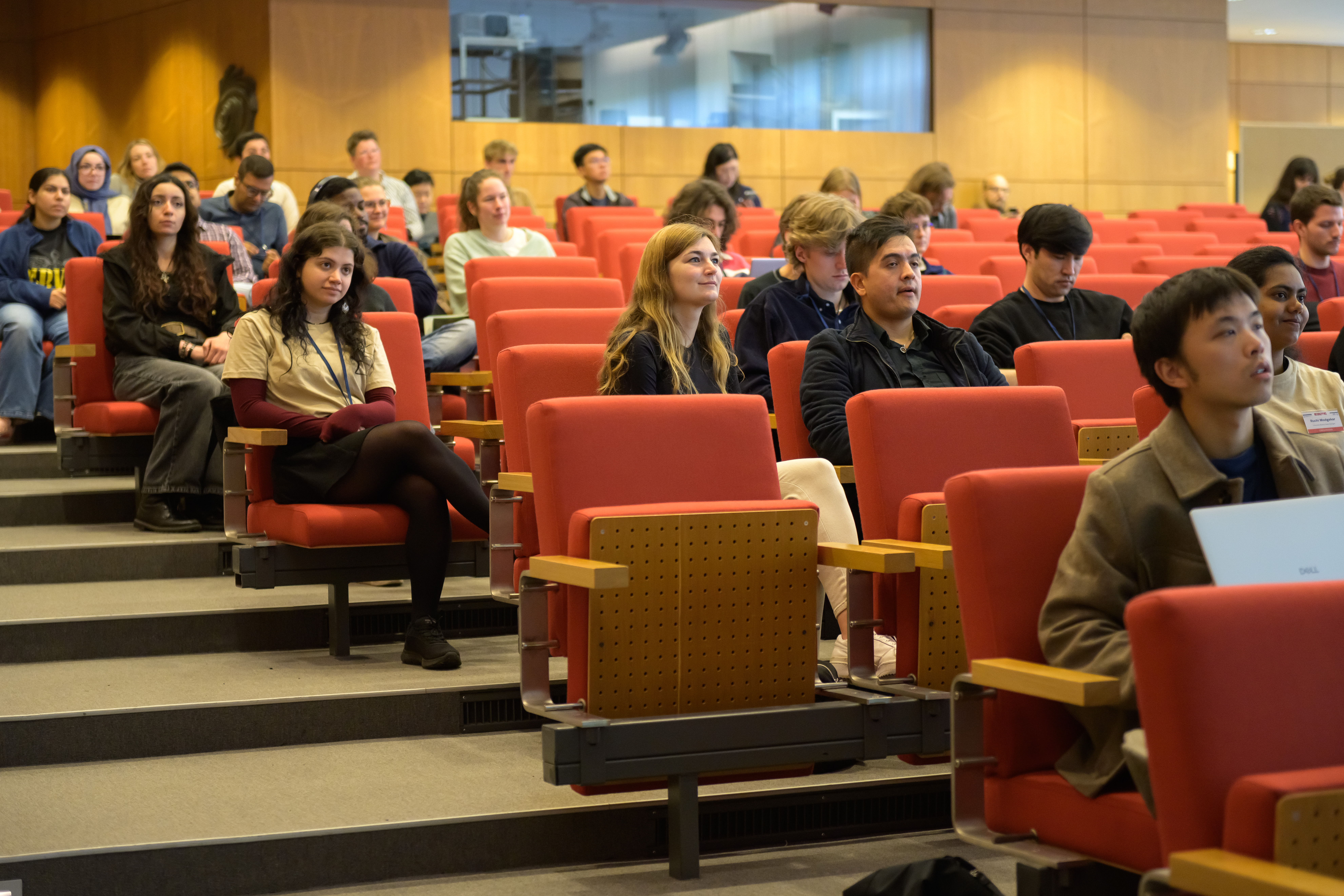
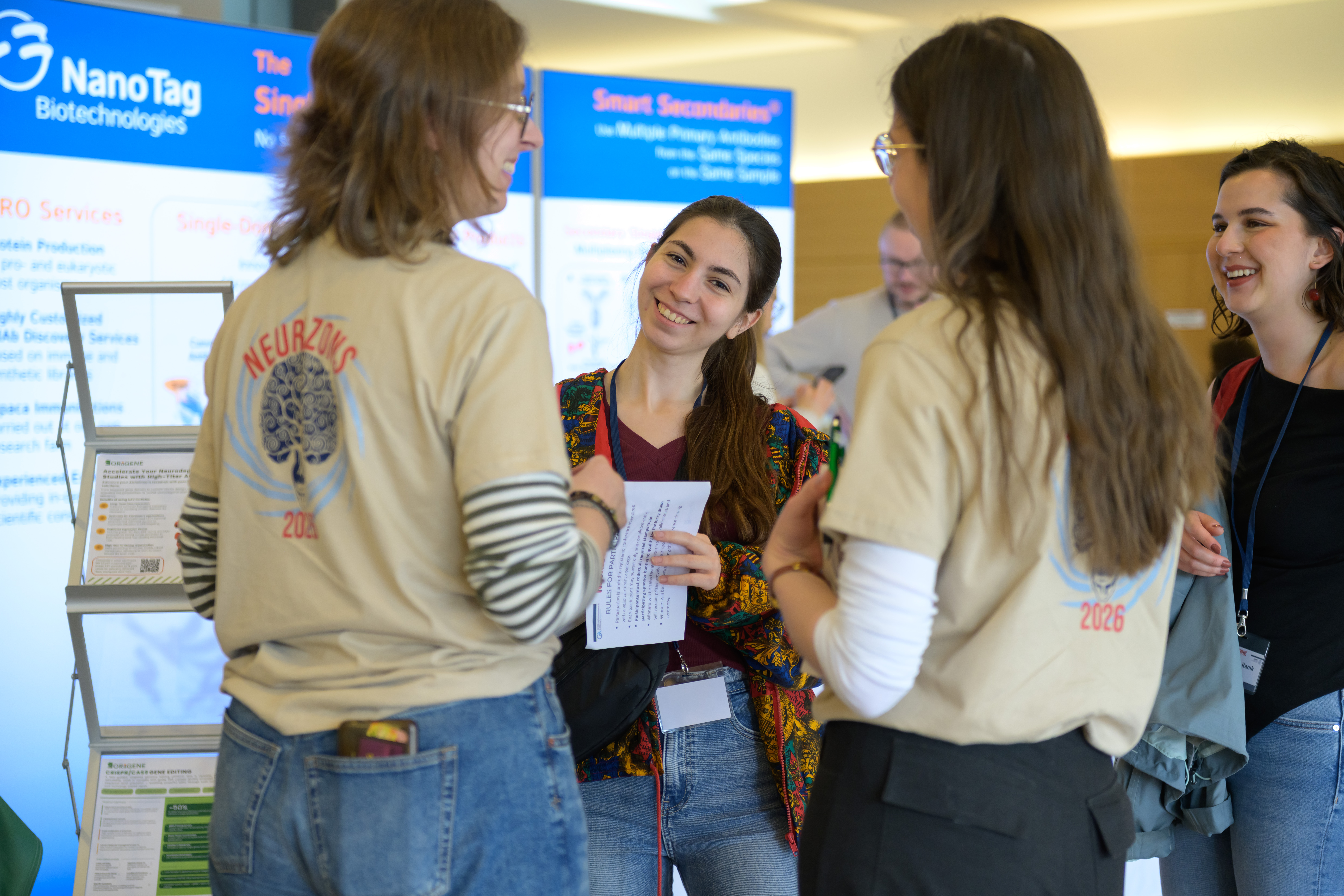
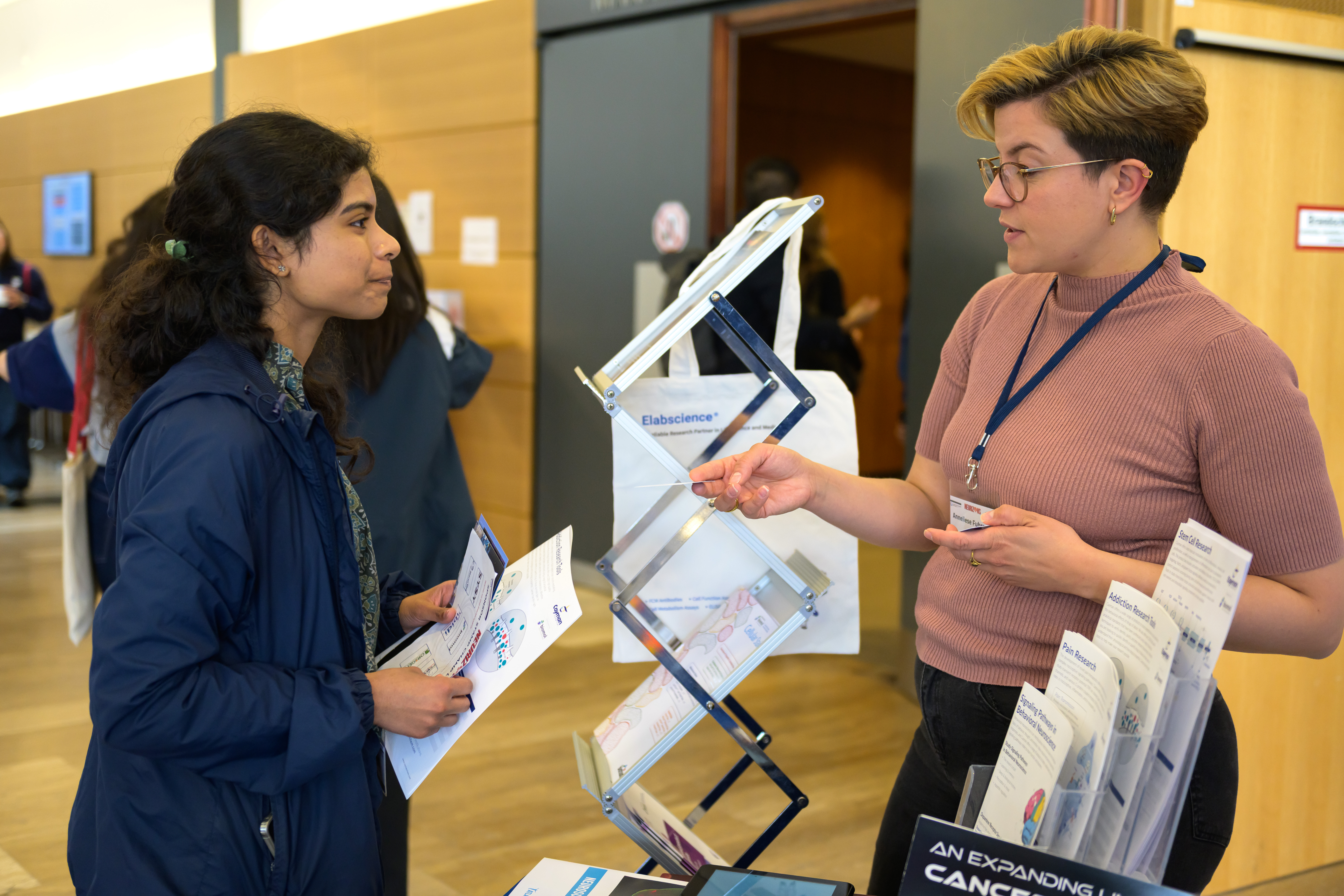
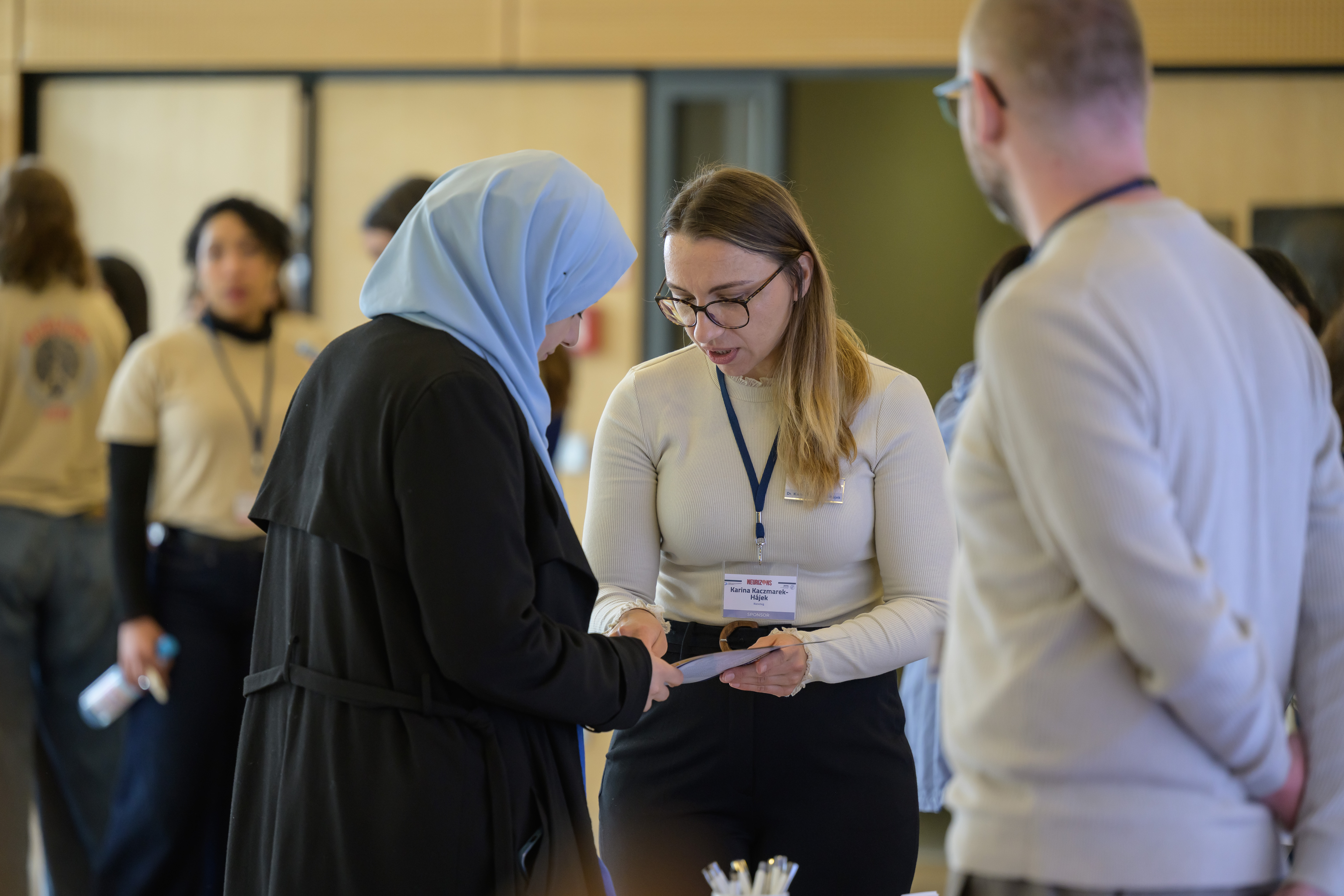
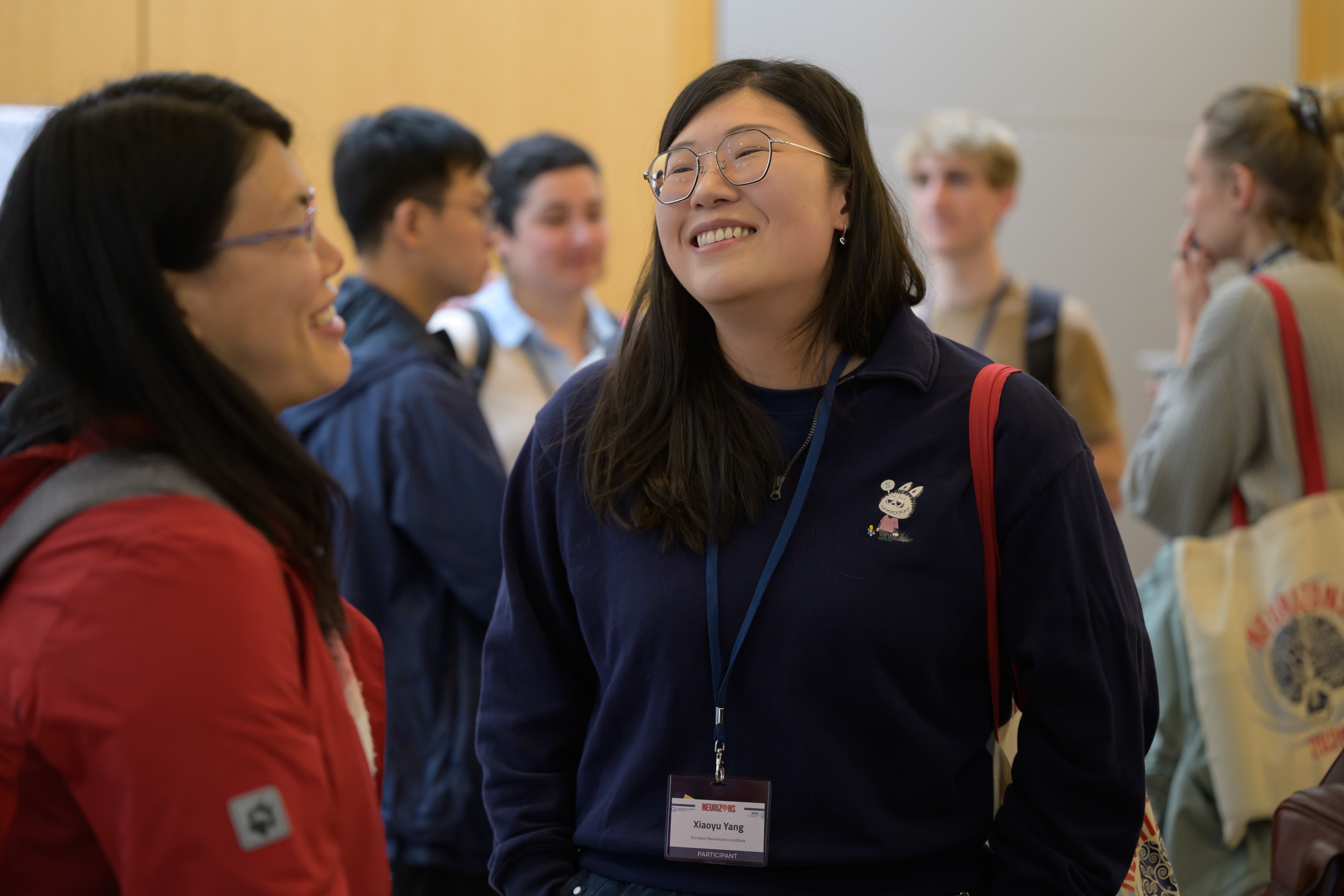
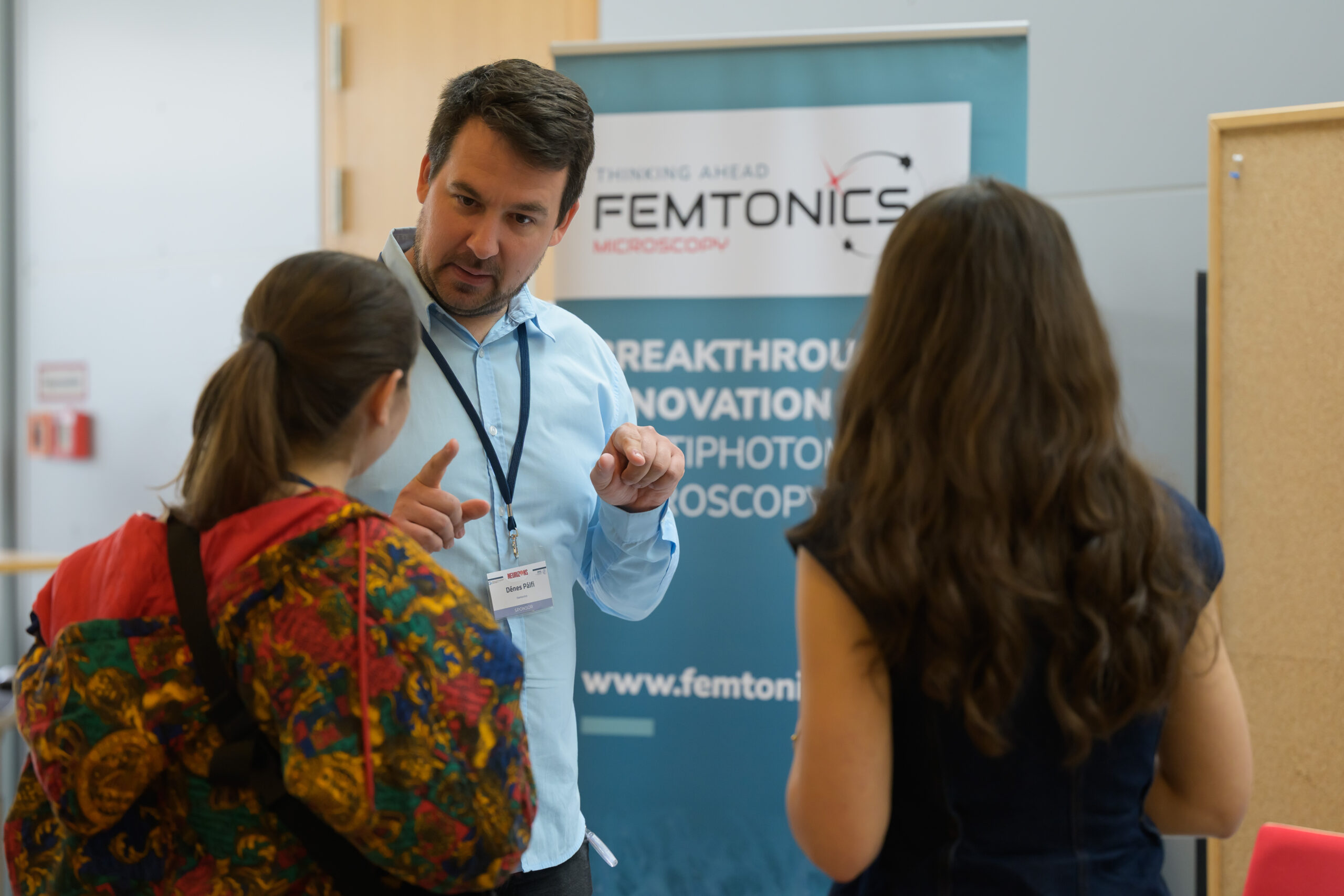
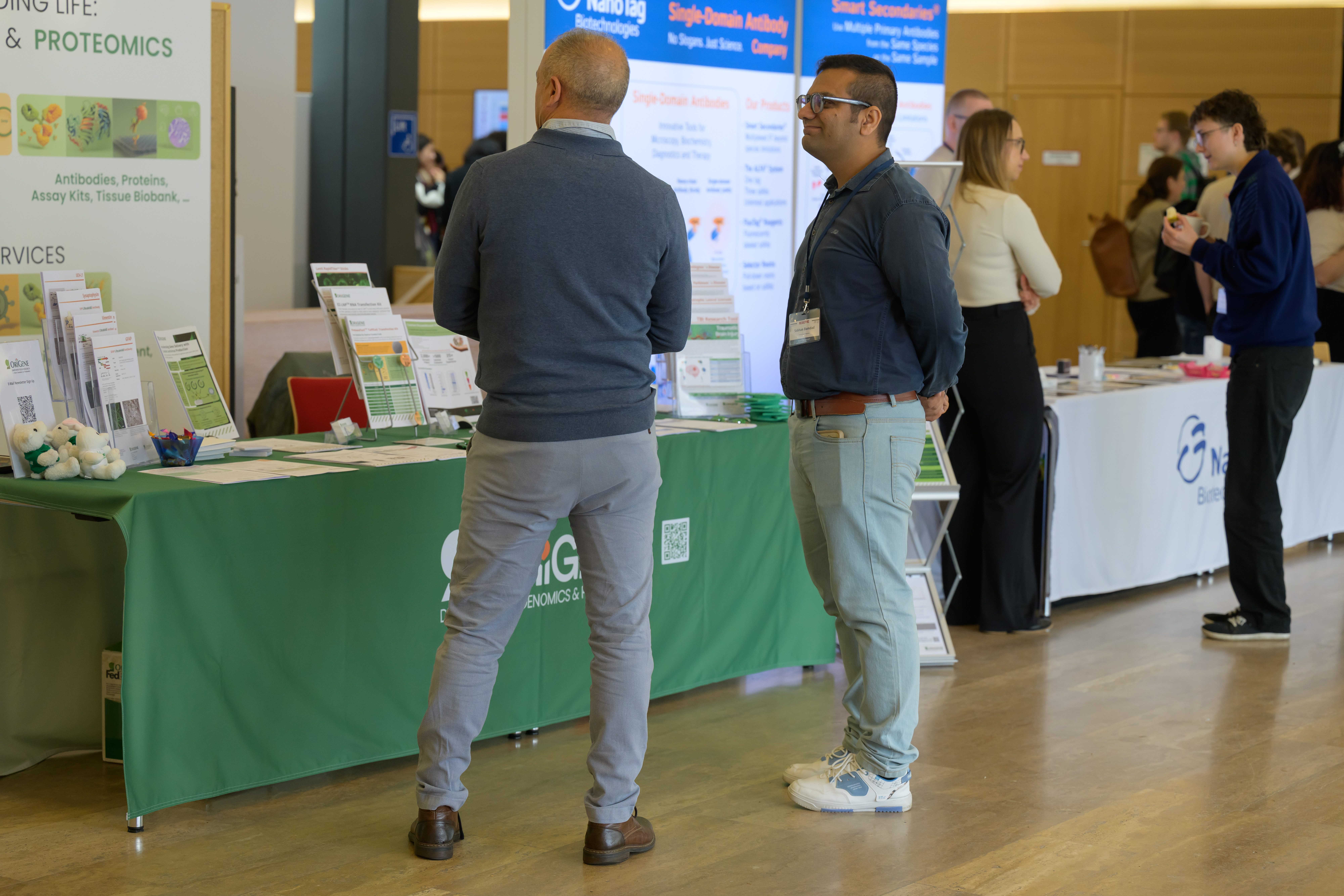
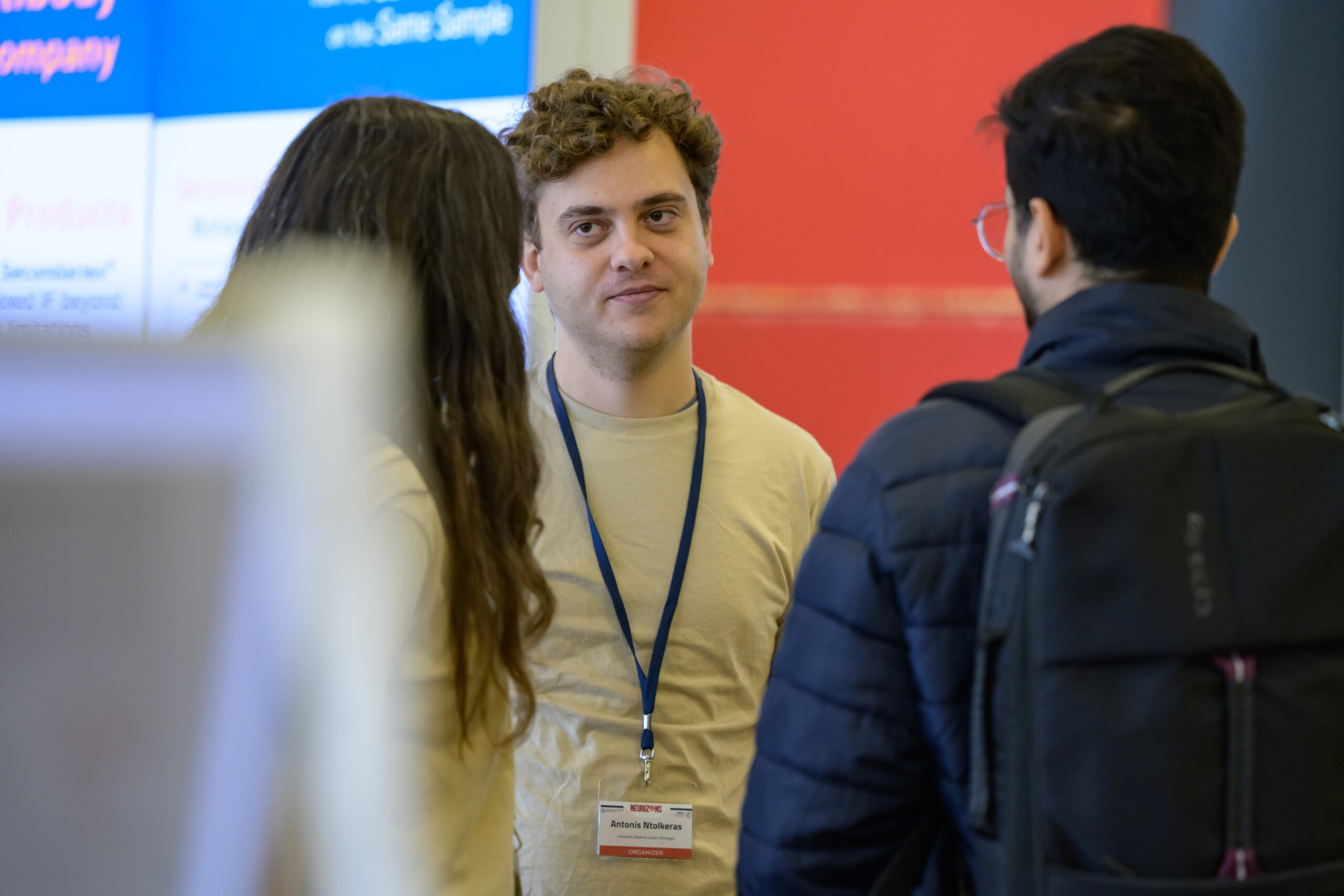
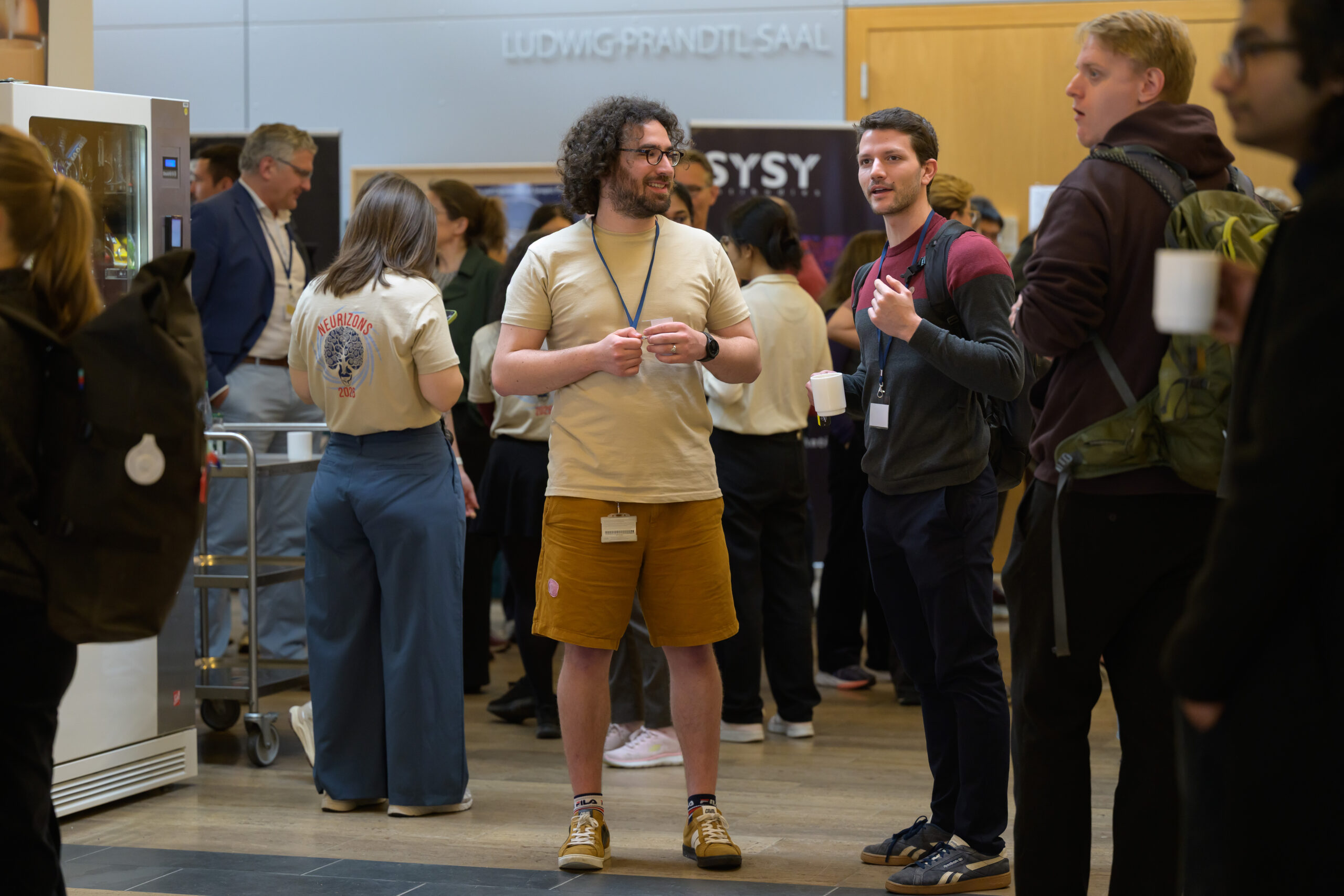
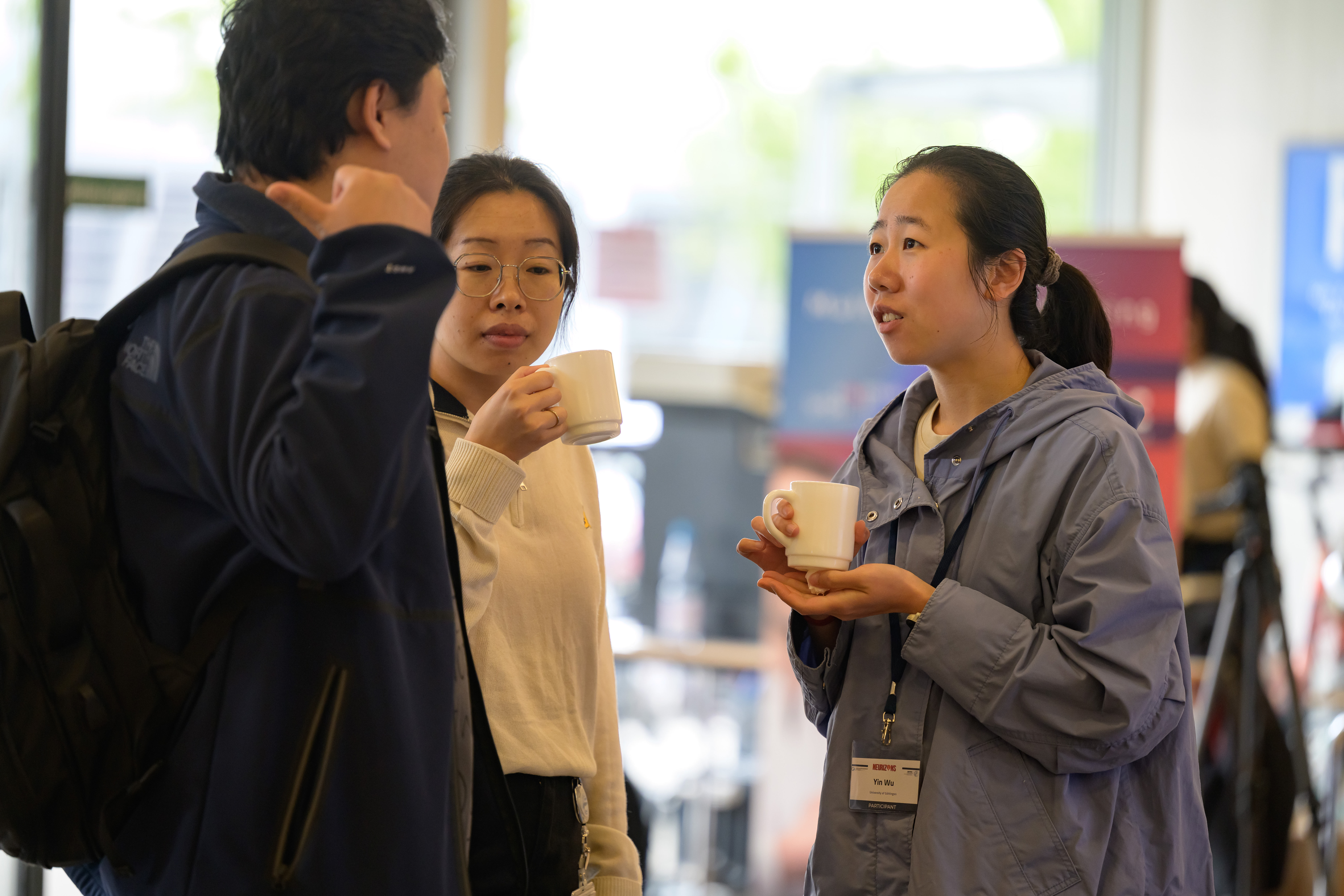
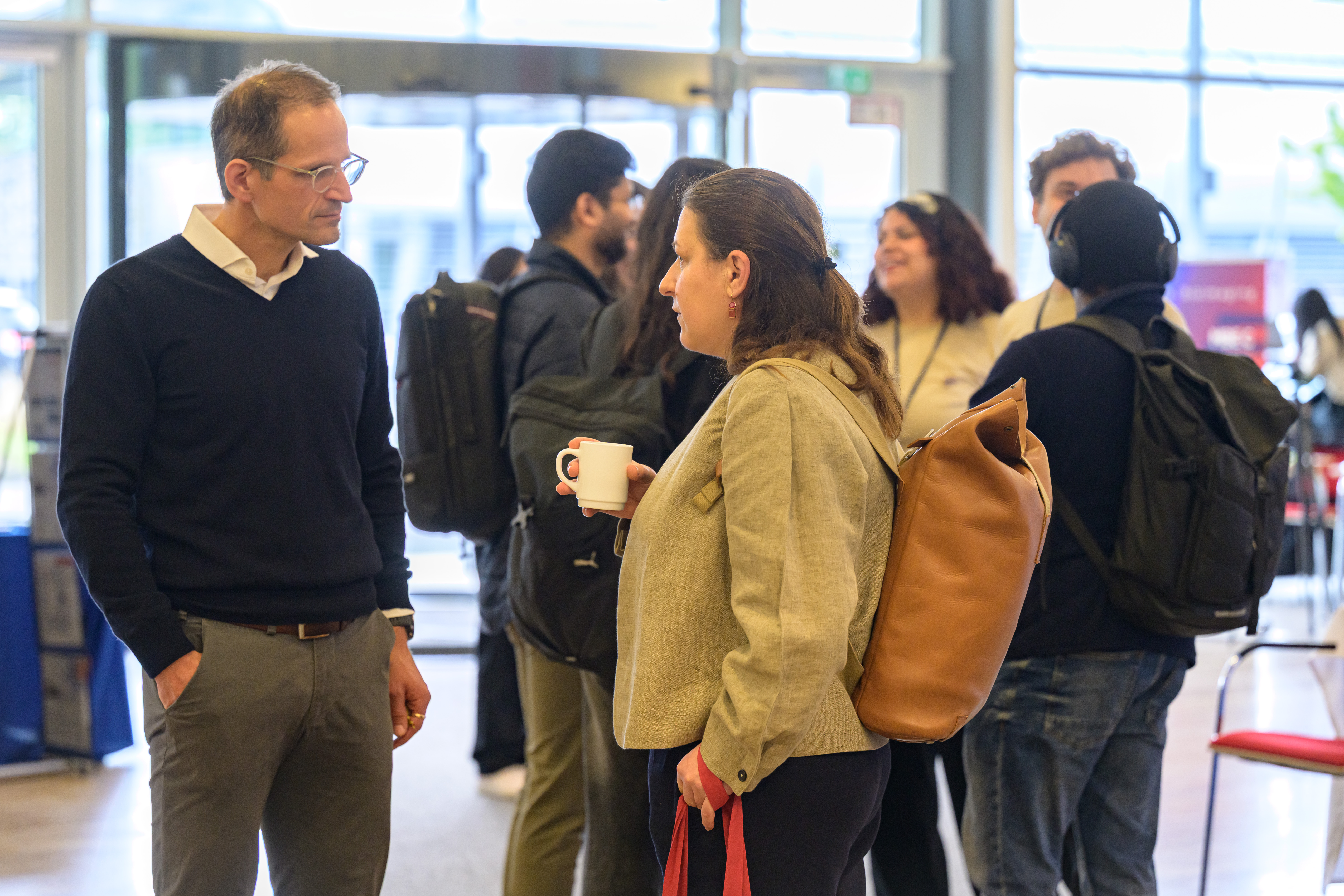
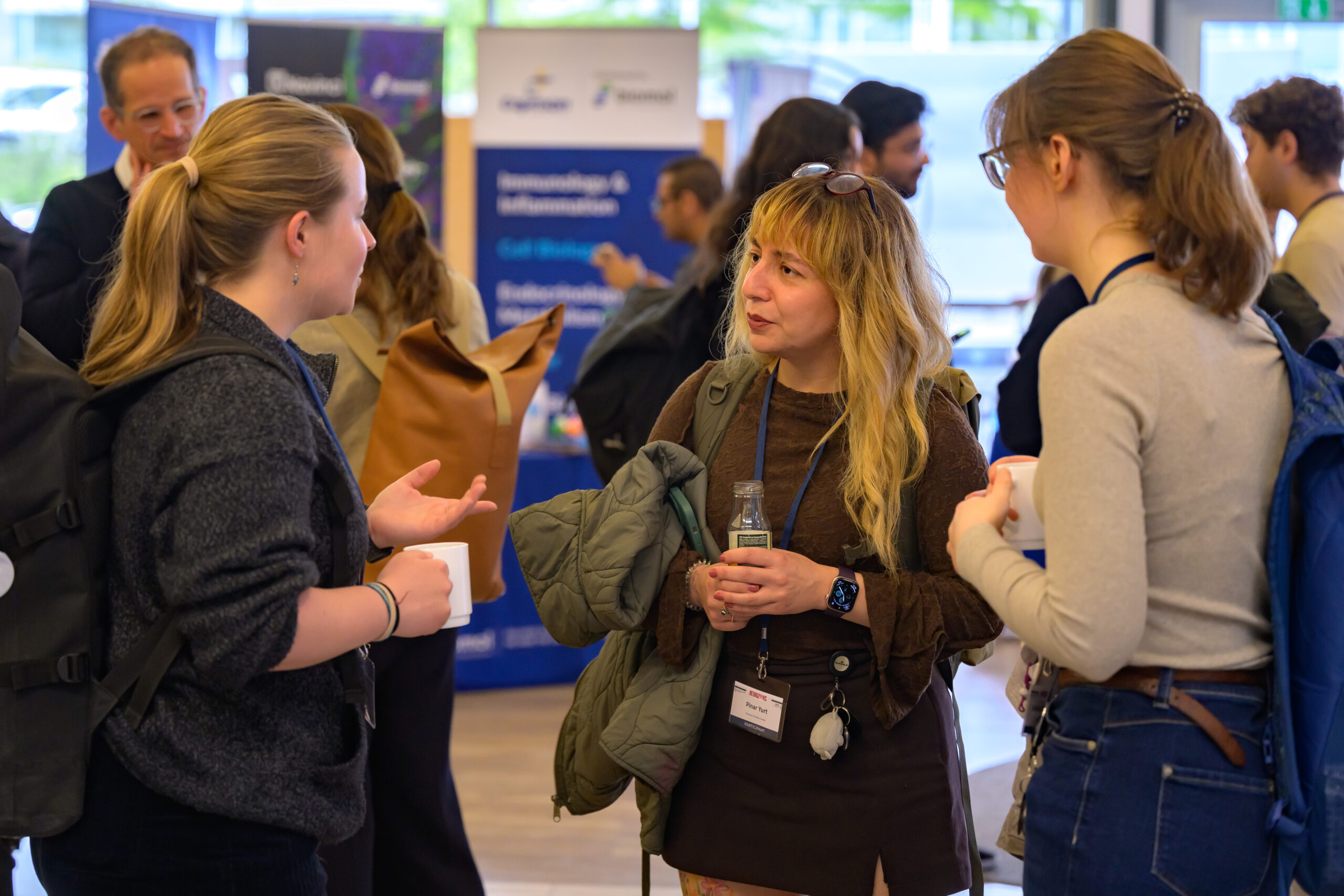
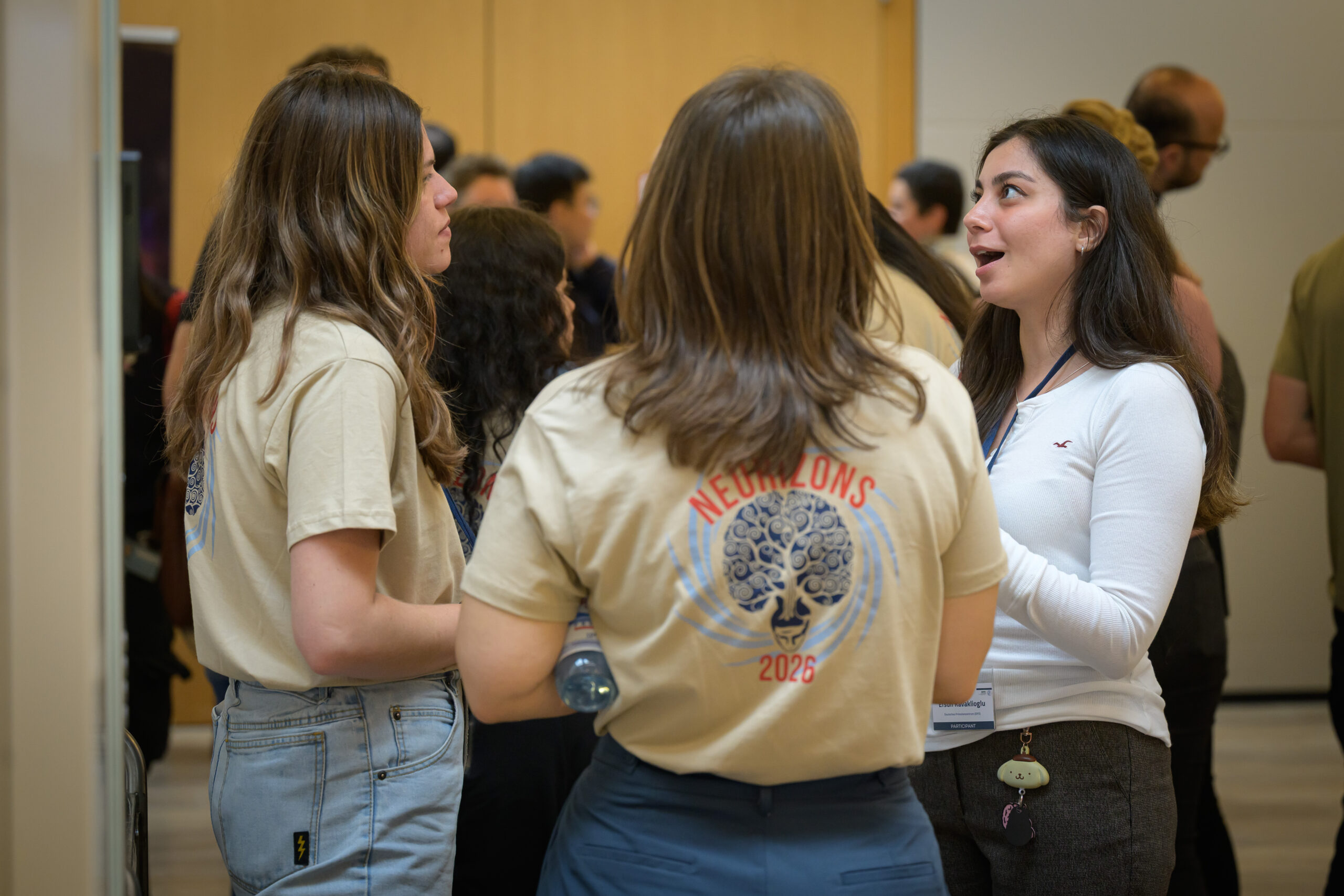
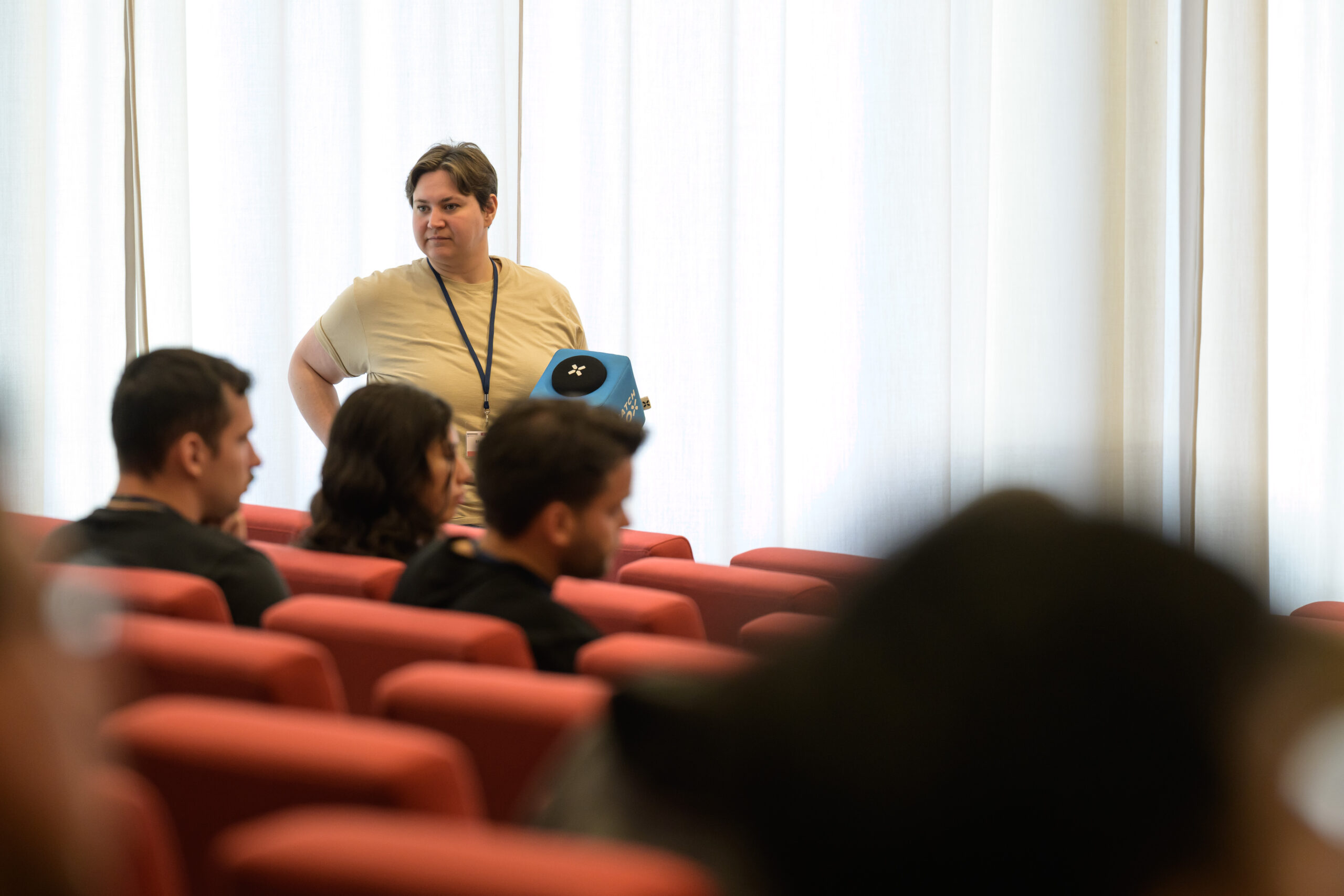
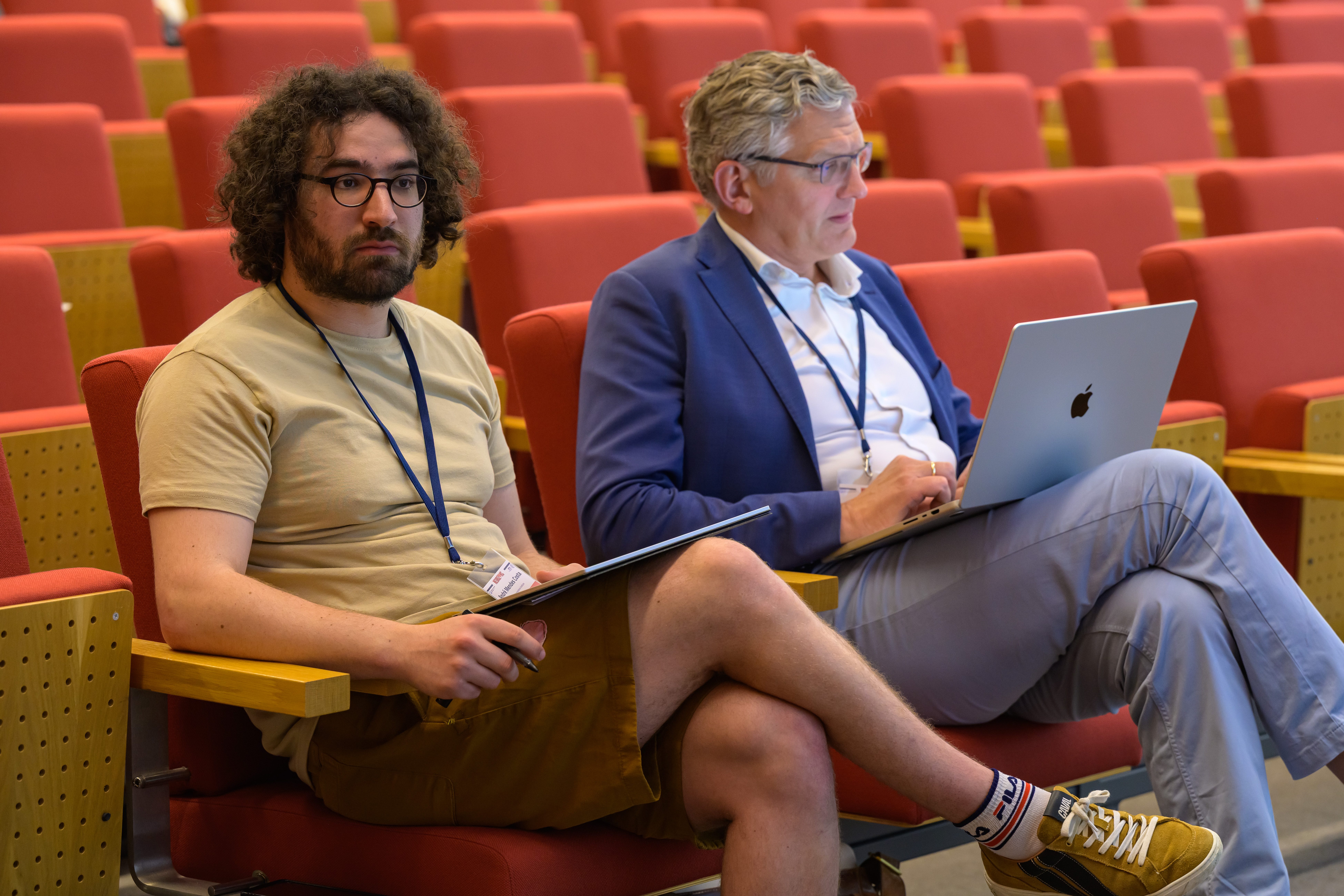
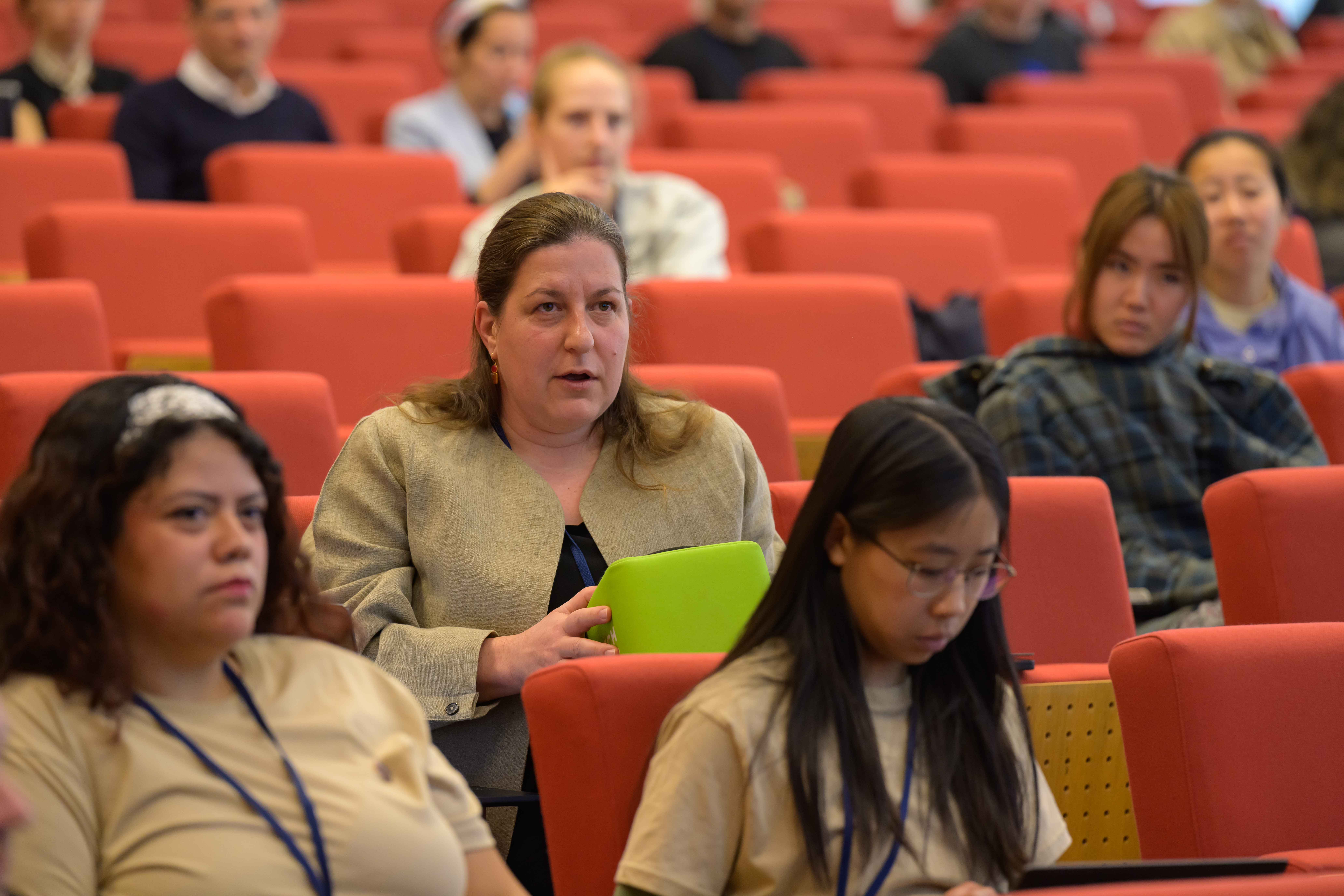
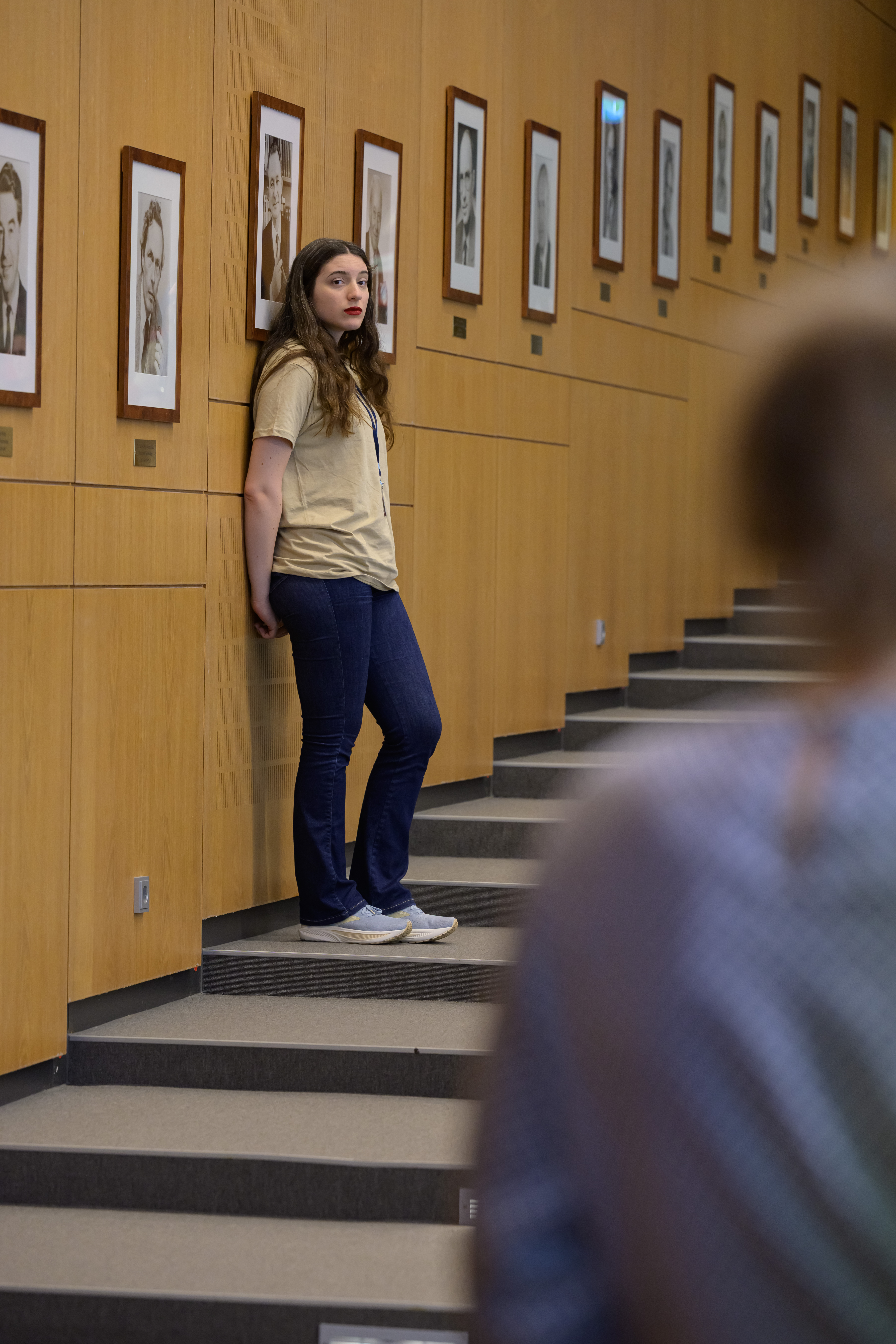
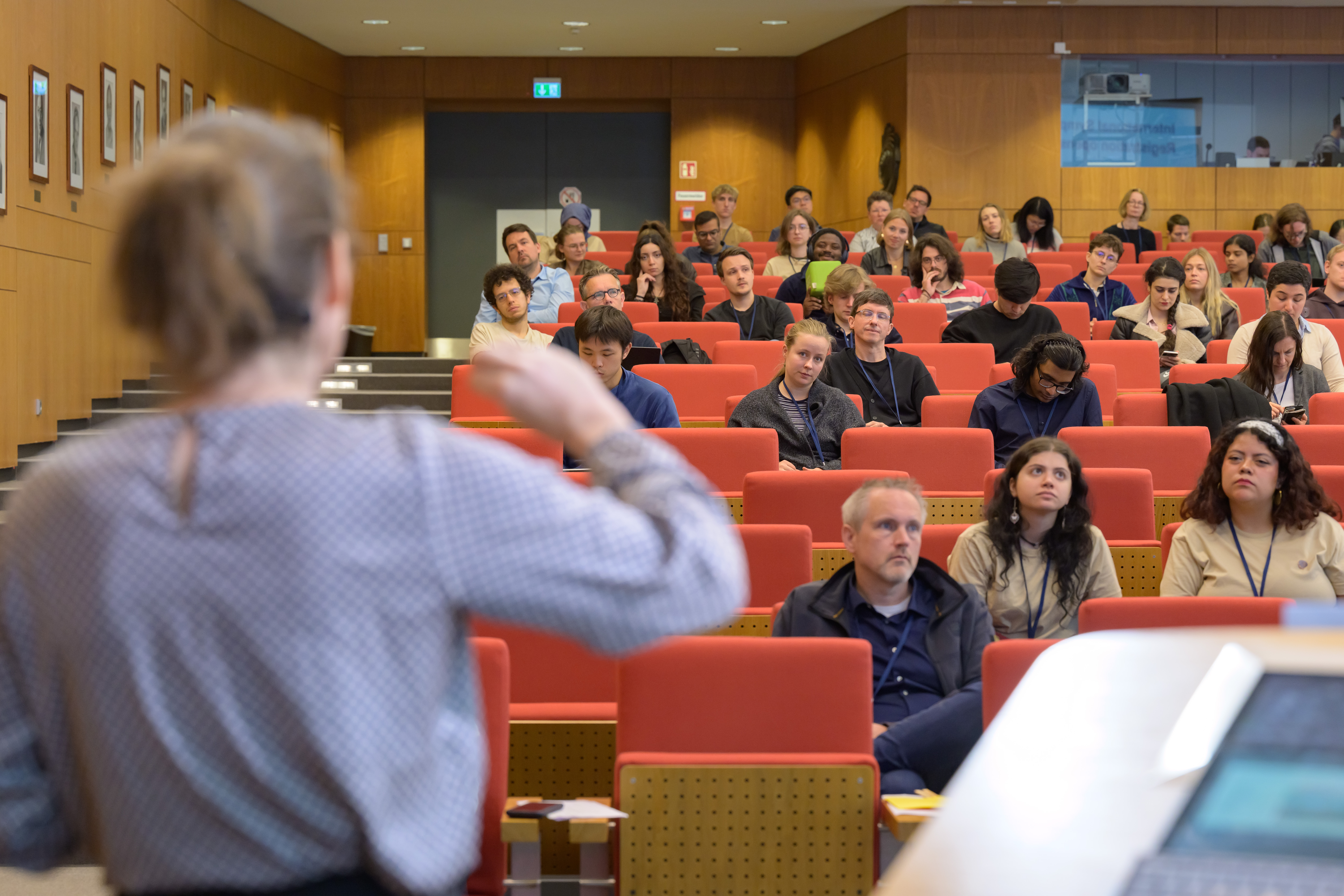
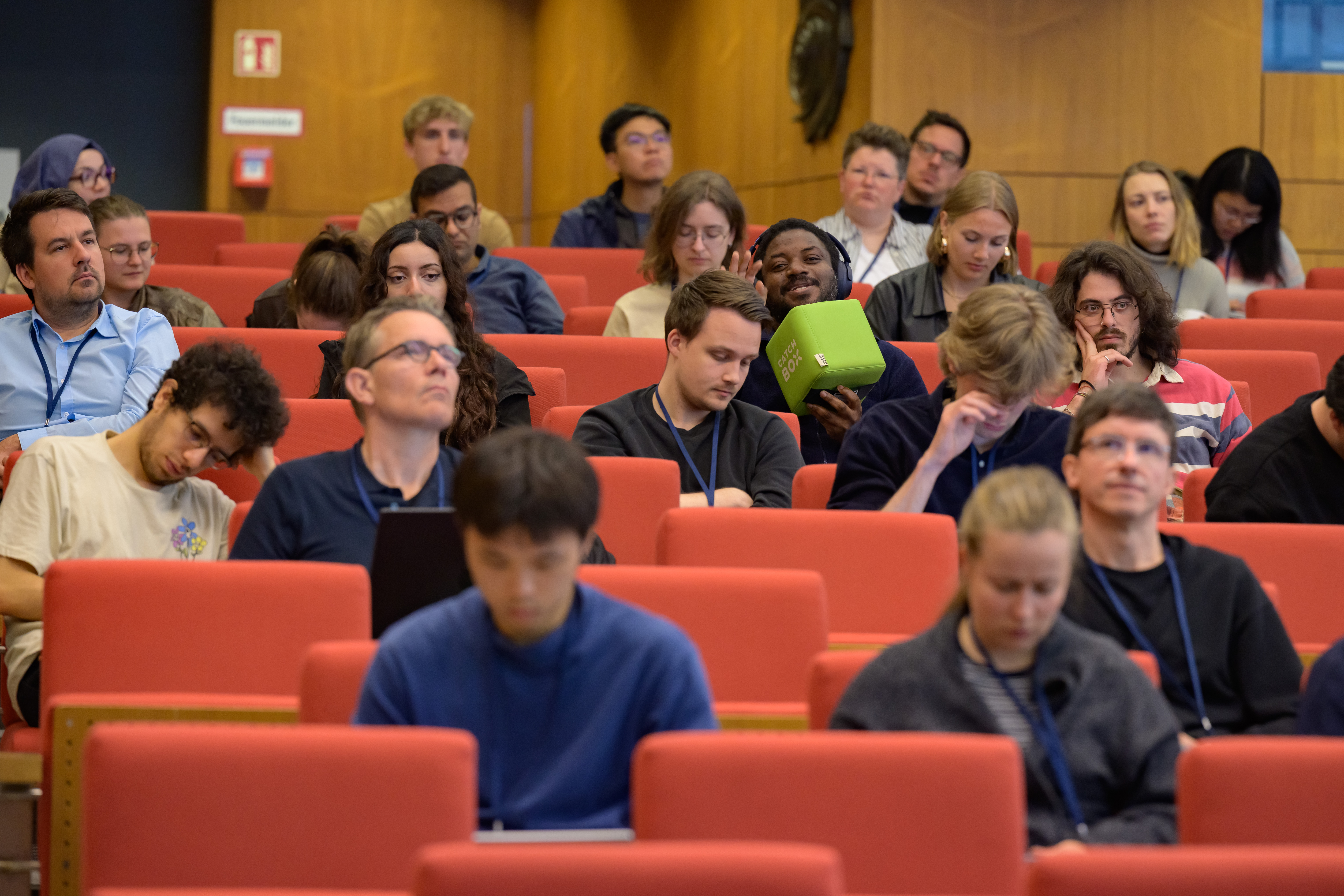
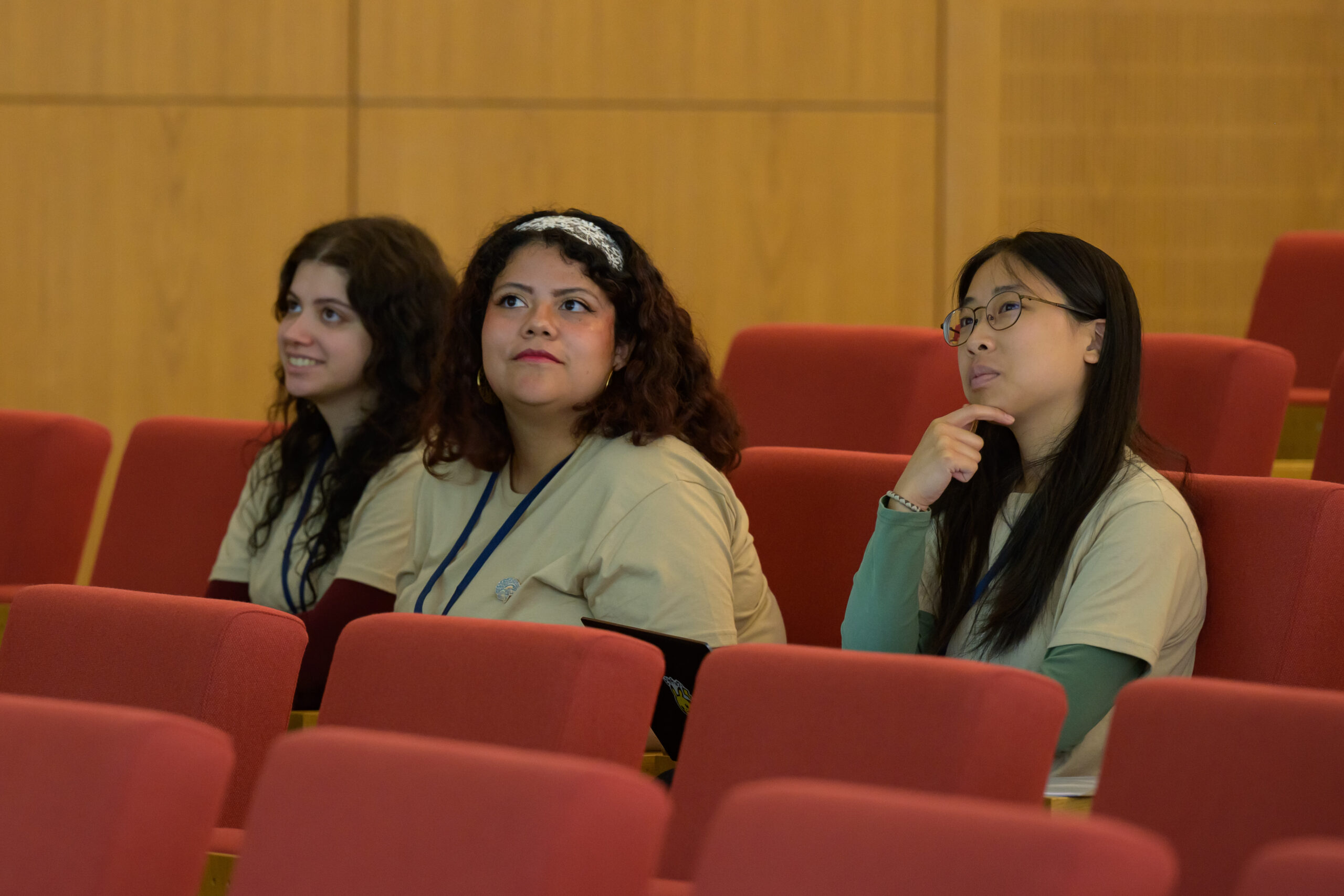
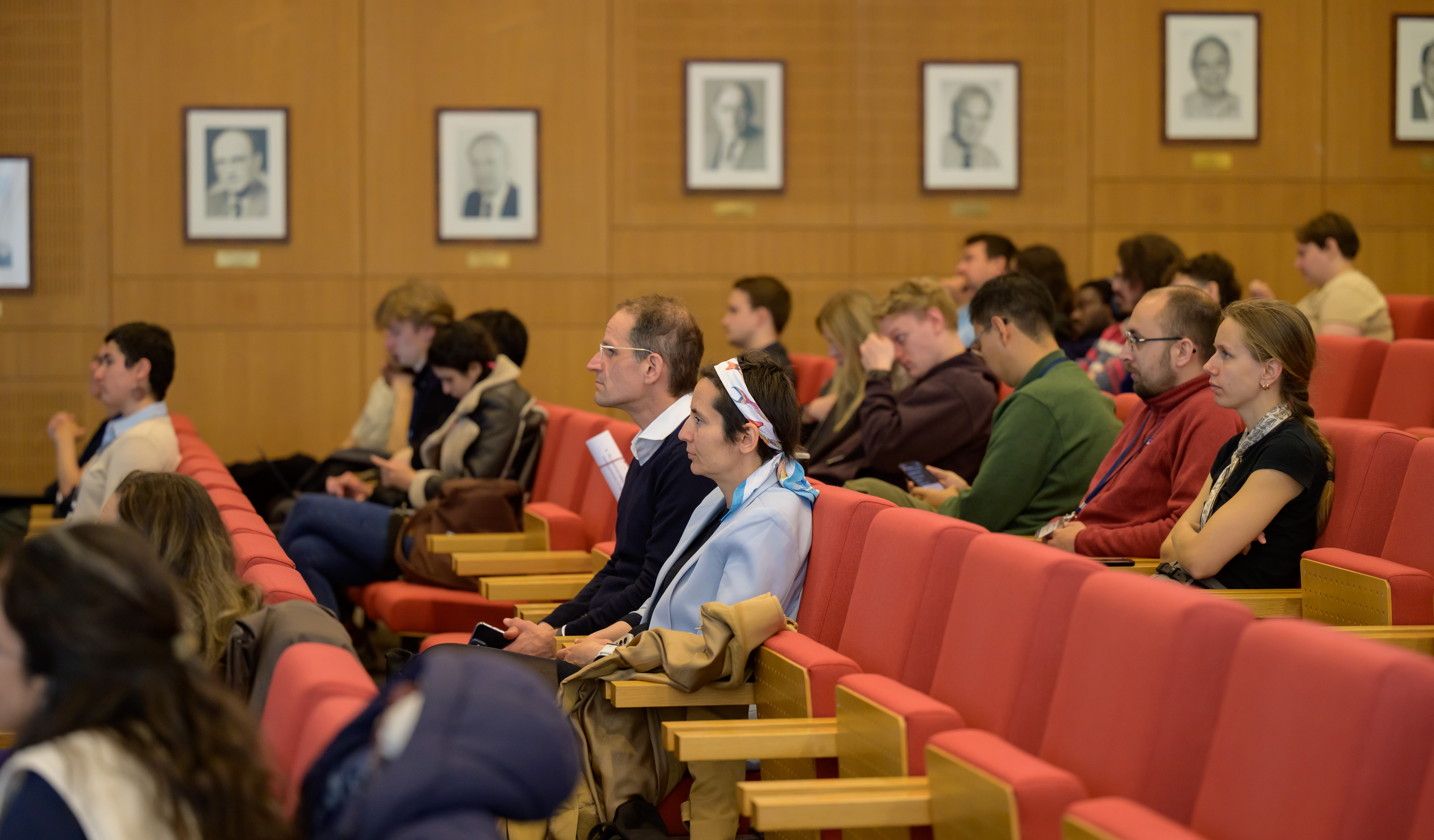
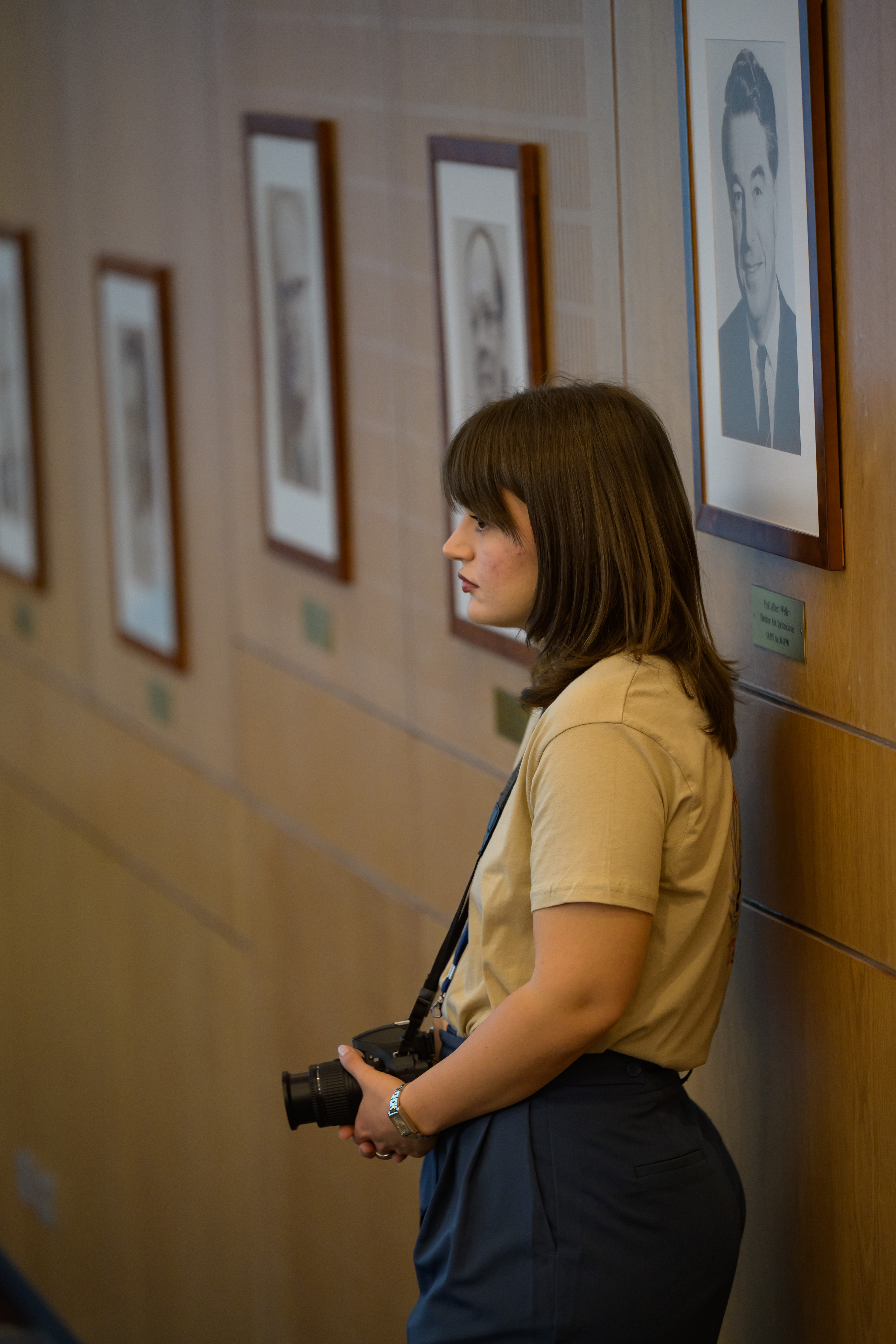
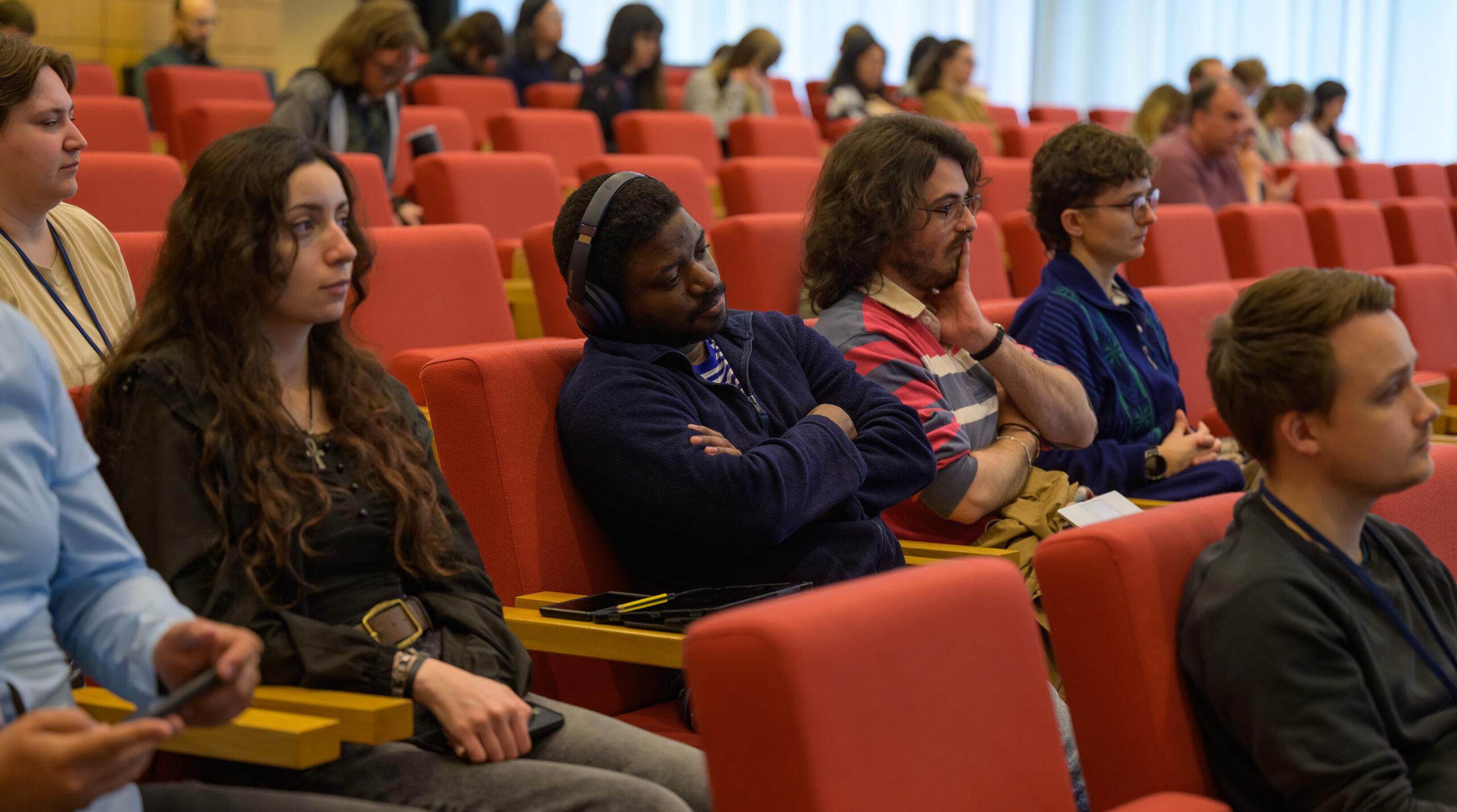
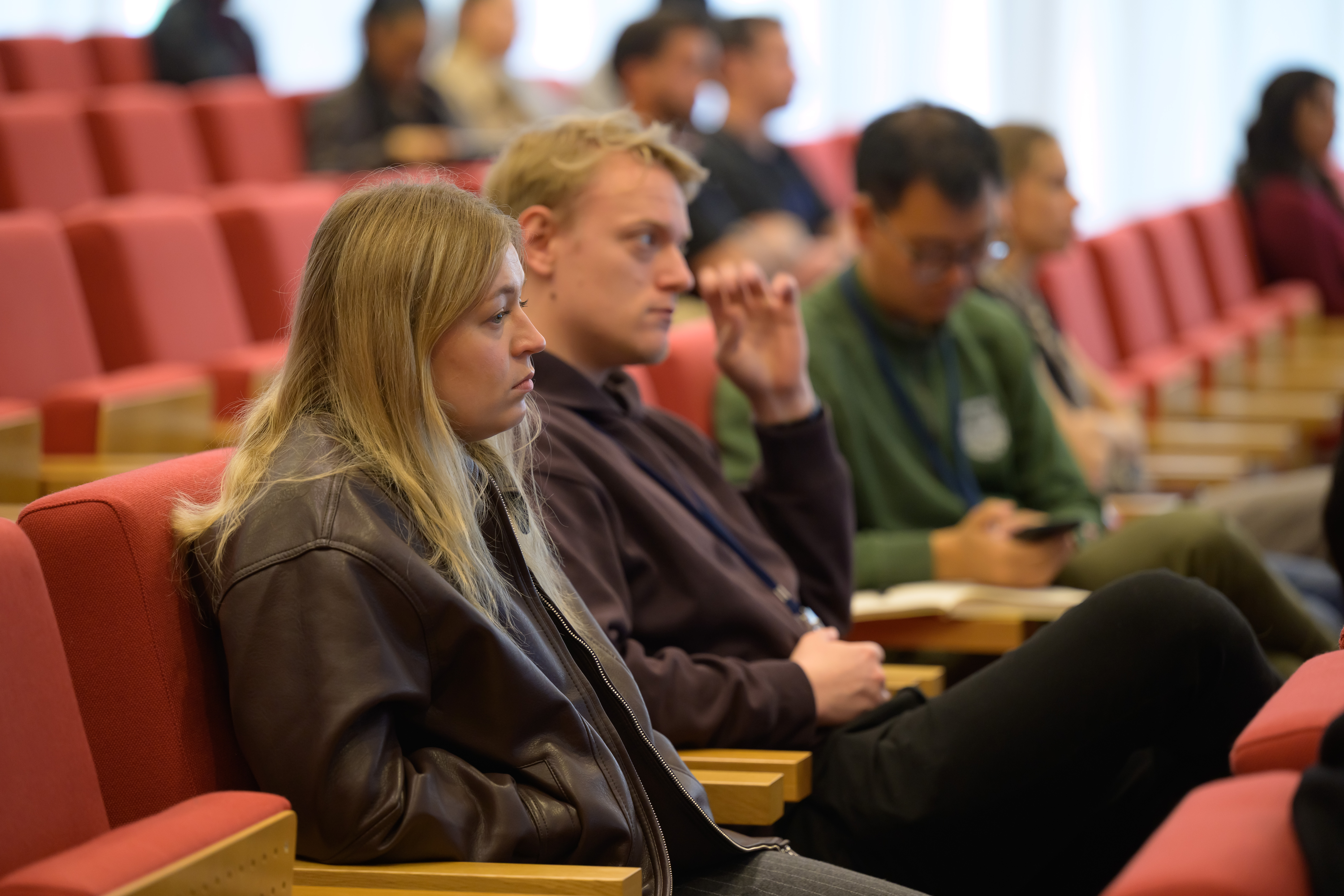
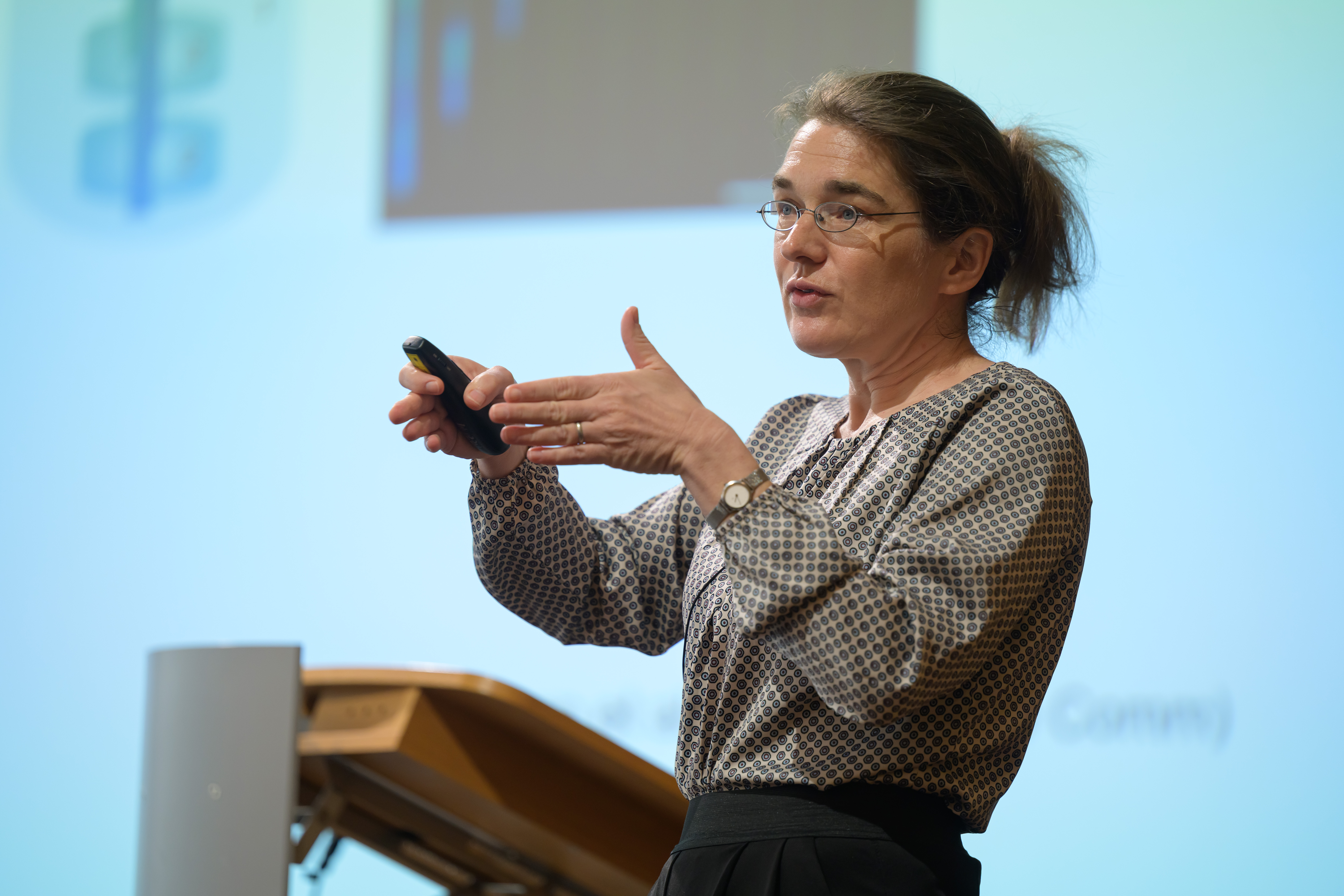
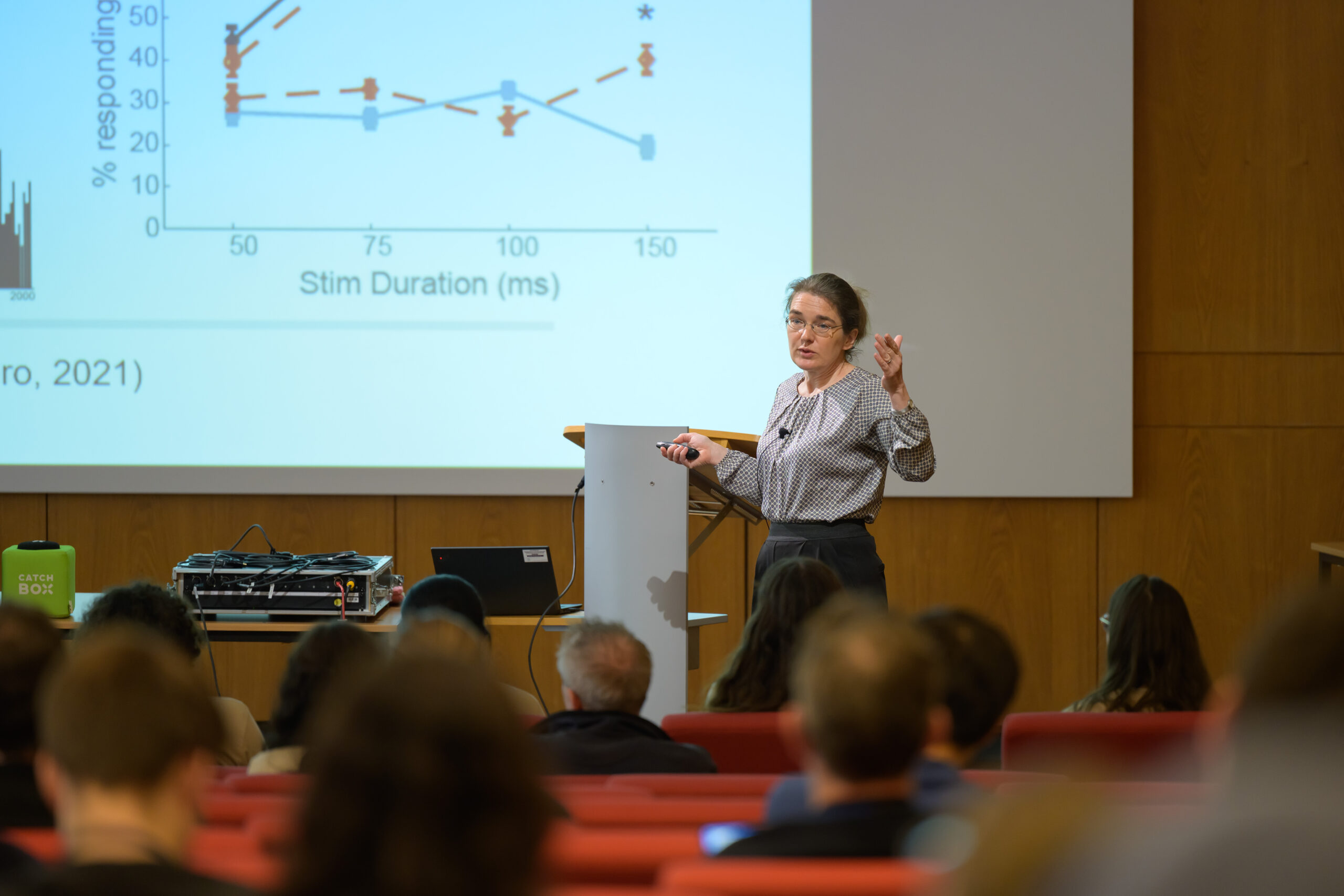
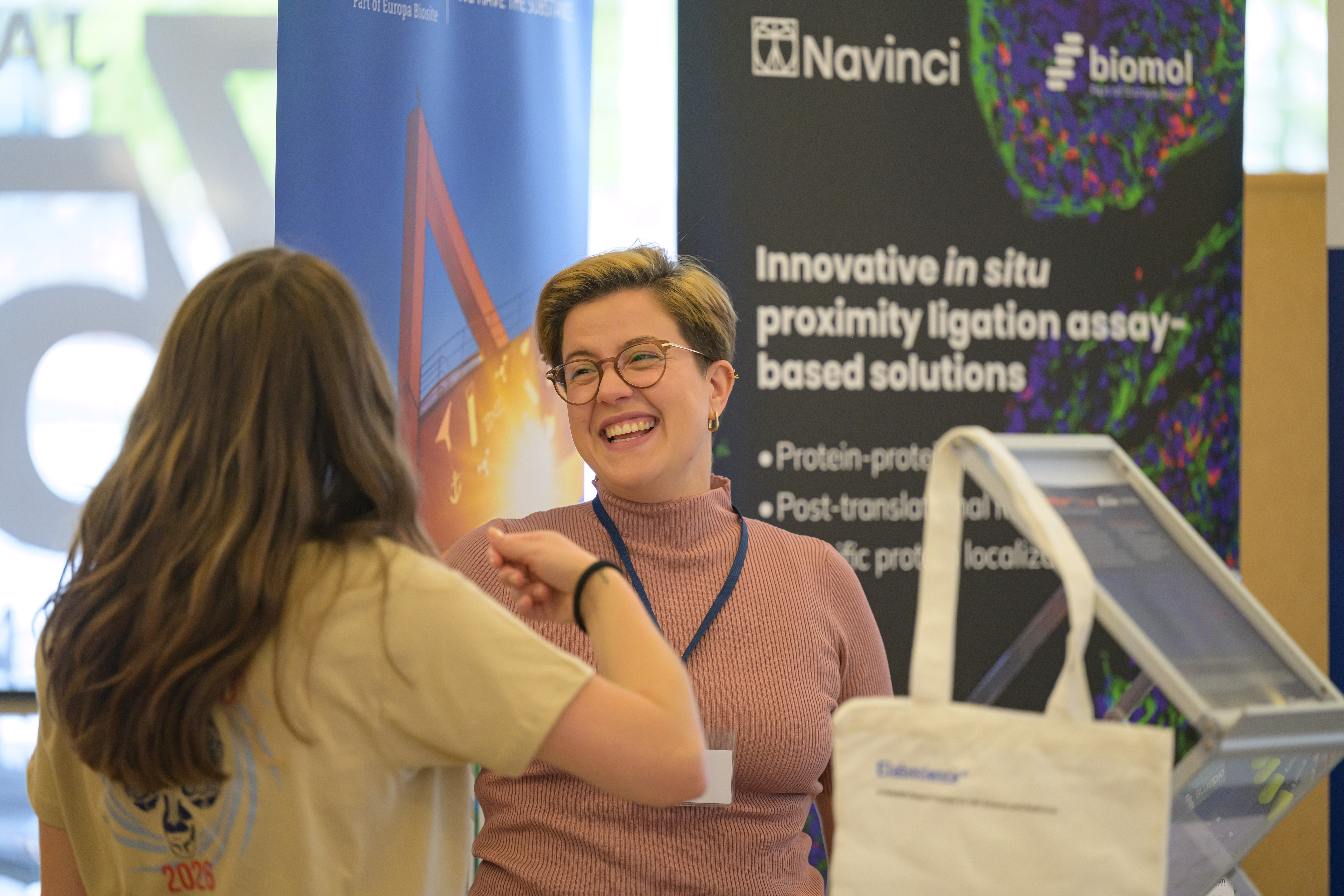
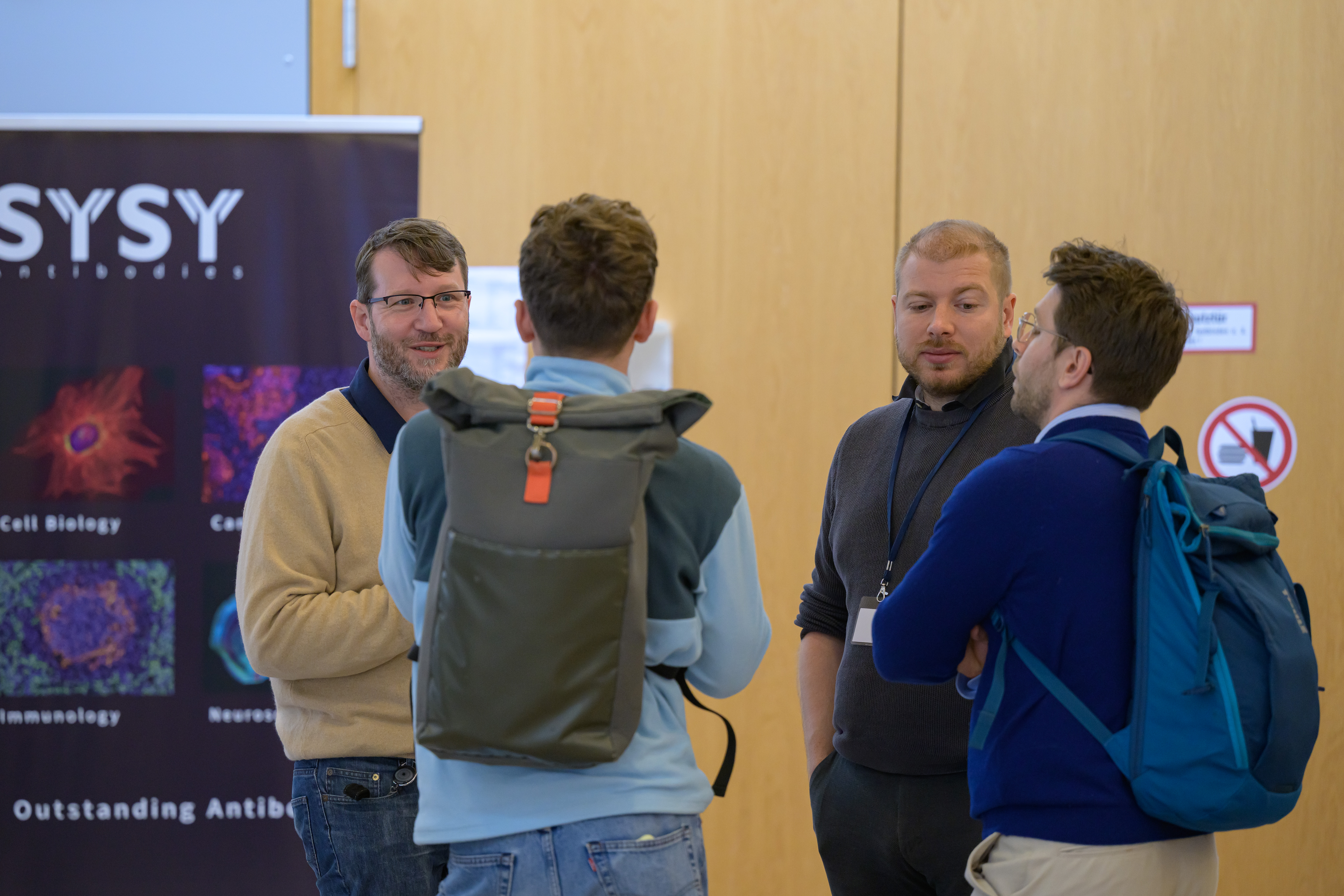
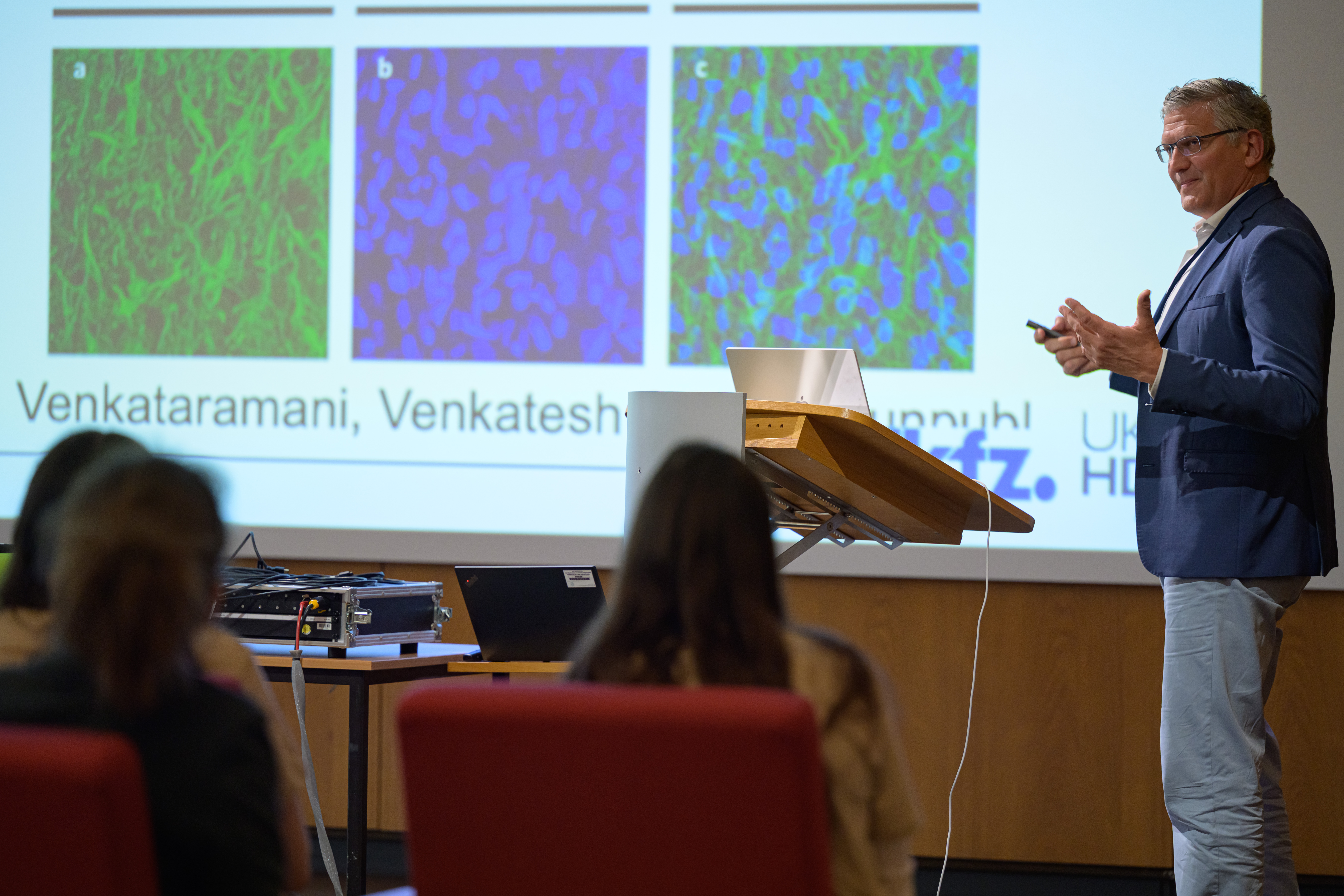
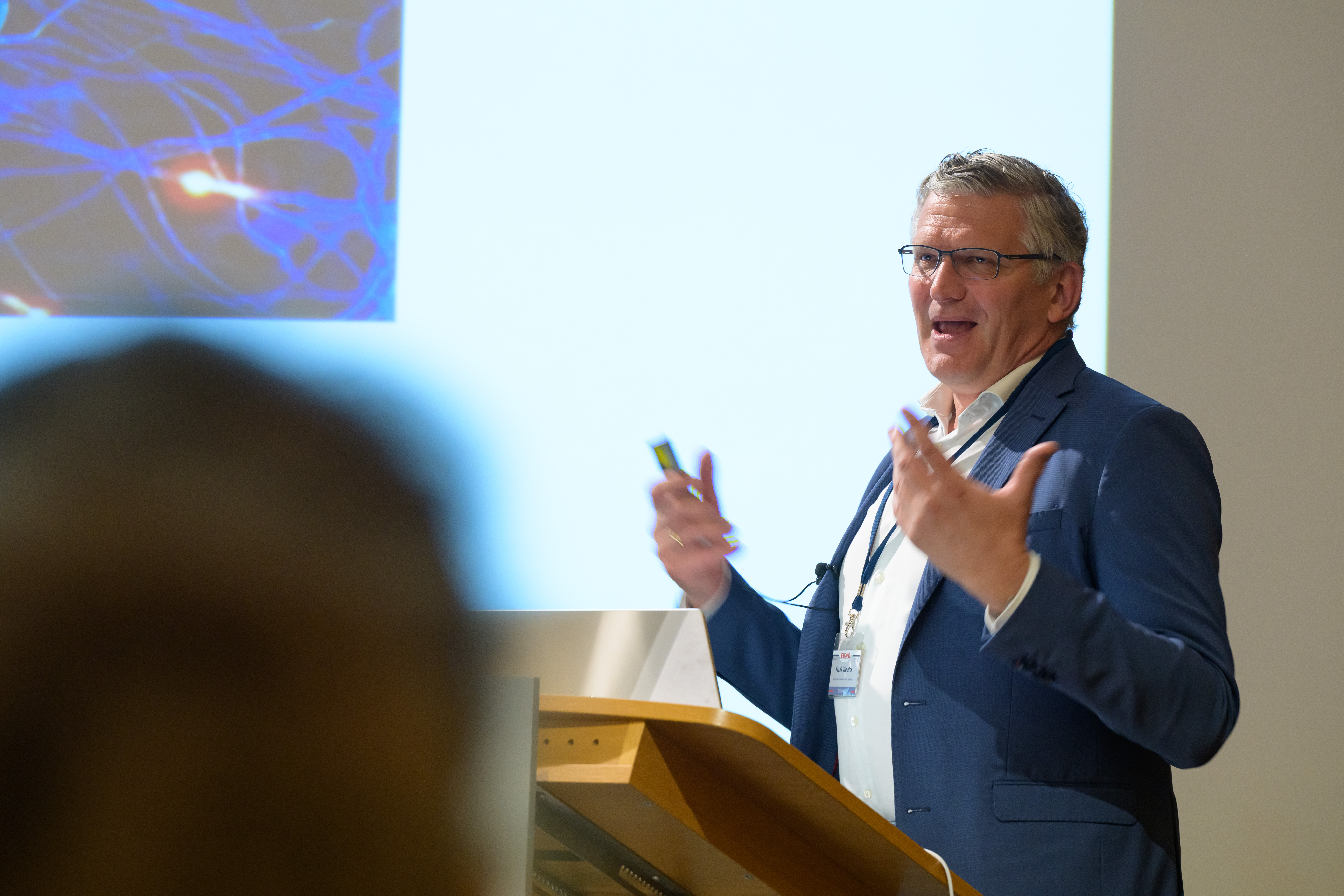
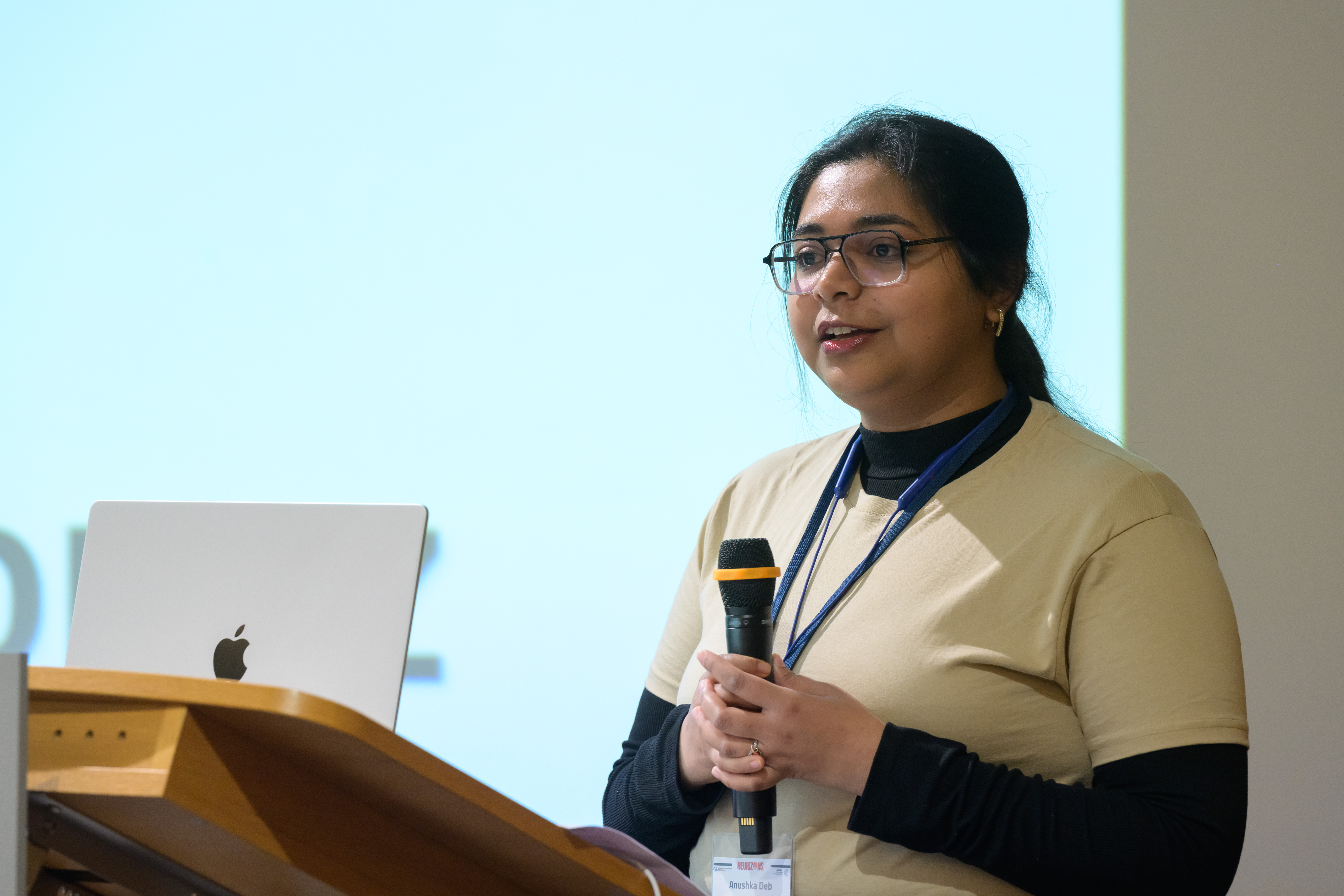
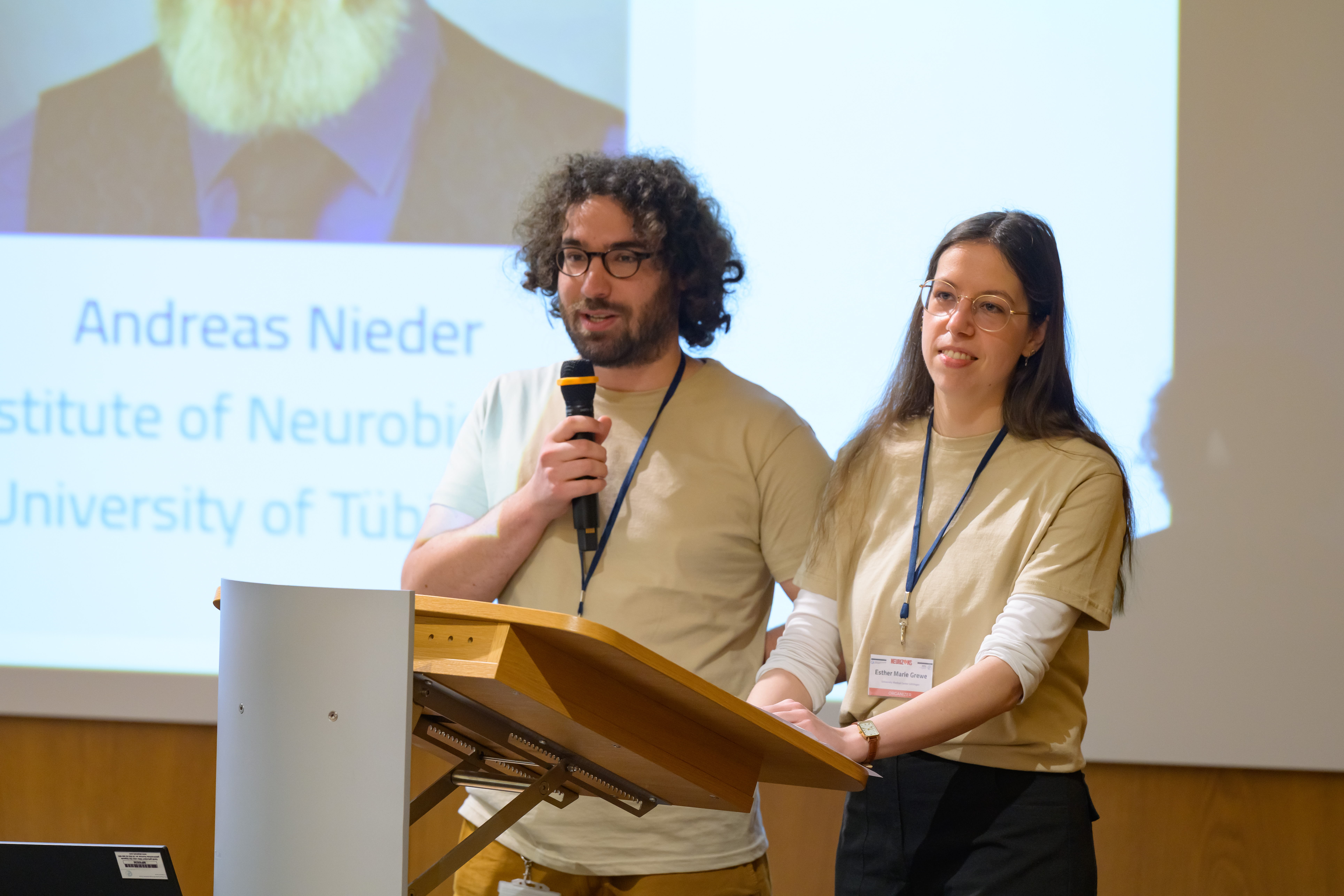
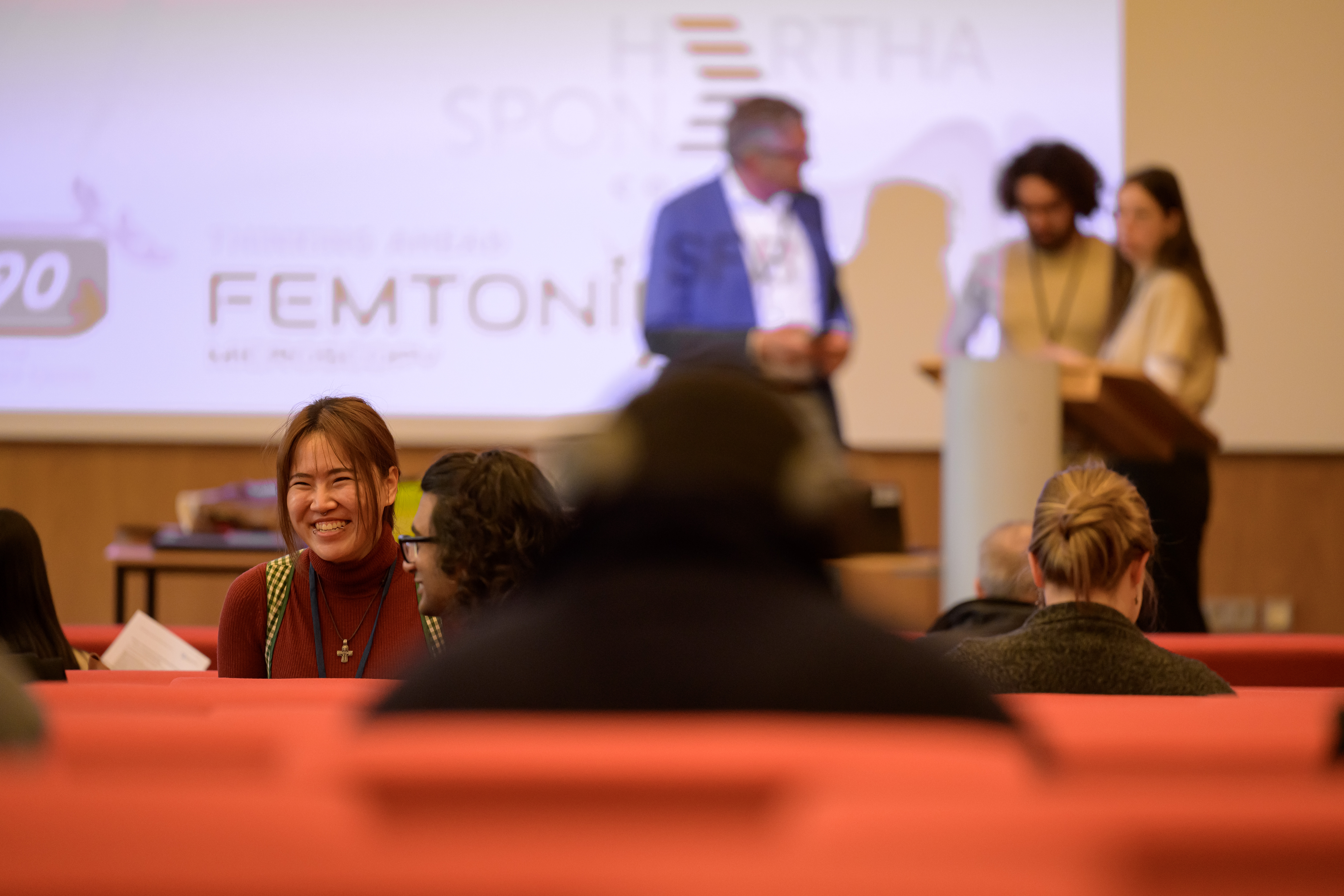
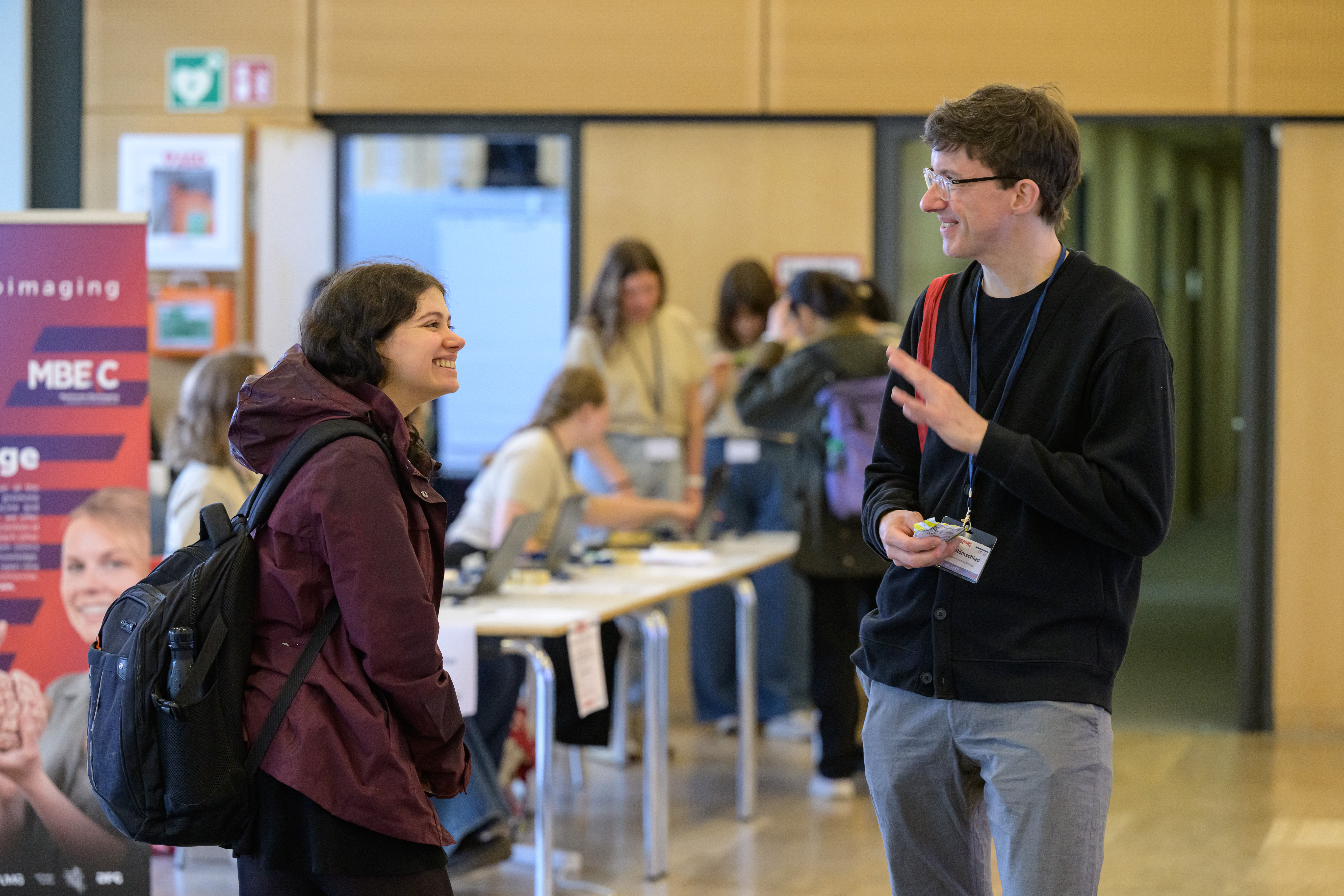
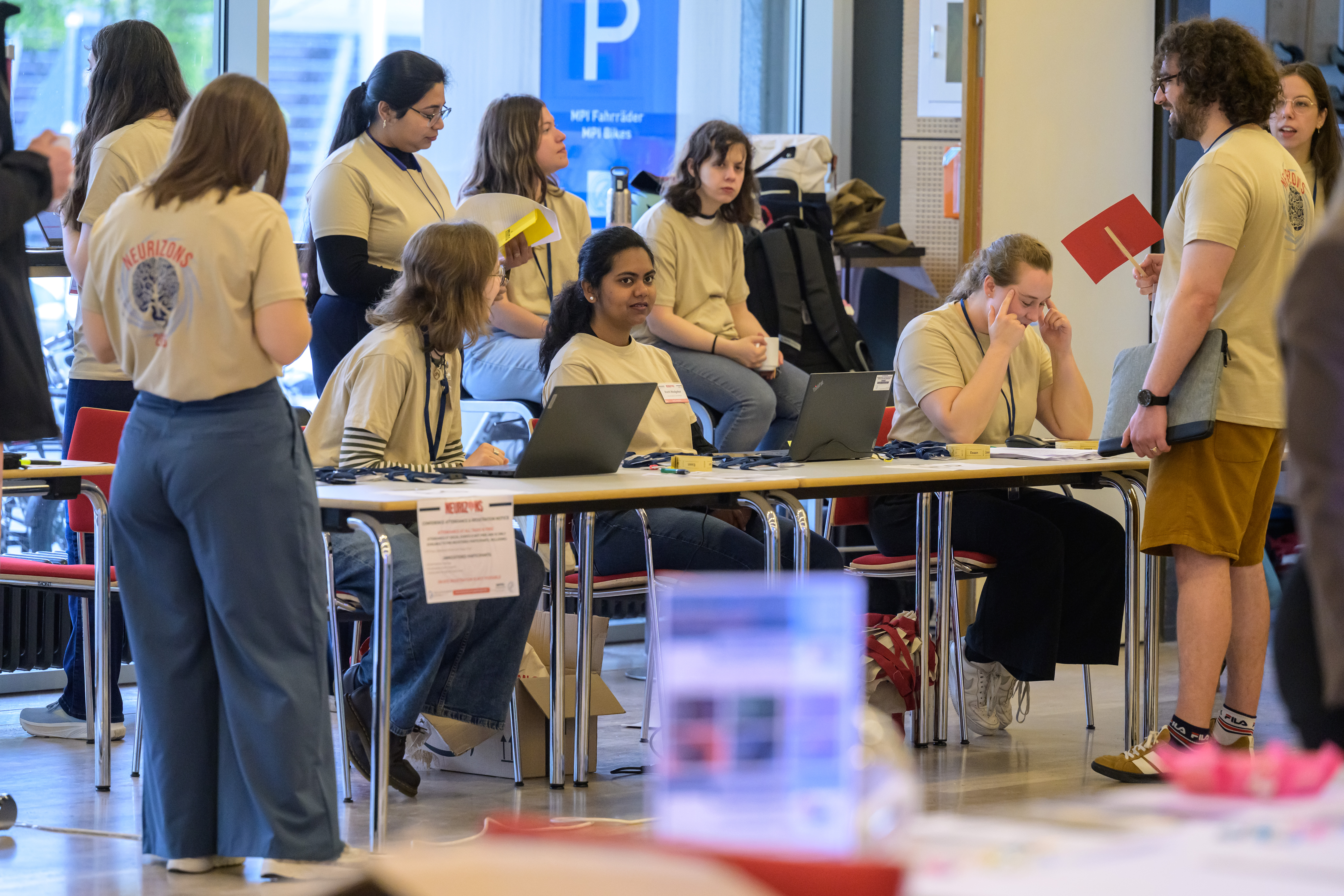
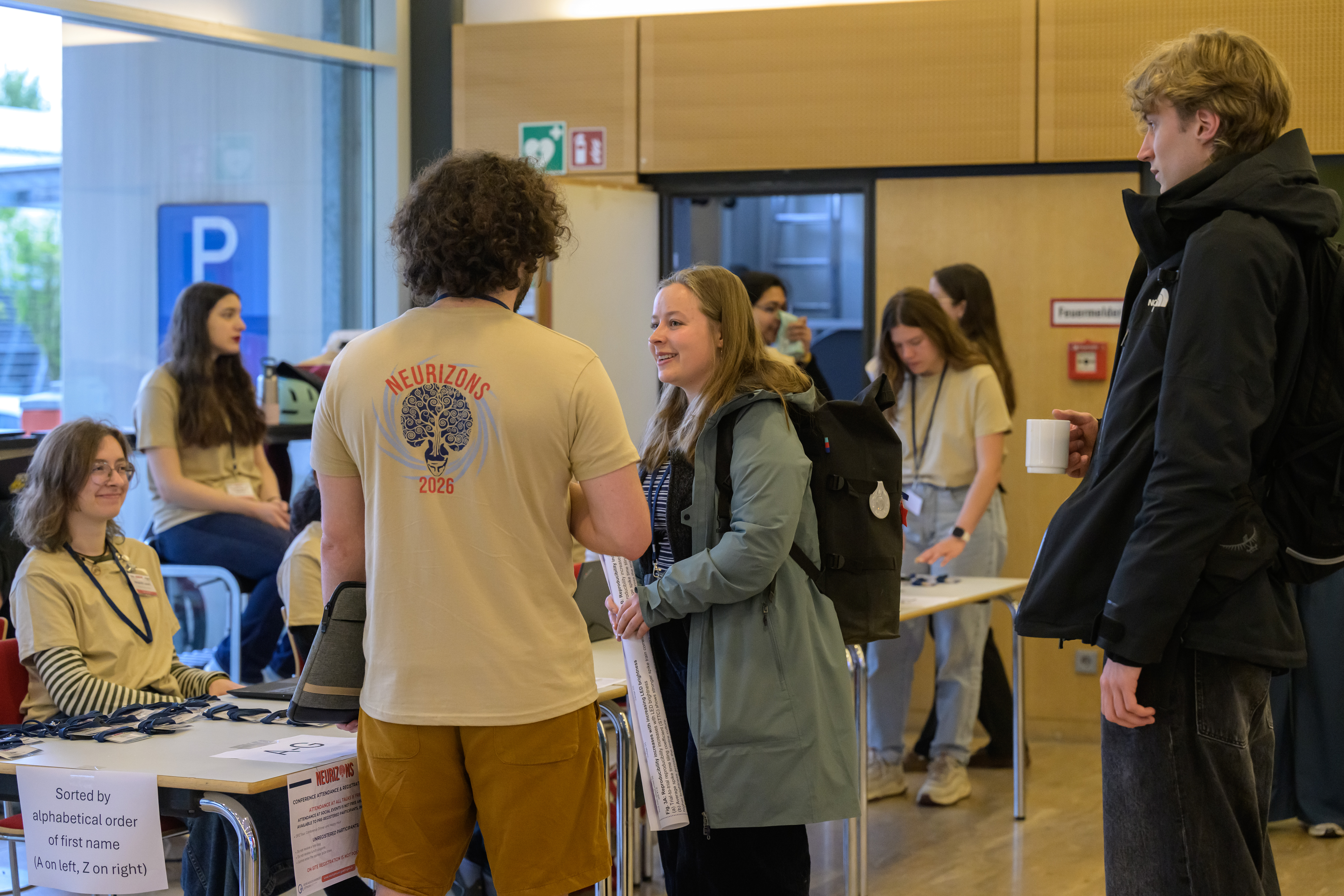
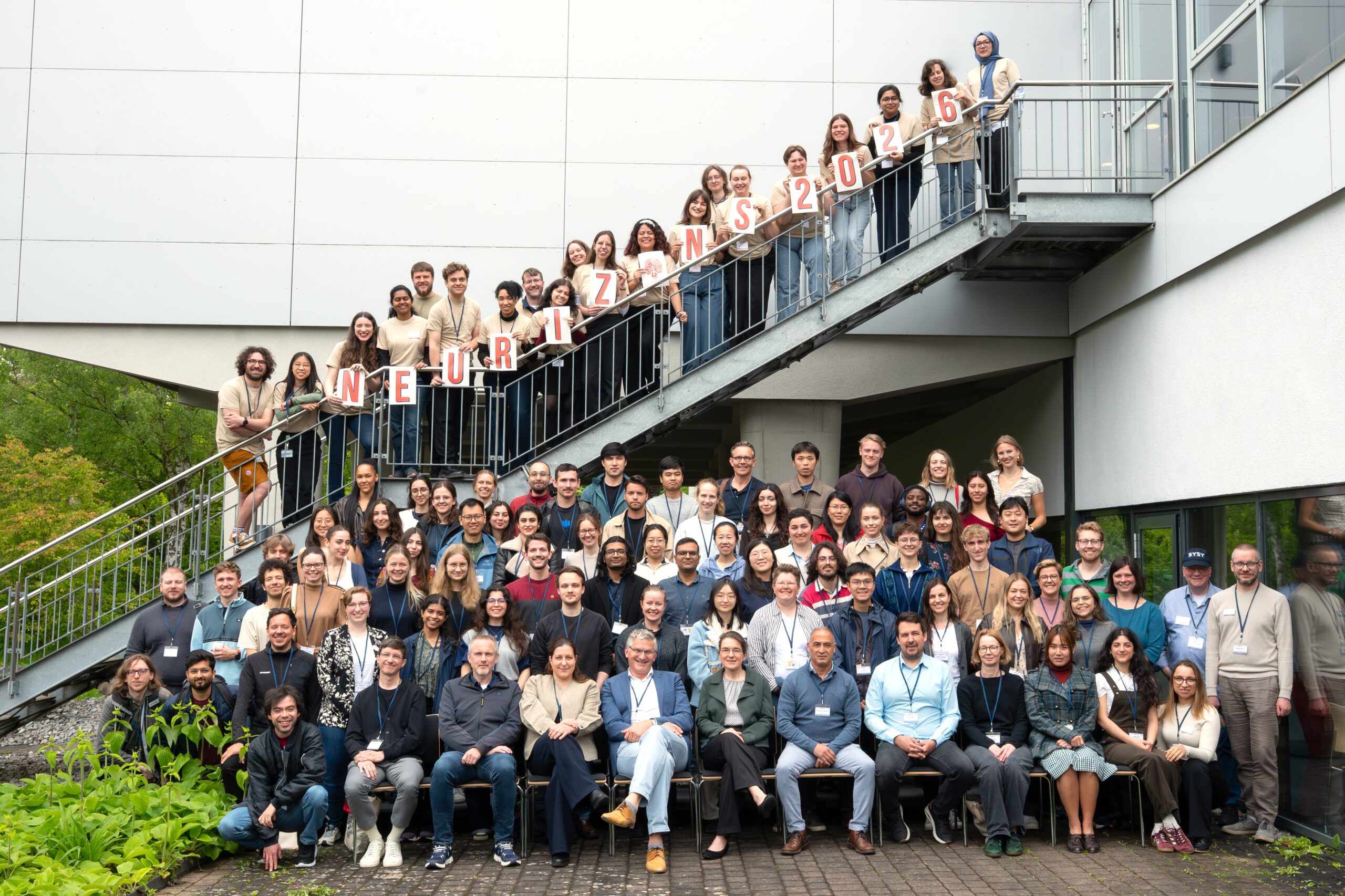
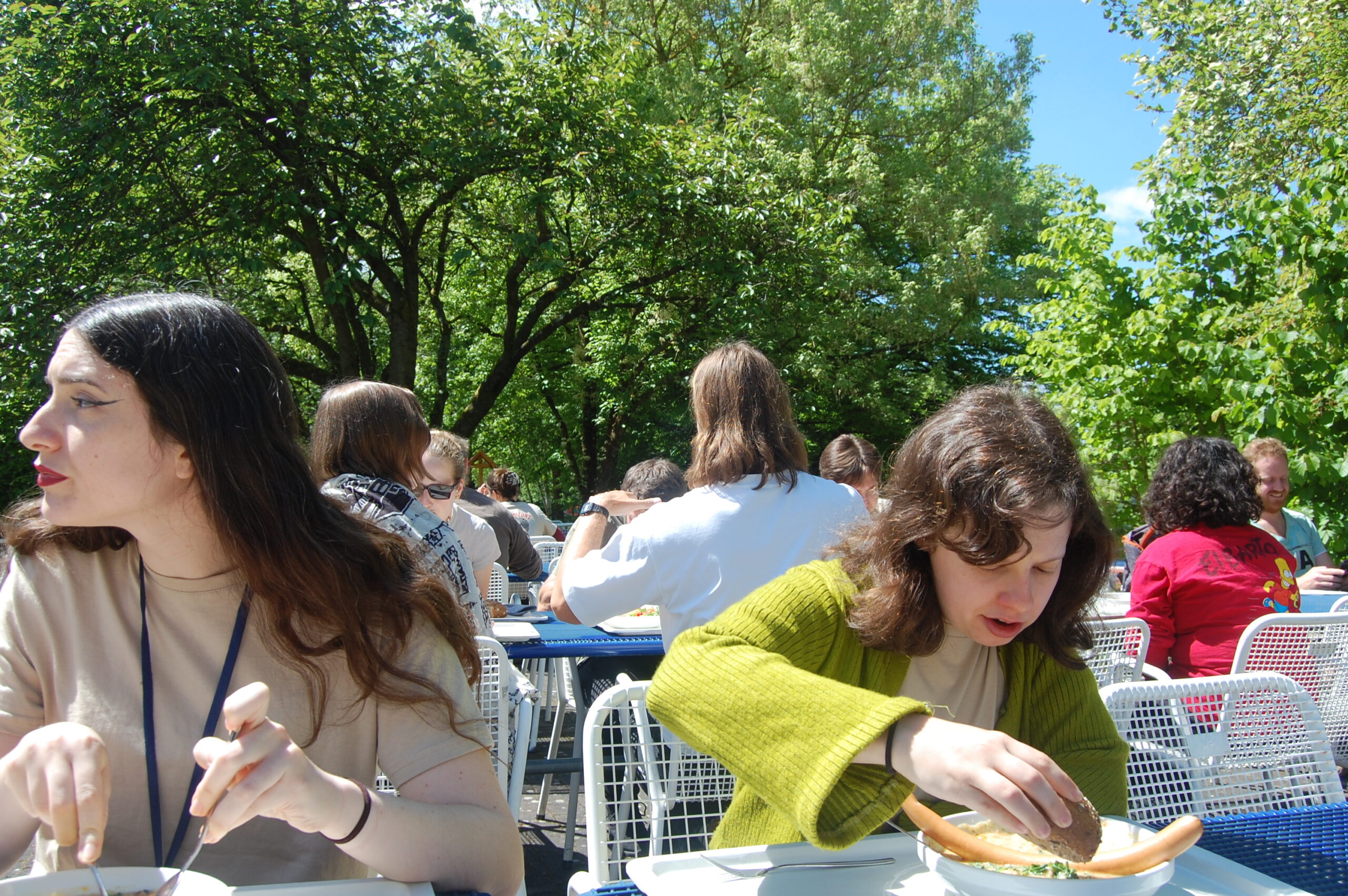
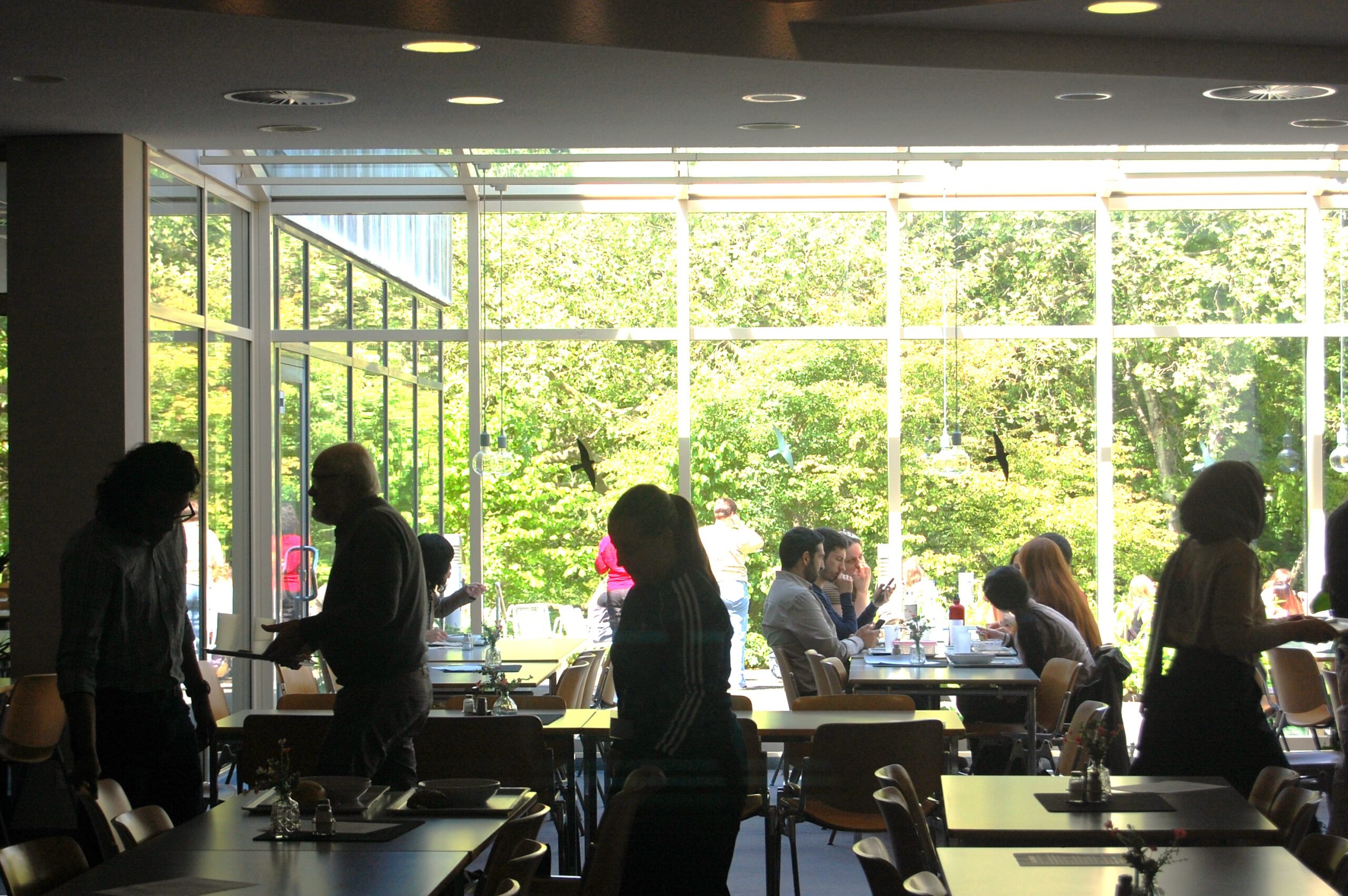
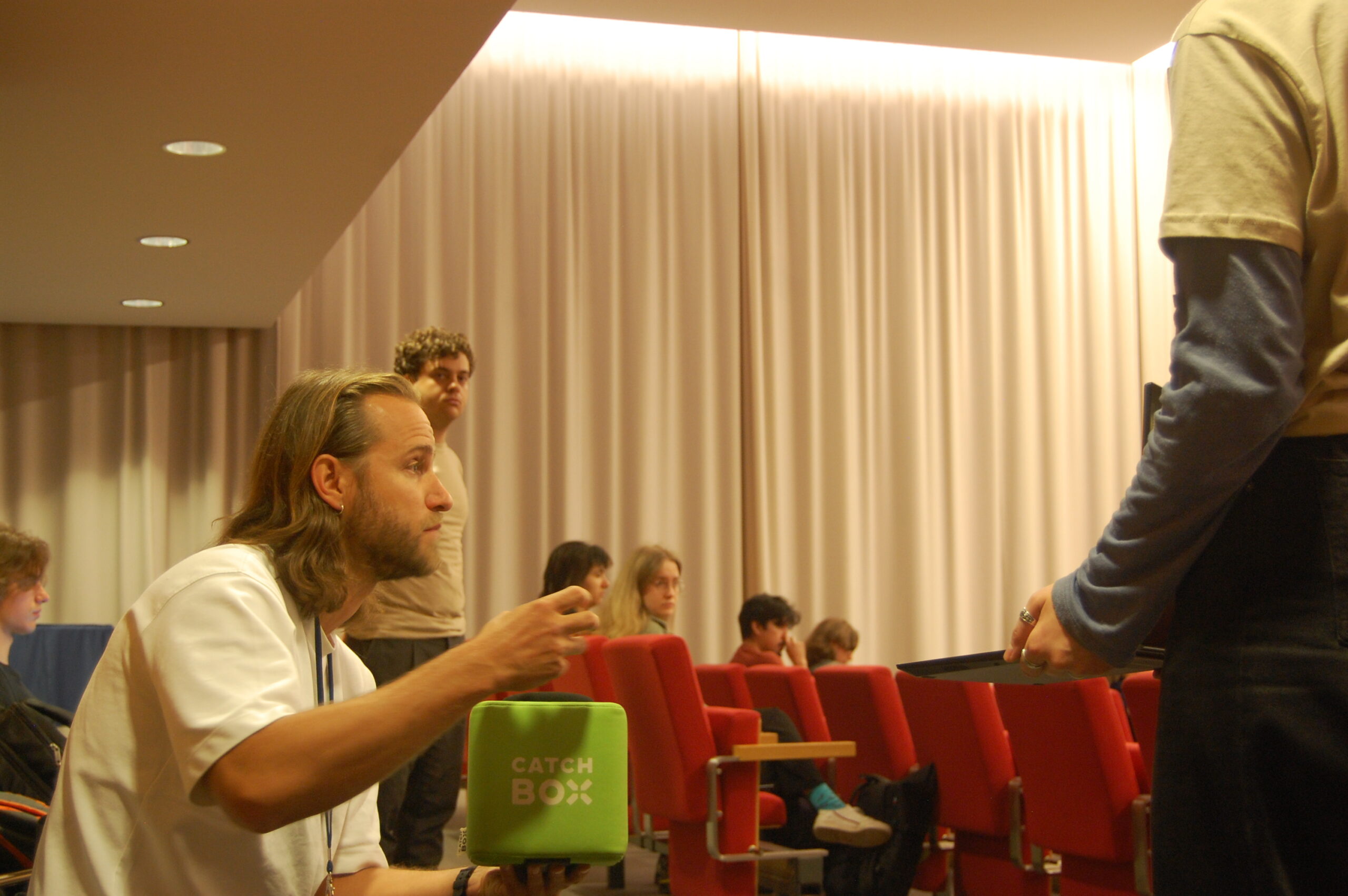
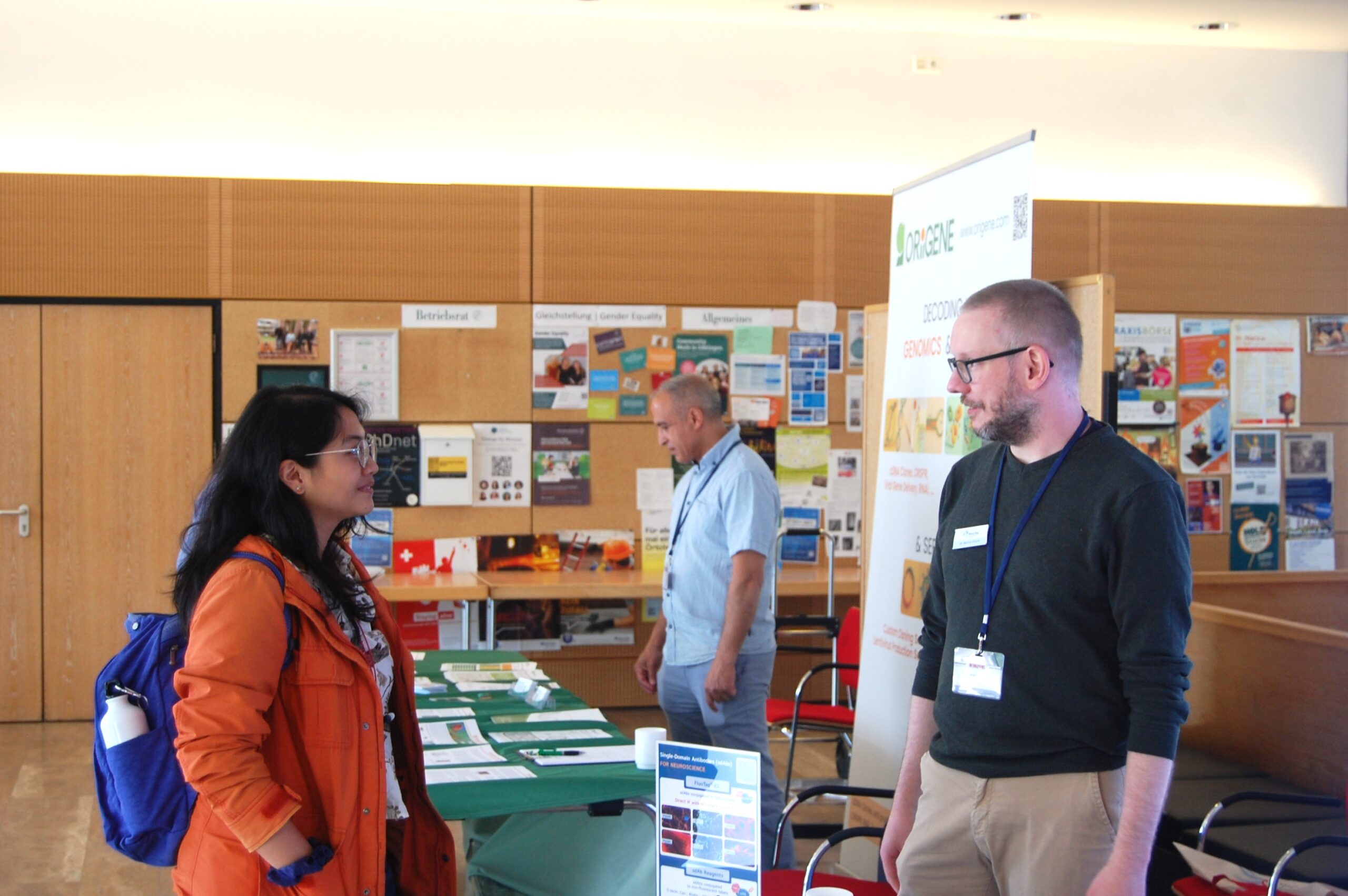
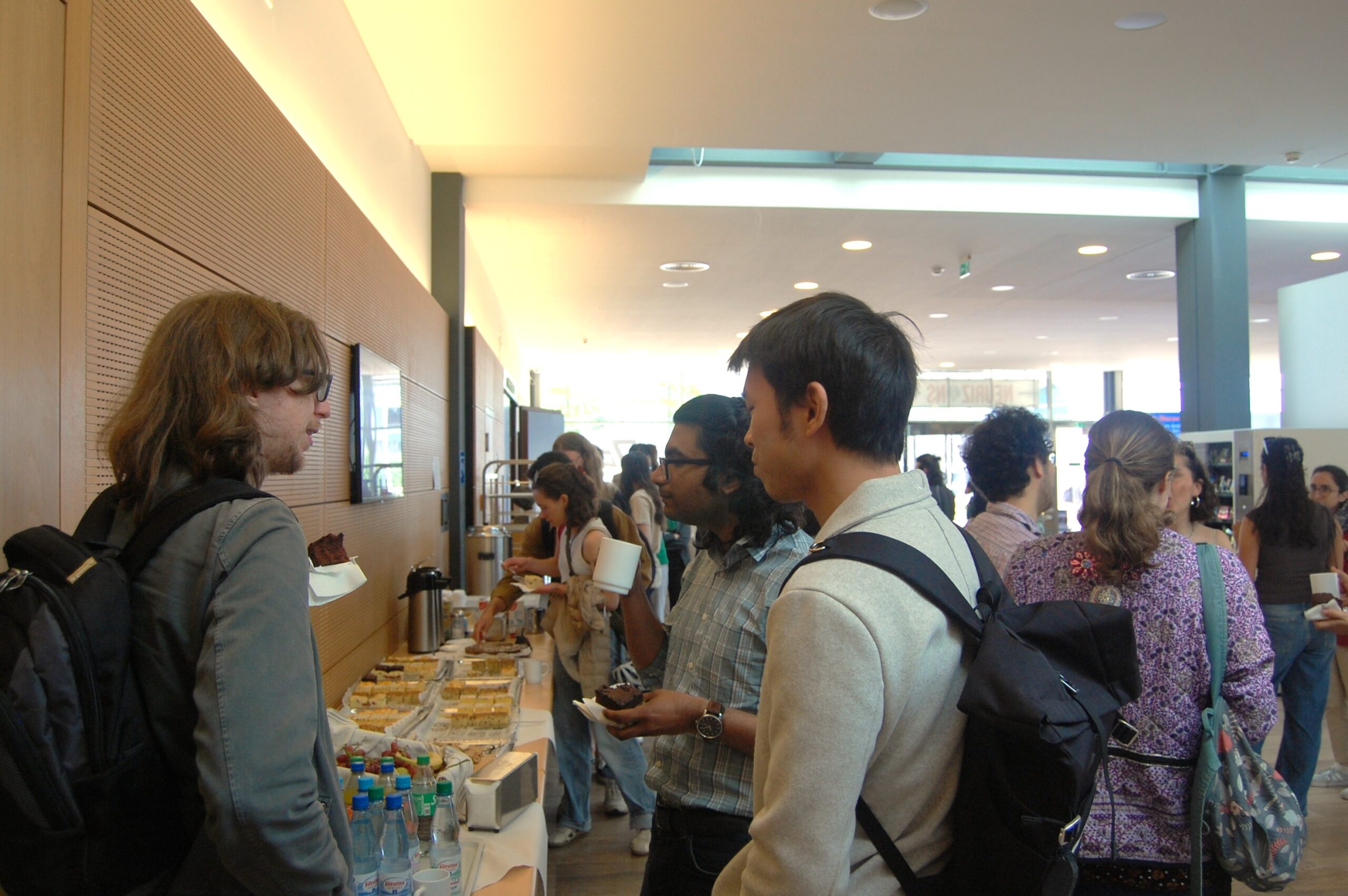
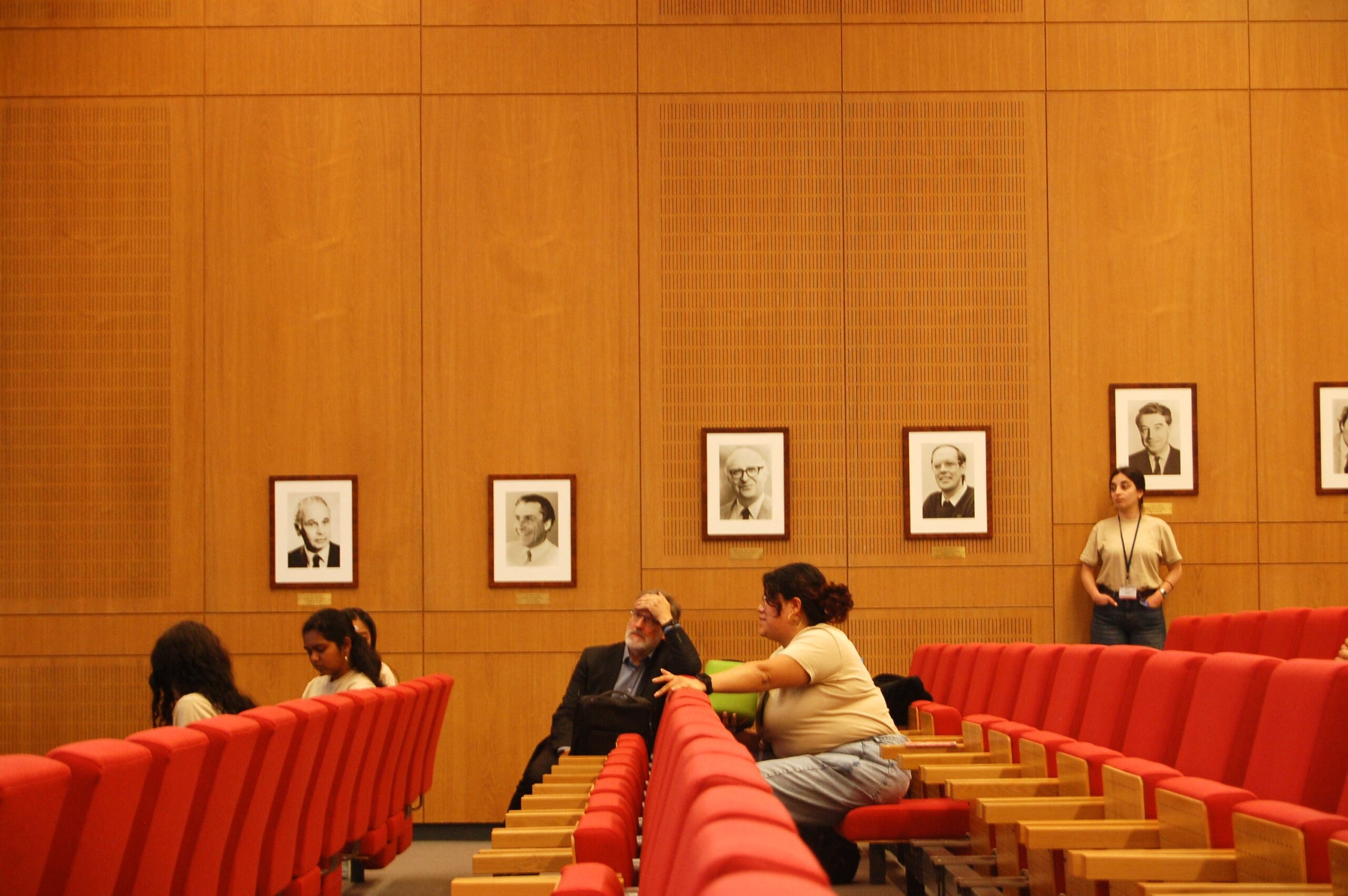
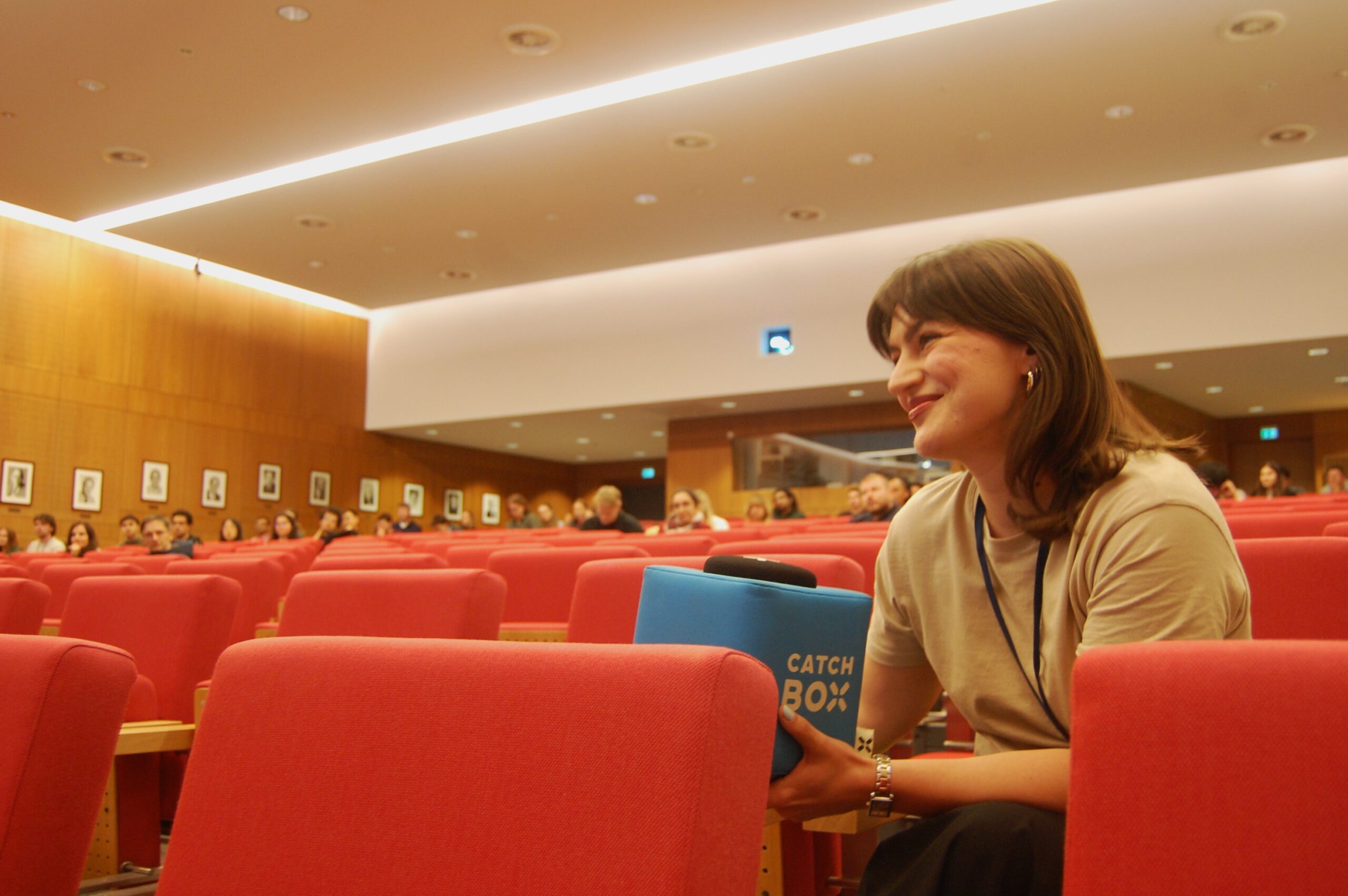
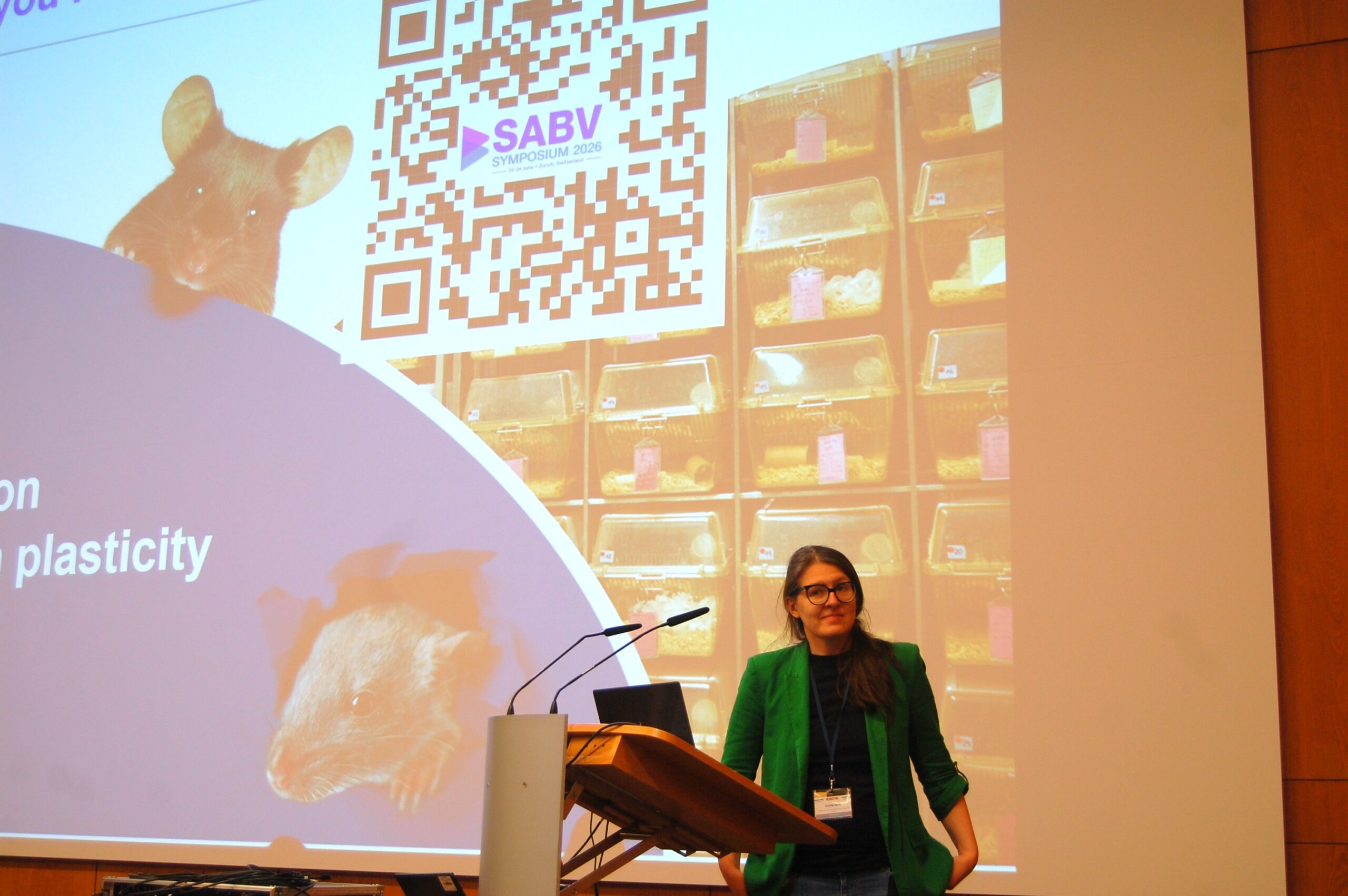
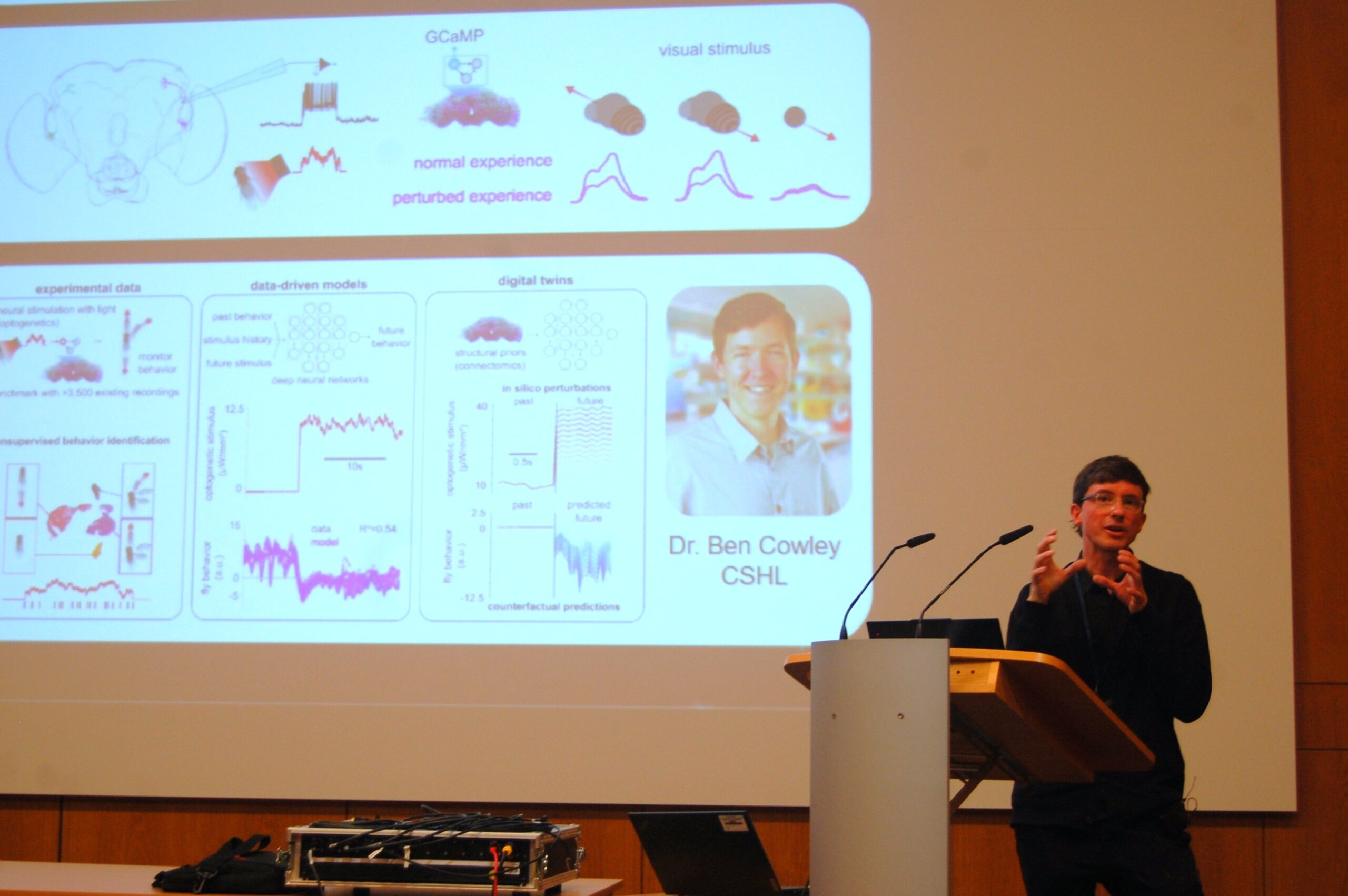
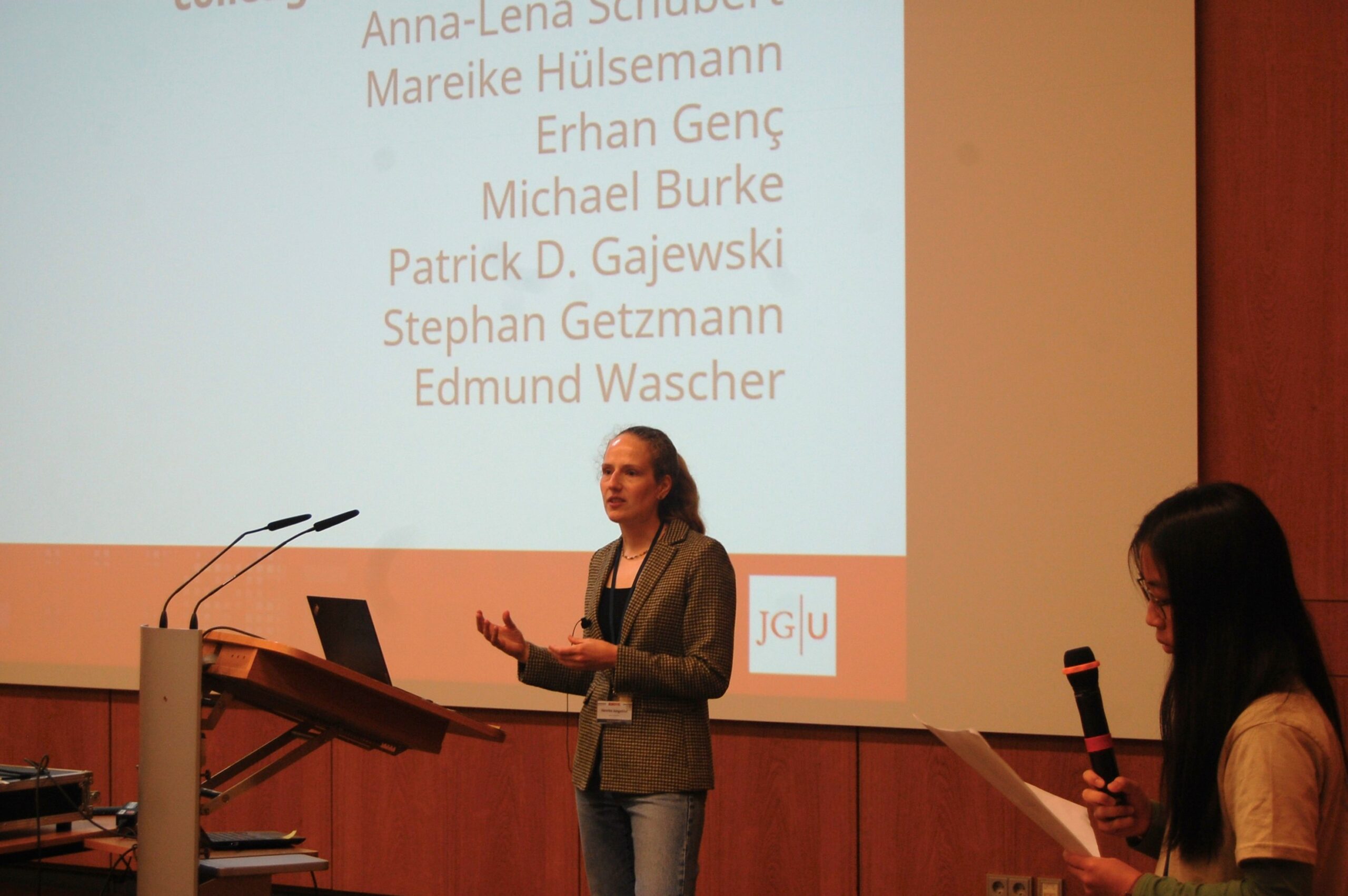
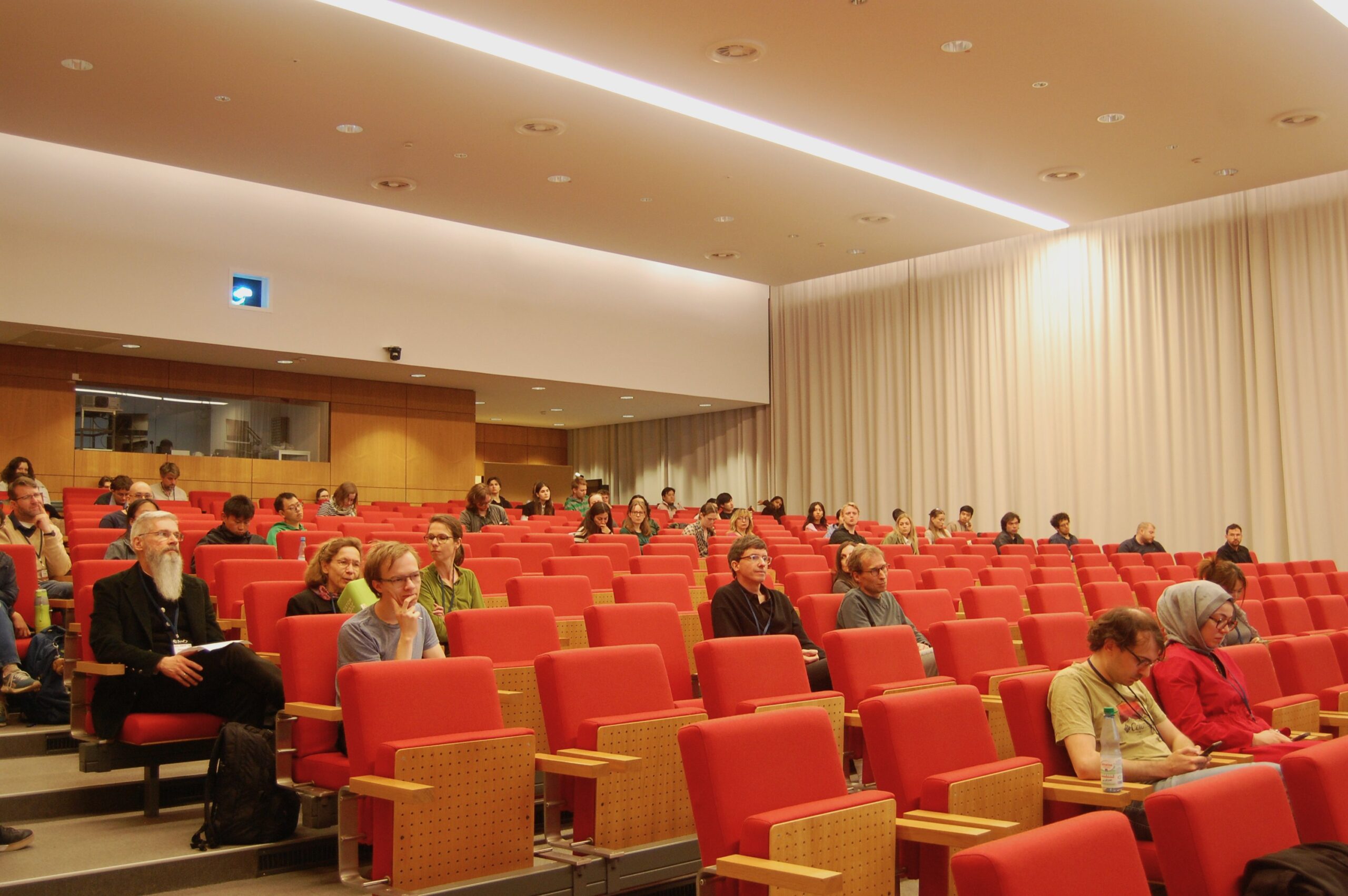
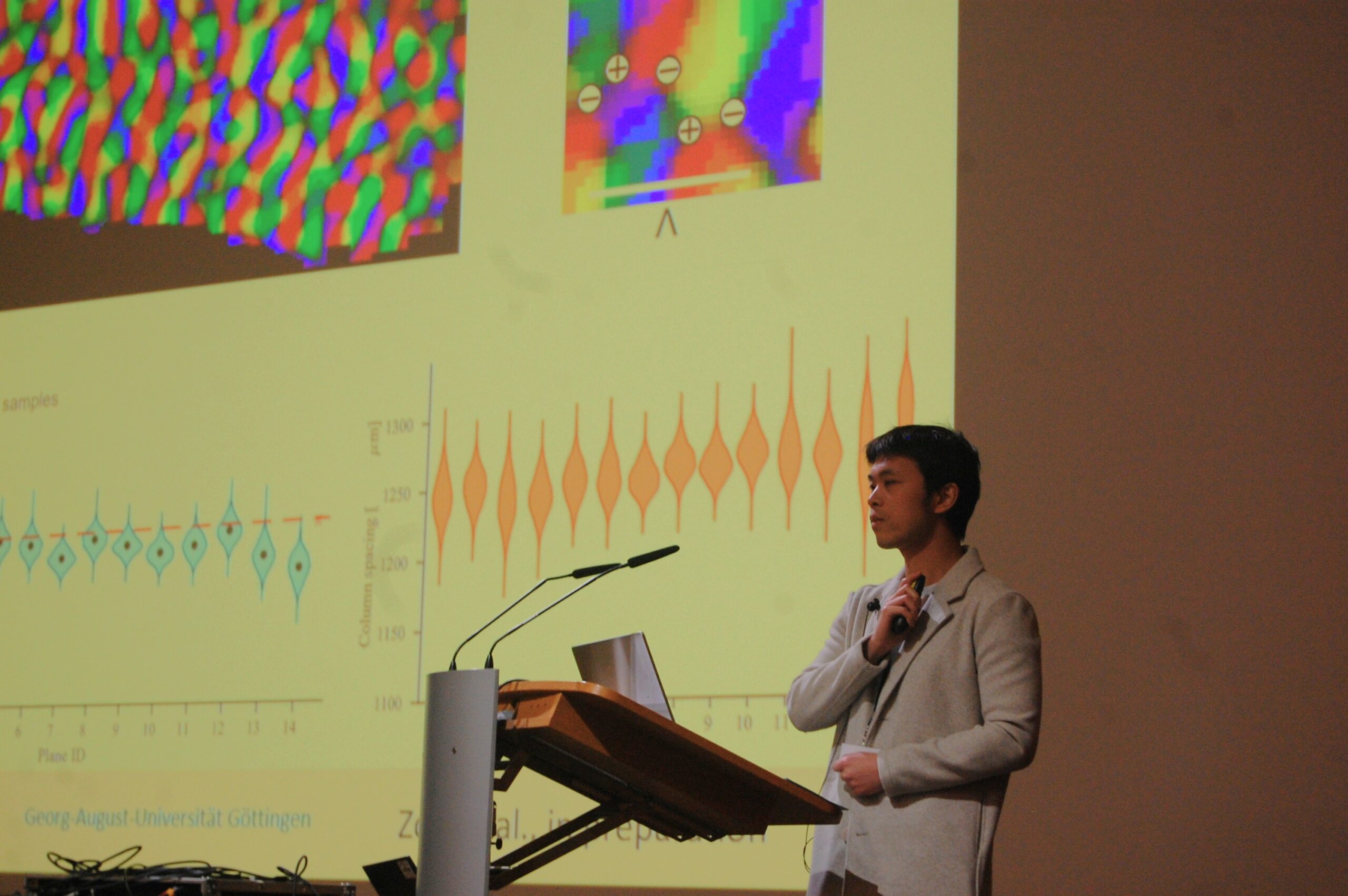
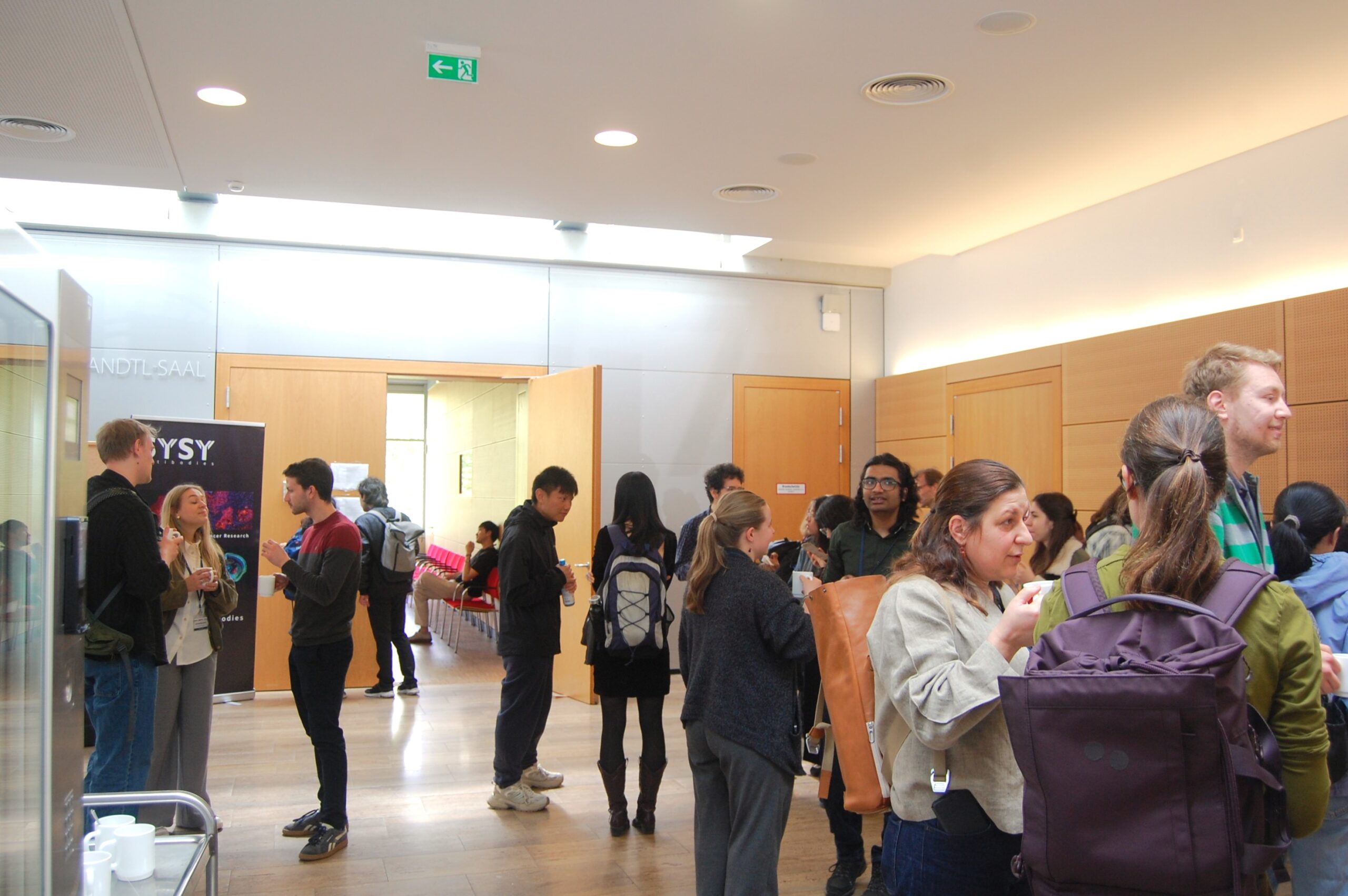
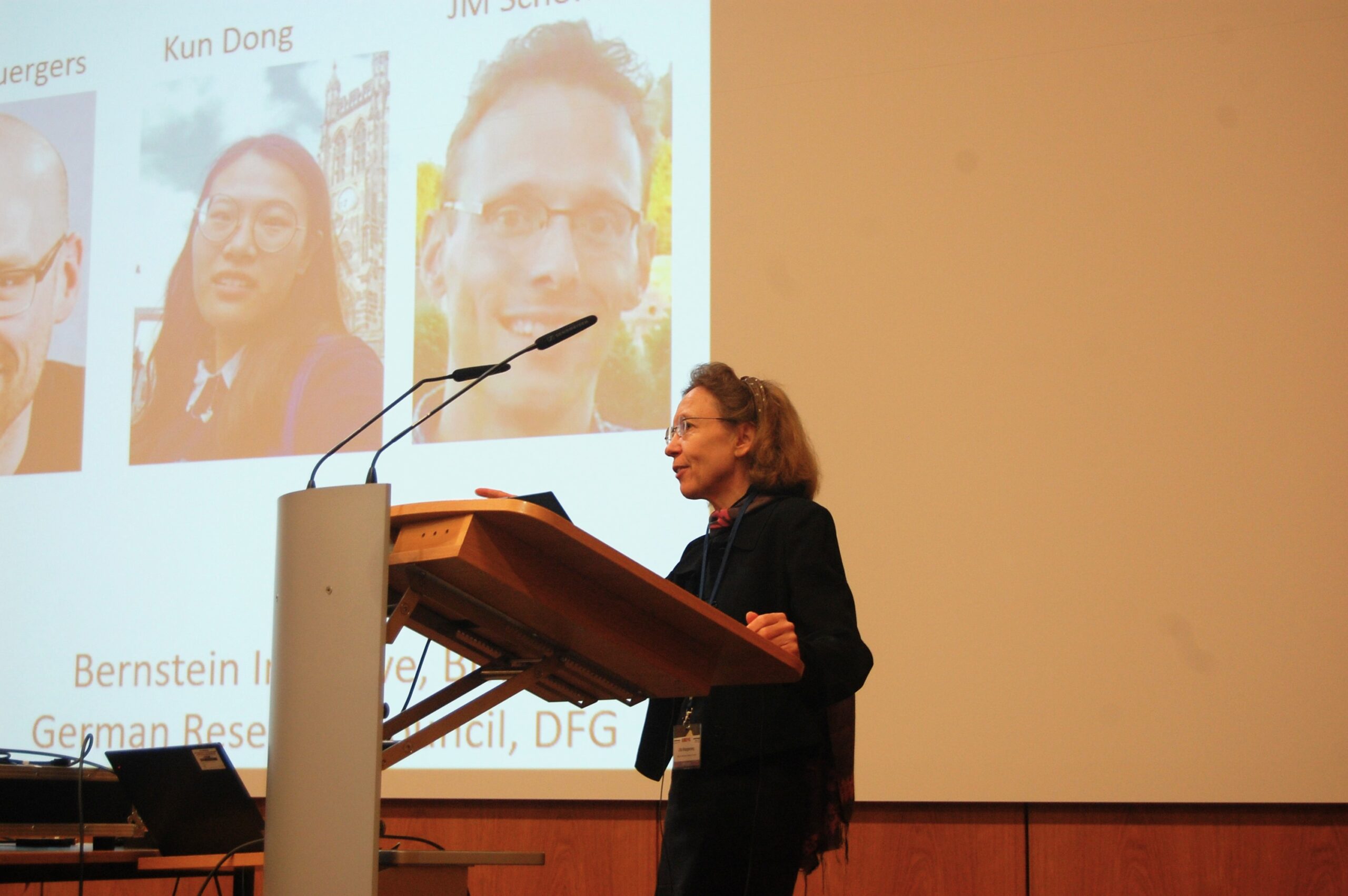
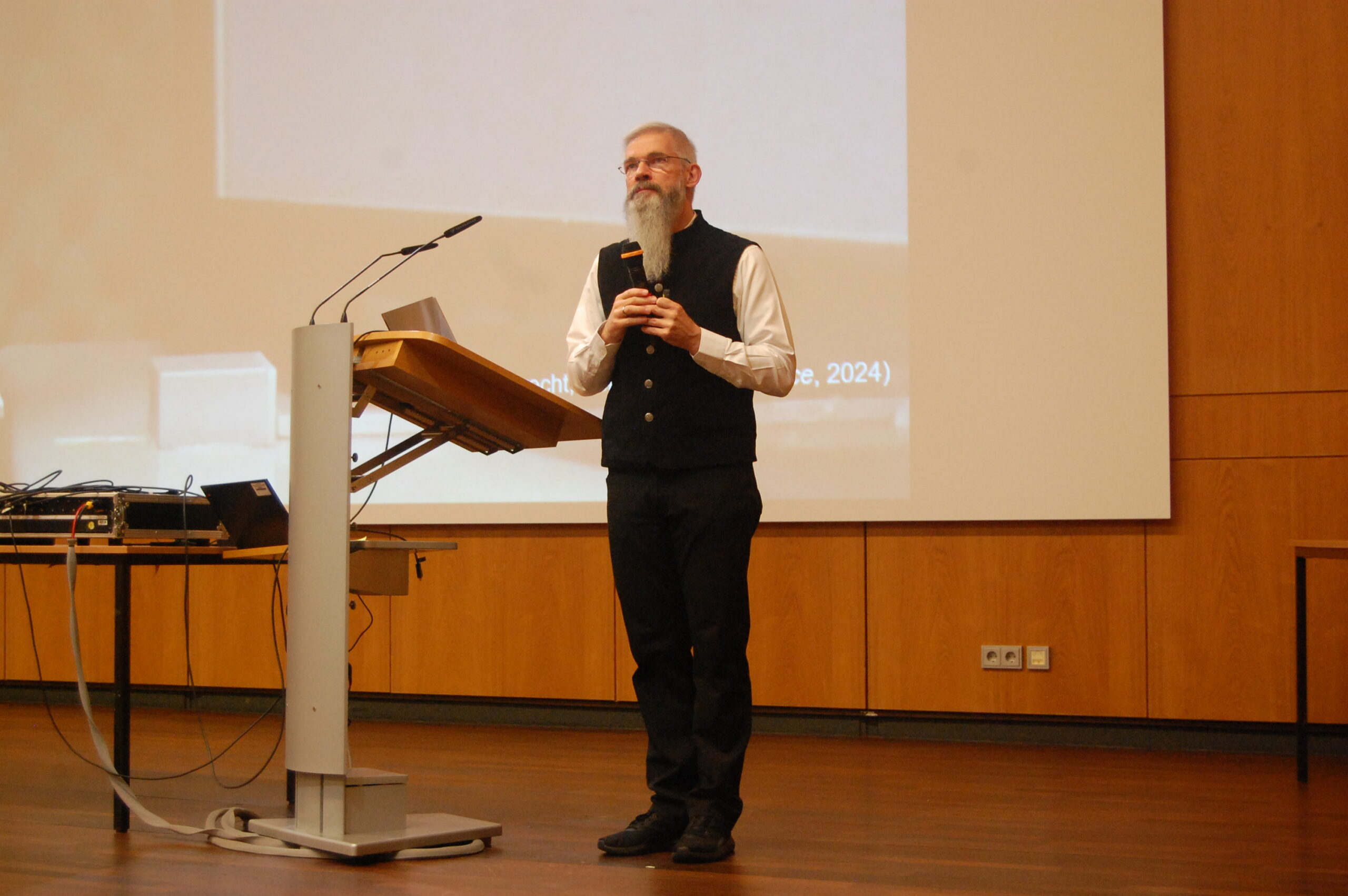
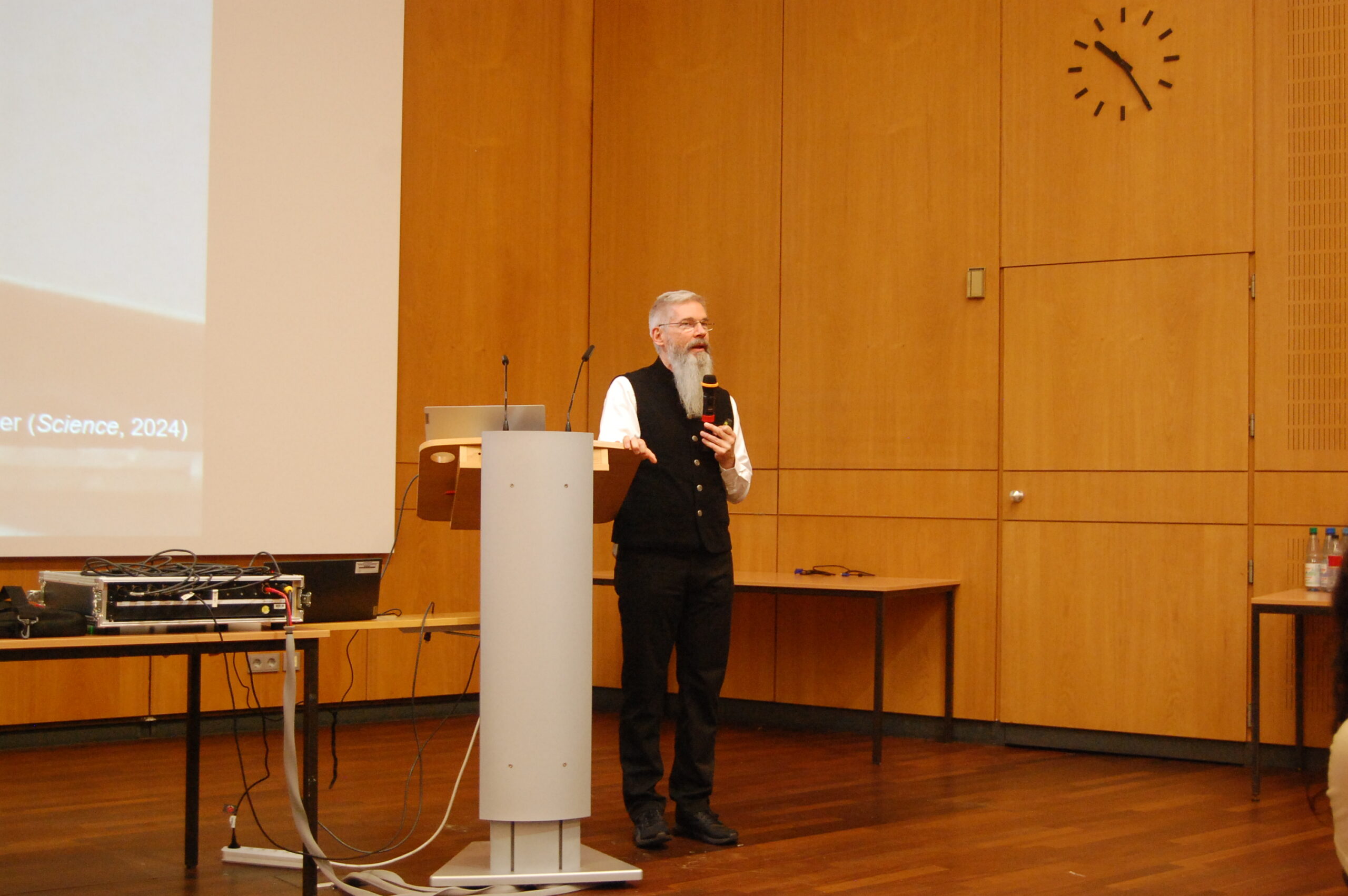
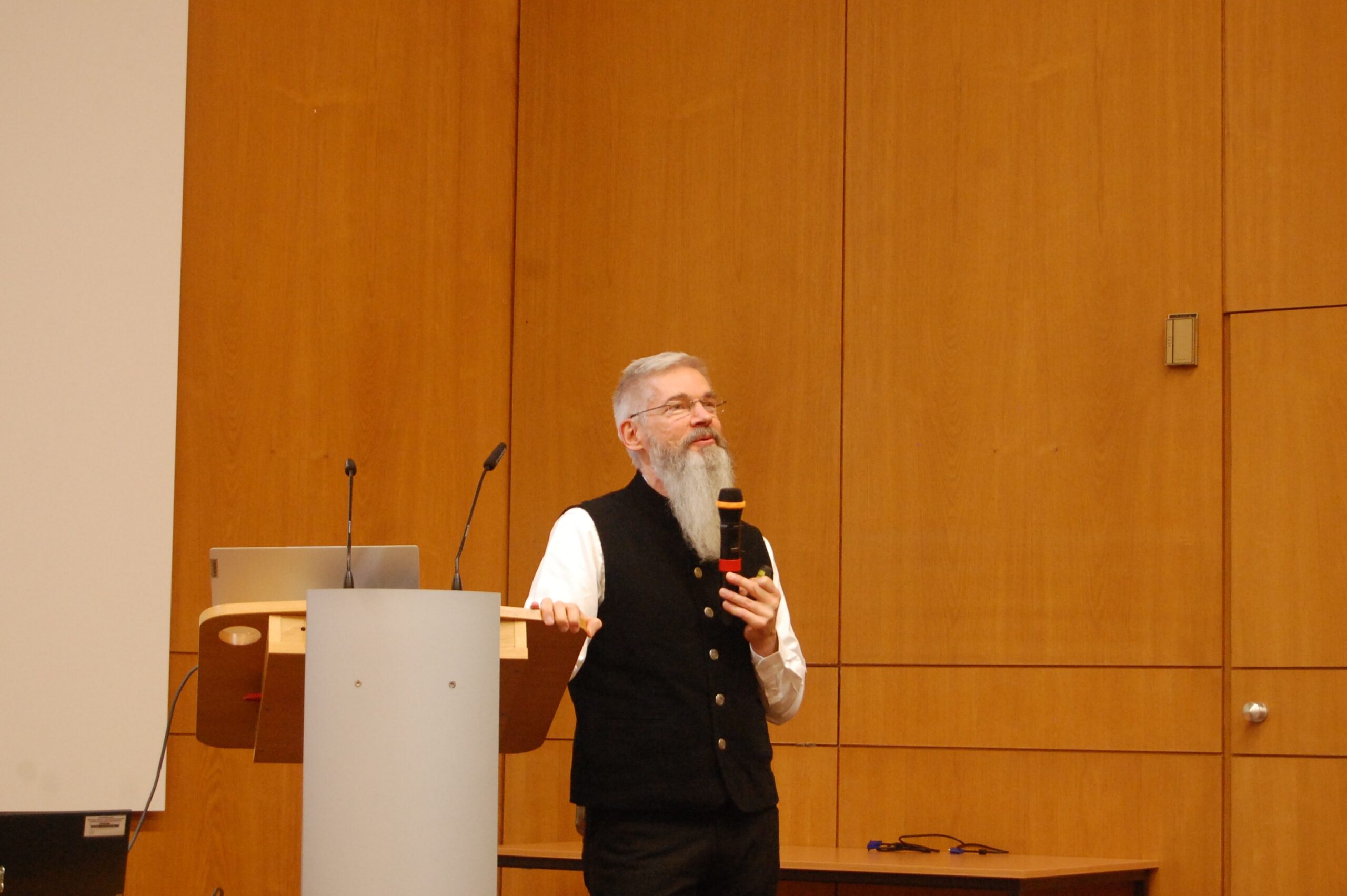
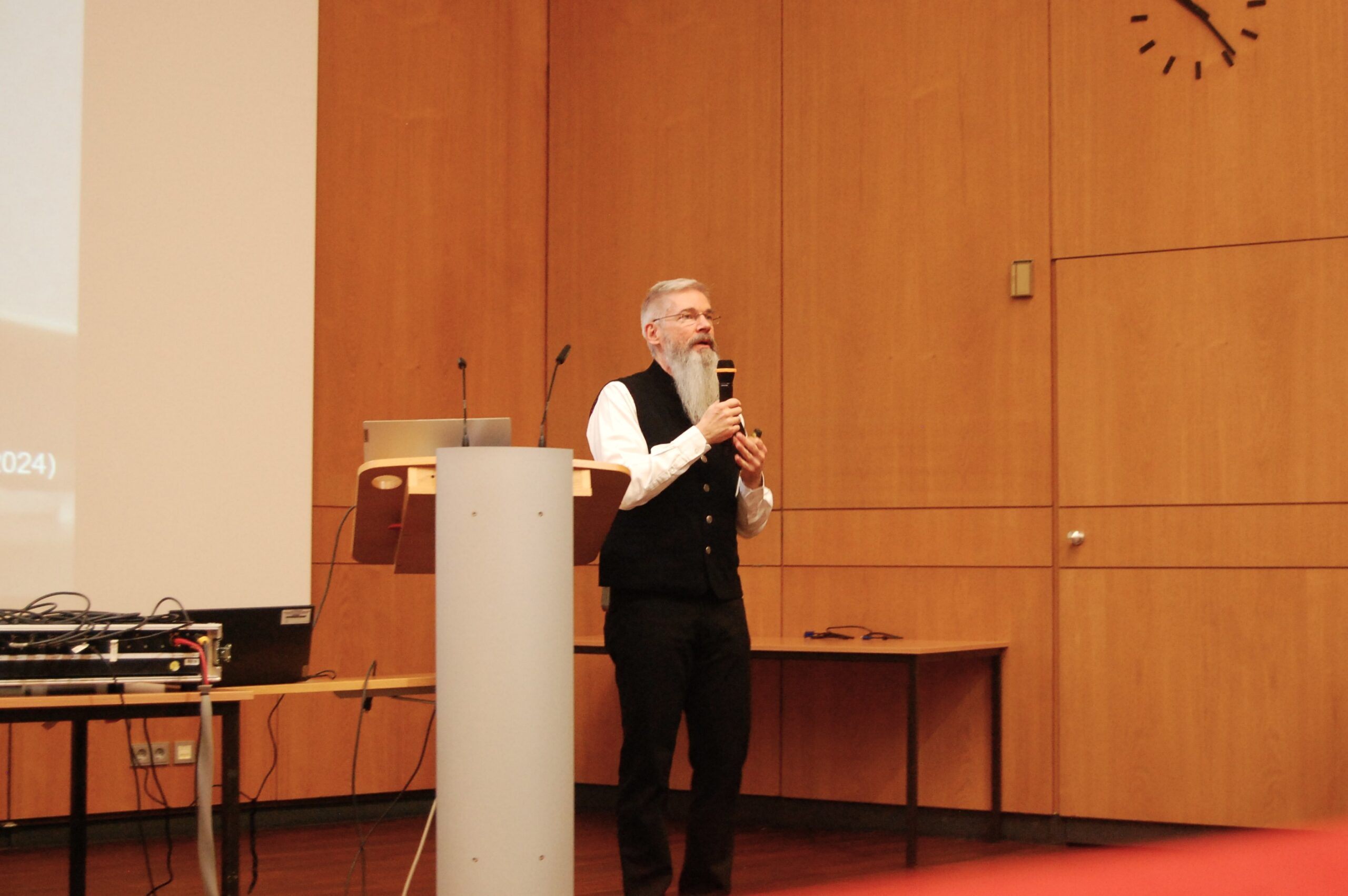
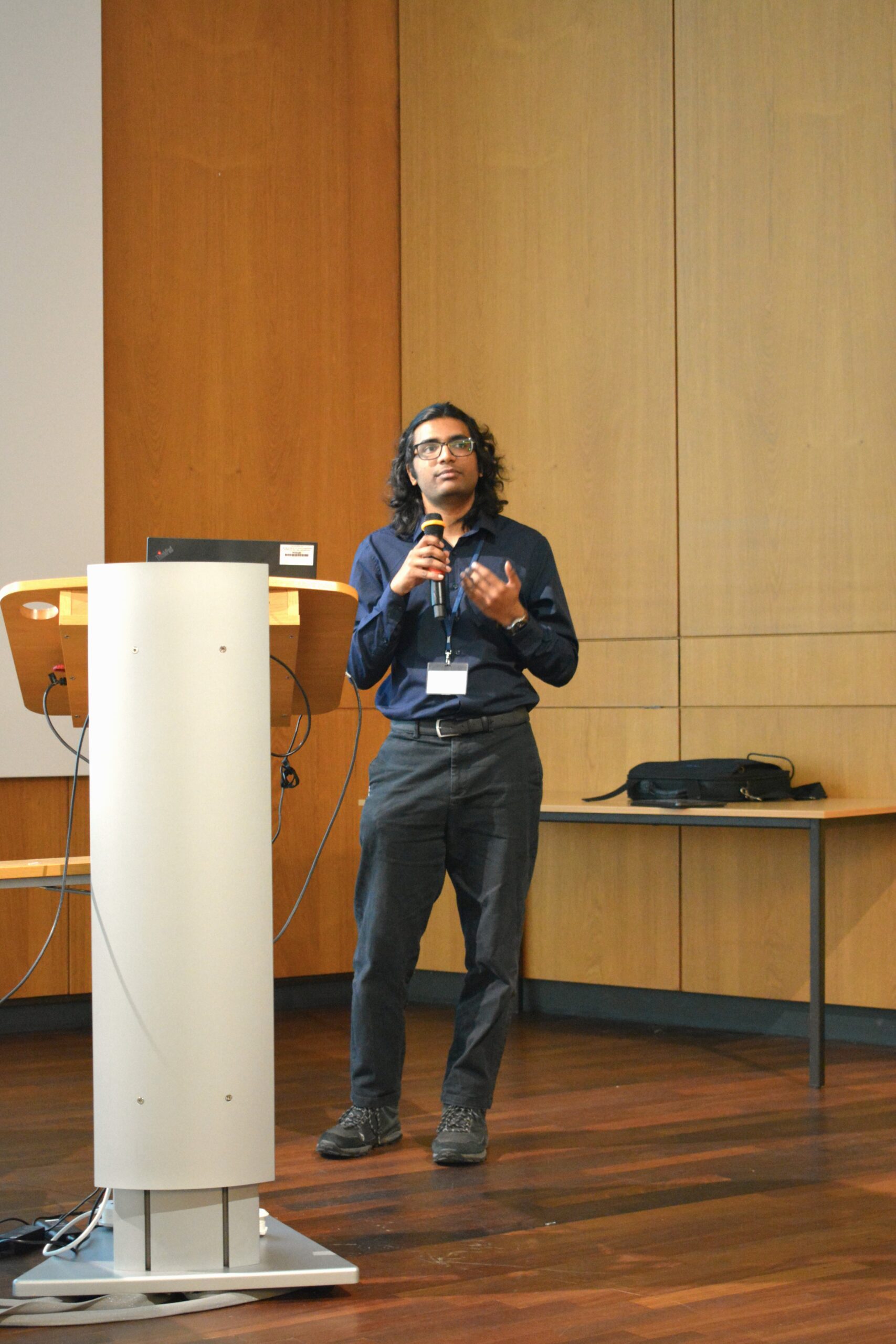
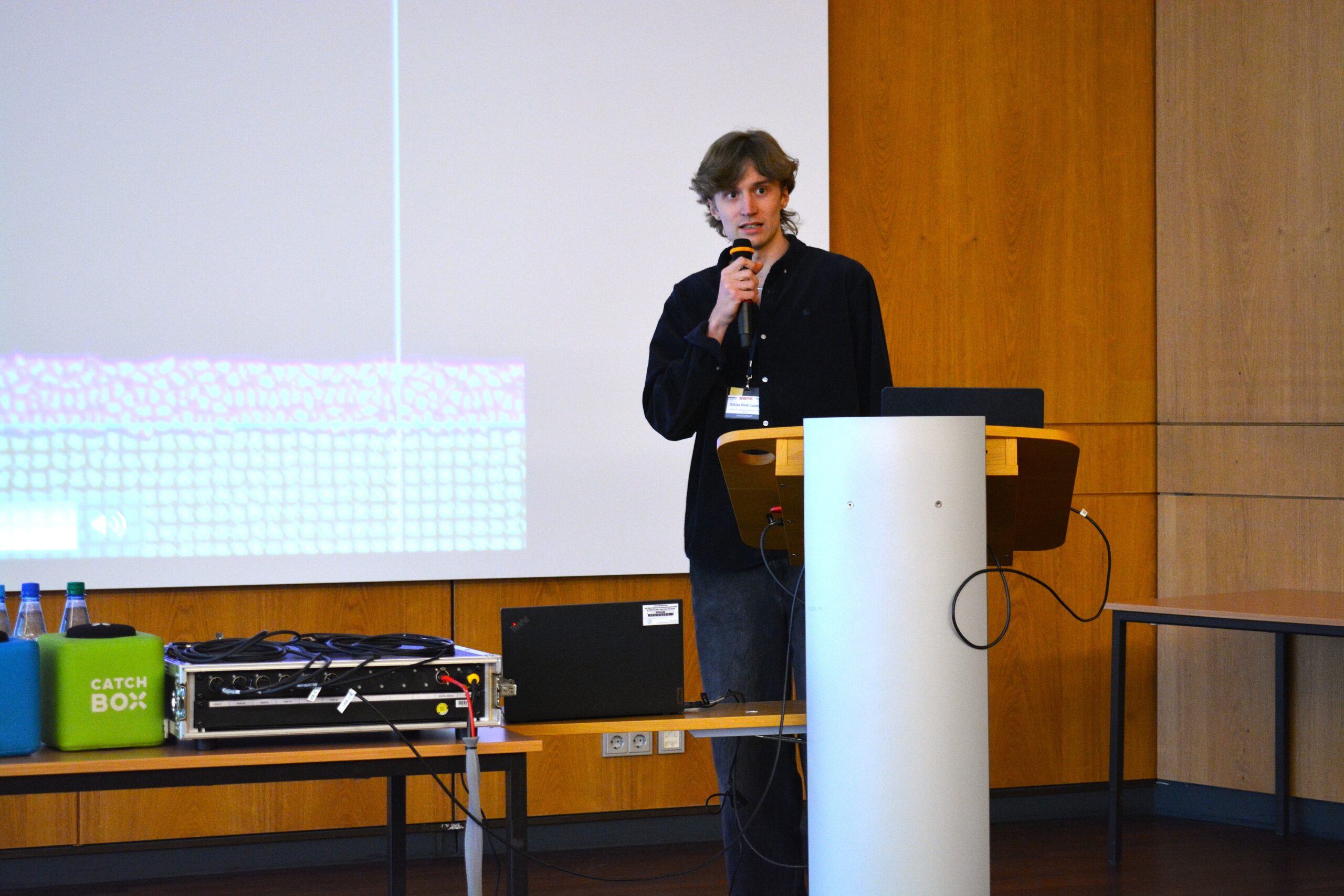
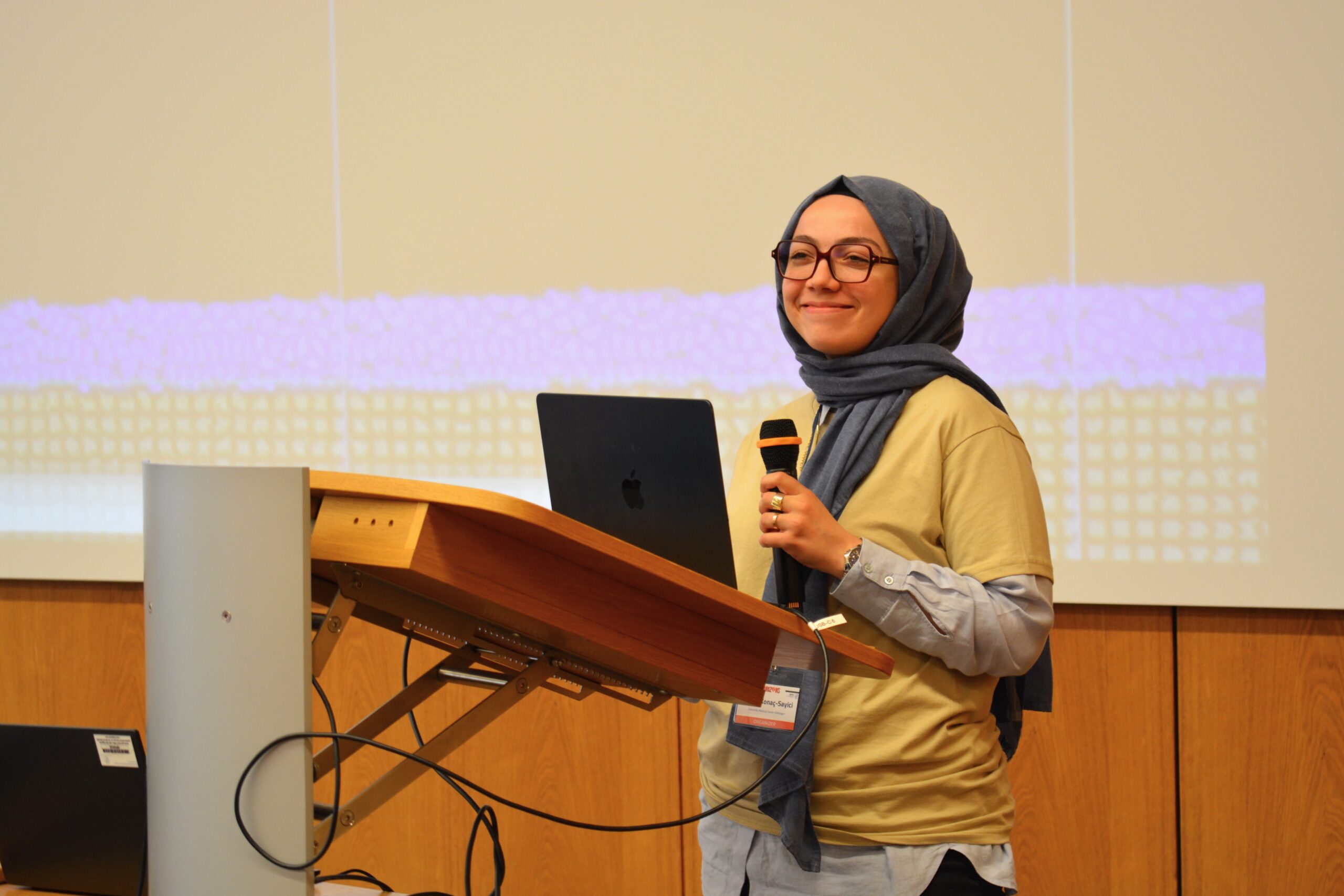
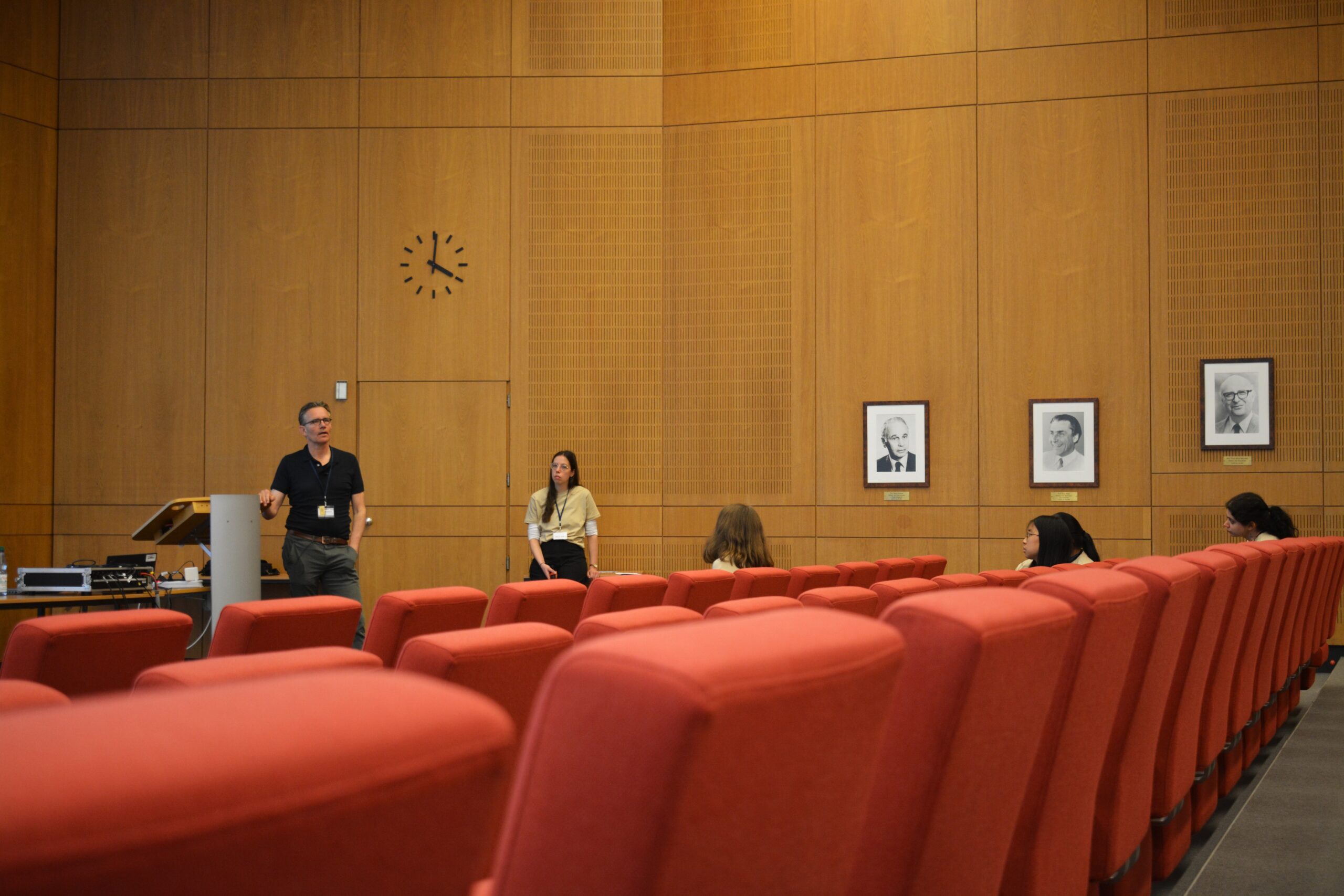
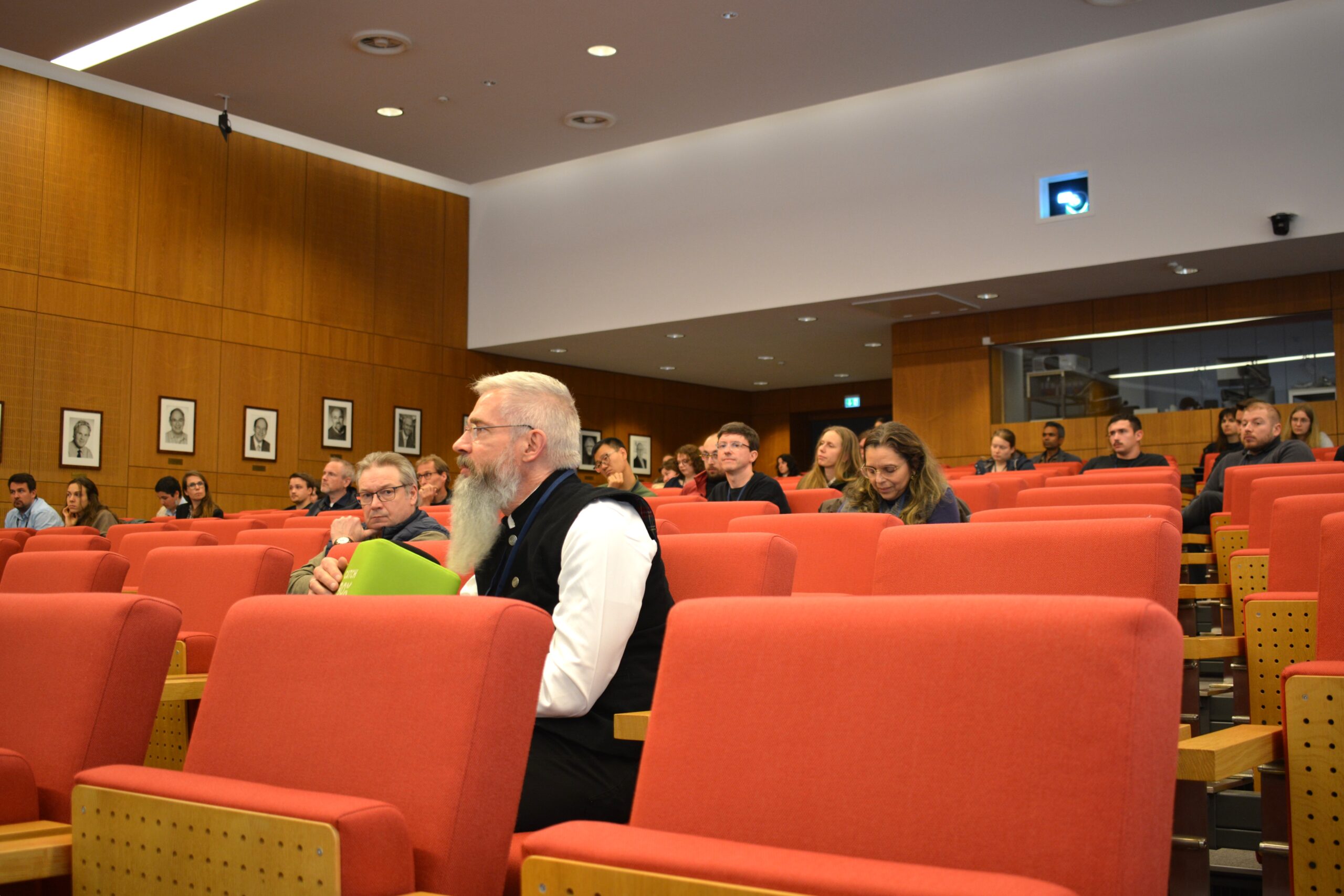
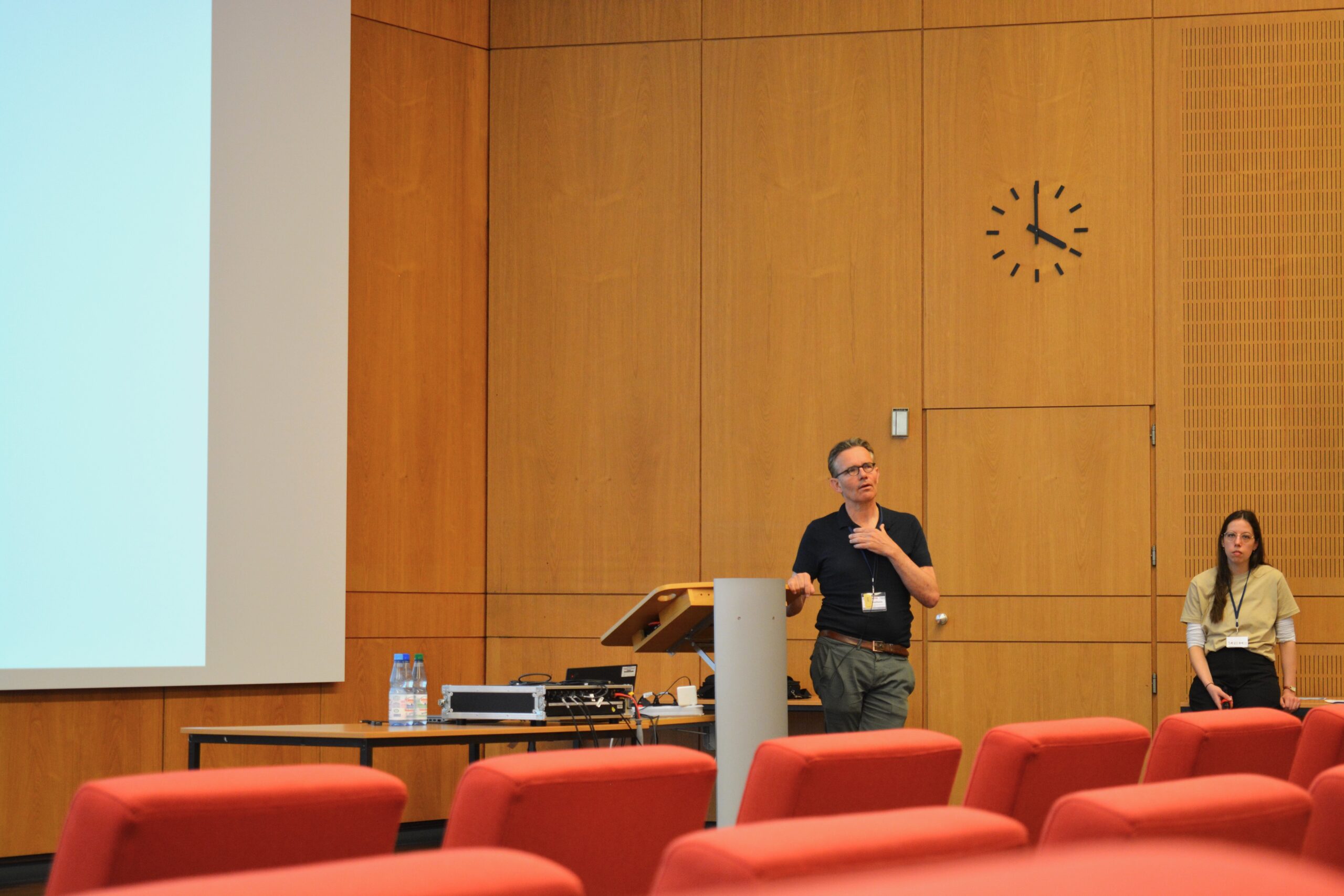
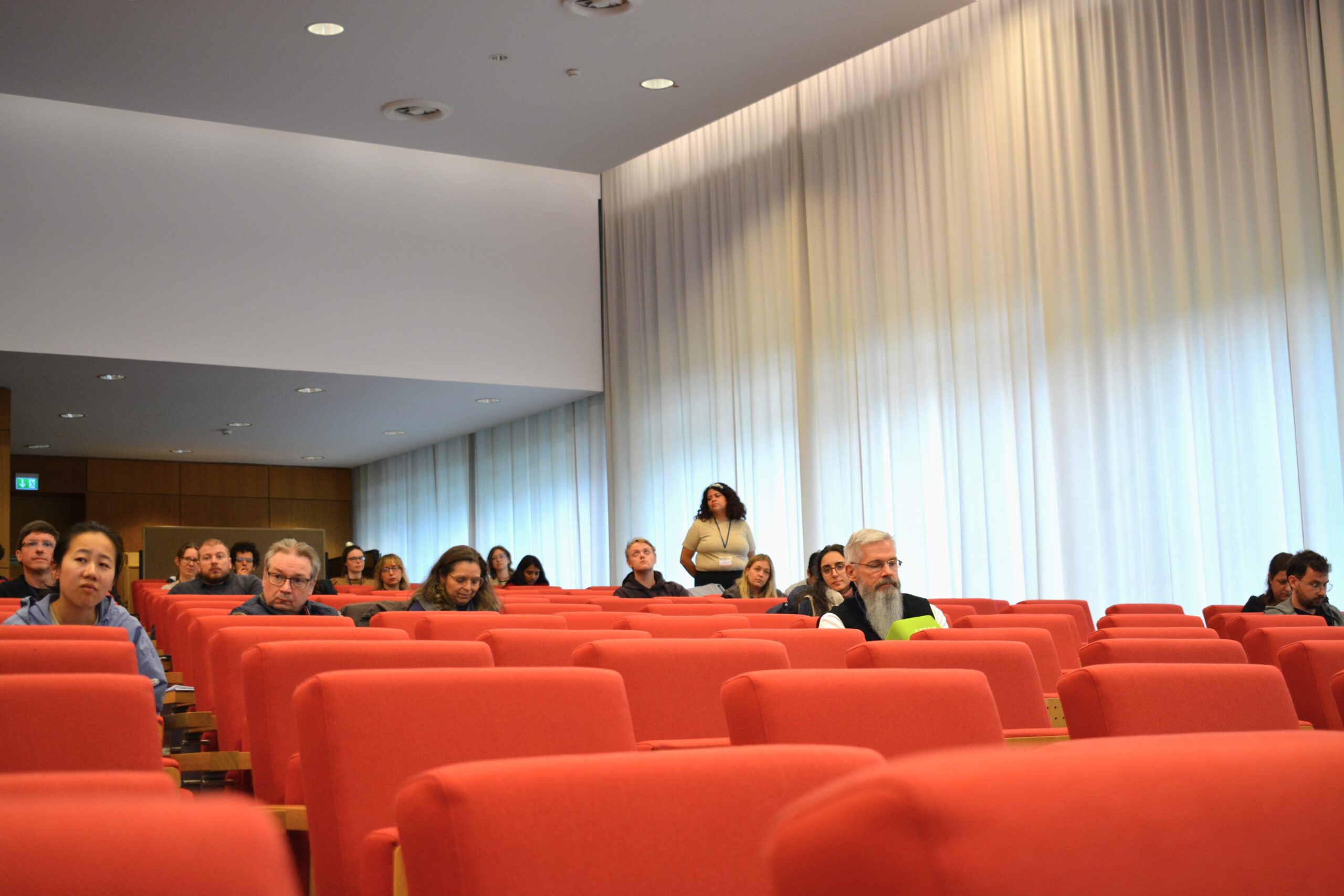
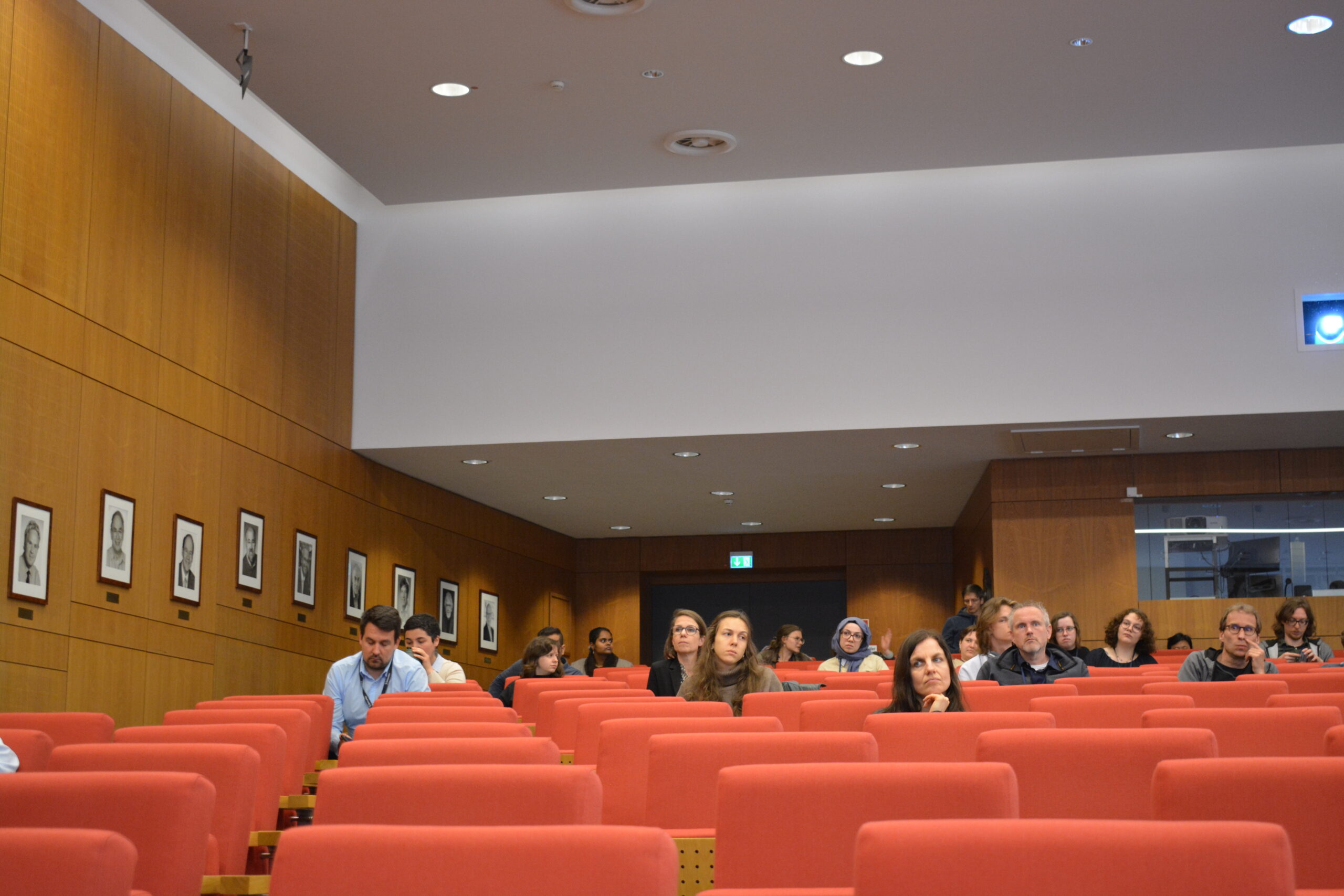
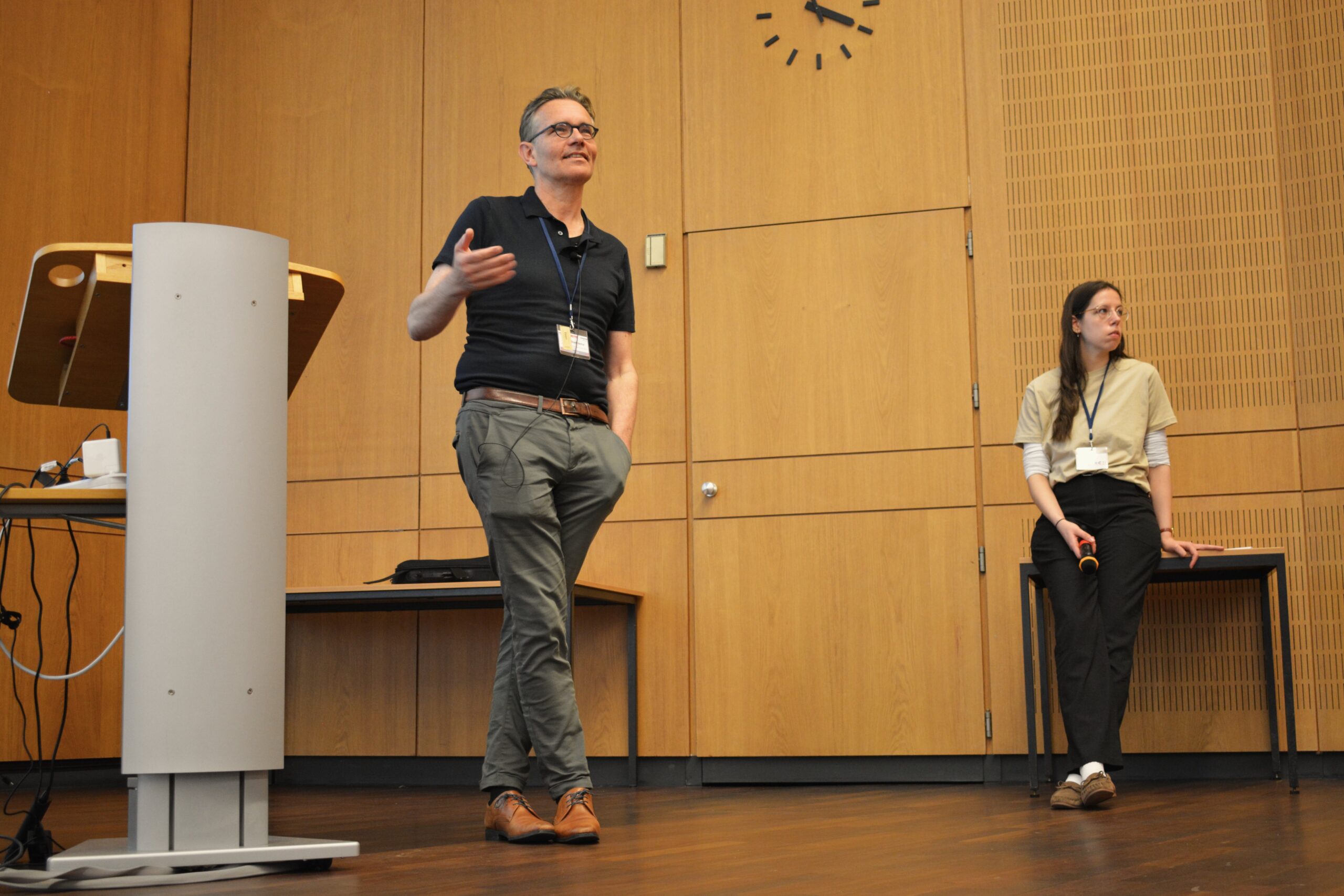
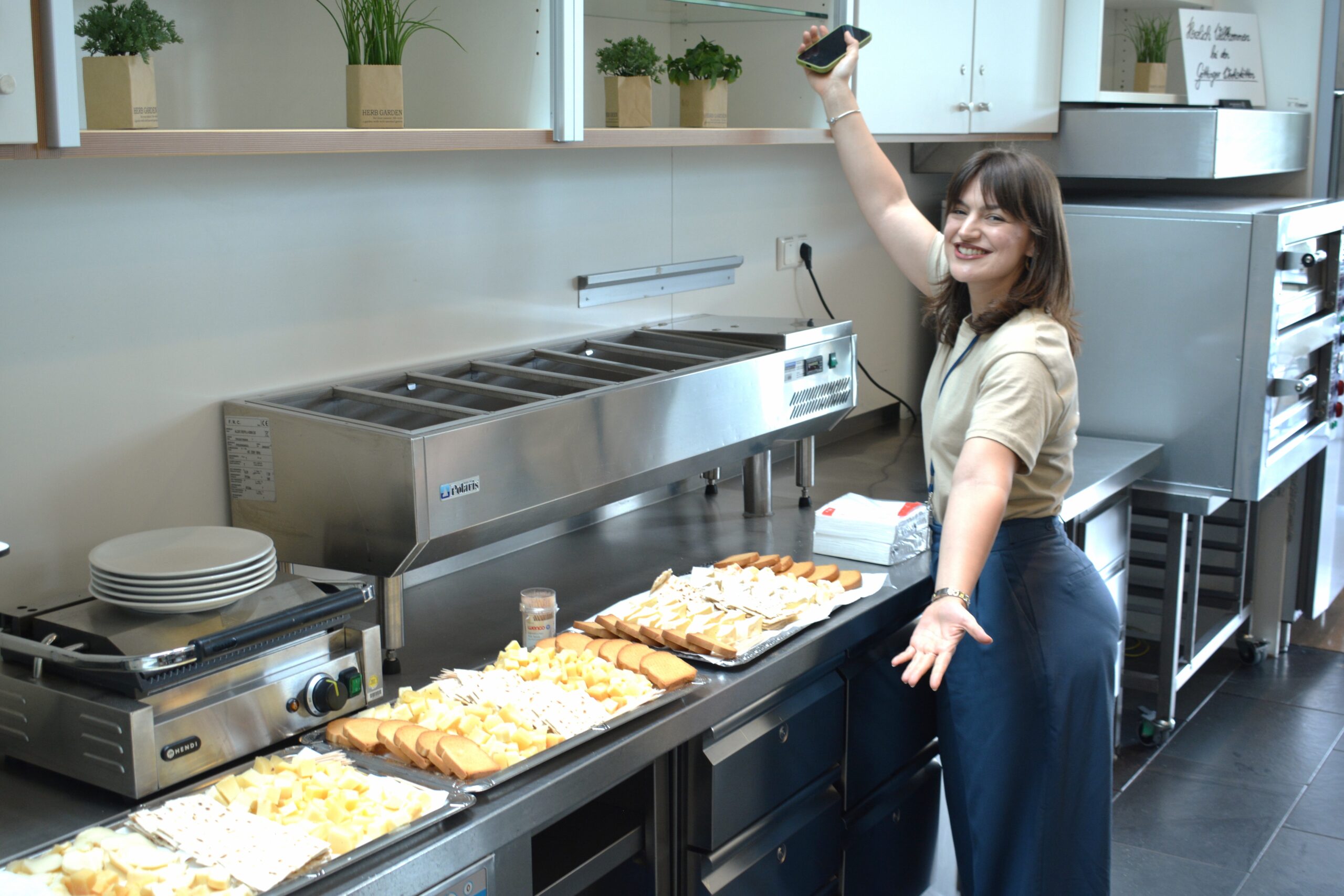
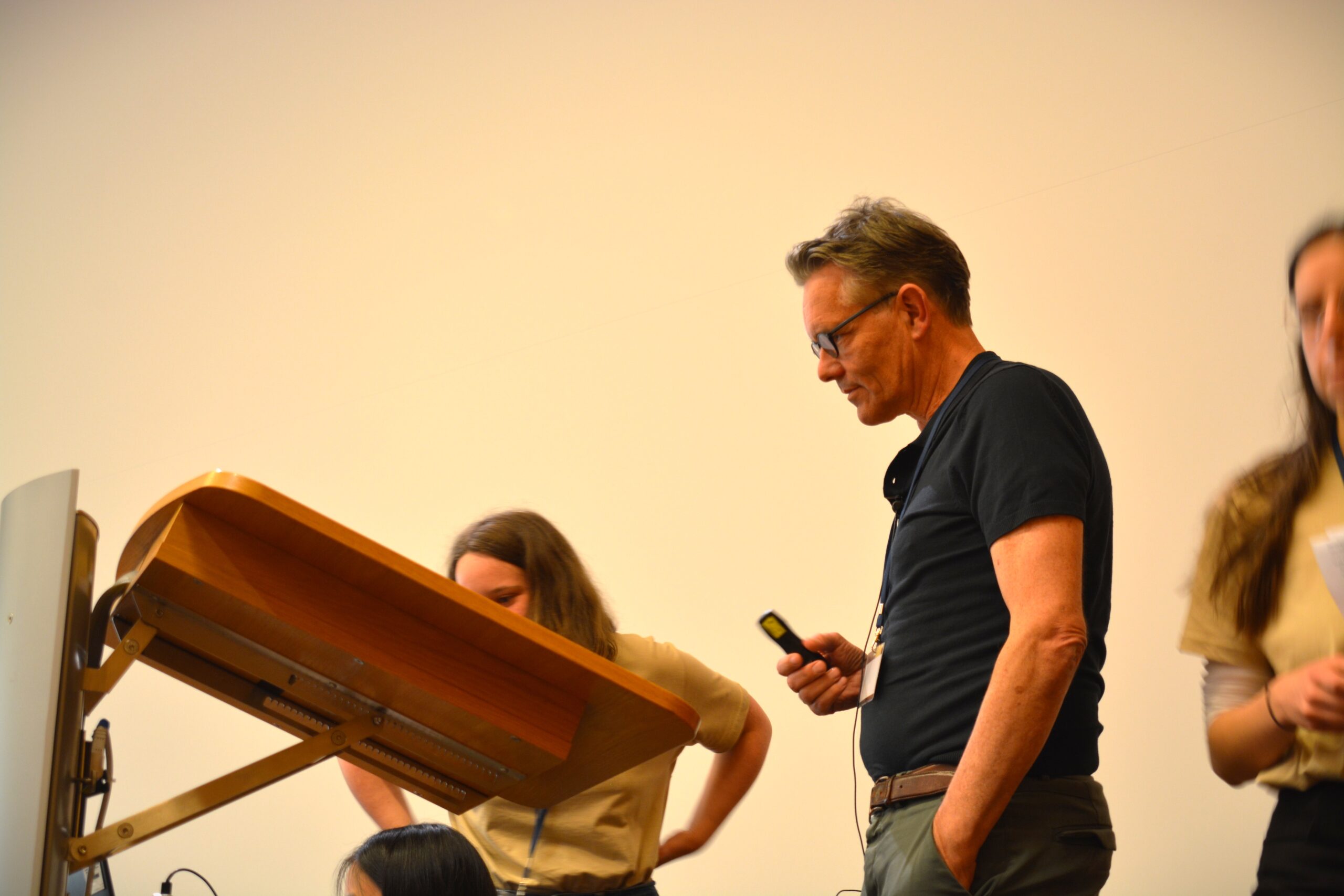
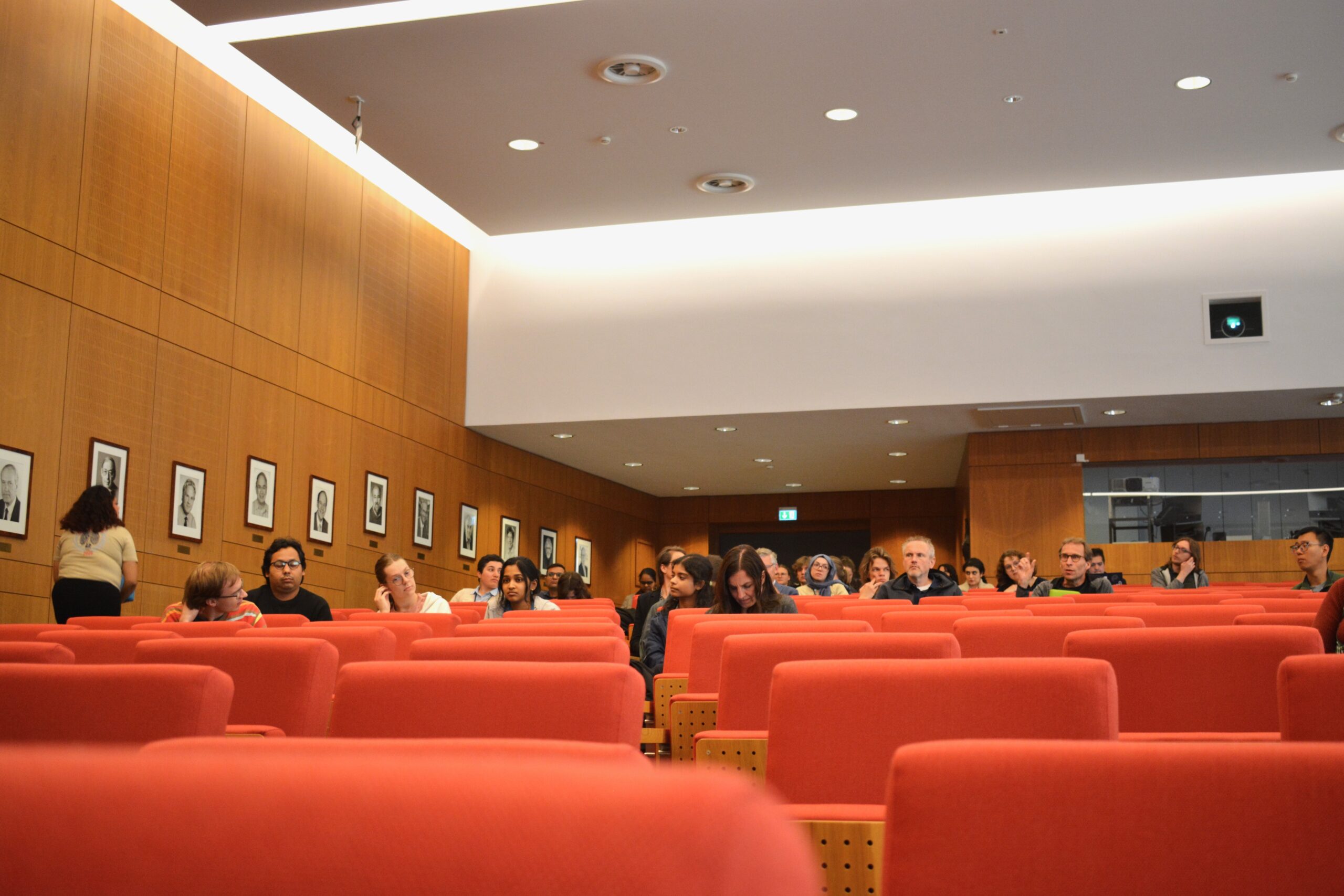
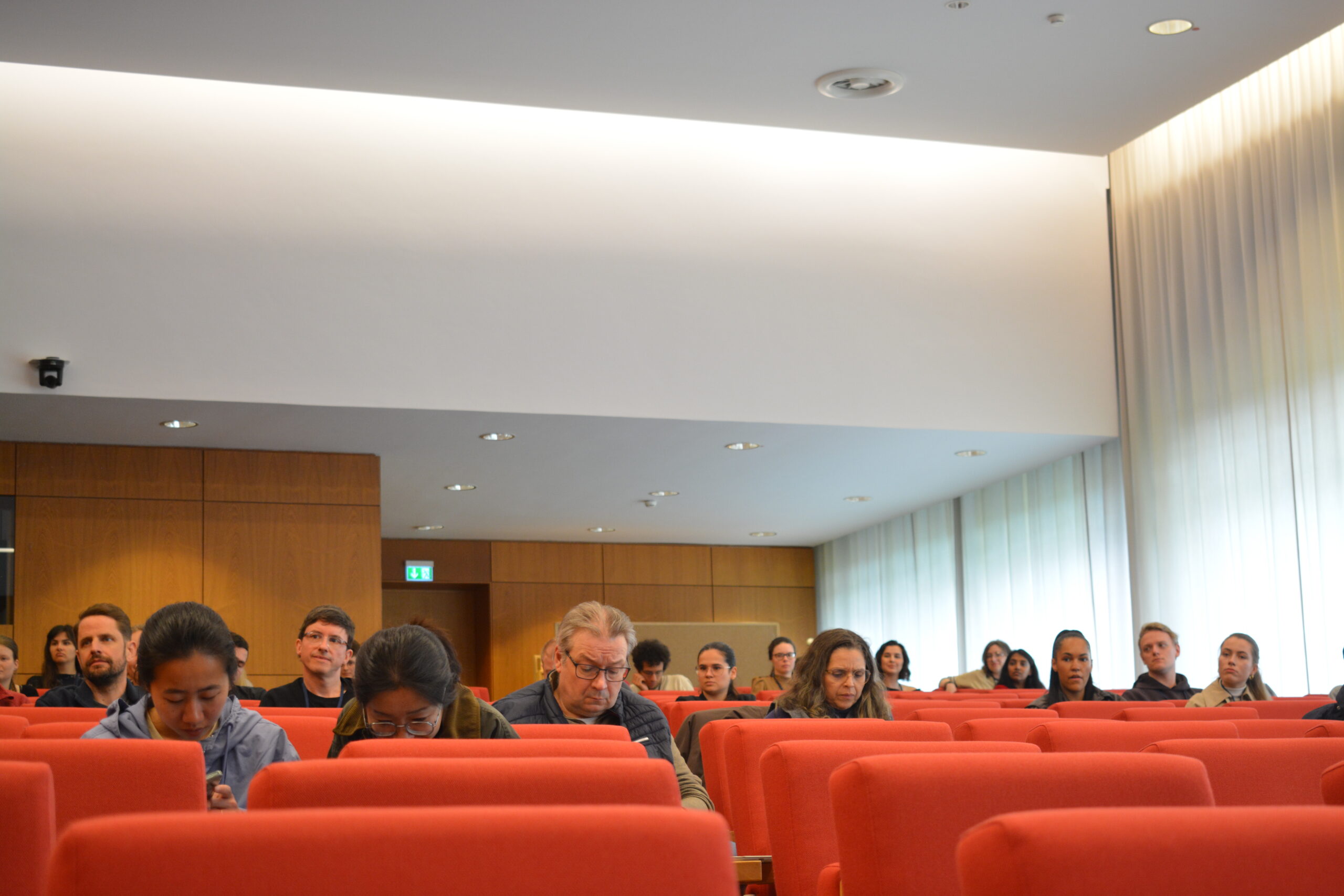
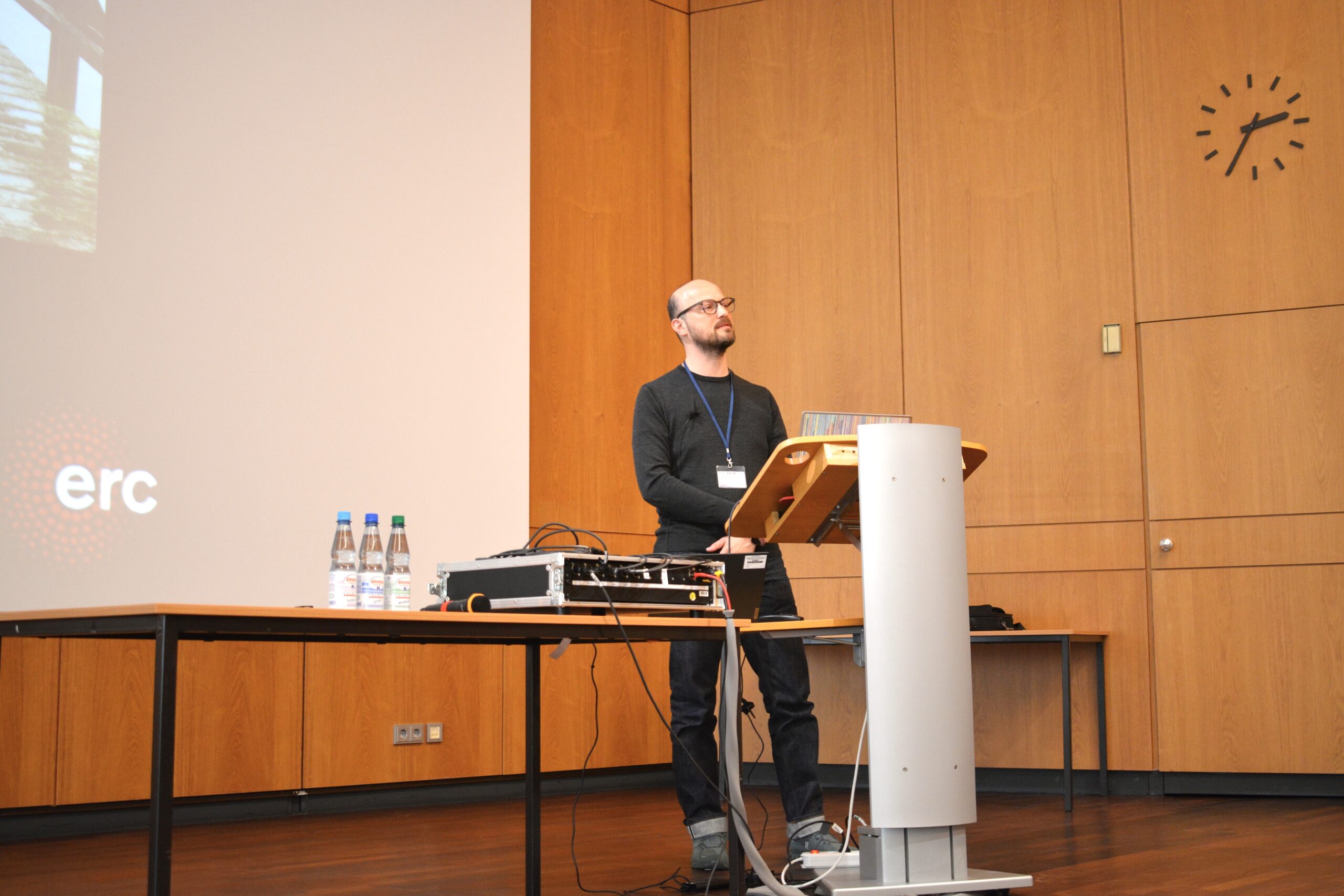
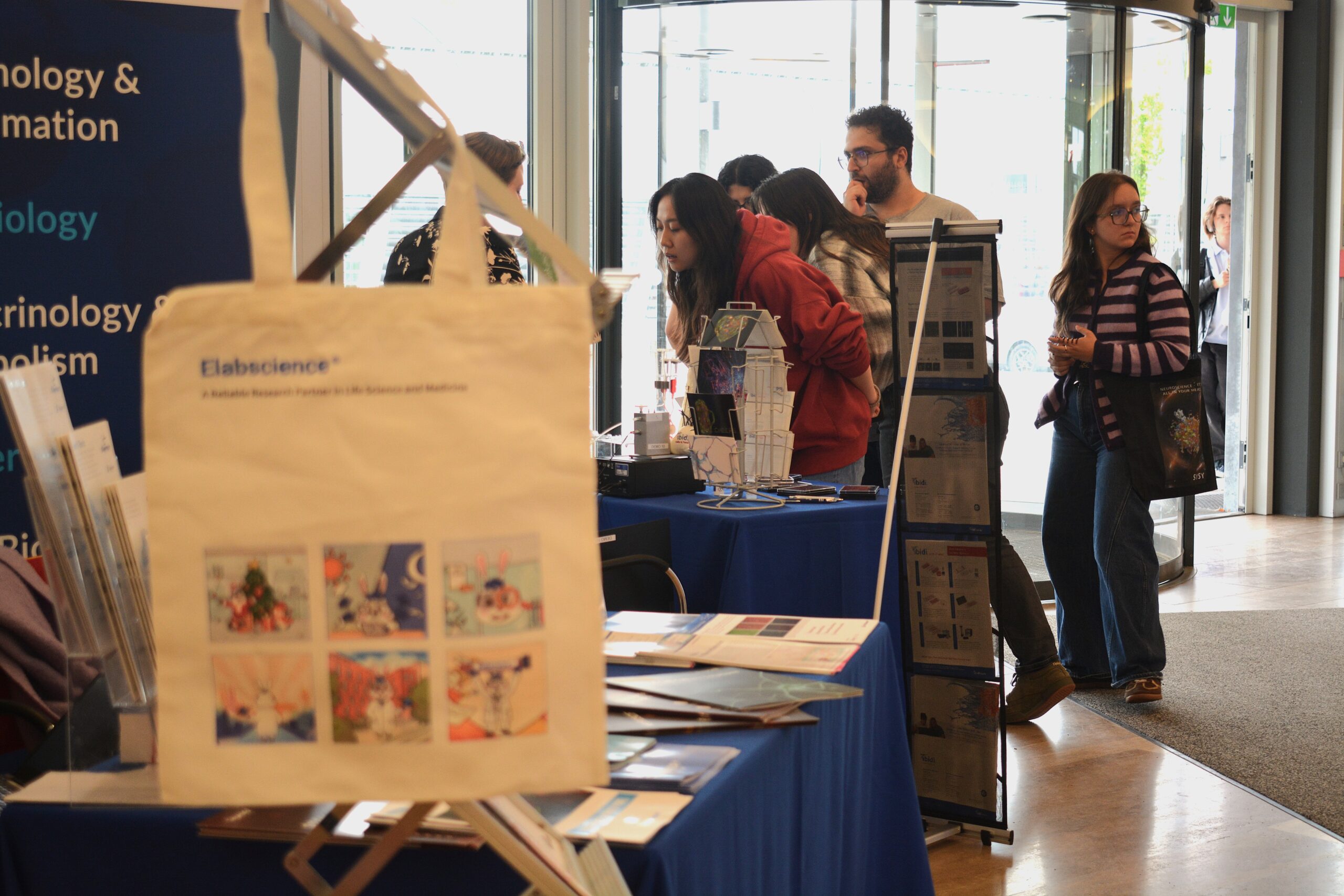
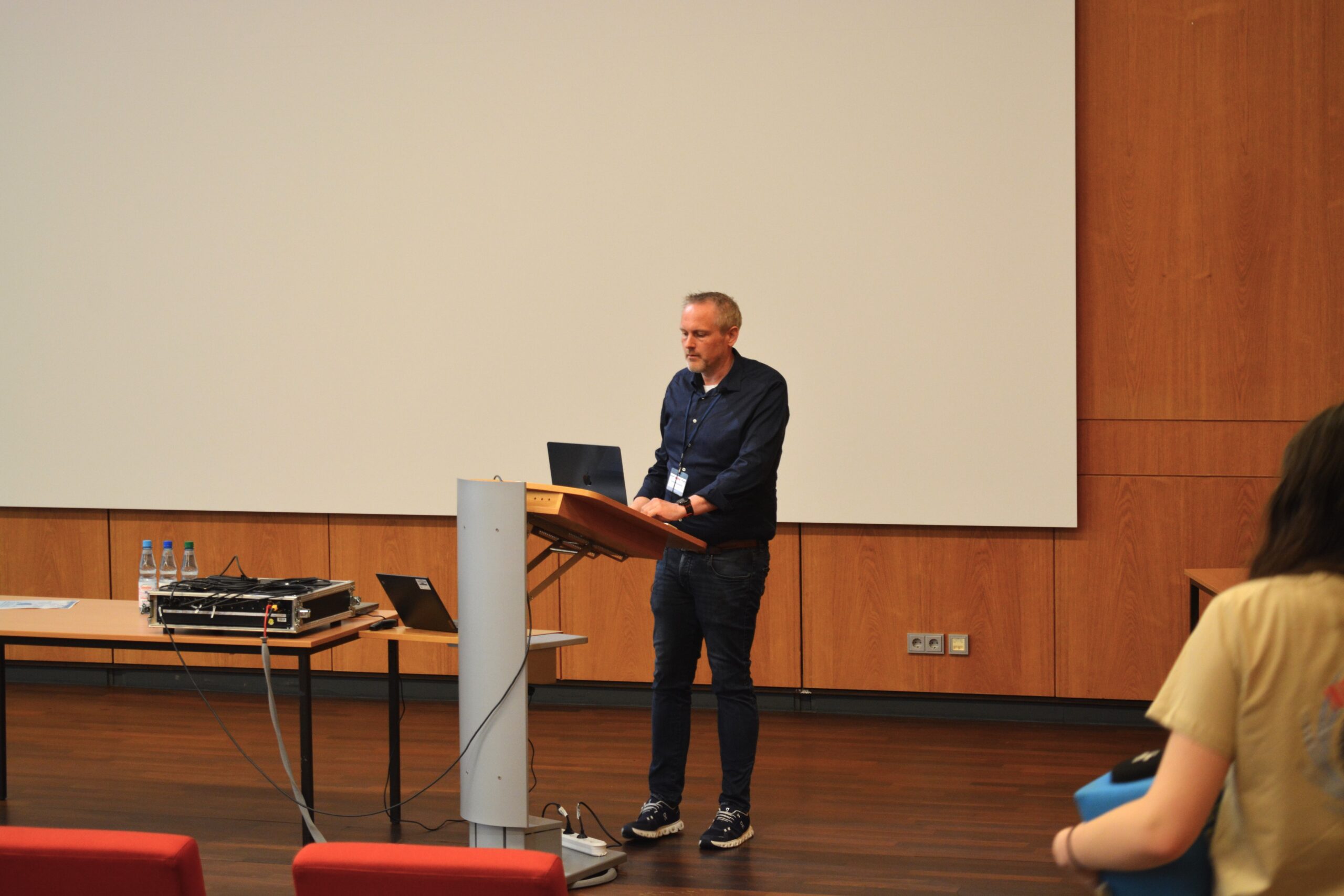
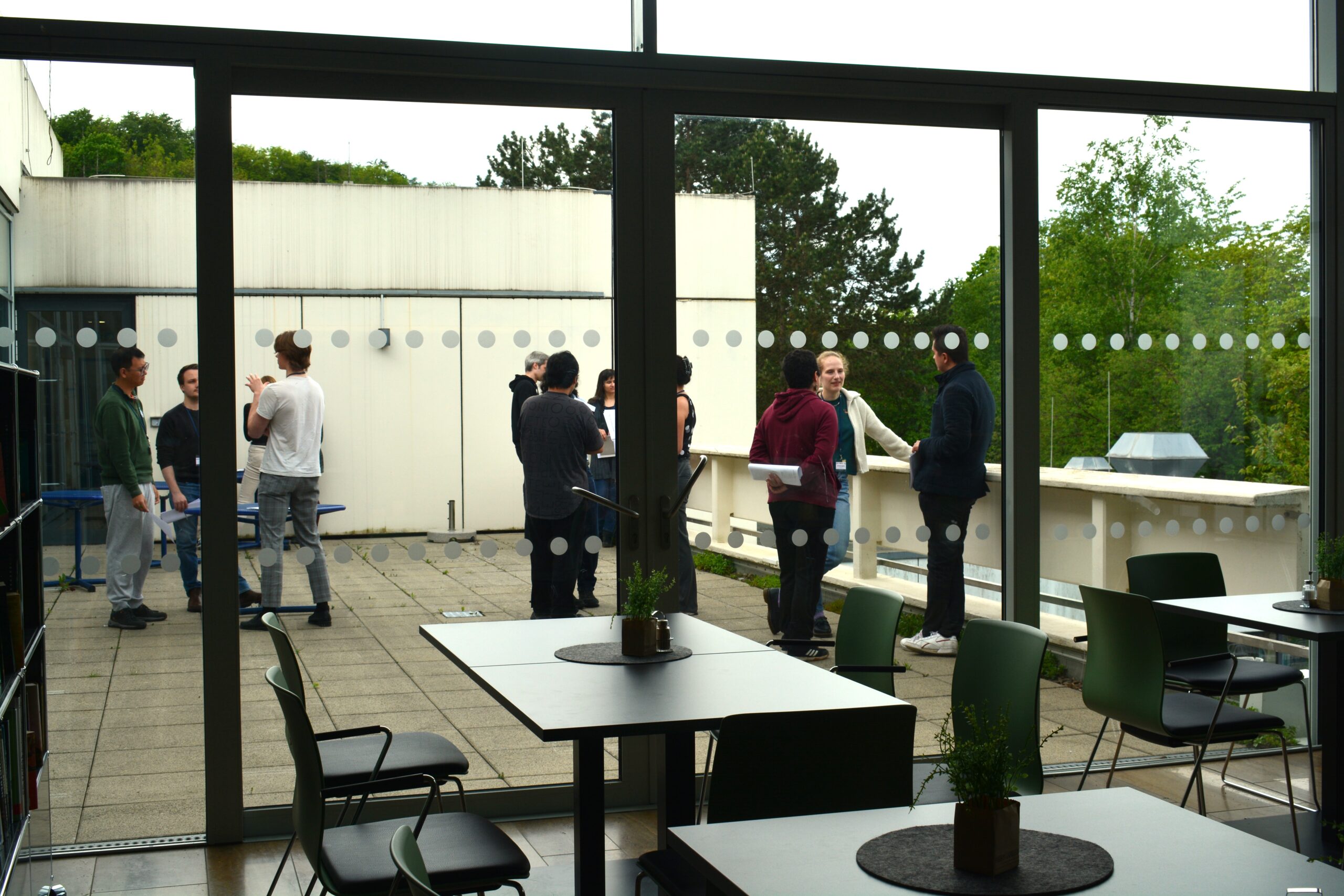
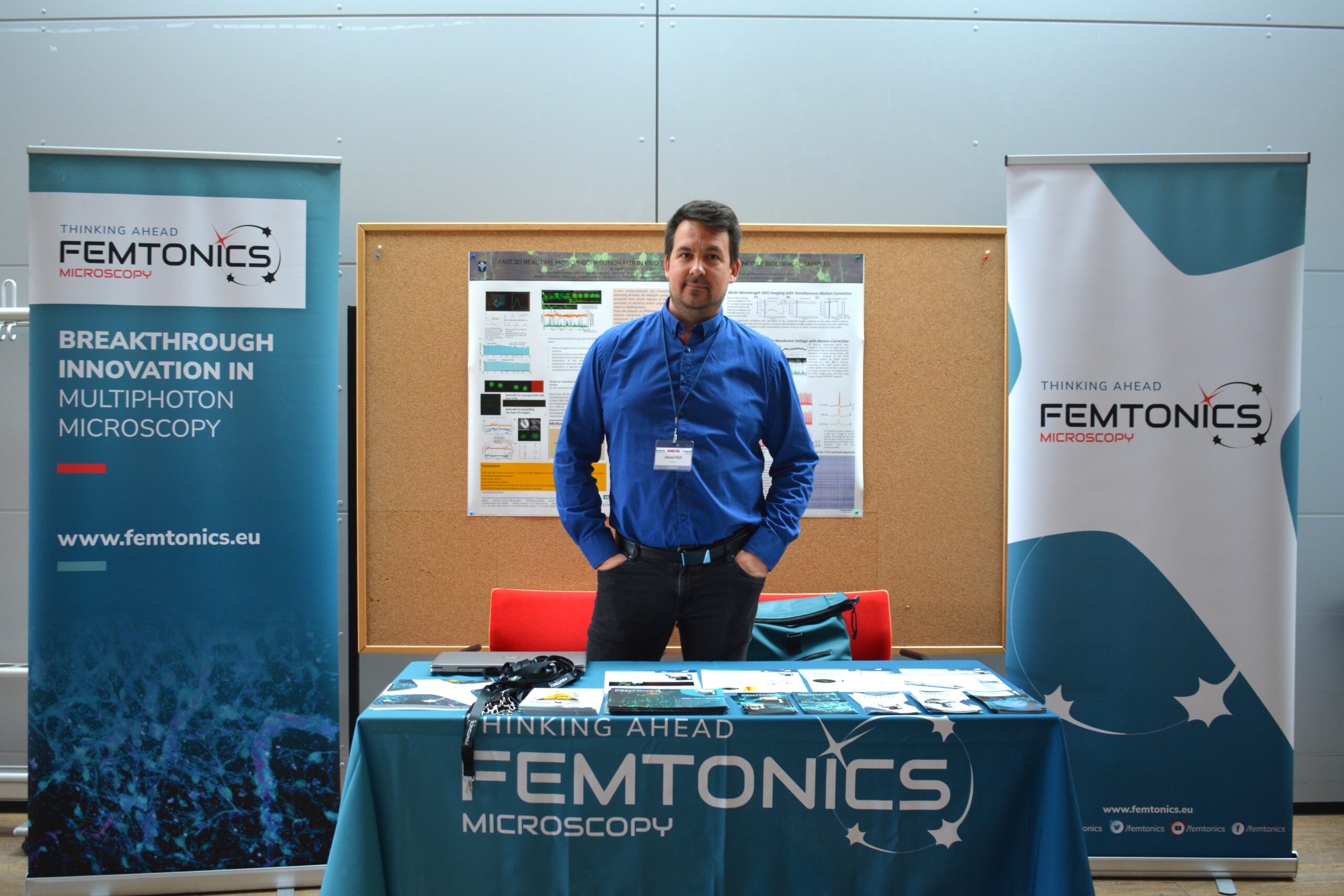
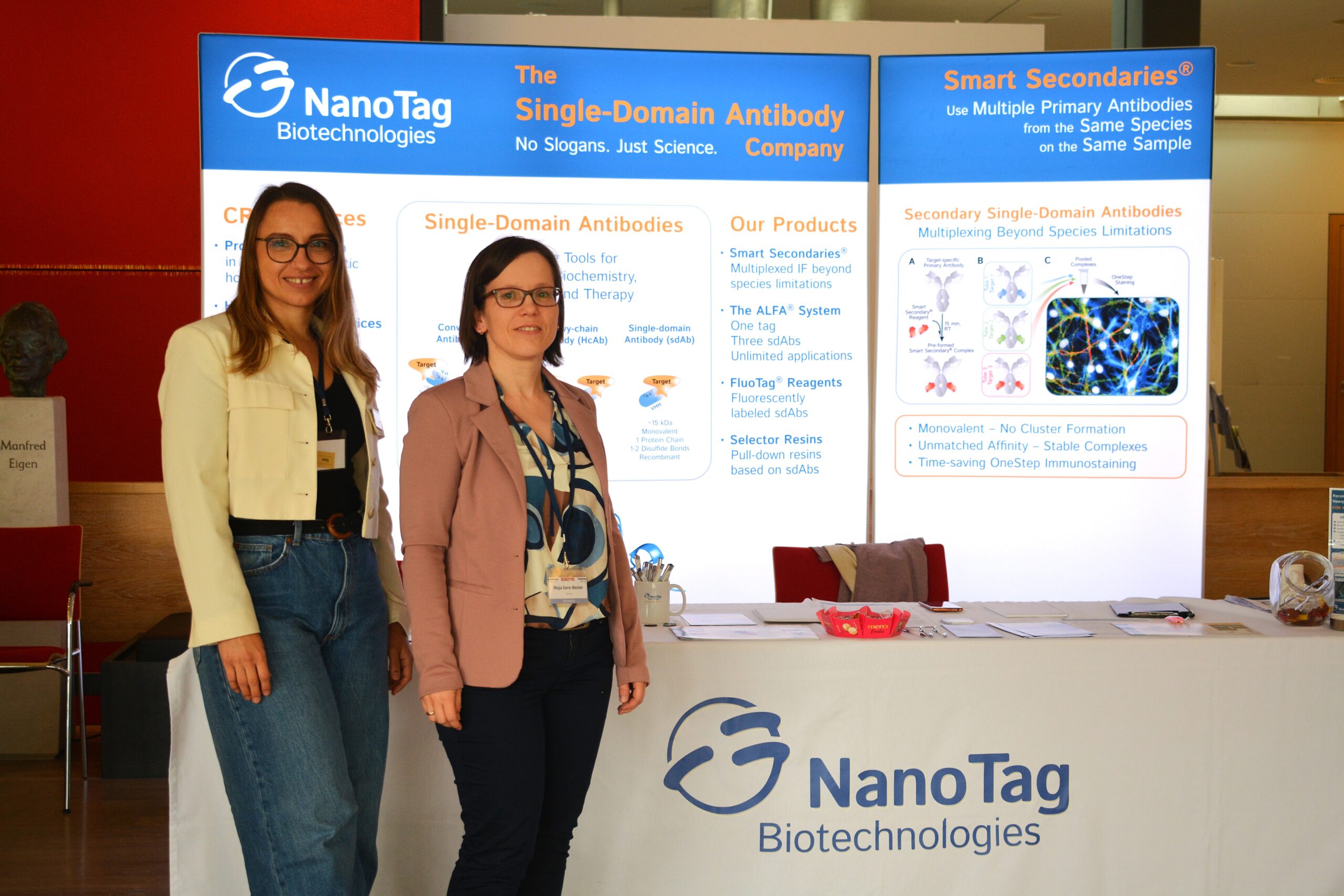
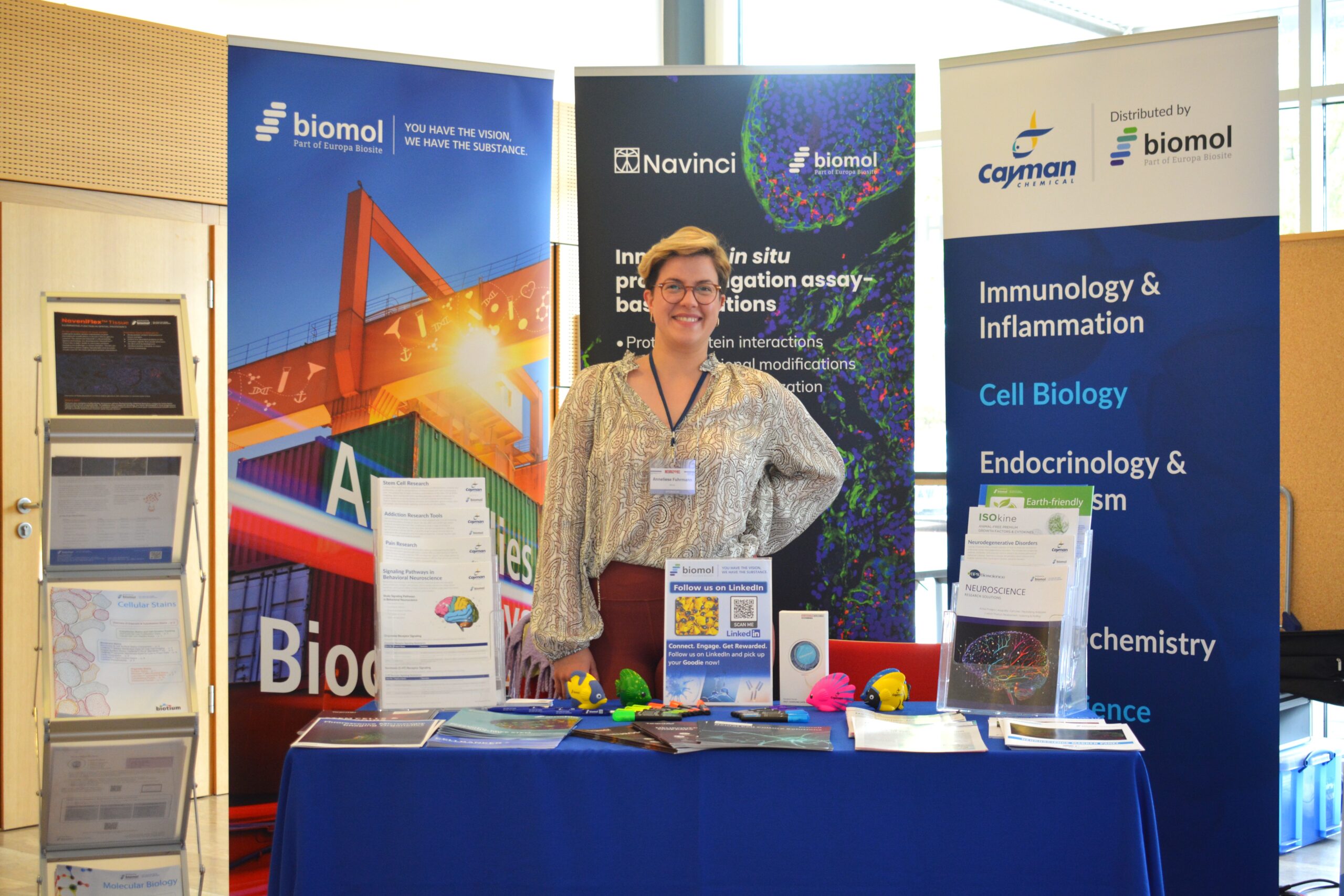
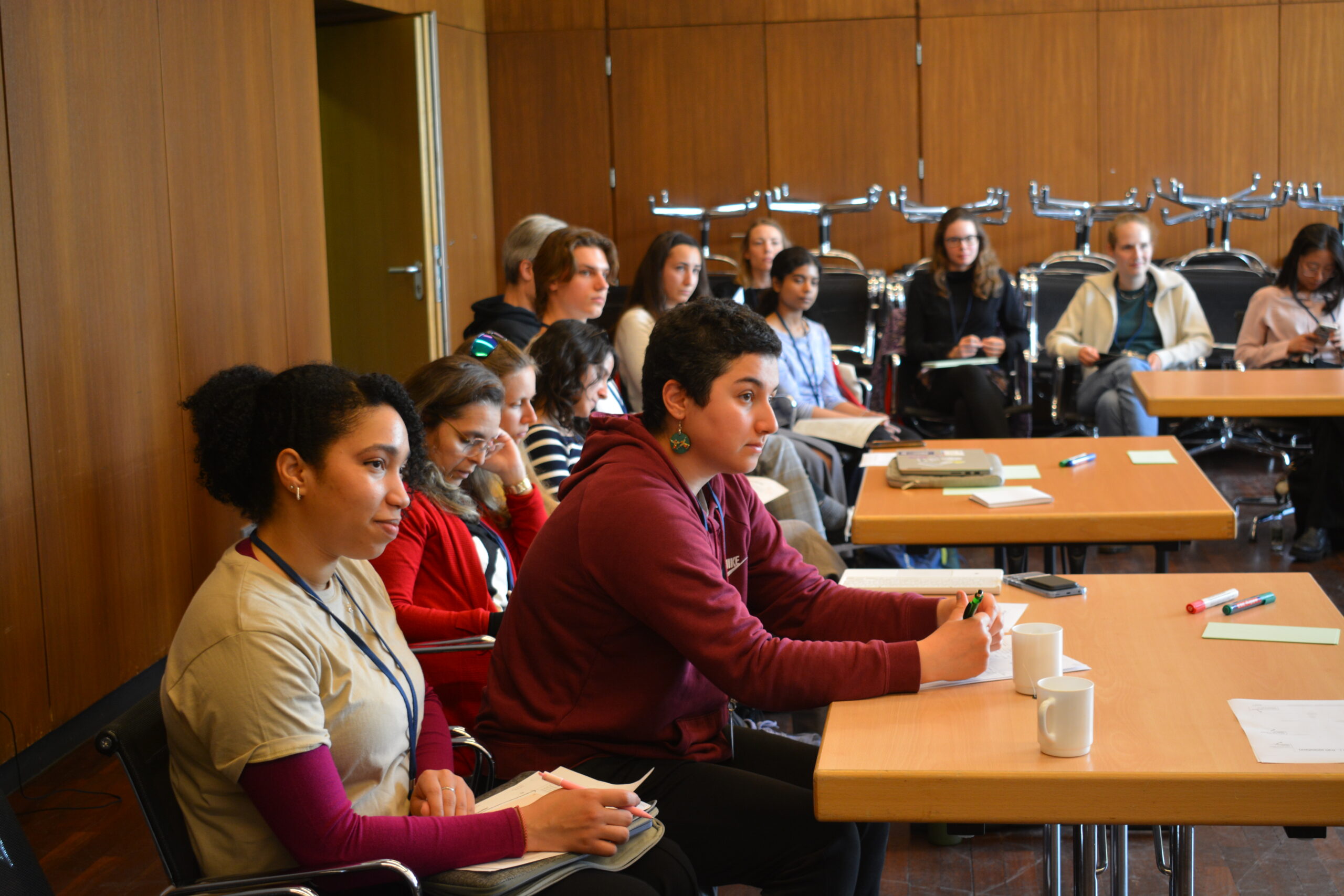
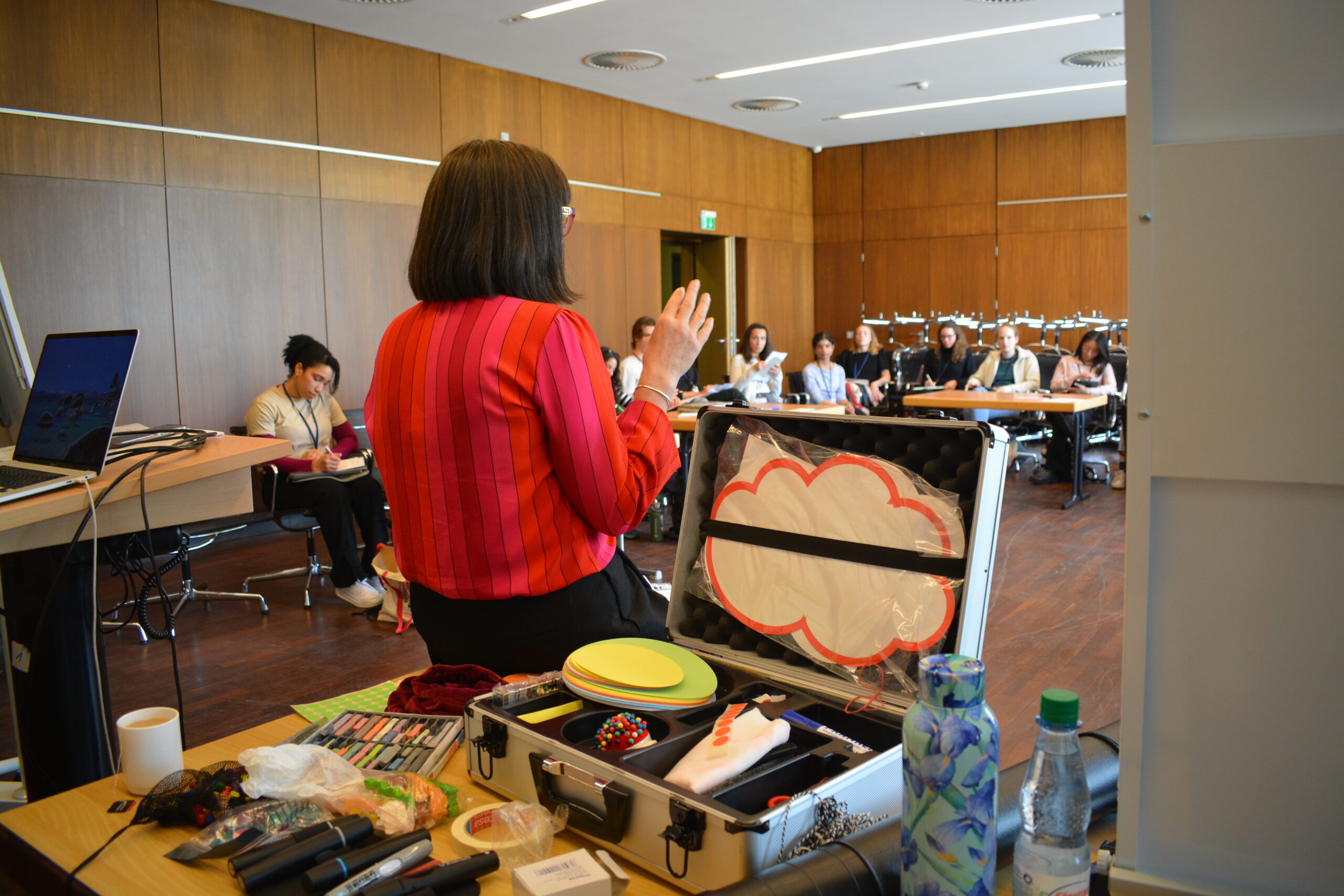
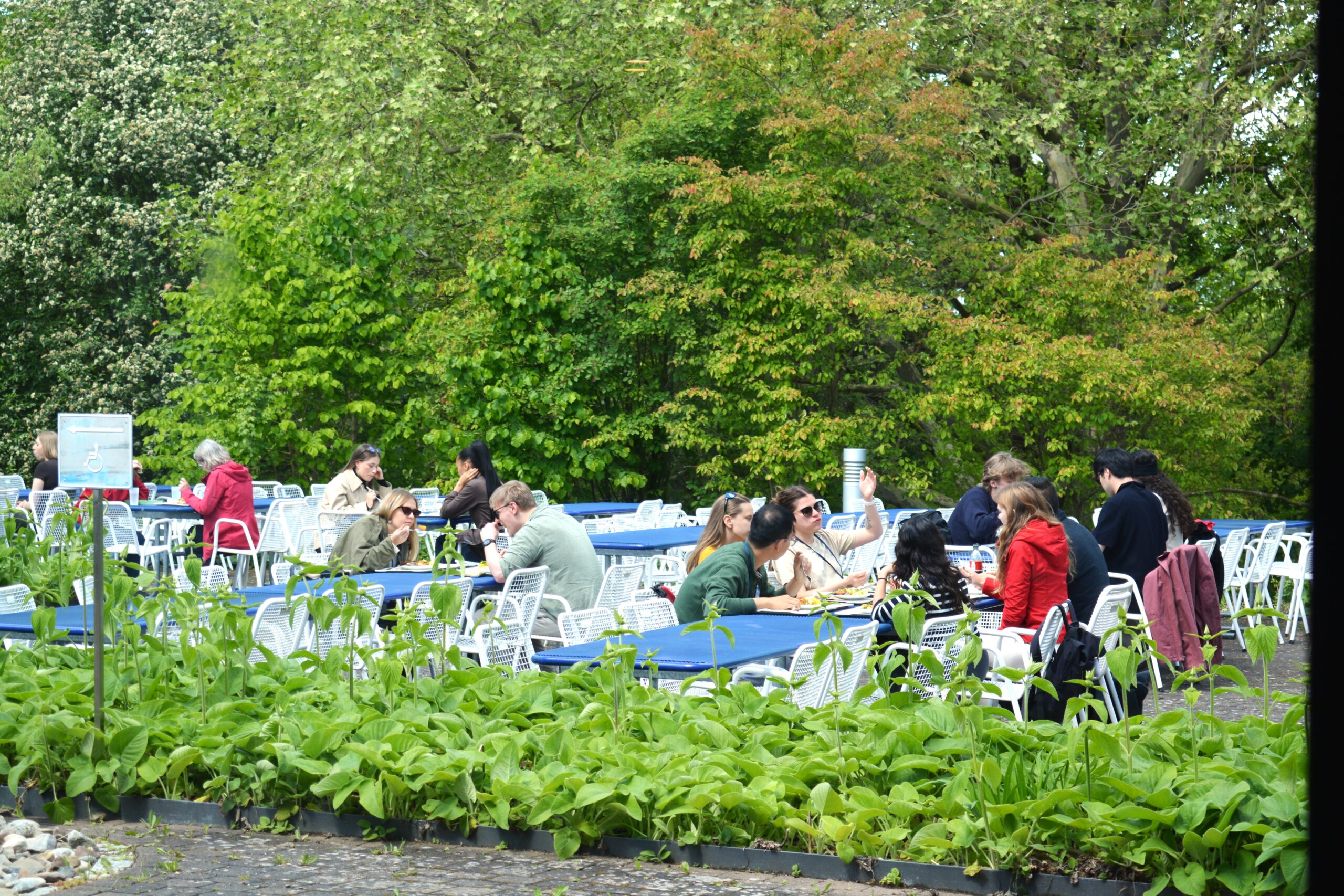
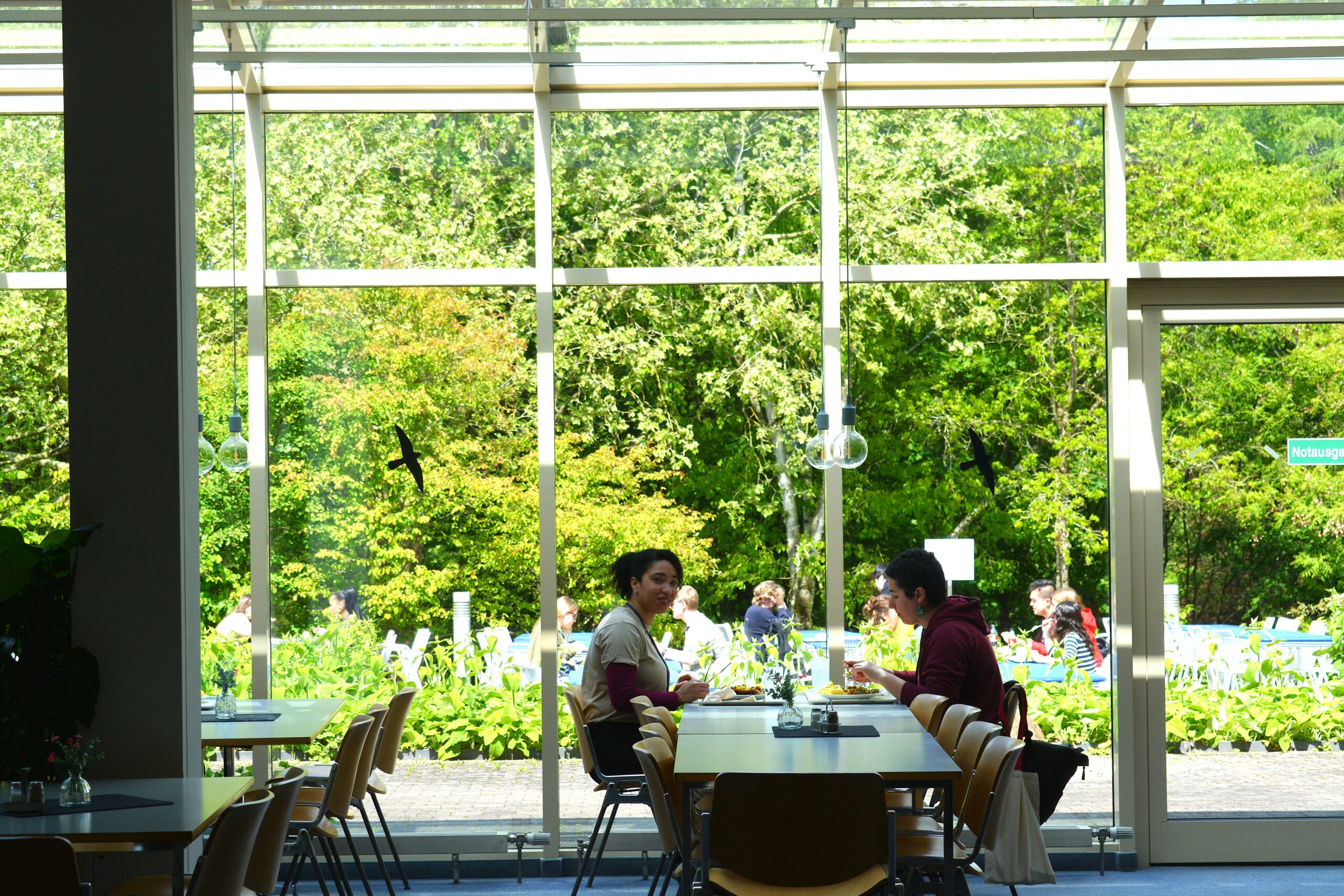
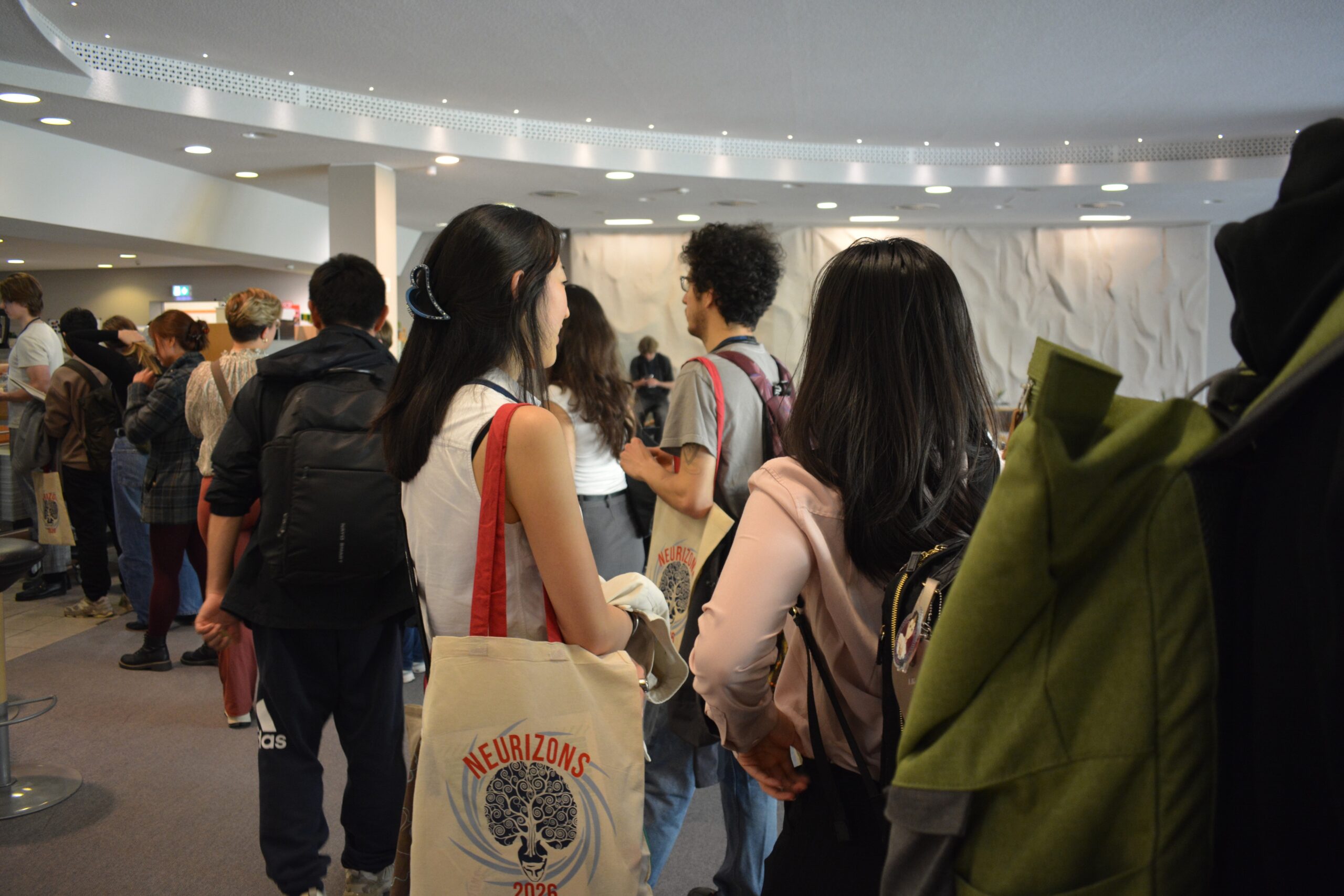
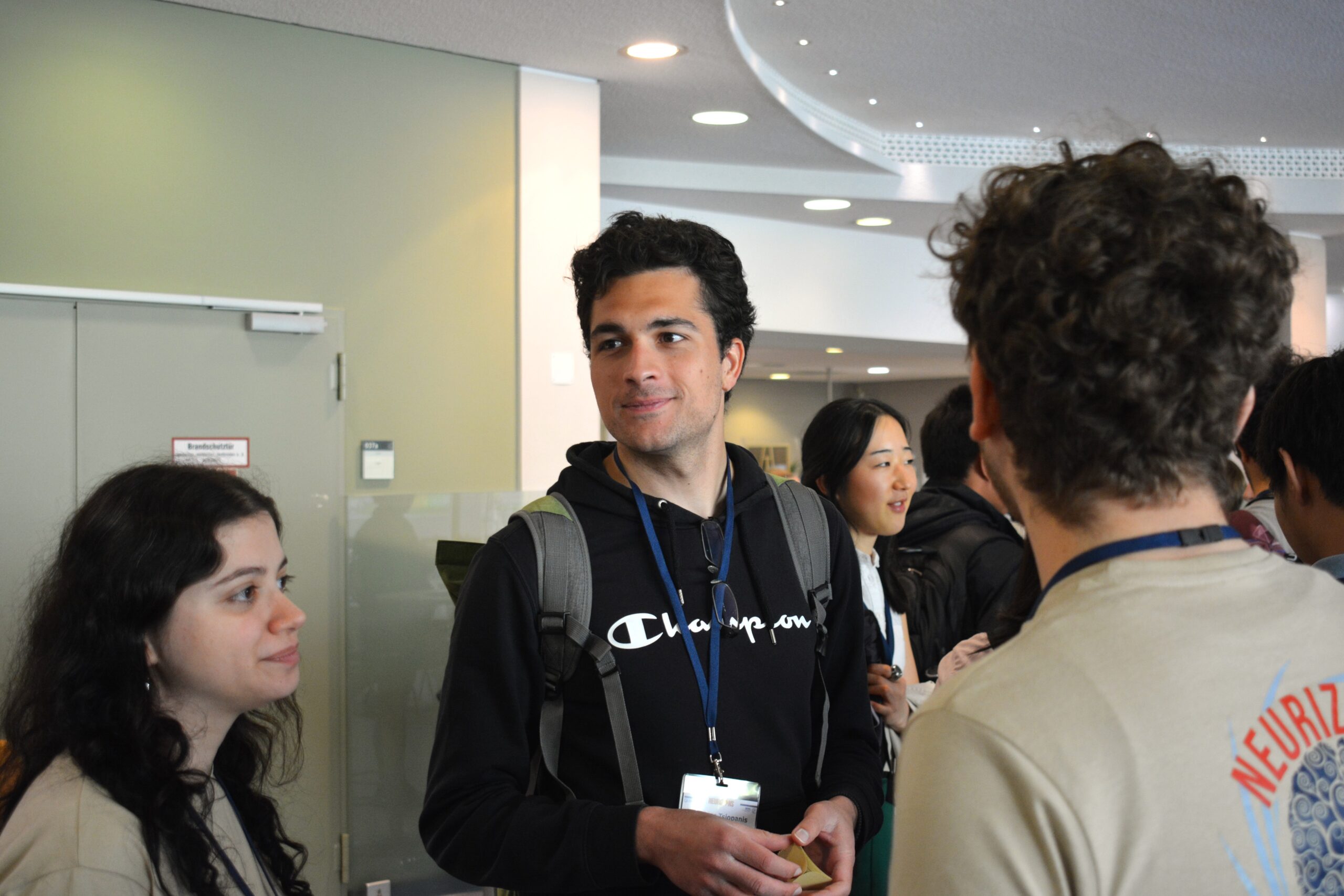
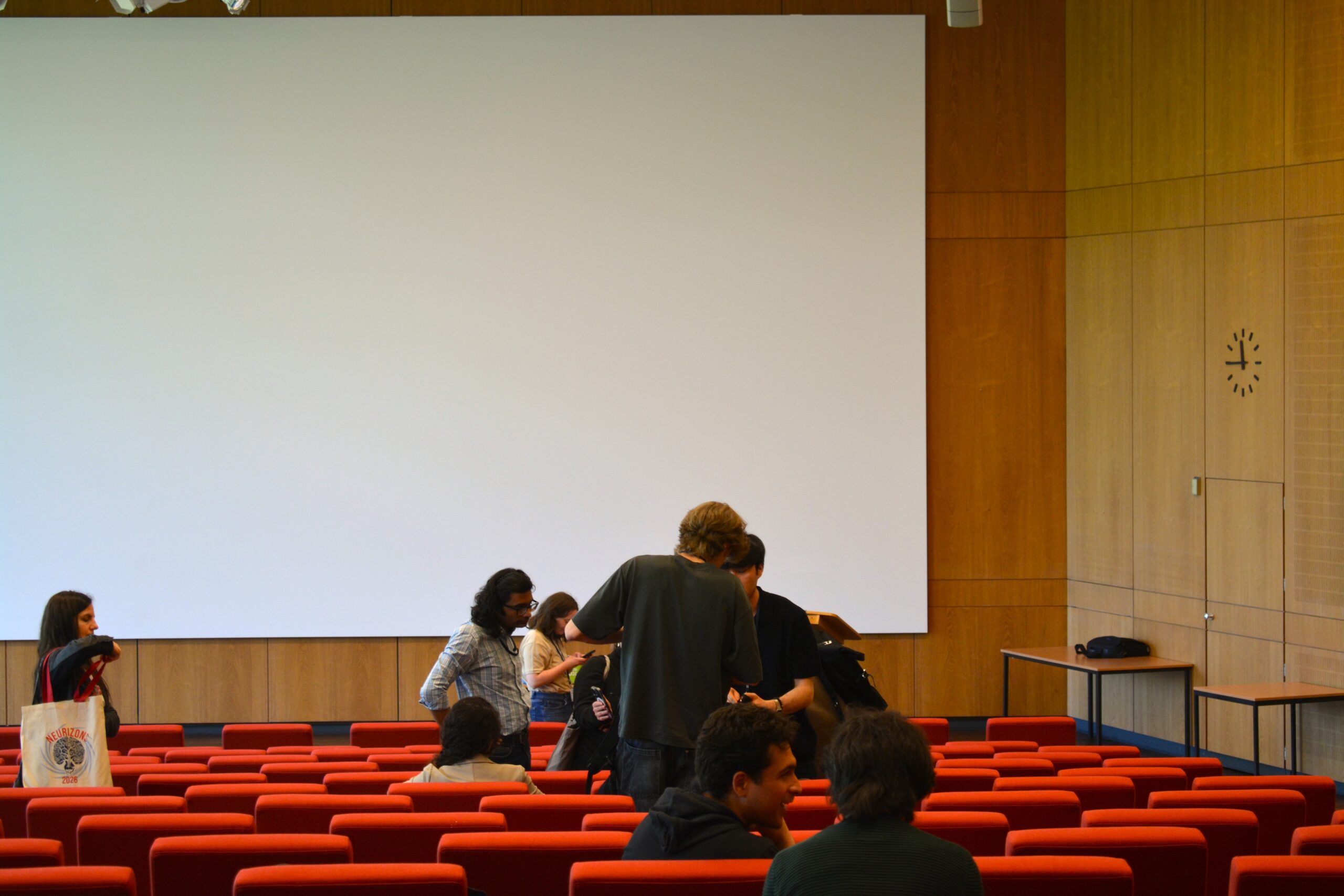
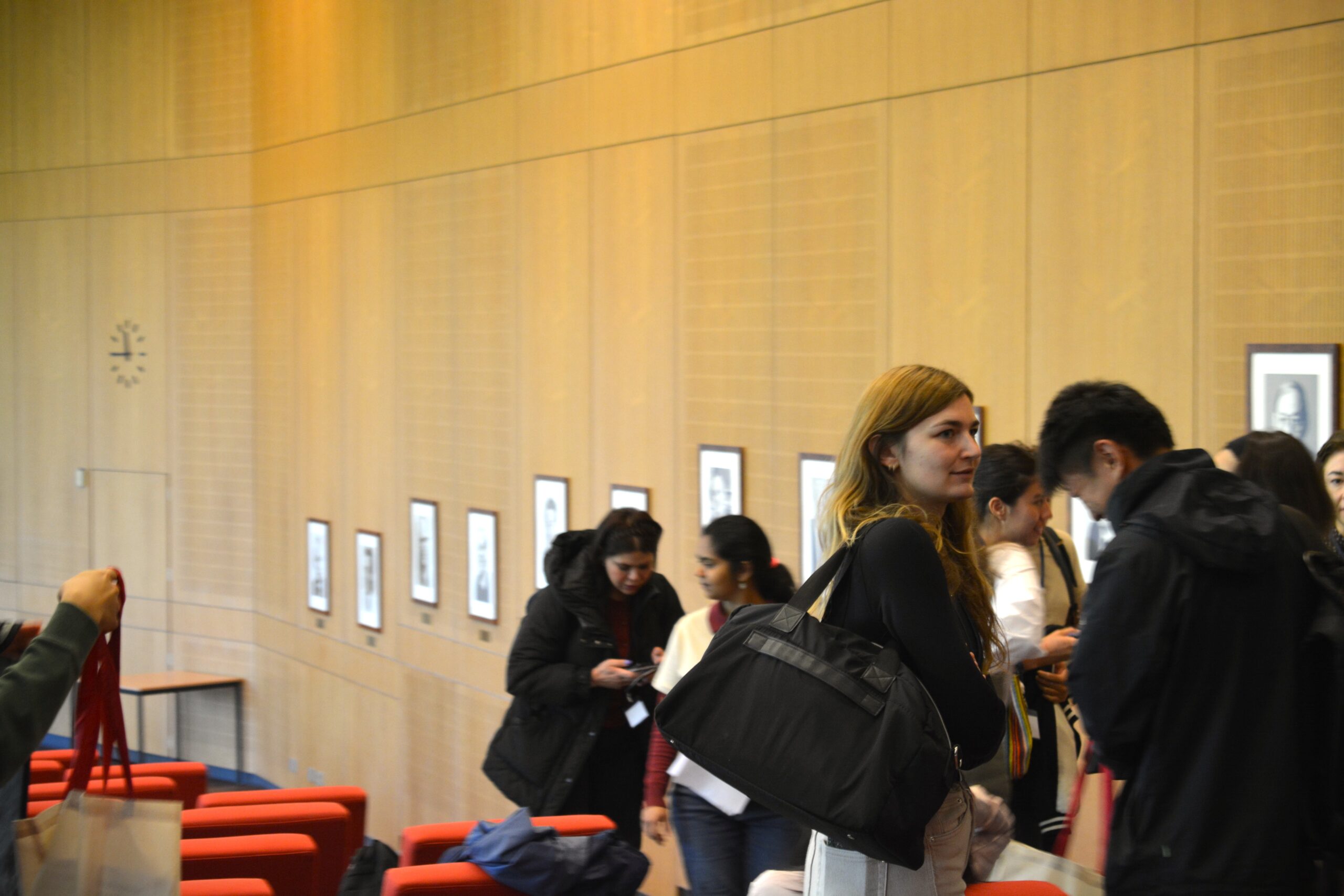
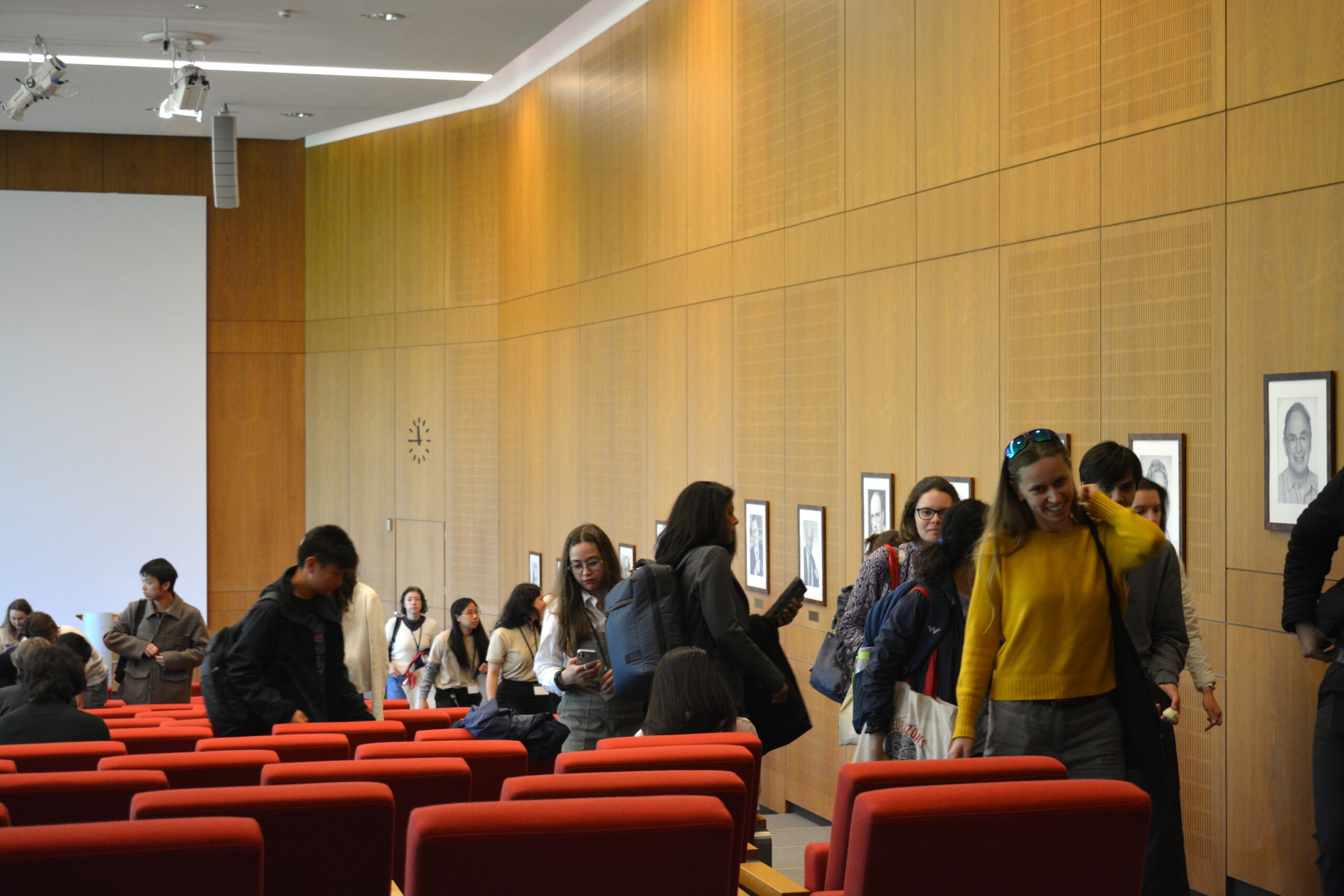
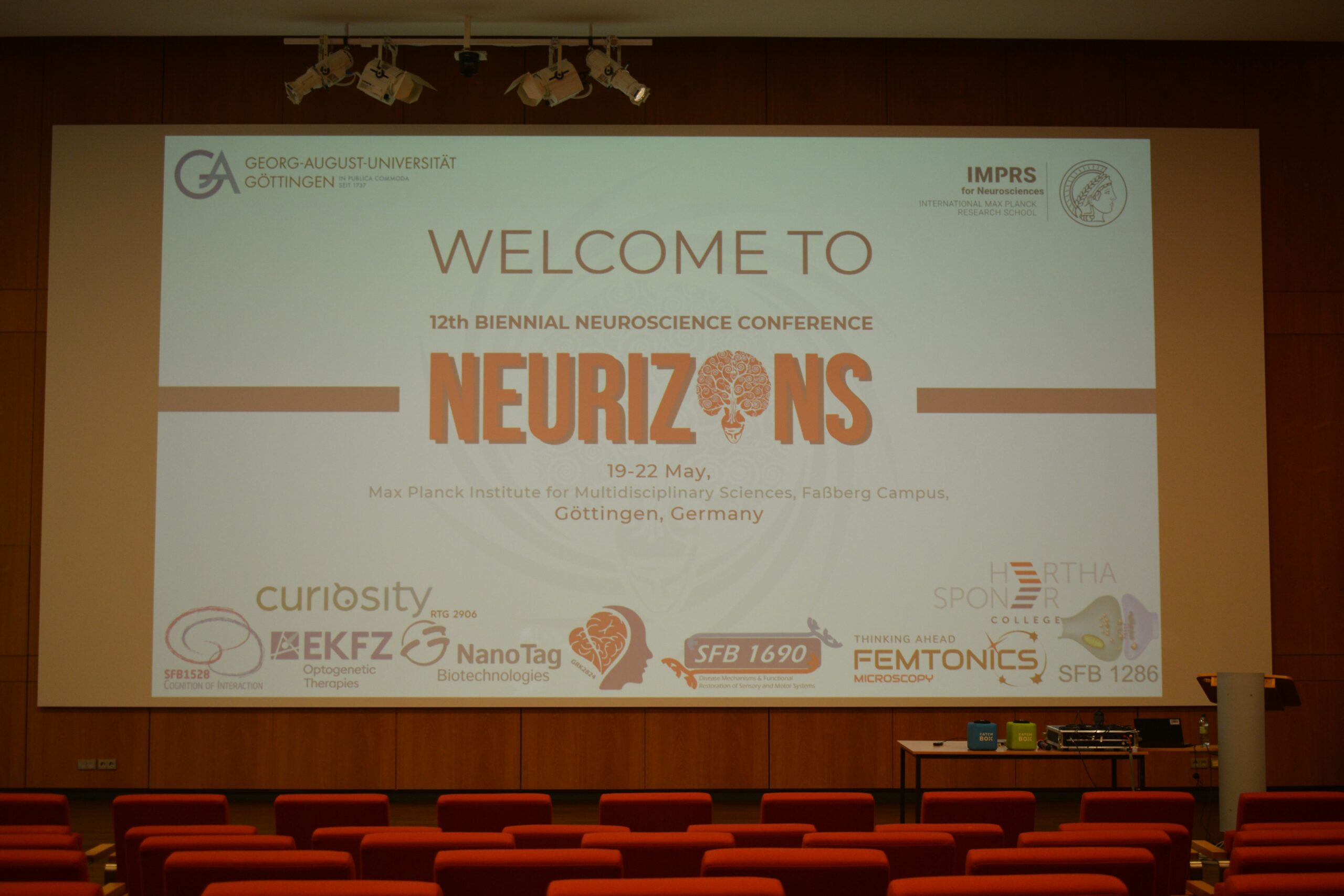
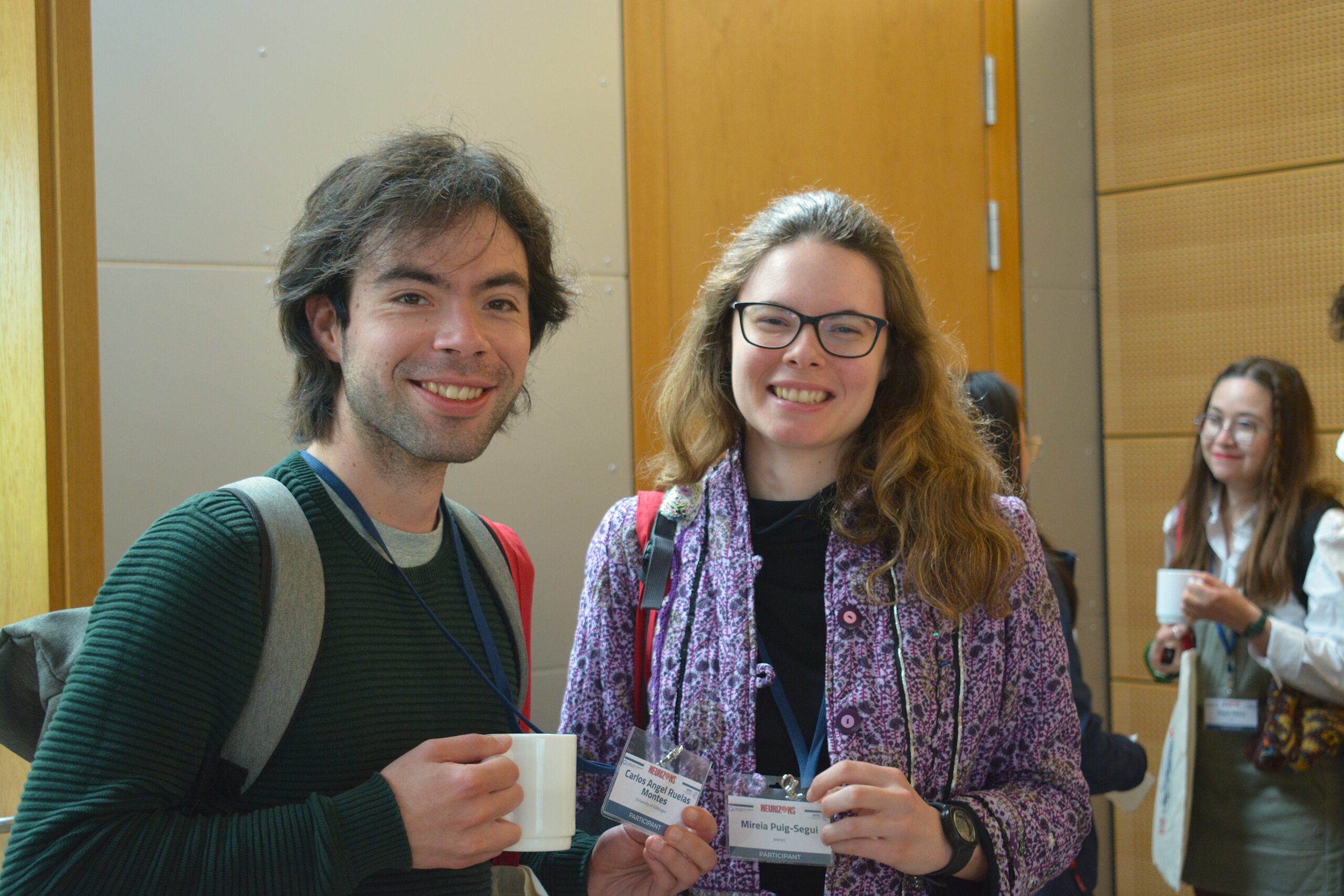
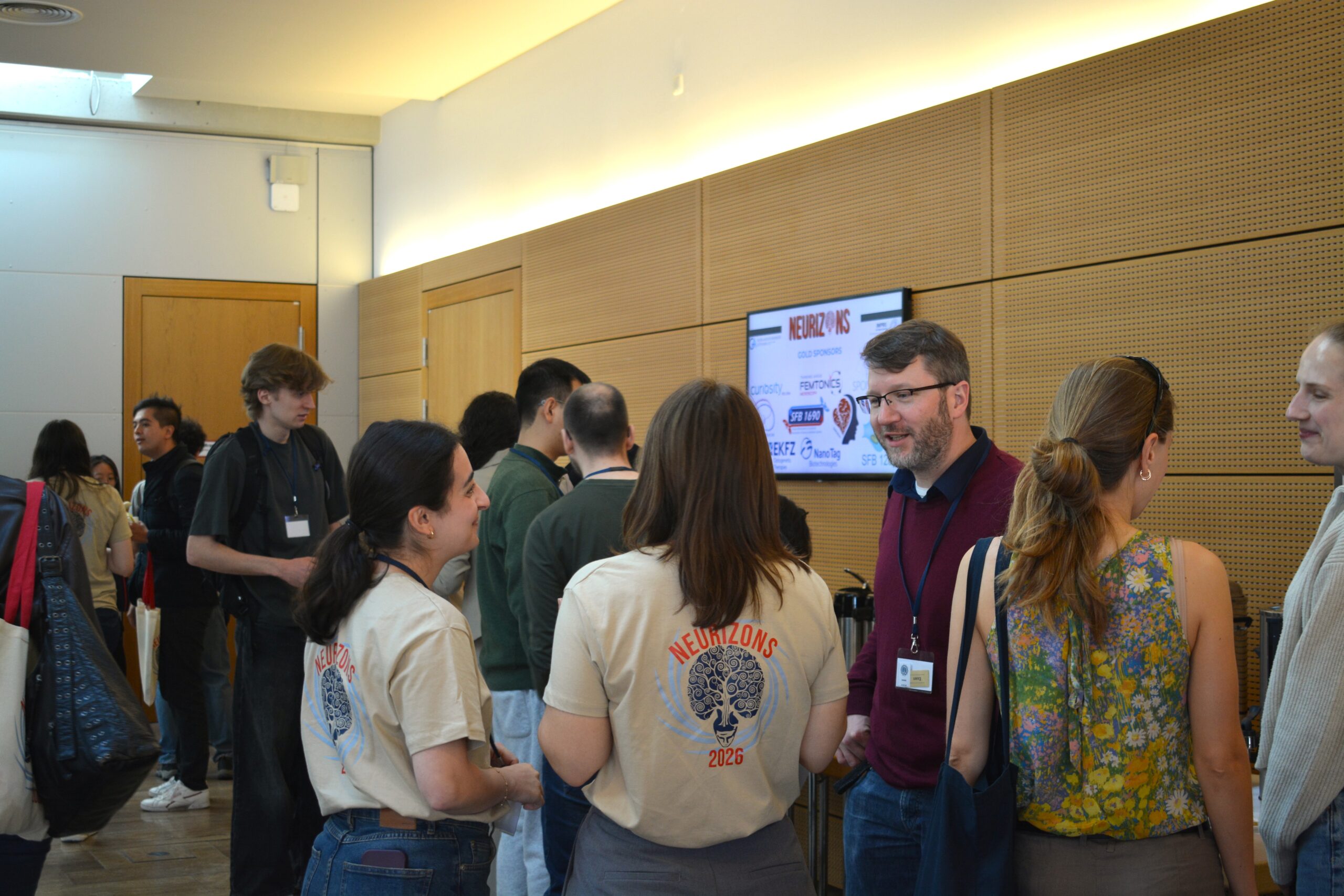
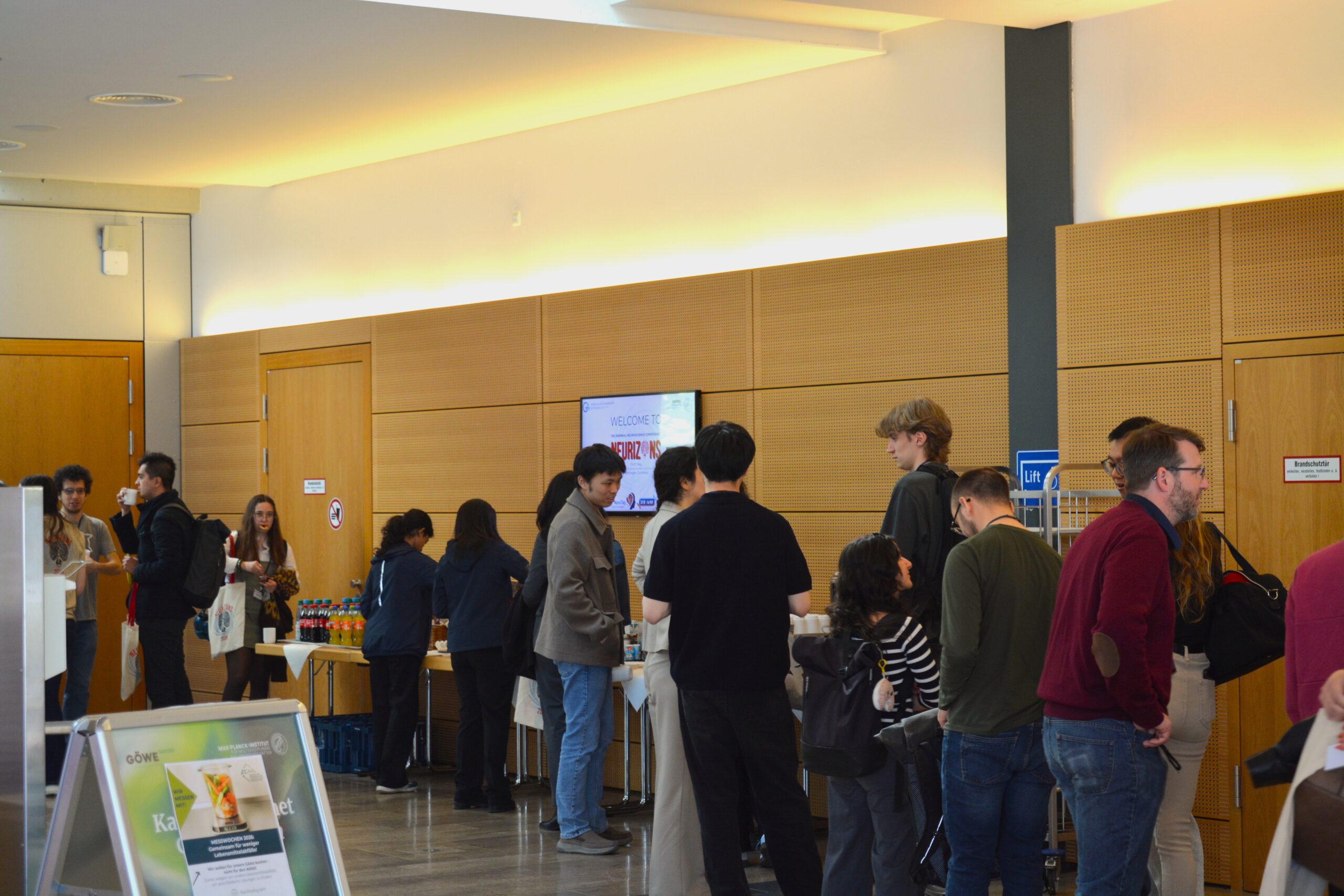
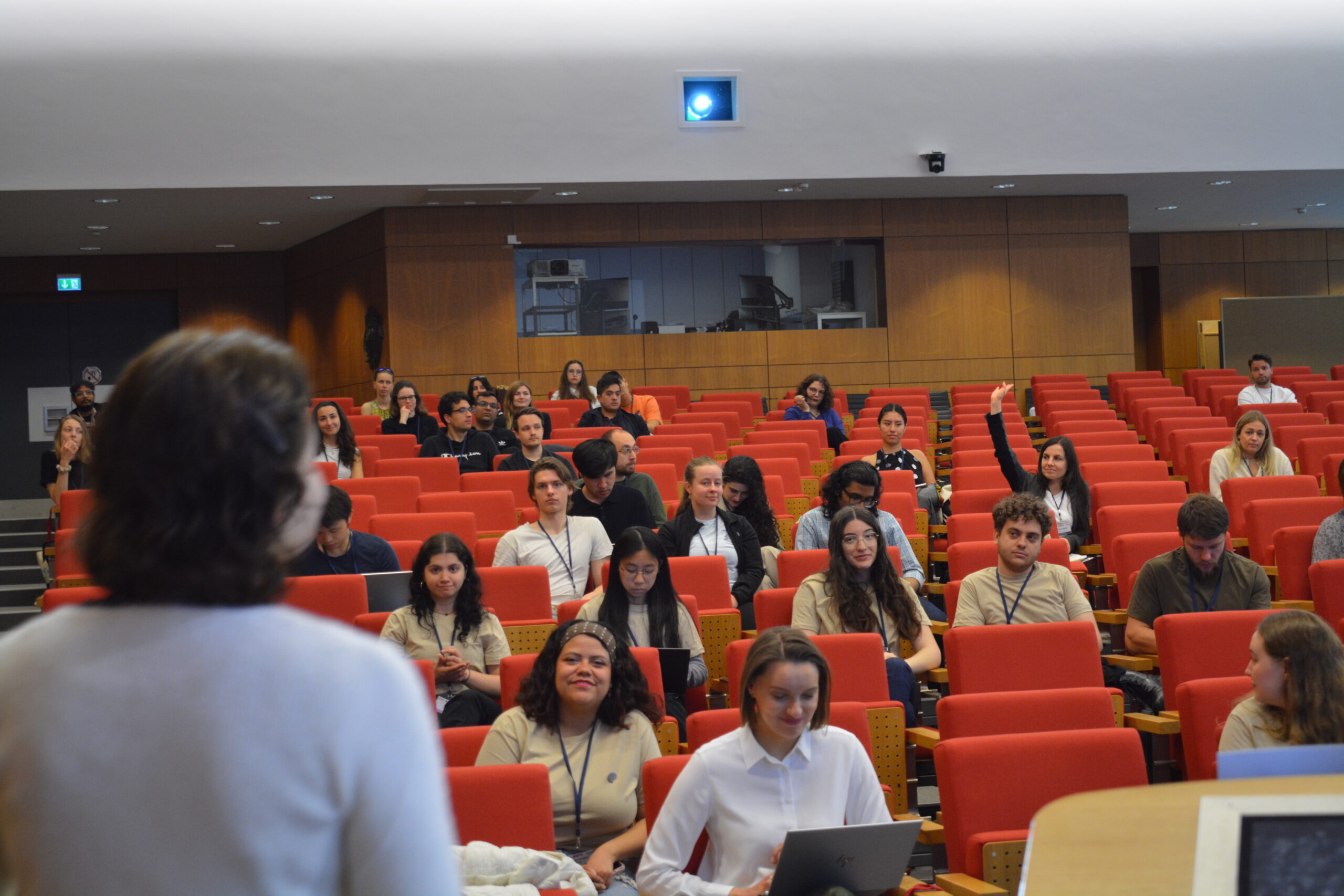
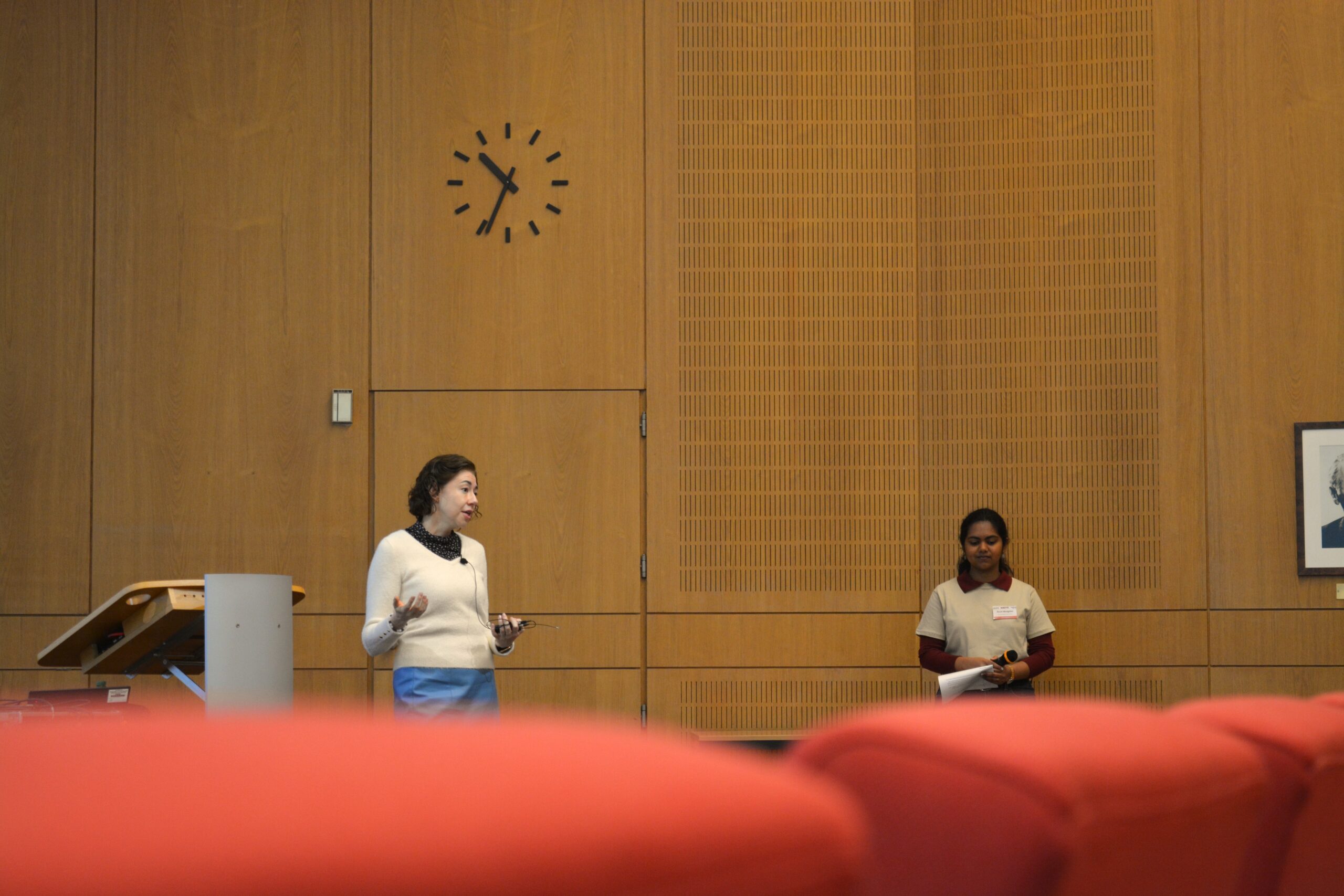
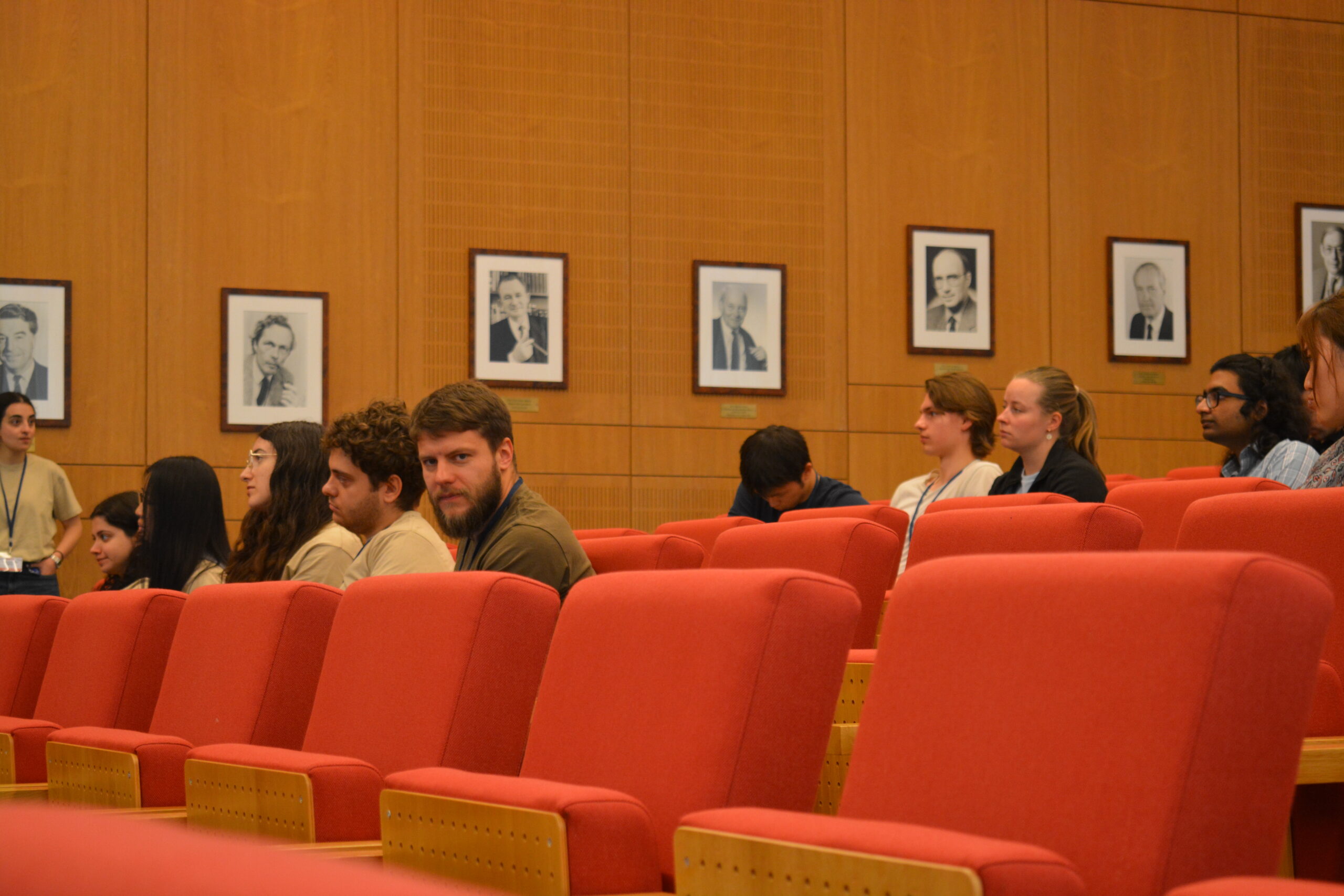
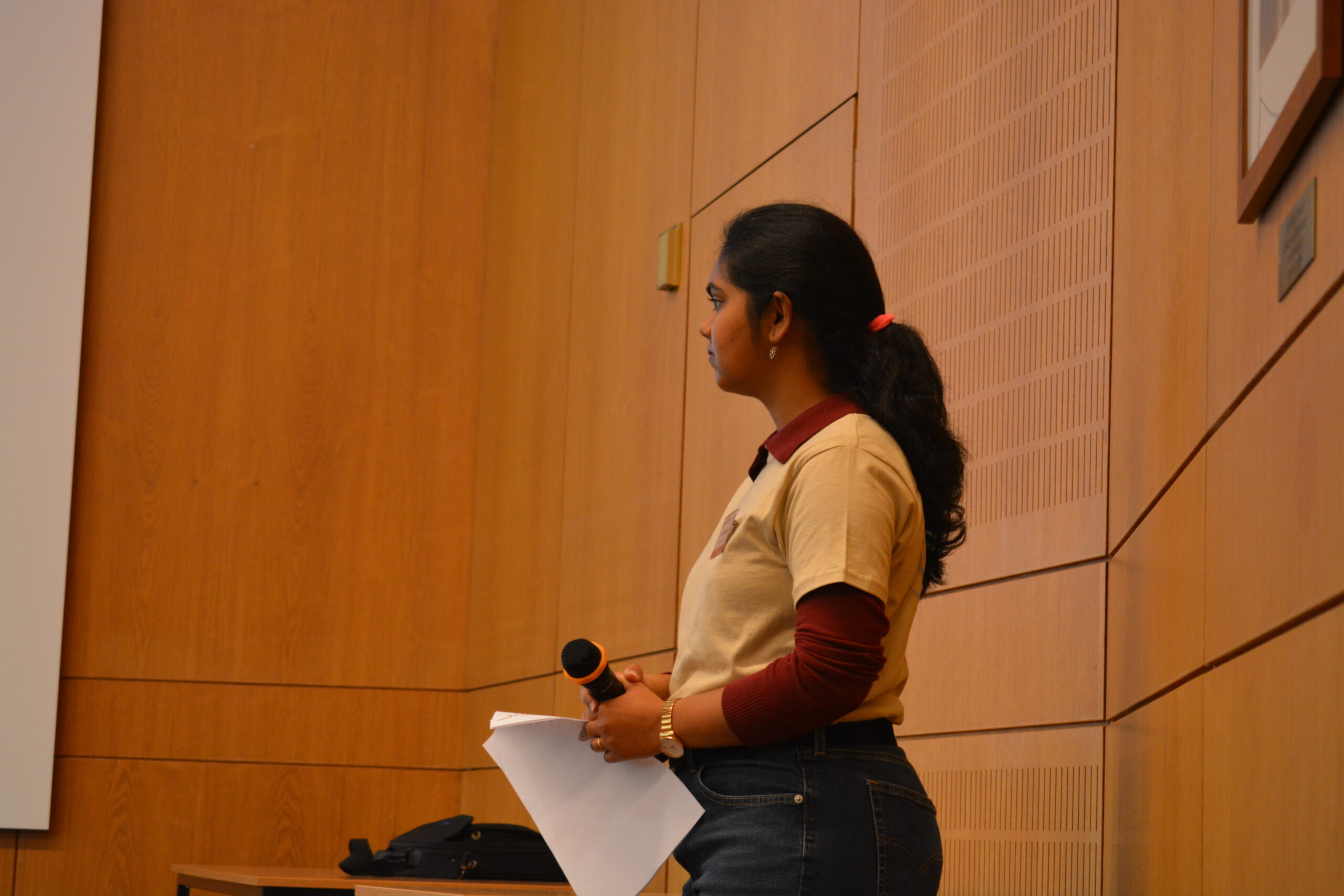
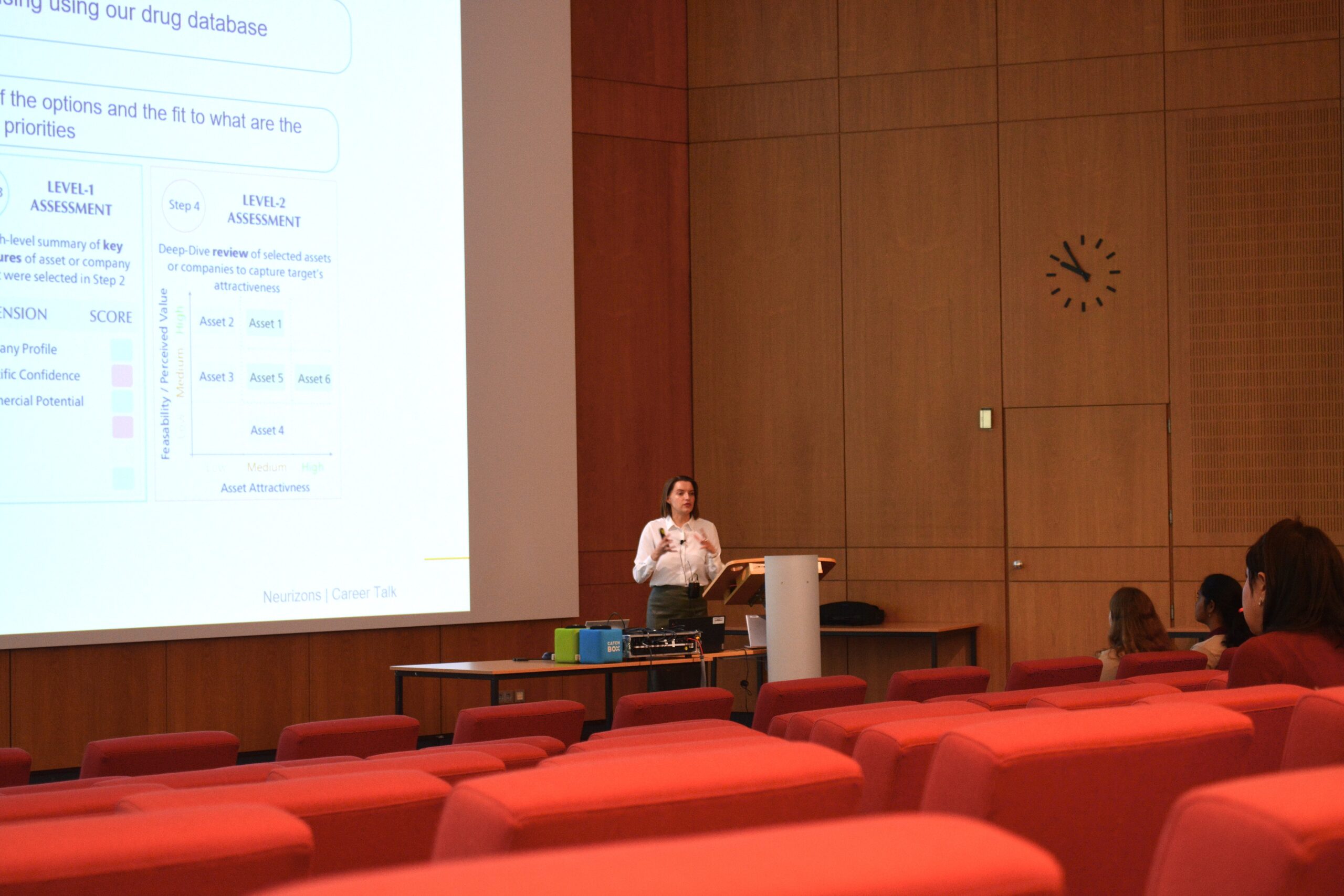
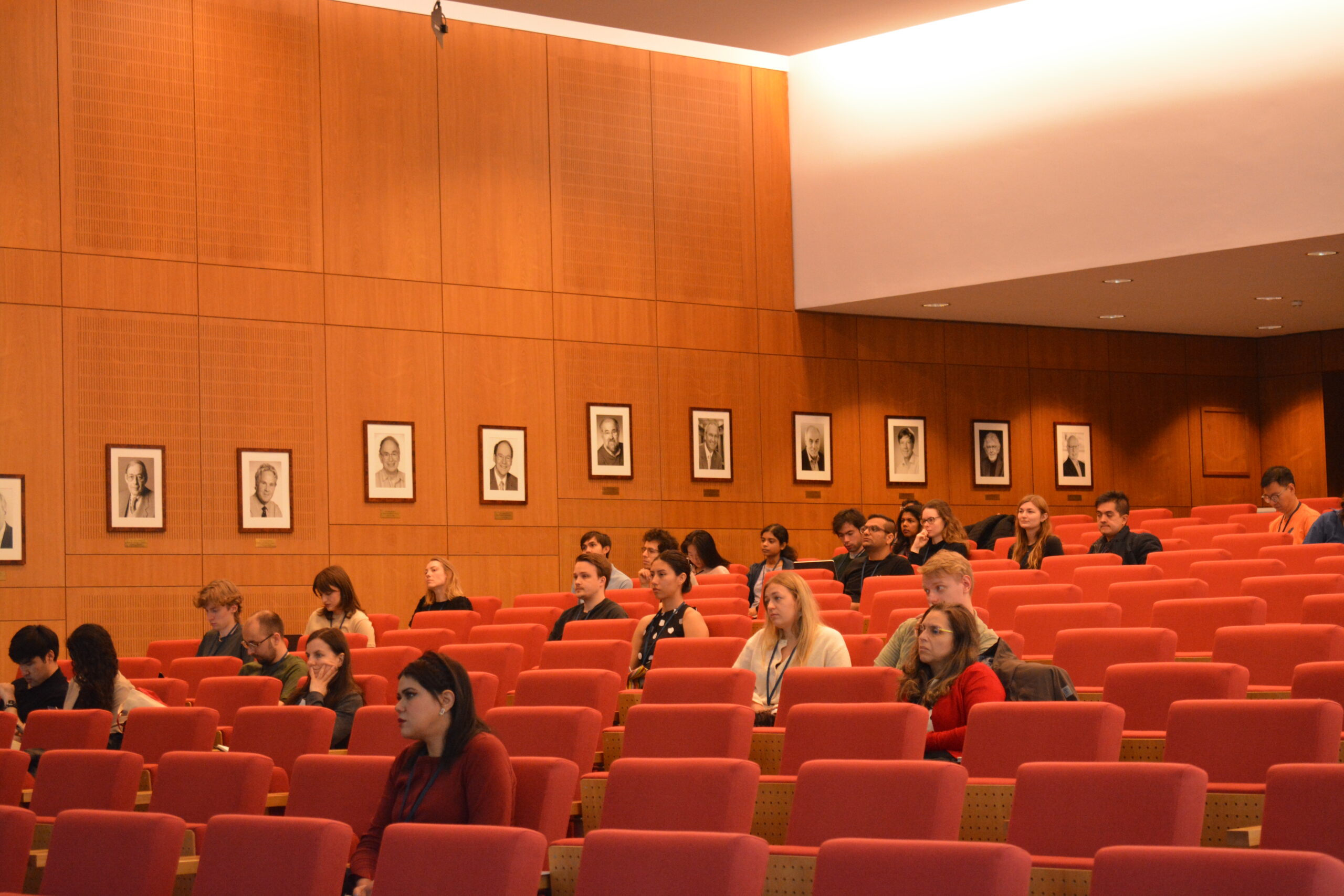
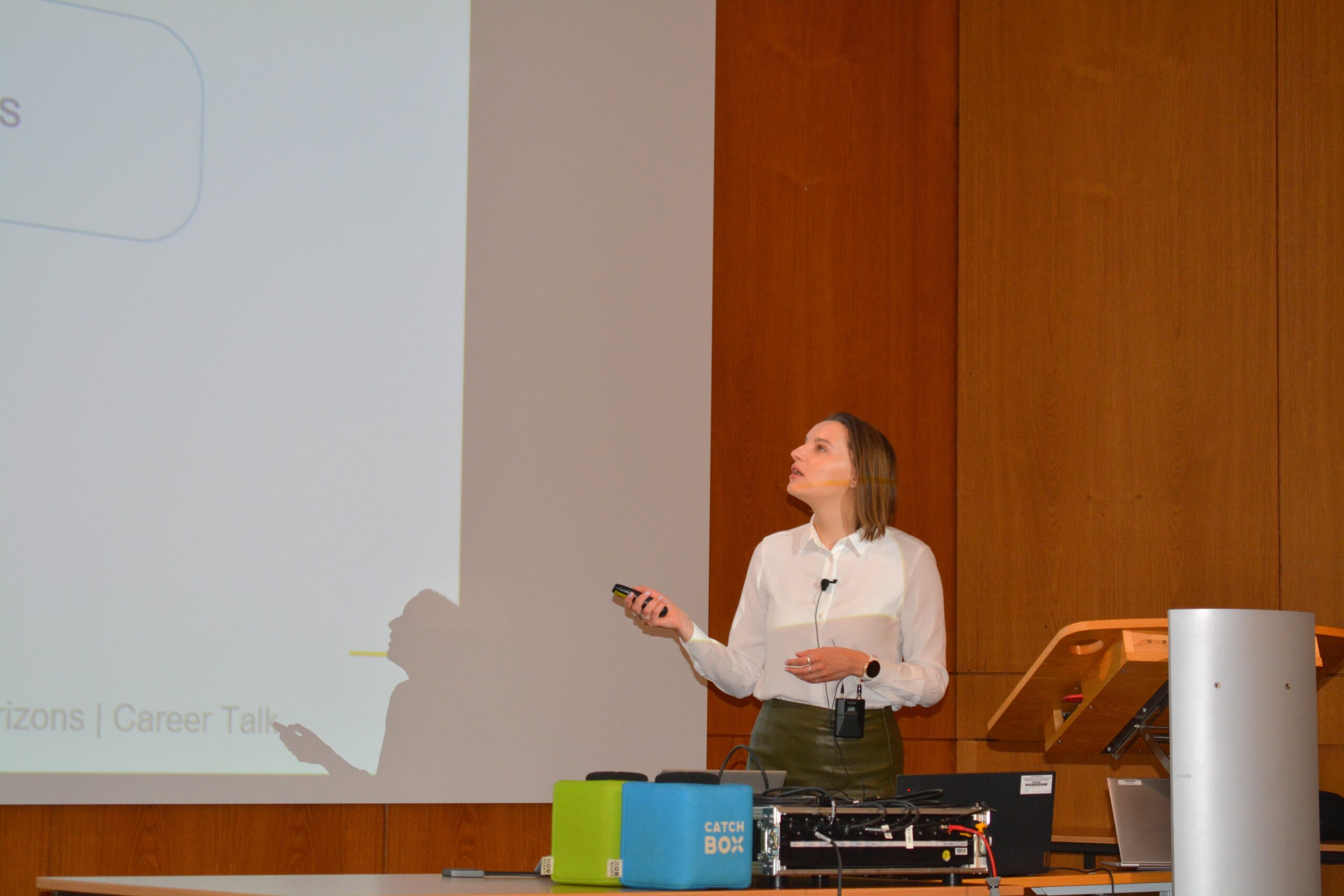
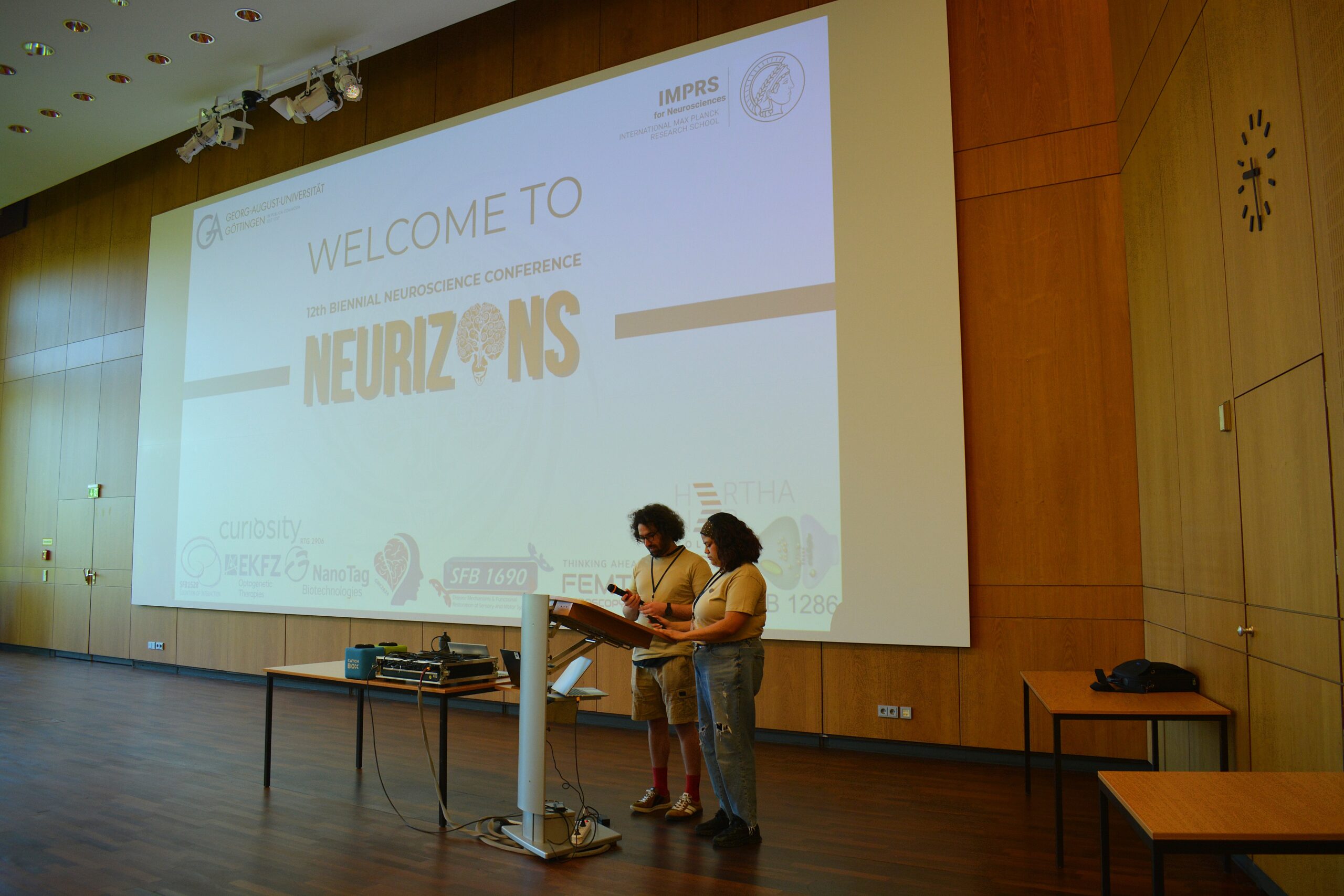
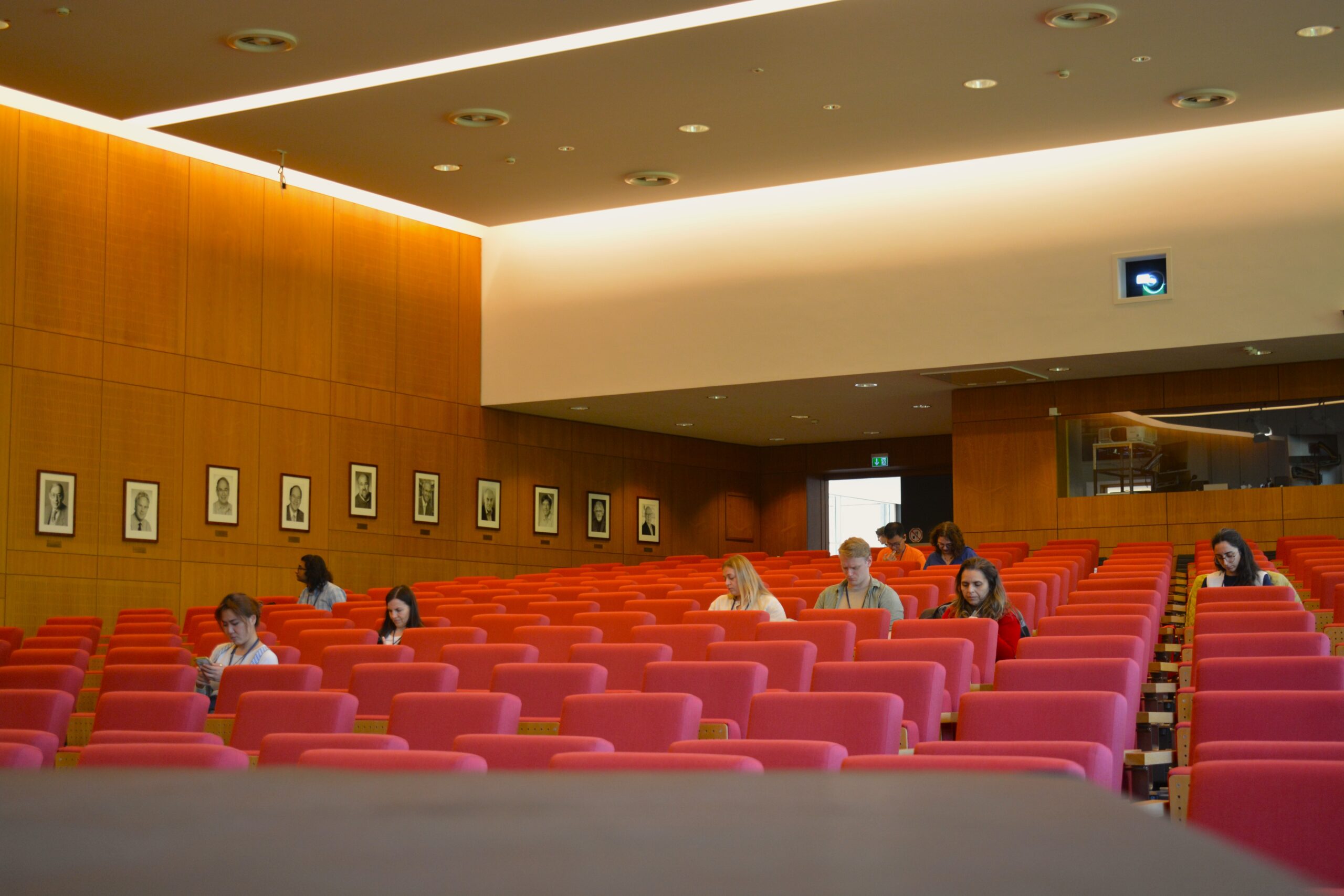
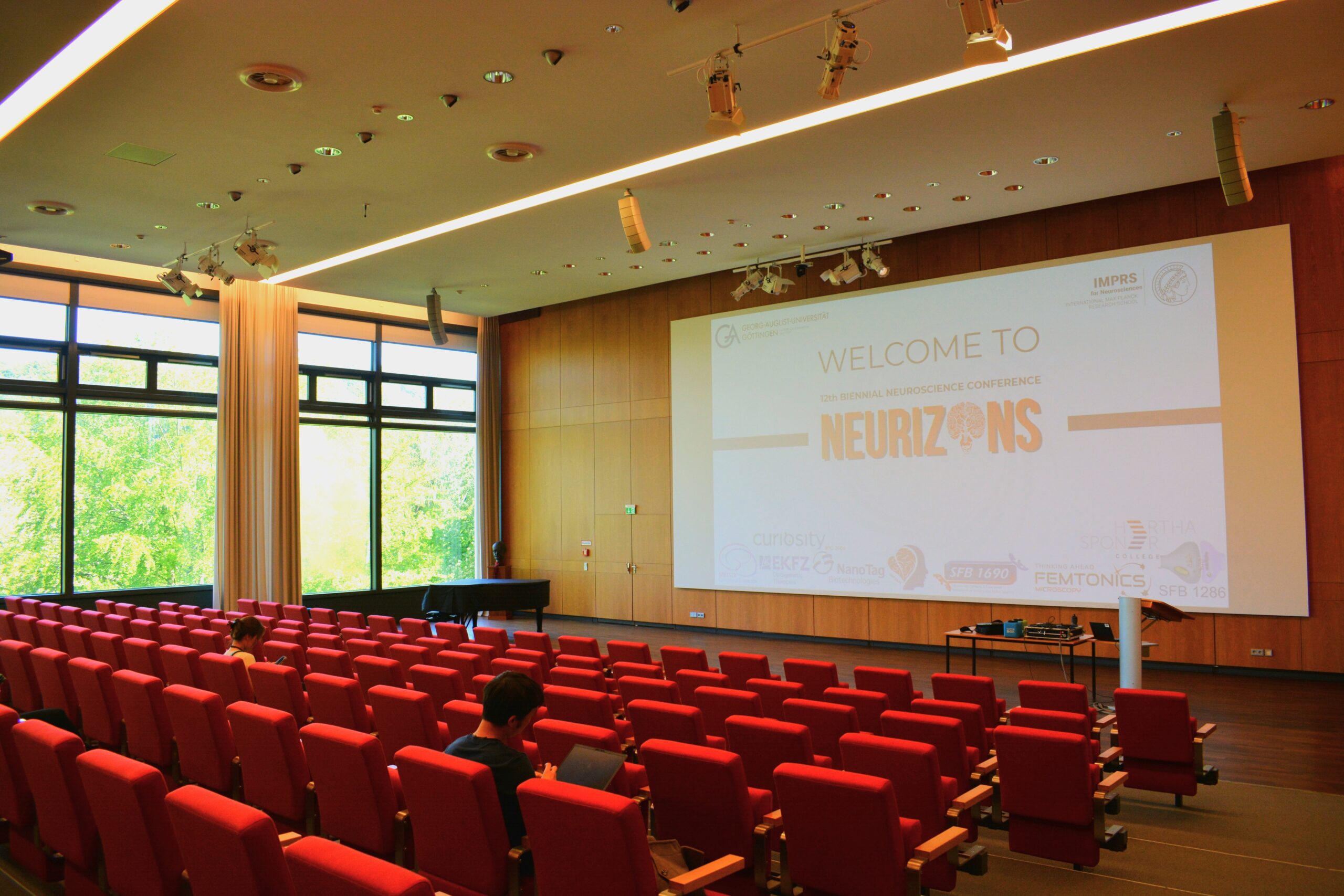
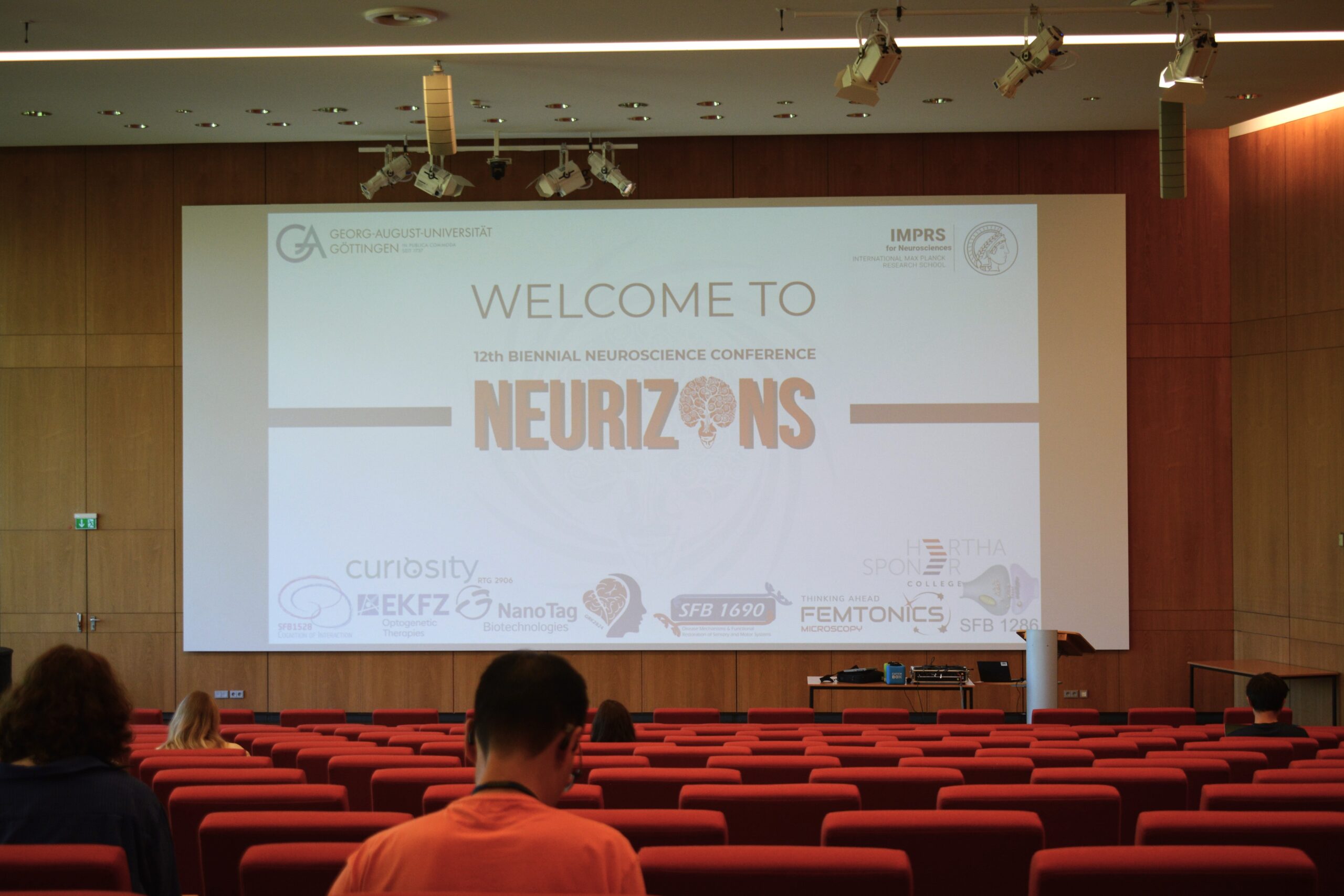
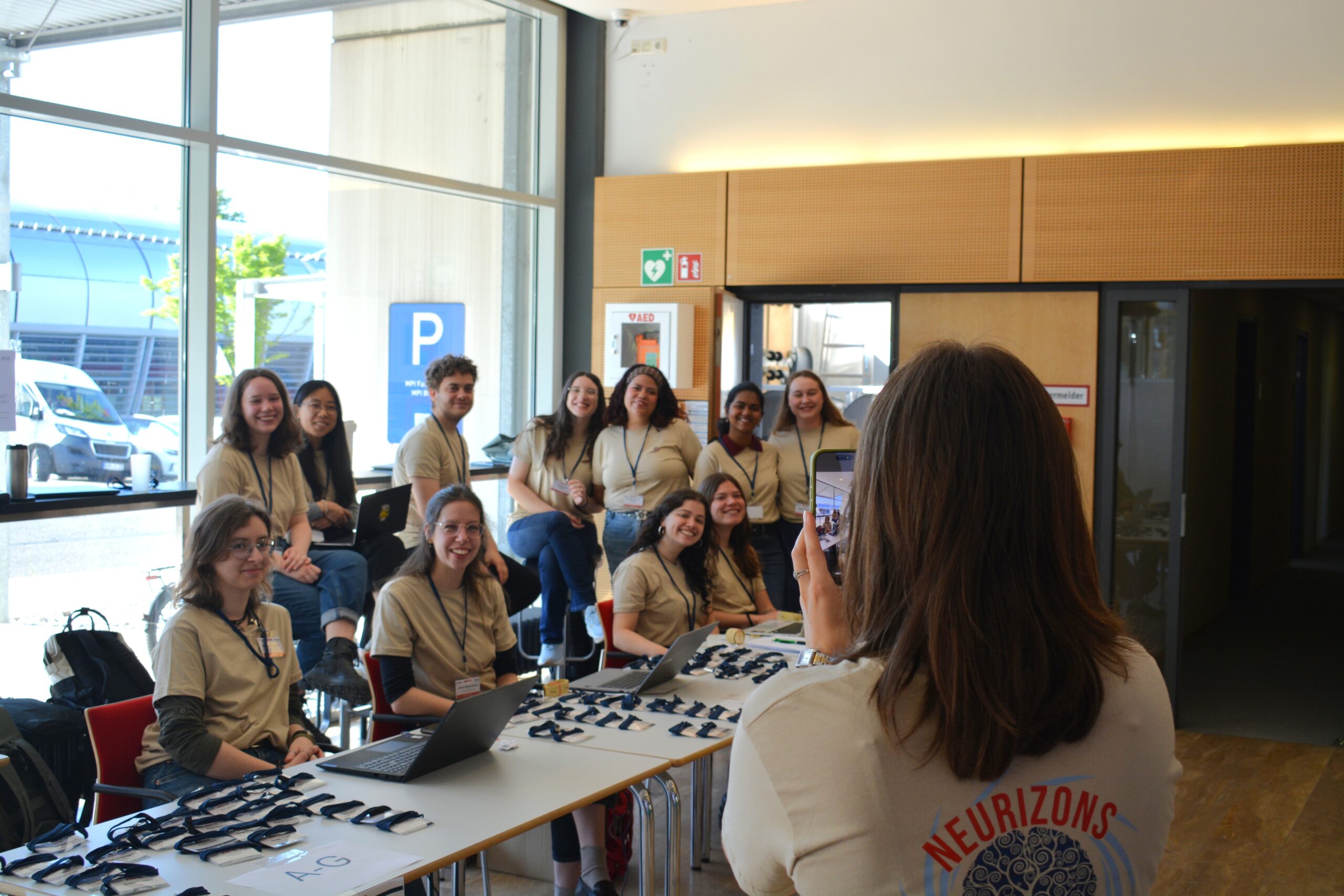
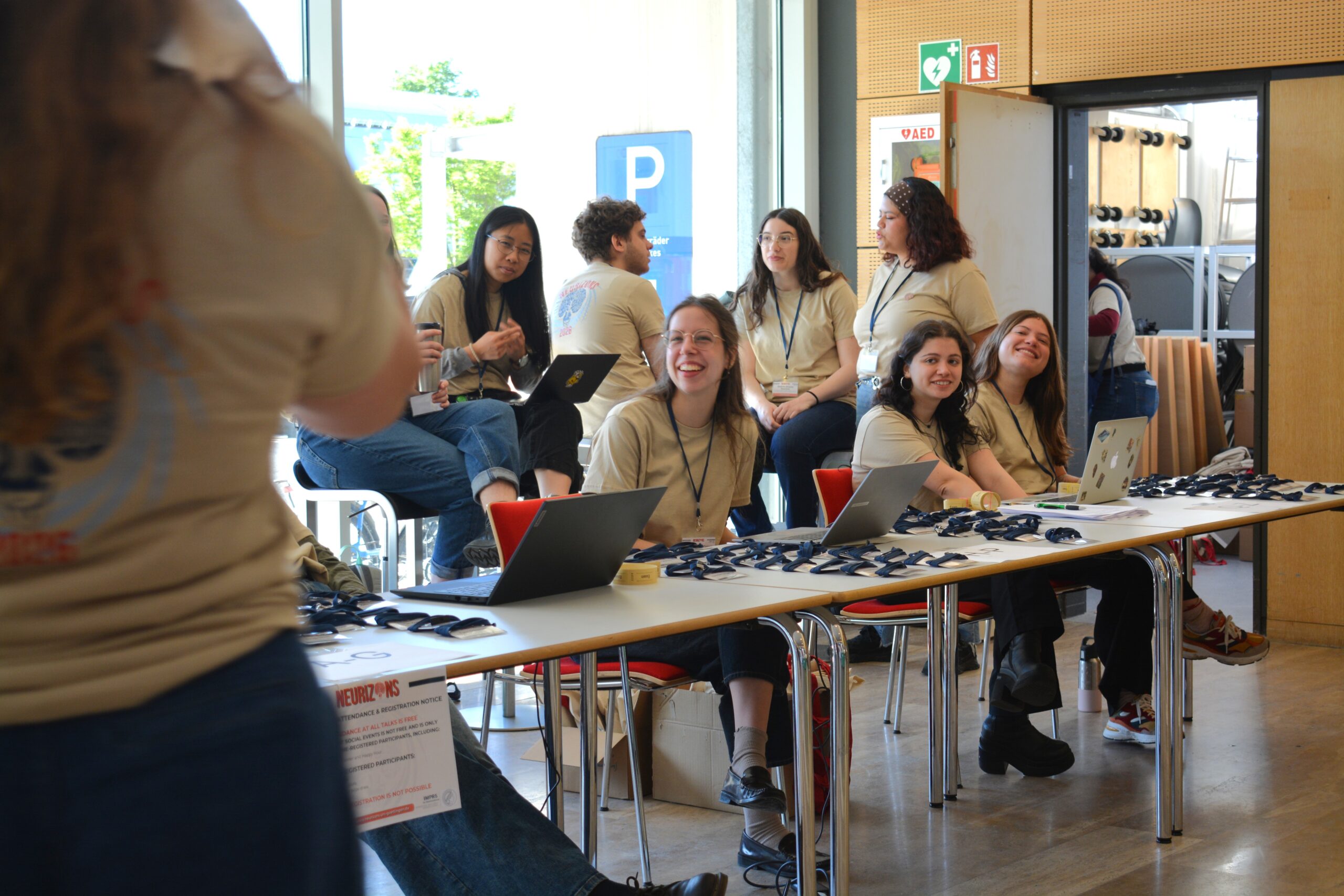
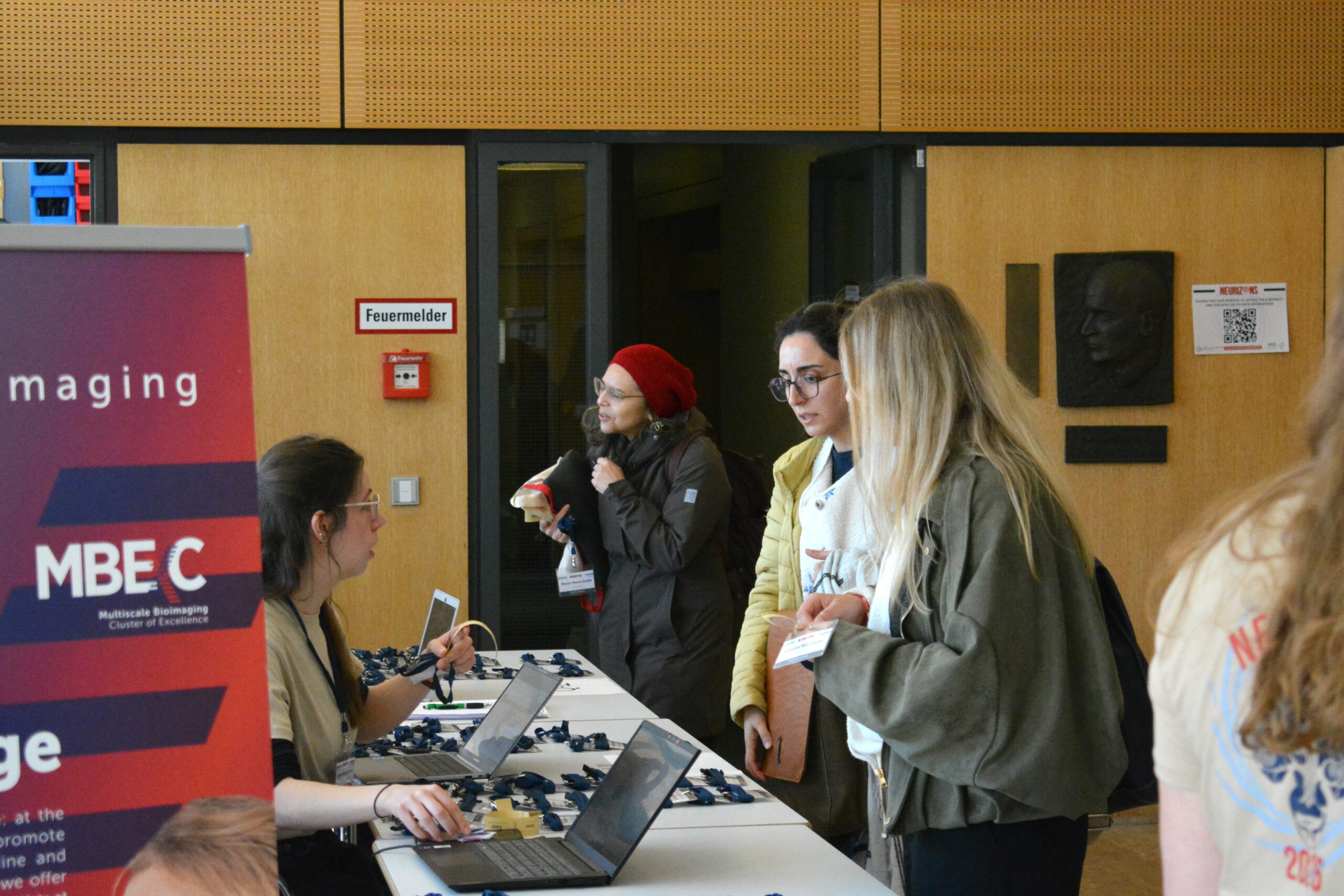
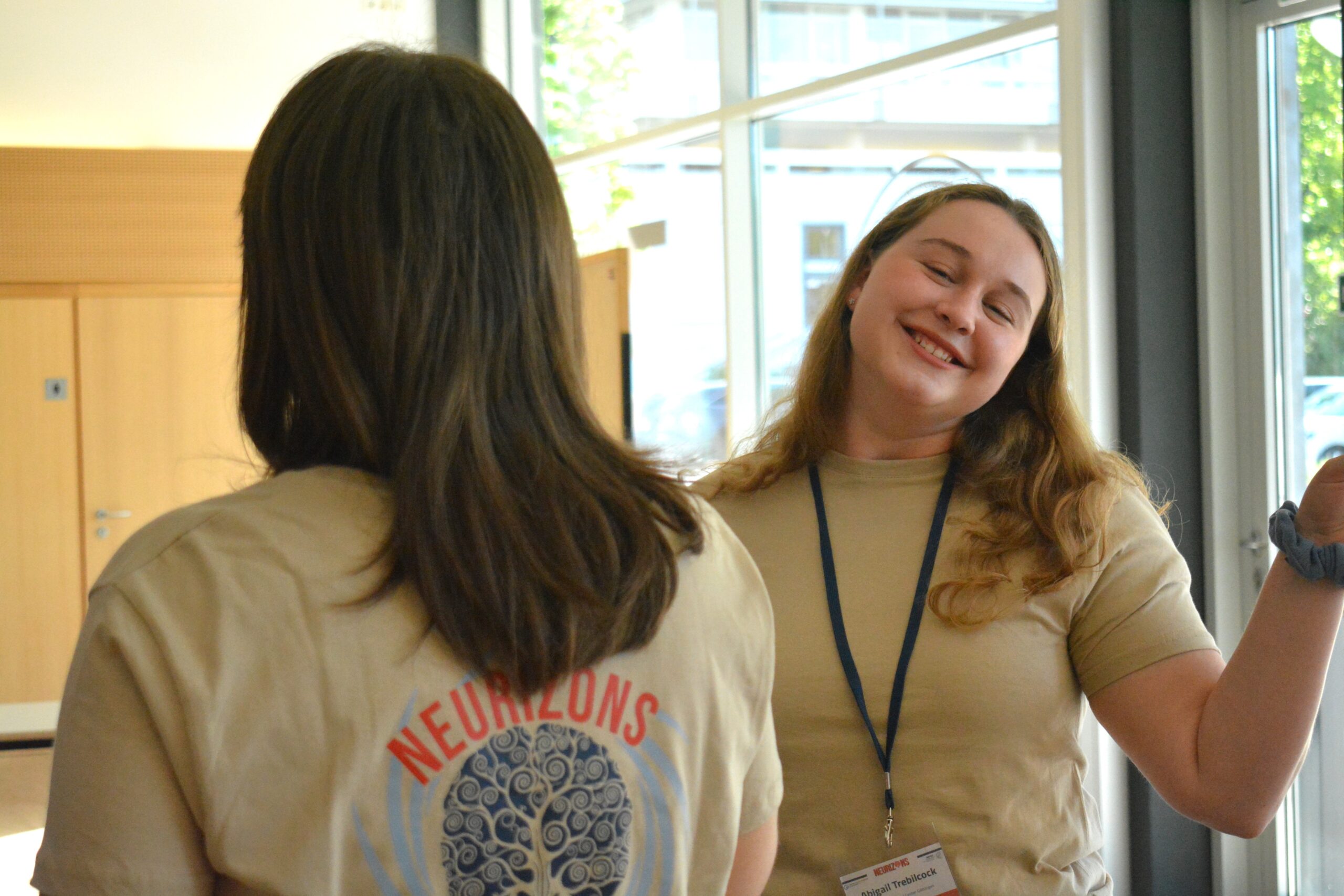
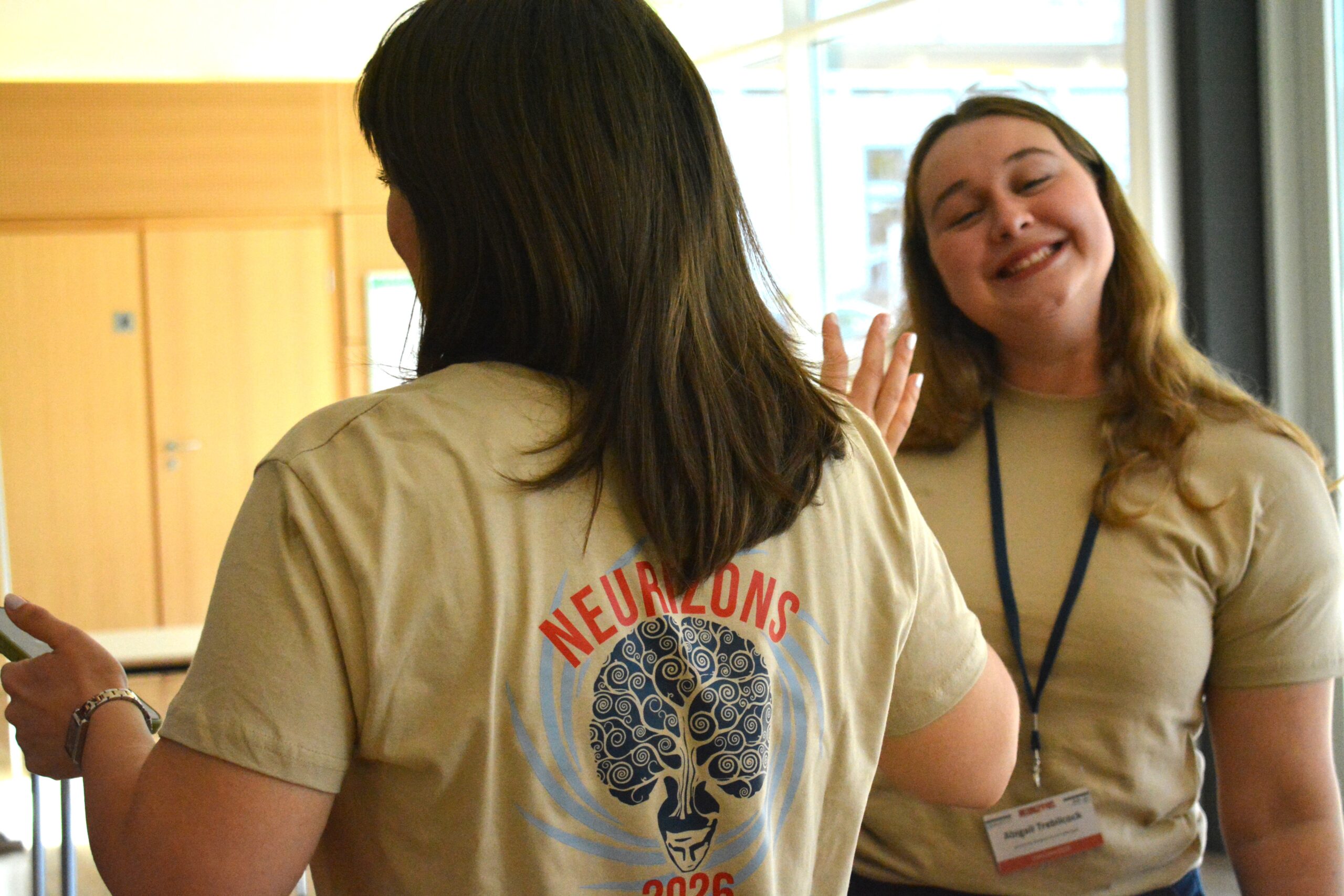
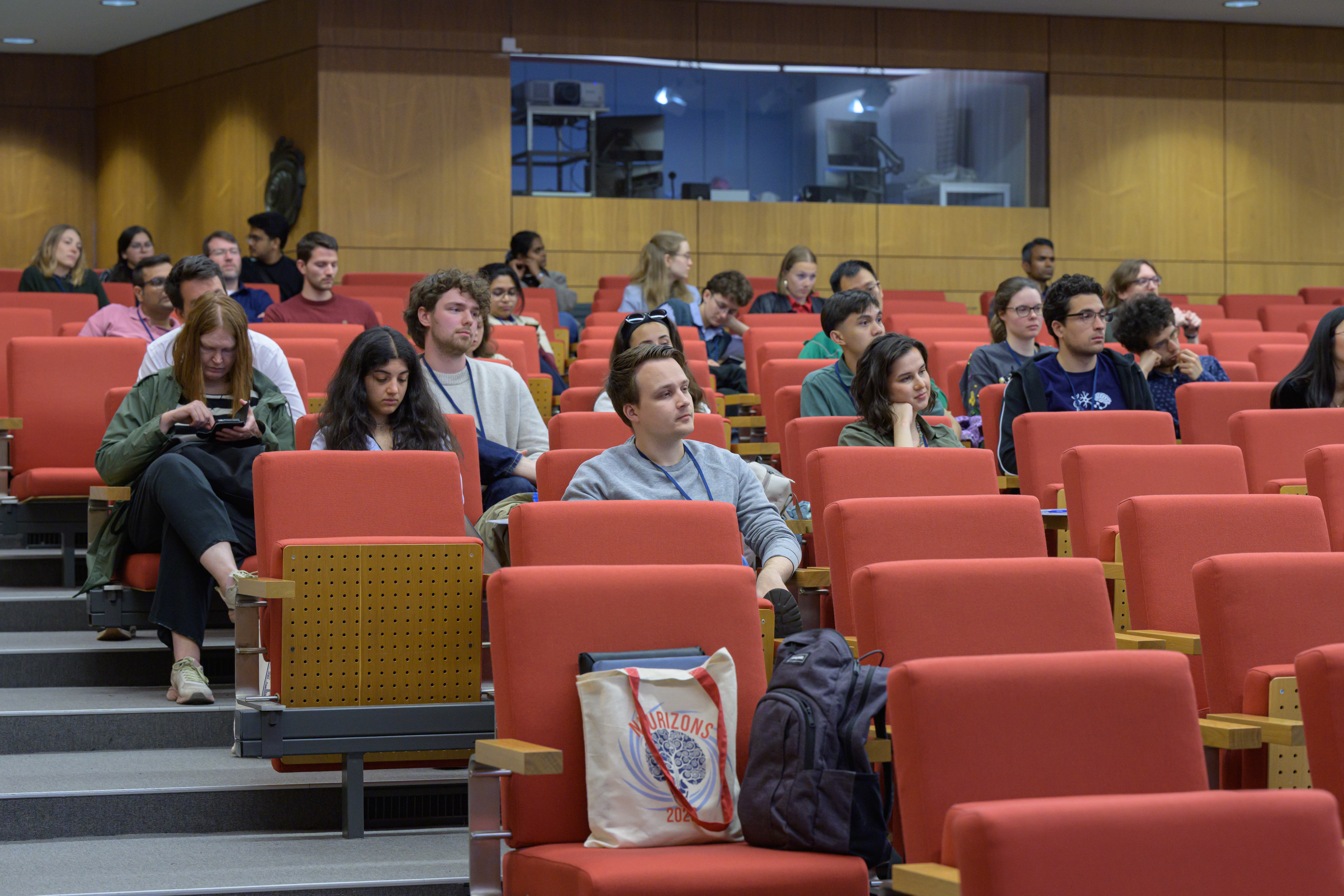
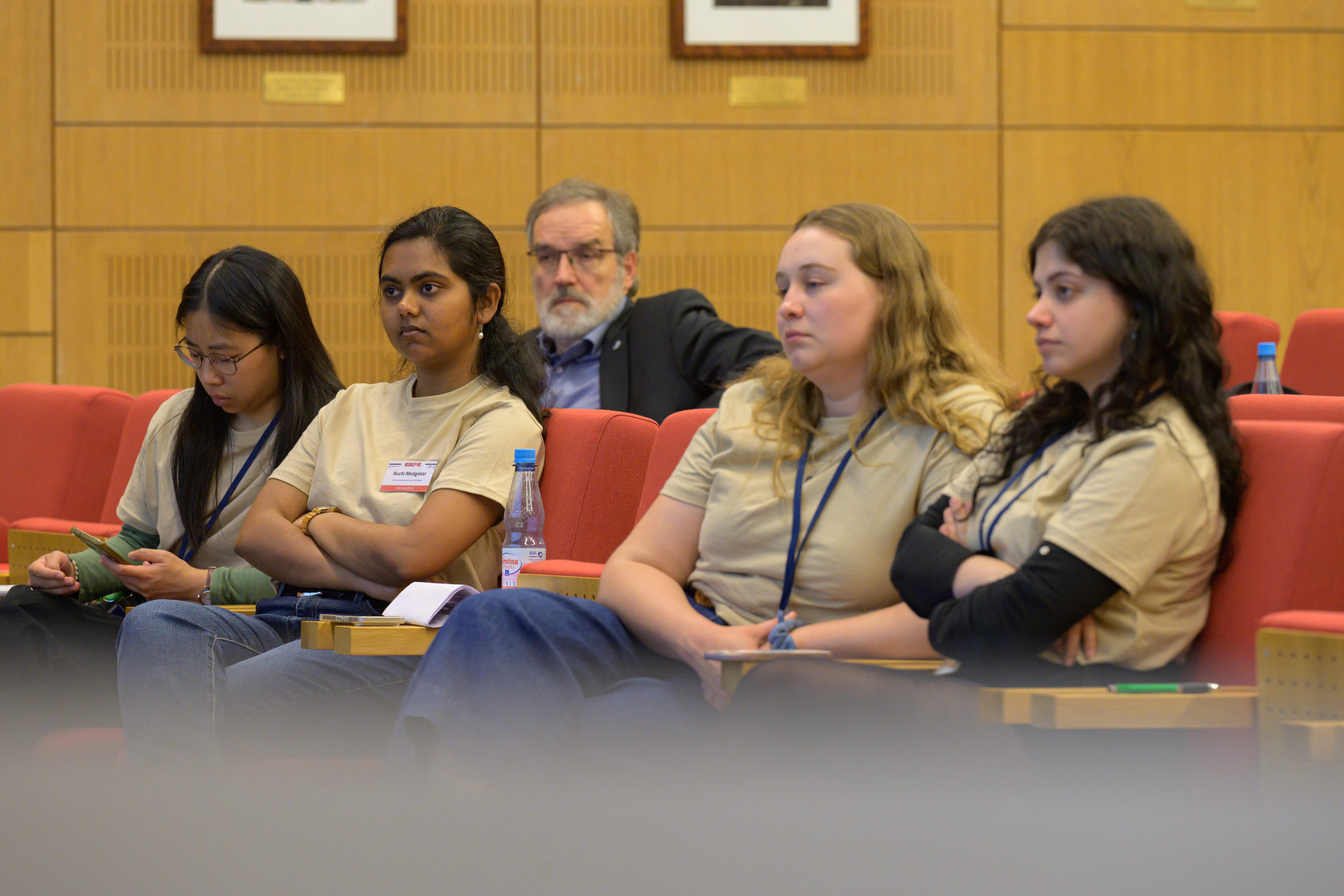
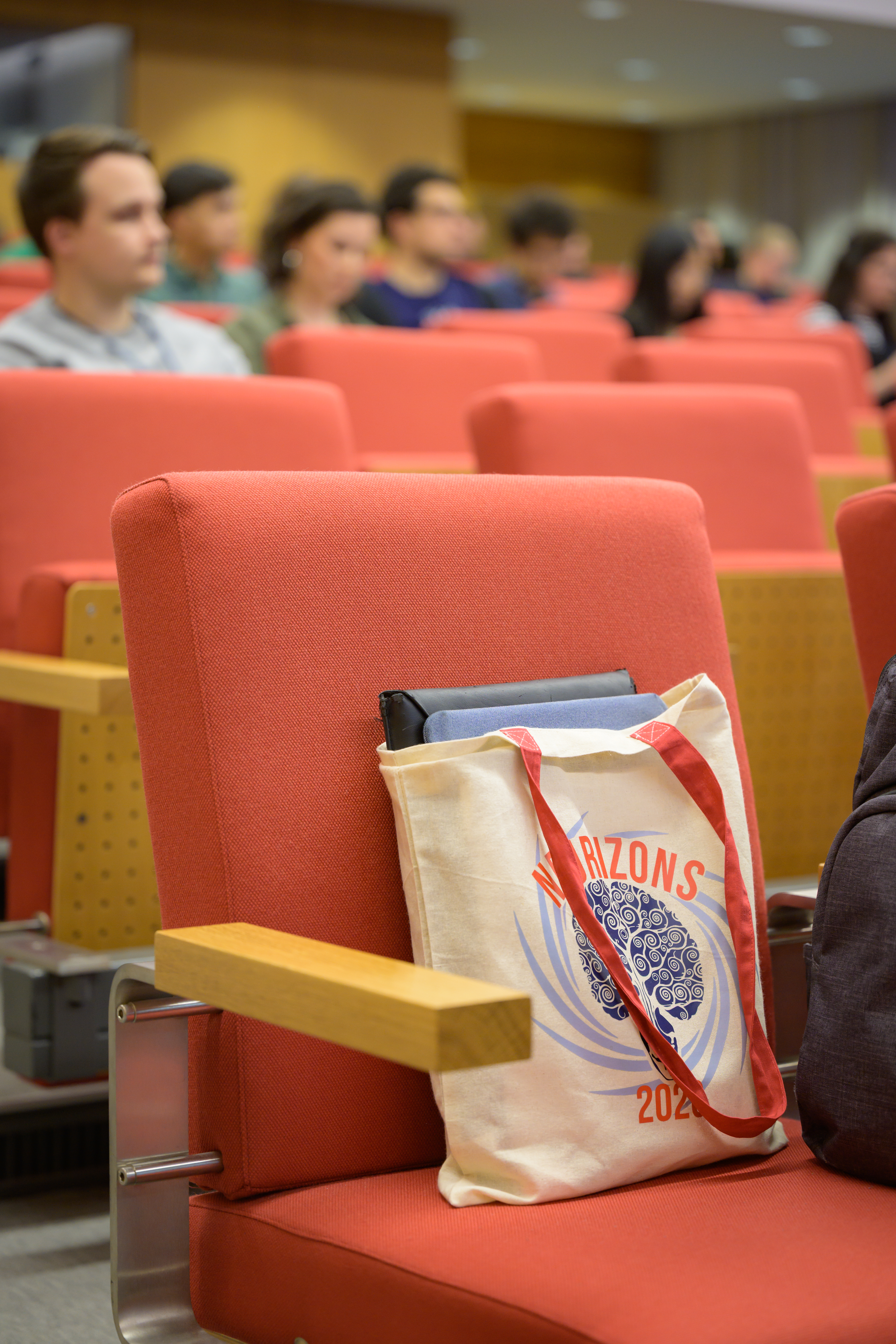
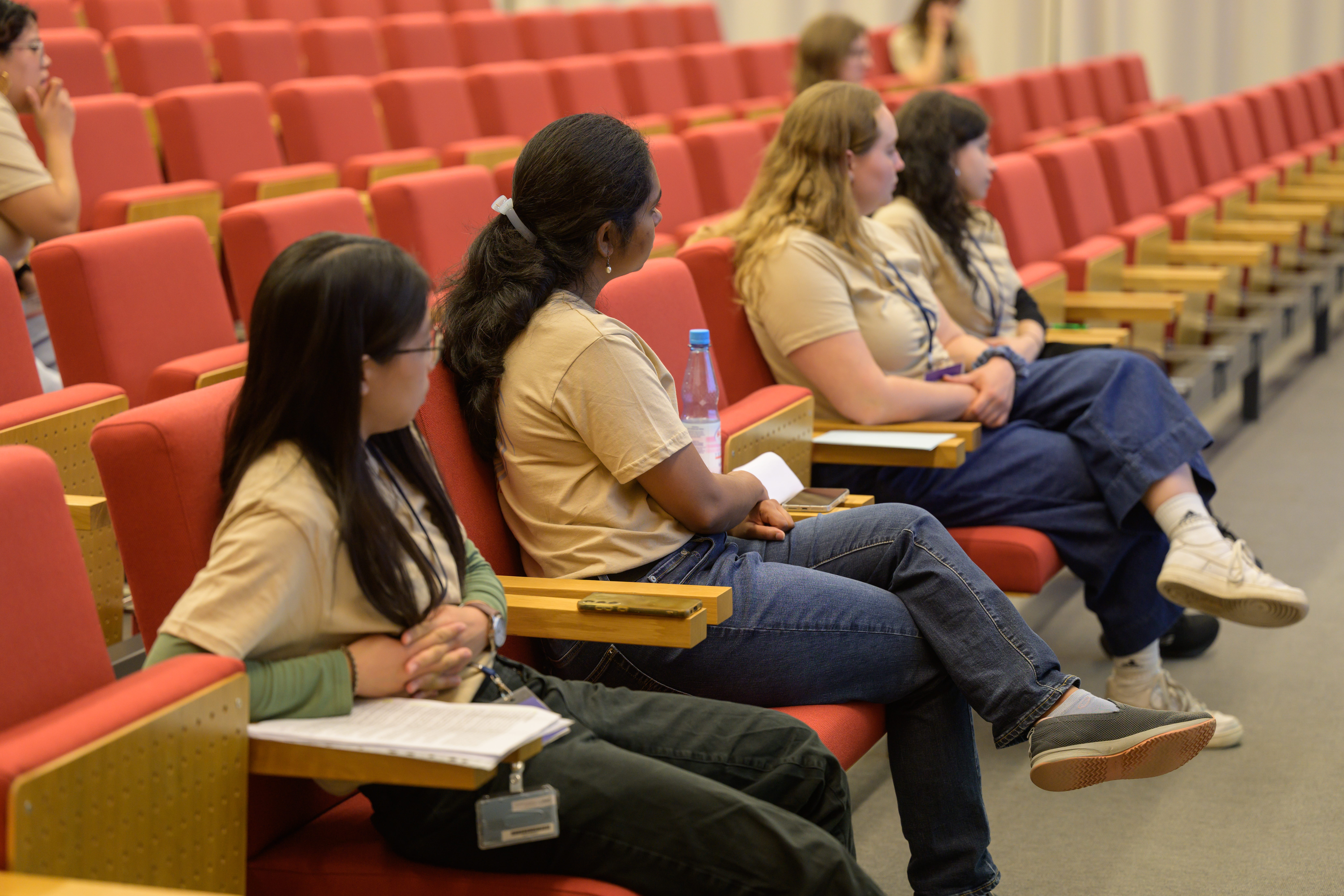
From the 19th to the 22nd of May, Faßberg was buzzing with people attending the 12th edition of Neurizons. As a small, PhD student-organised conference, it was full of the fresh faces of early career researchers; it was delightful to see them taking centre stage.
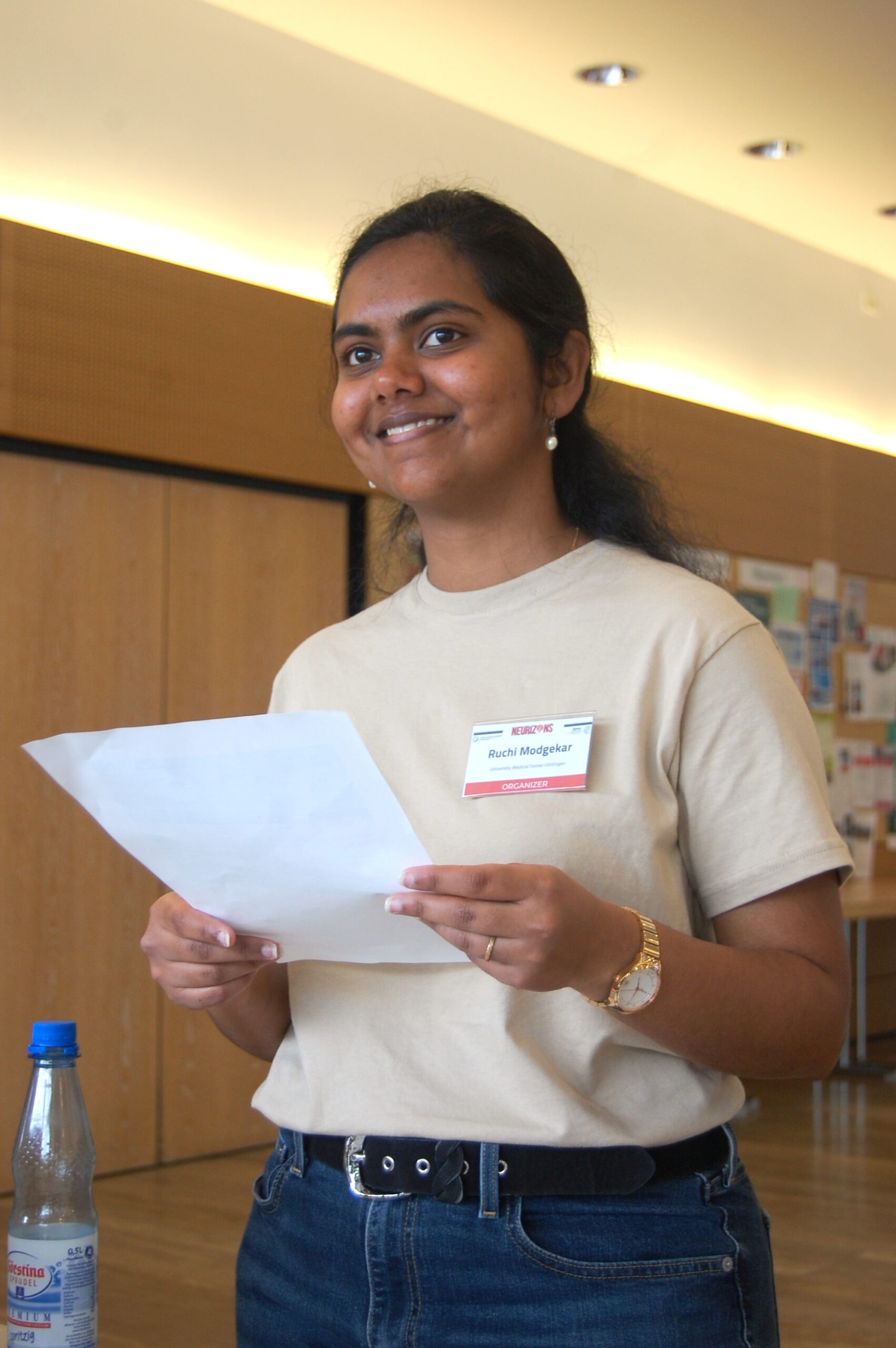
A year earlier, 21 PhD students of the IMPRS for Neurosciences got together to start organising the 2026 edition of our biennial conference. From very early on, we focused on representation. We wanted to have at least equal representation of female speakers. We also wanted to bring speakers from outside Europe, USA and Canada. Finally, we wanted to provide opportunities for fellow early career researchers to present their work and connect with each other. We quickly realised that improving representation is not easy in the face of systemic issues. Family responsibilities were often a concern for female invitees, but never for their male counterparts. For speakers from further away, travel costs and potential visa issues made this difficult. Nevertheless, we were able to host a speaker from Mexico, one from Japan and one from often underrepresented Portugal, and our speakers were gender-balanced.
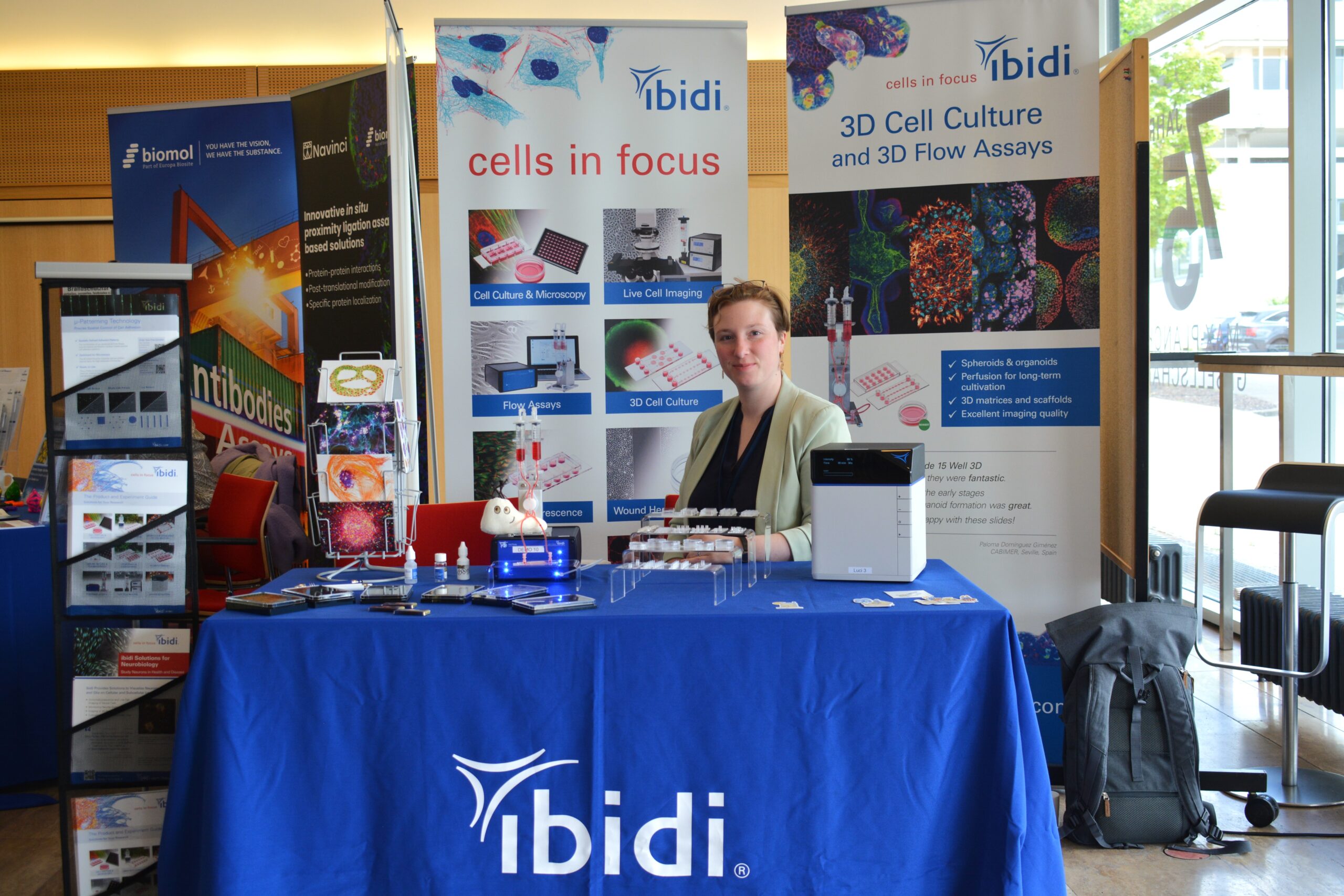
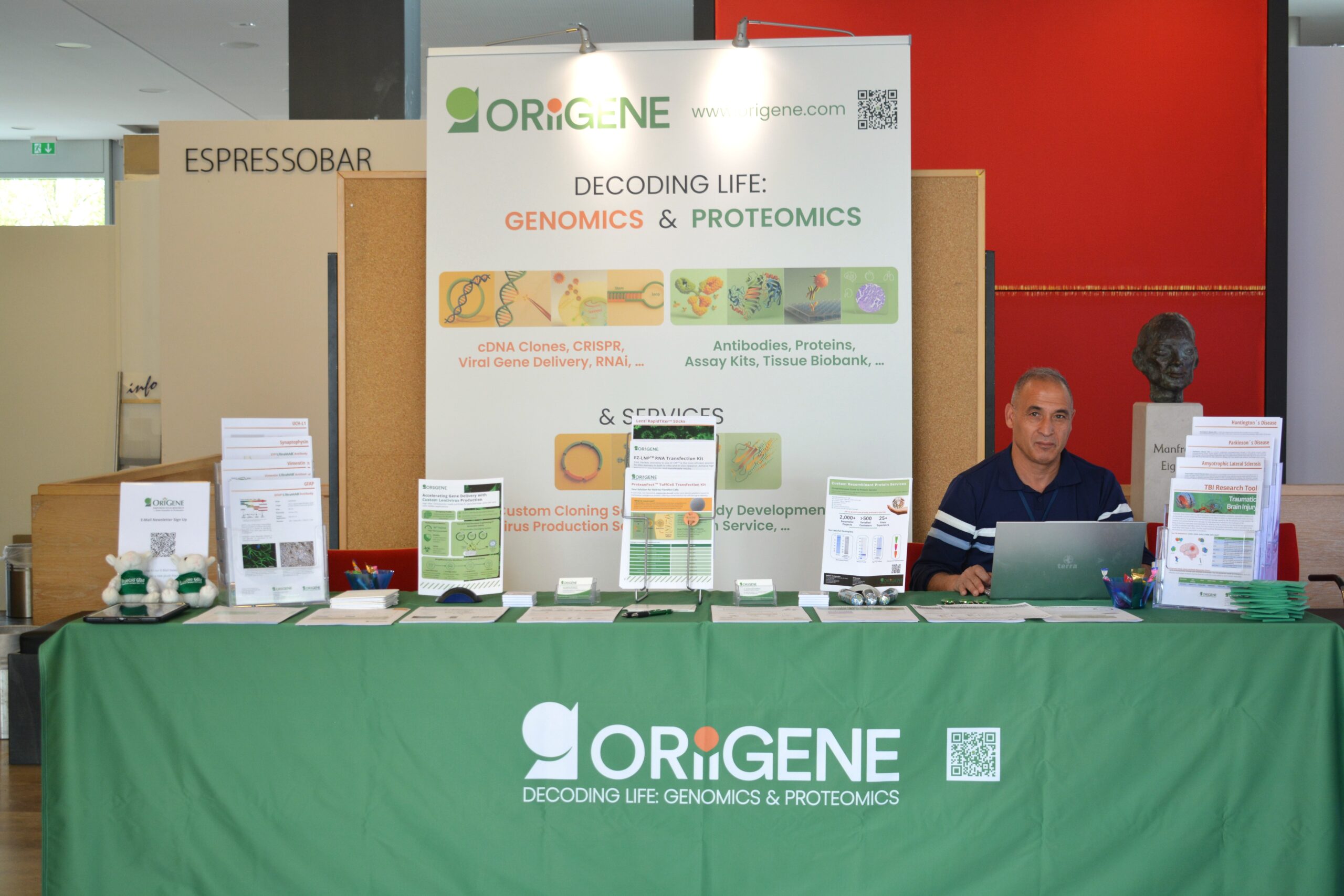
The path to the conference was not without issues. Some funding sources were lacking, but a number of local RTGs, SFBs, research centres and graduate colleges very kindly stepped up to help us. Last-minute health issues hit some invitees, resulting in a cancelled career fair workshop and some talks being delivered via Zoom. A bus strike was also announced two working days before the start of Neurizons. Fassberg is quite inaccessible without local buses, but our participants did not disappoint and still made it on those two days, arriving tired and out of breath, but still in a cheerful and positive mood.
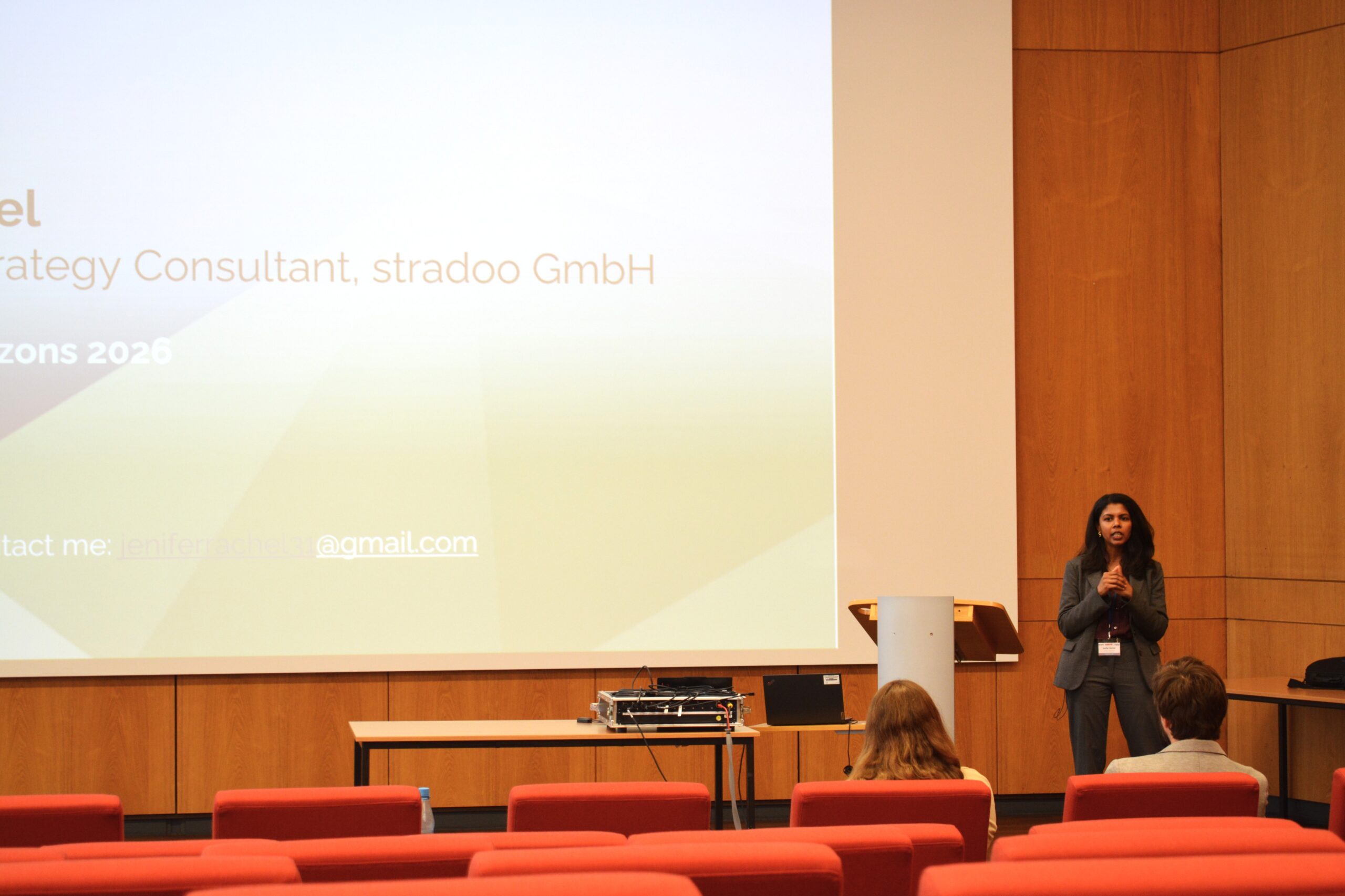
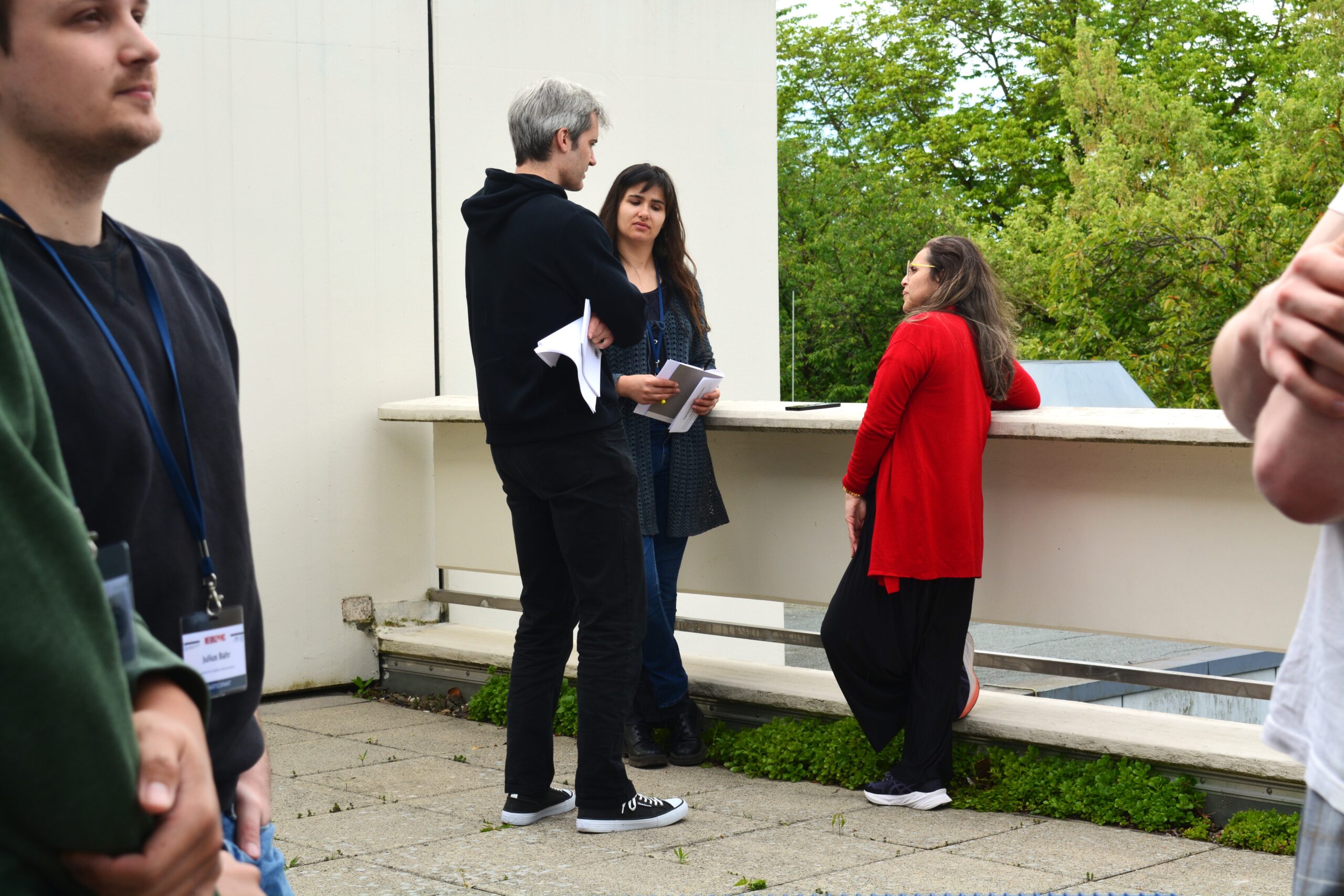
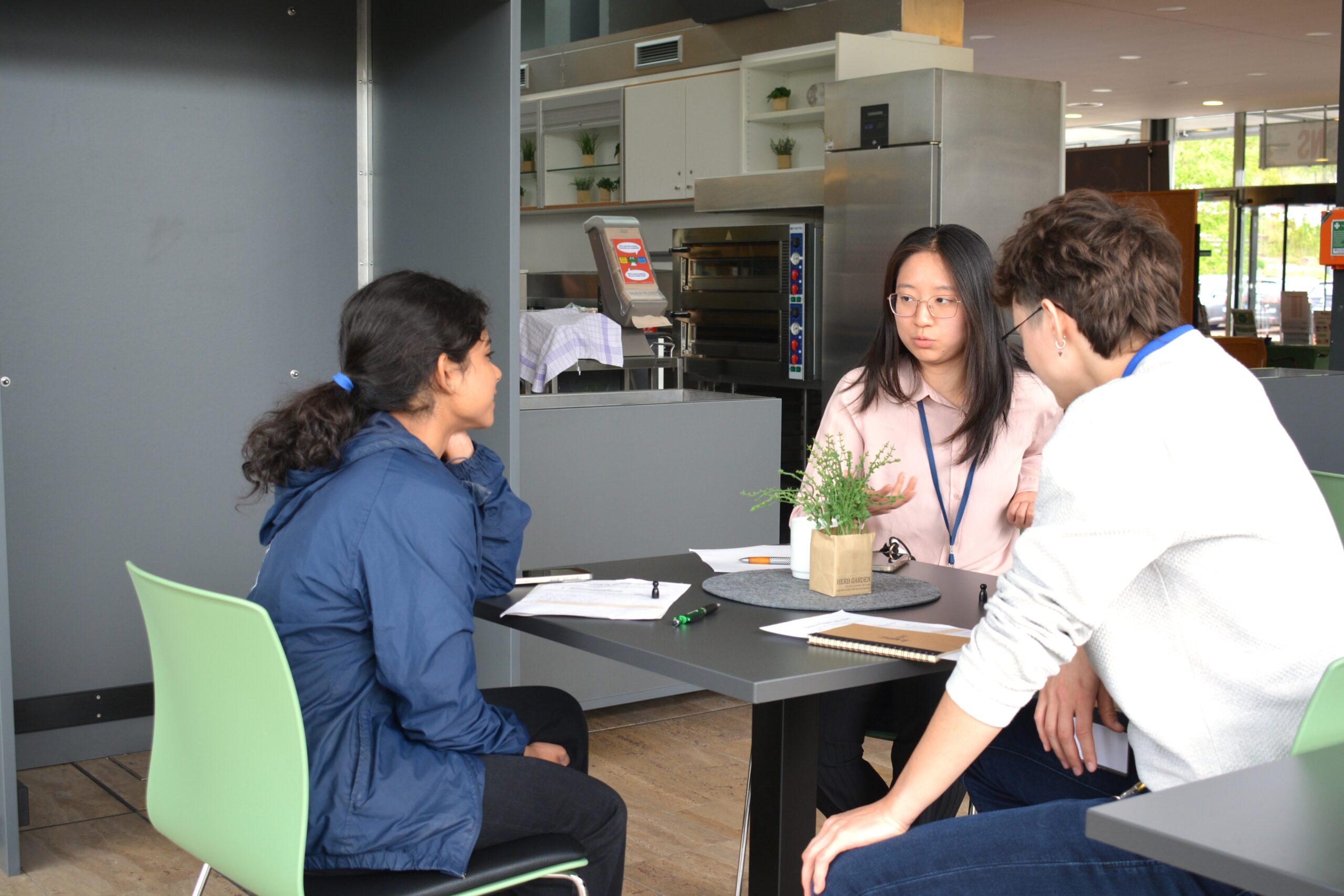
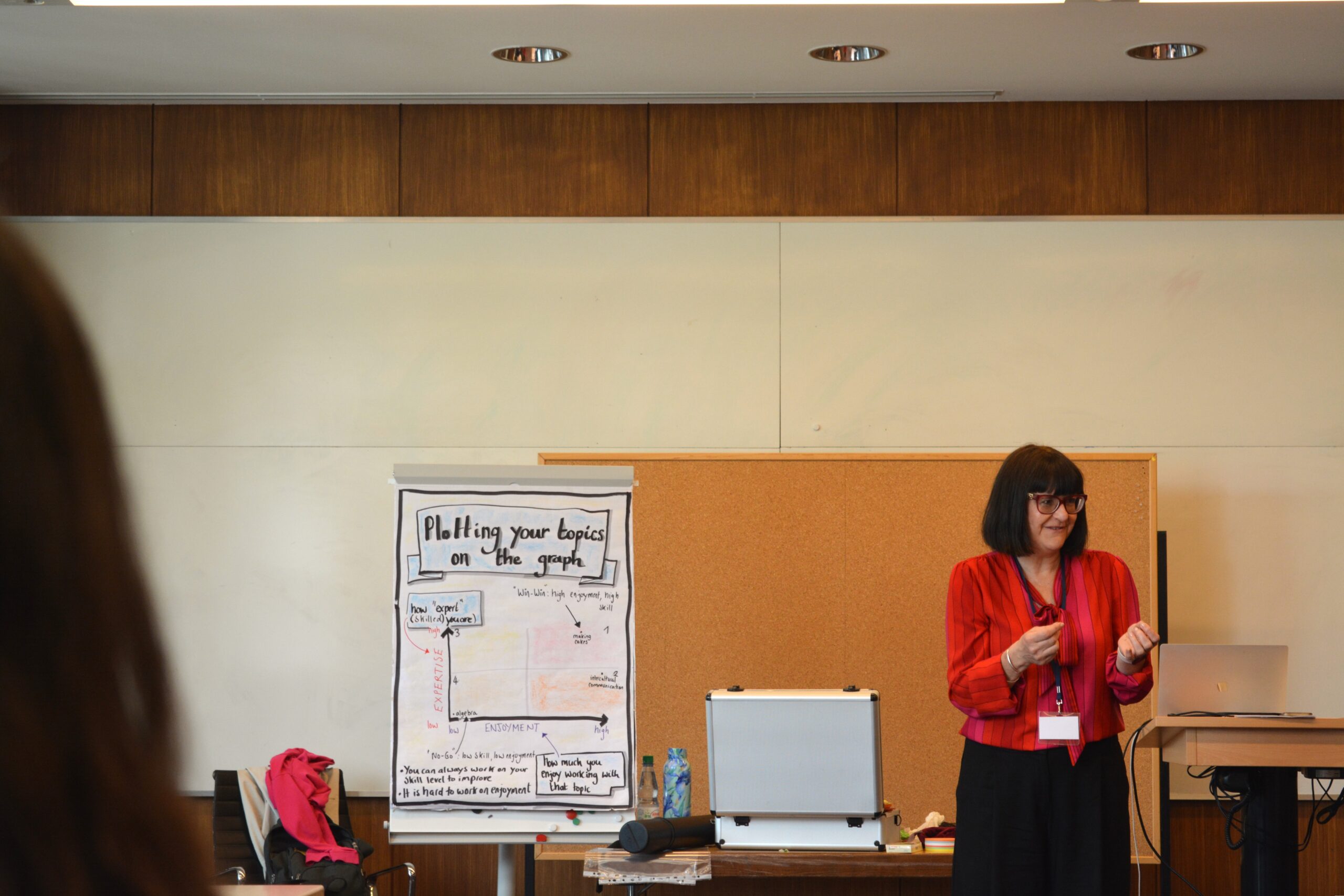
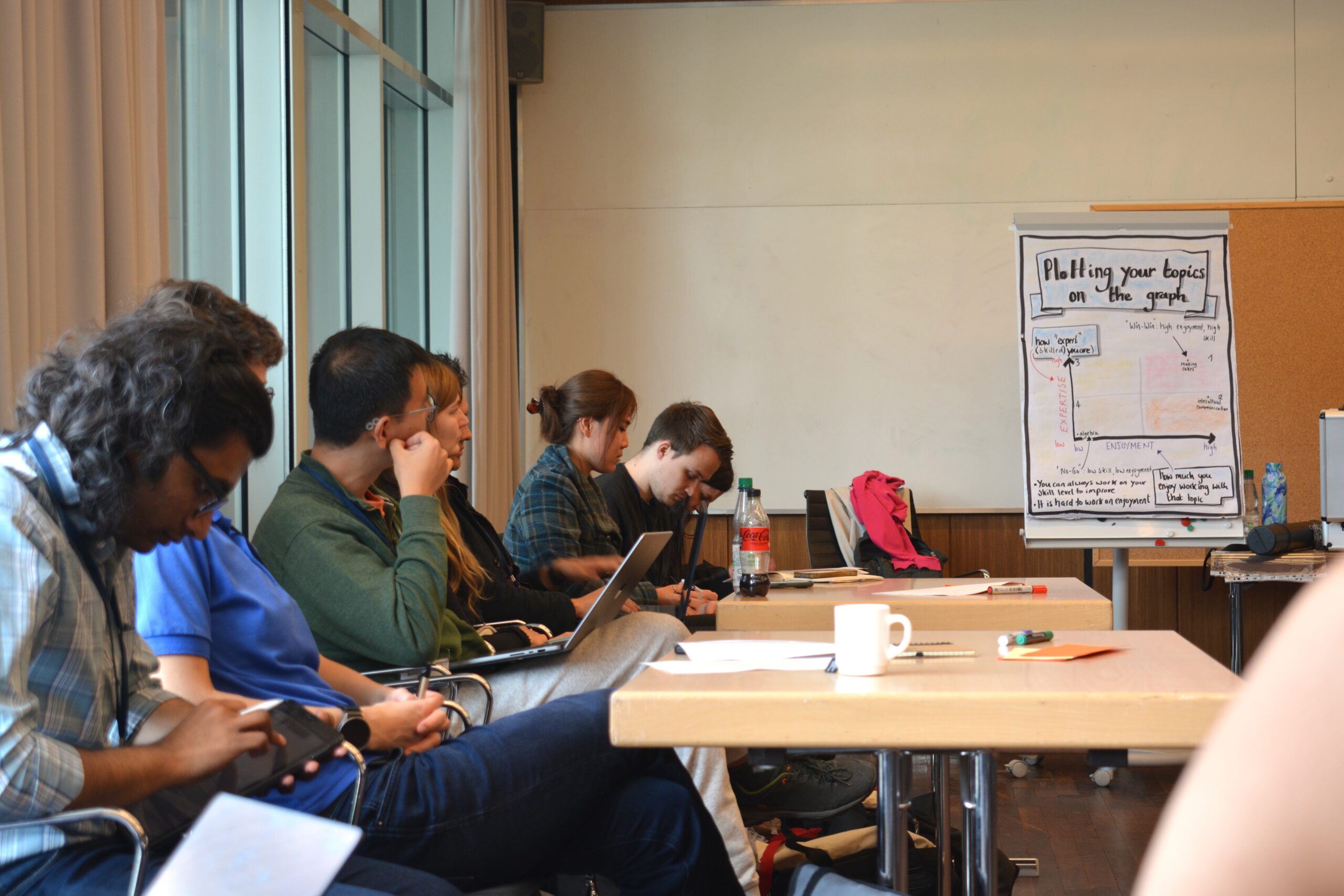
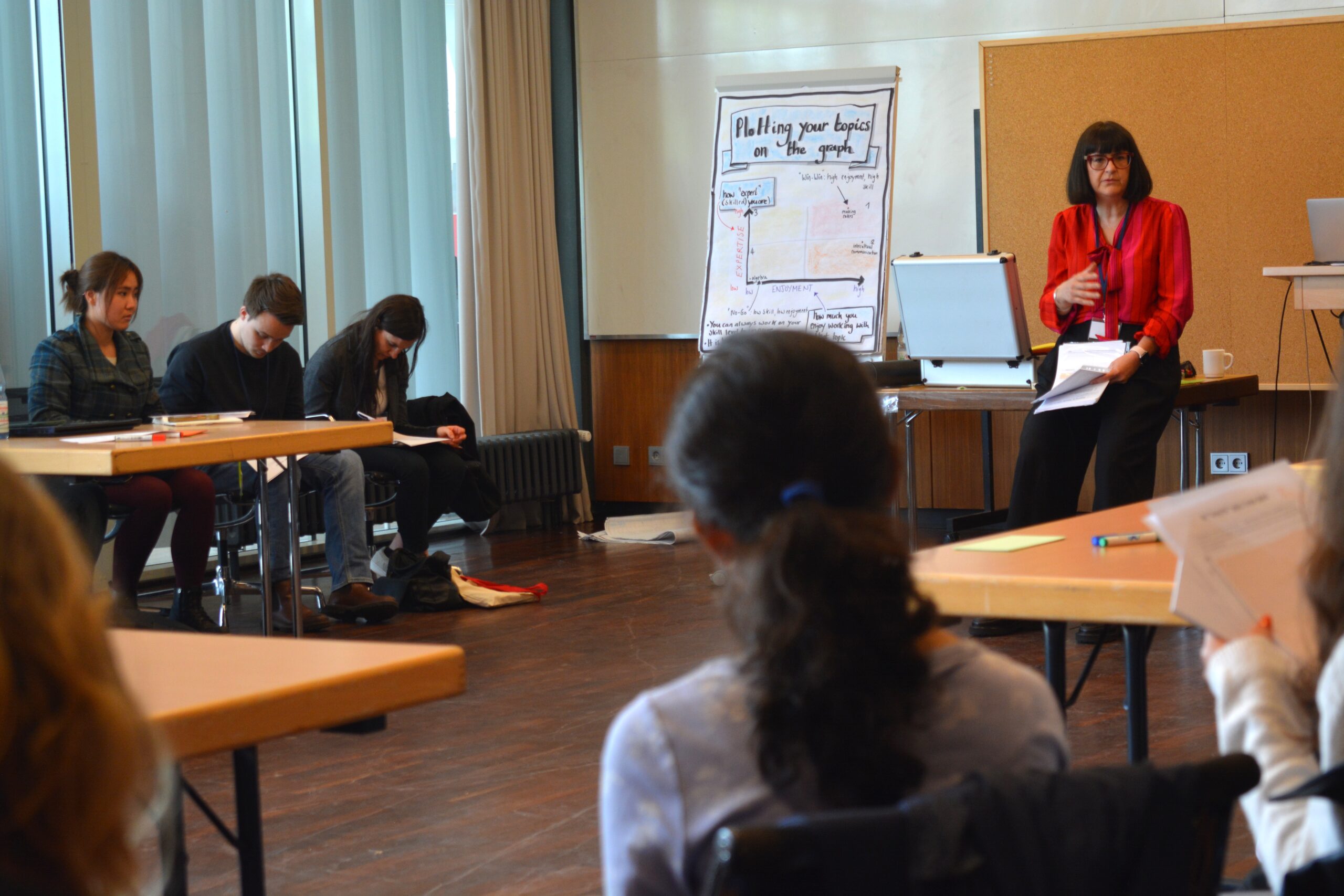
Suddenly, it had been a year since we had started preparing for Neurizons, and it was time to see the fruits of our work! On the first day, the career fair, aimed at early career researchers, took place. We hosted professionals with careers in and out of academia, including data analysis, publishing and medical affairs, to talk about how they built their careers. Simultaneously, some participants attended a workshop focused on entering the non-academic job market. Afterwards, we went on a guided tour of the German Primate Centre, where the marmosets were a very cute highlight!
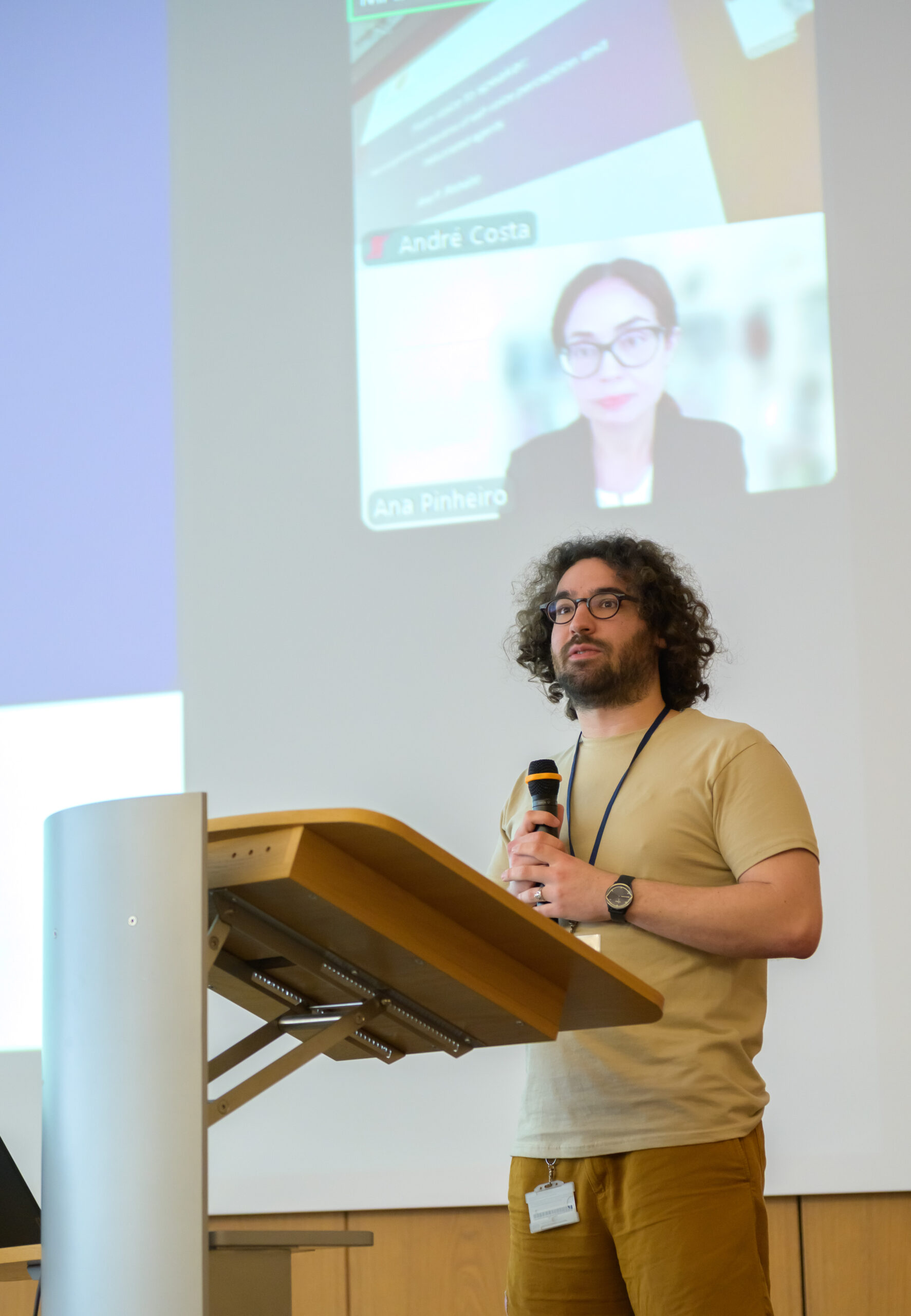
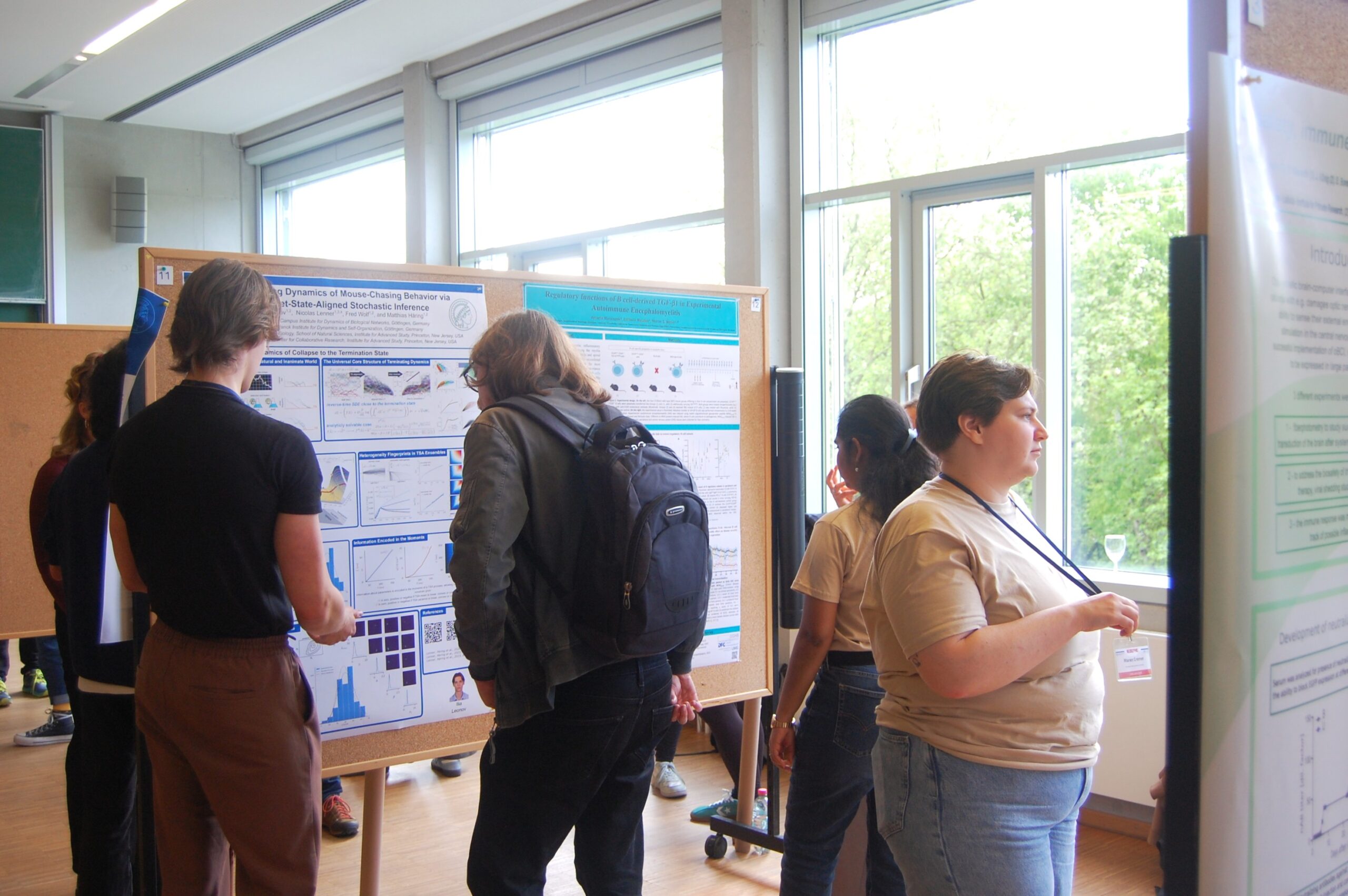
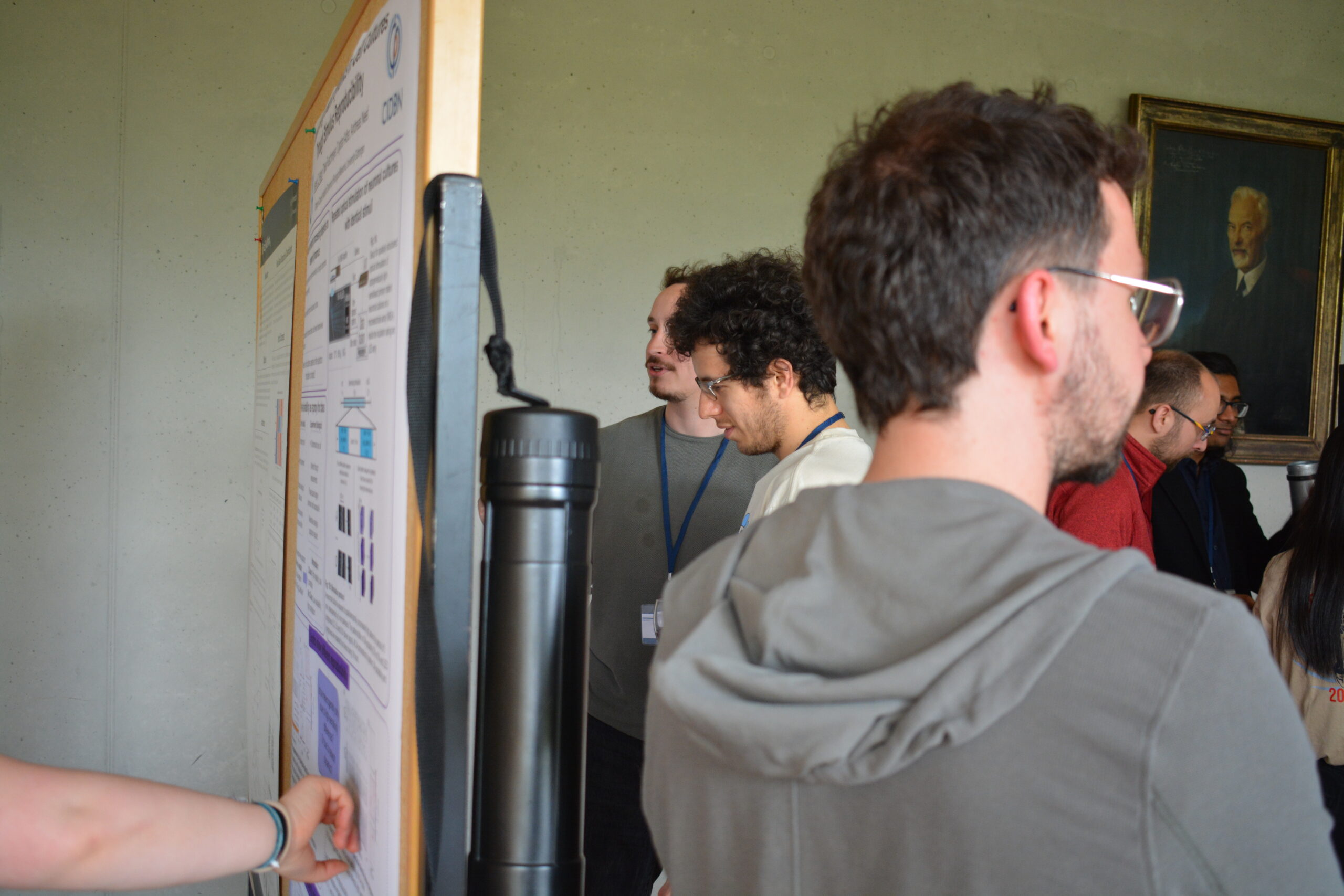
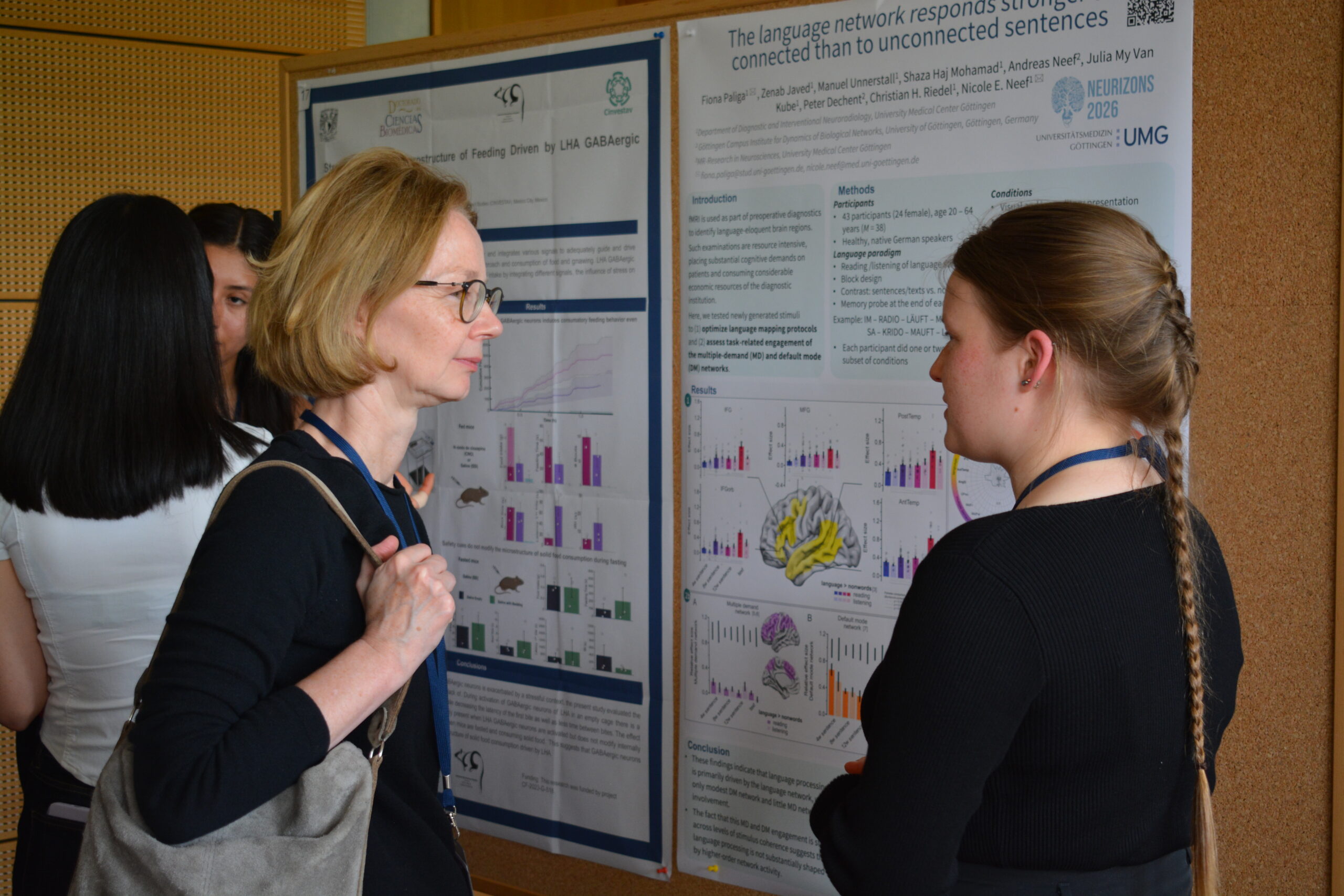
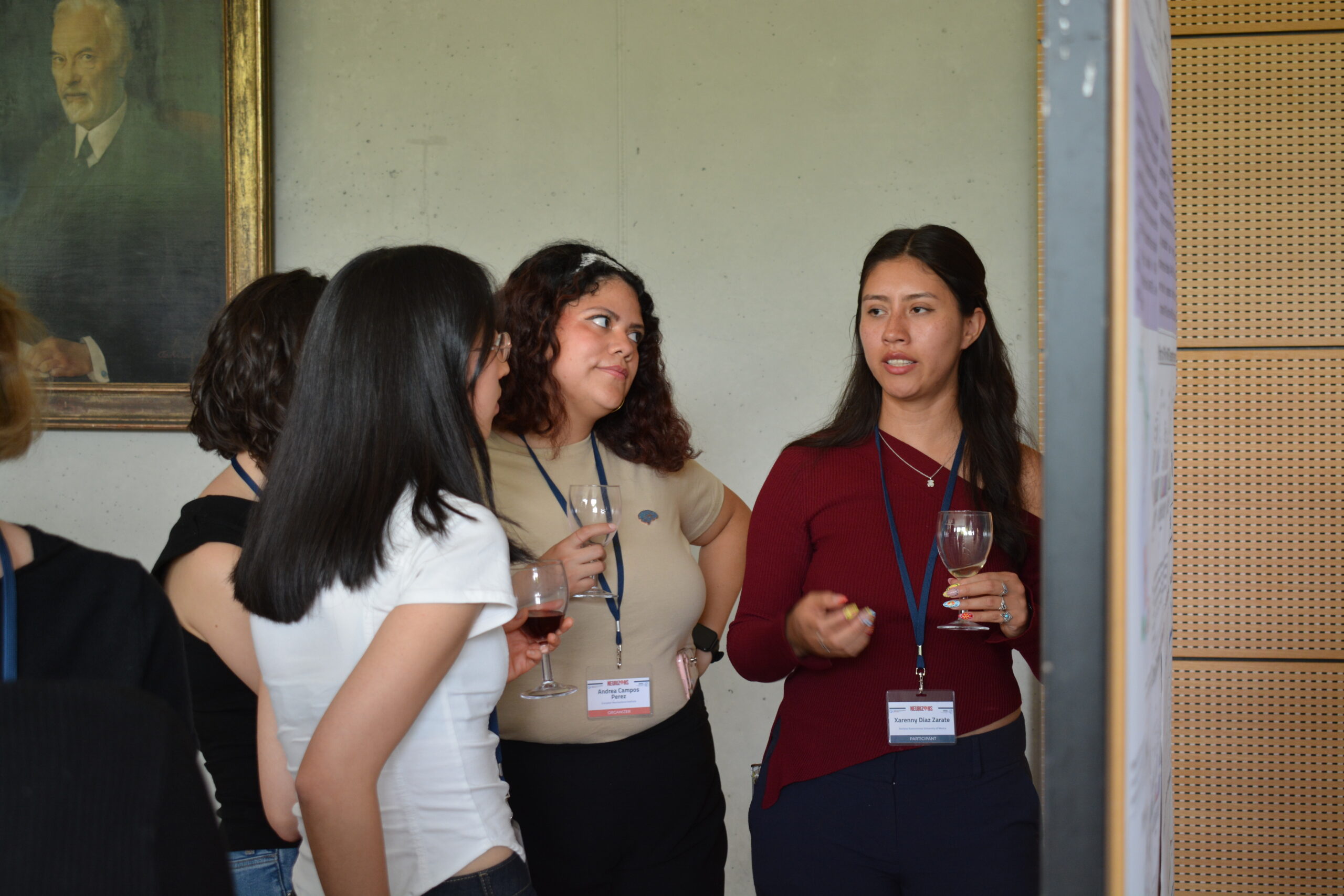
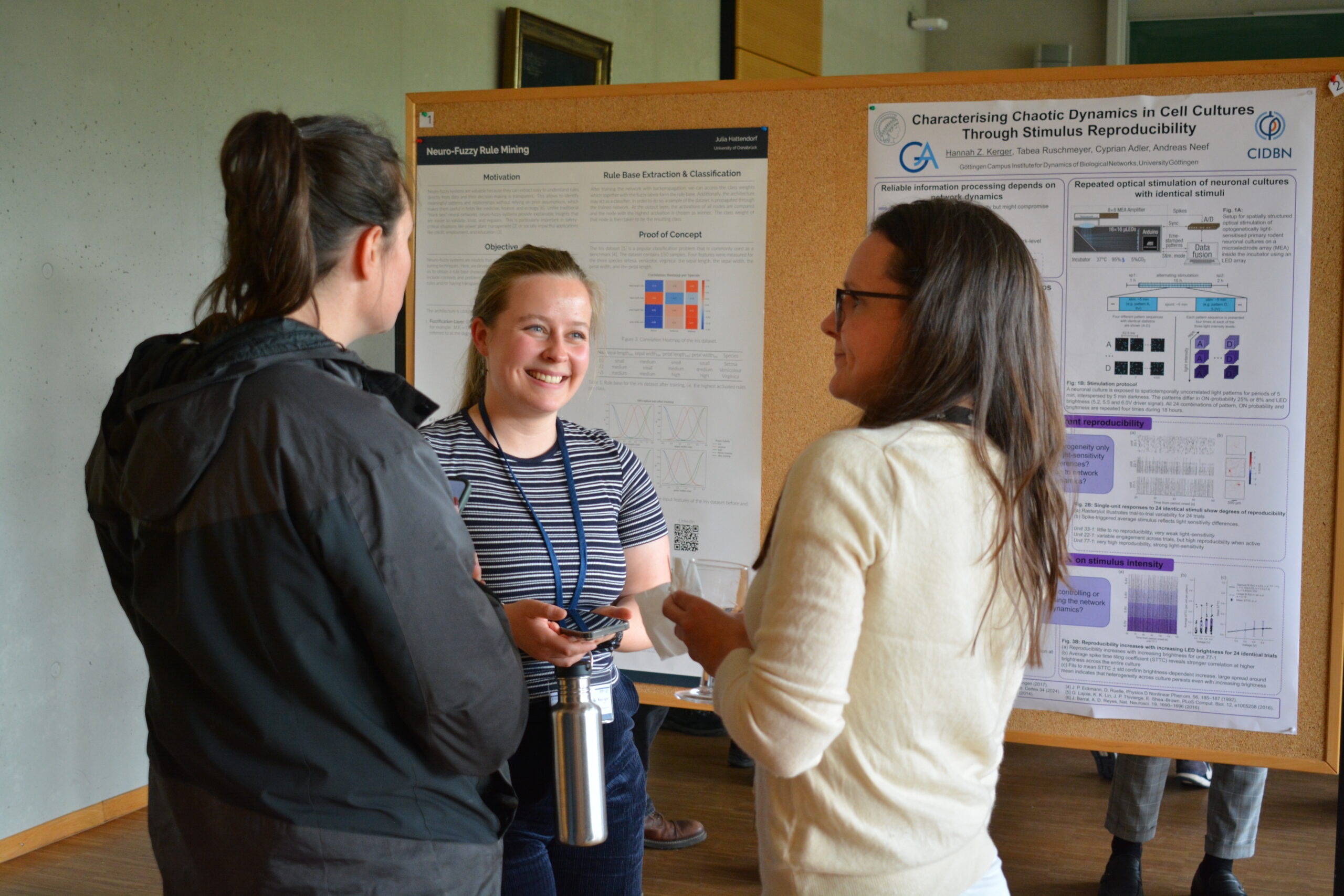
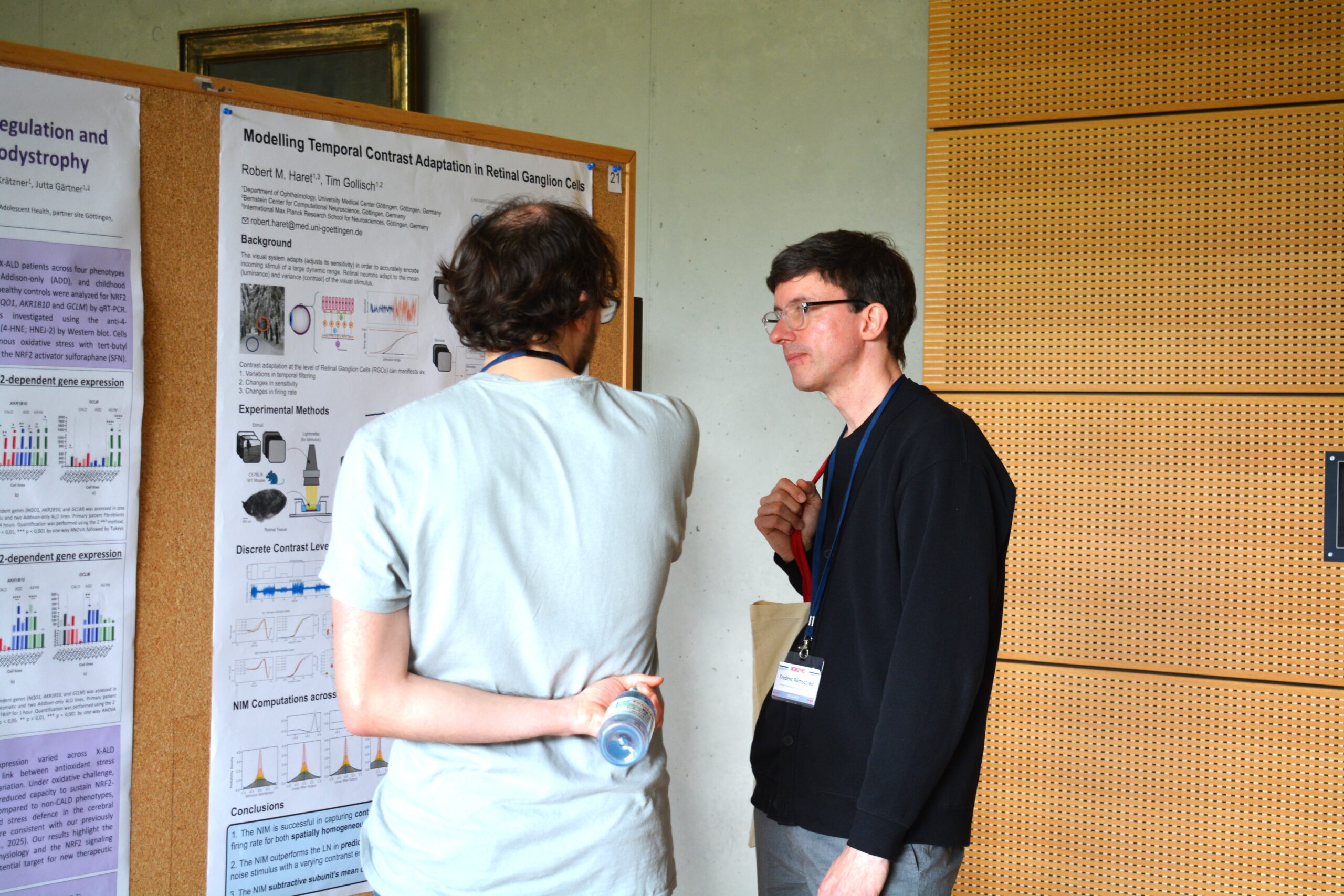
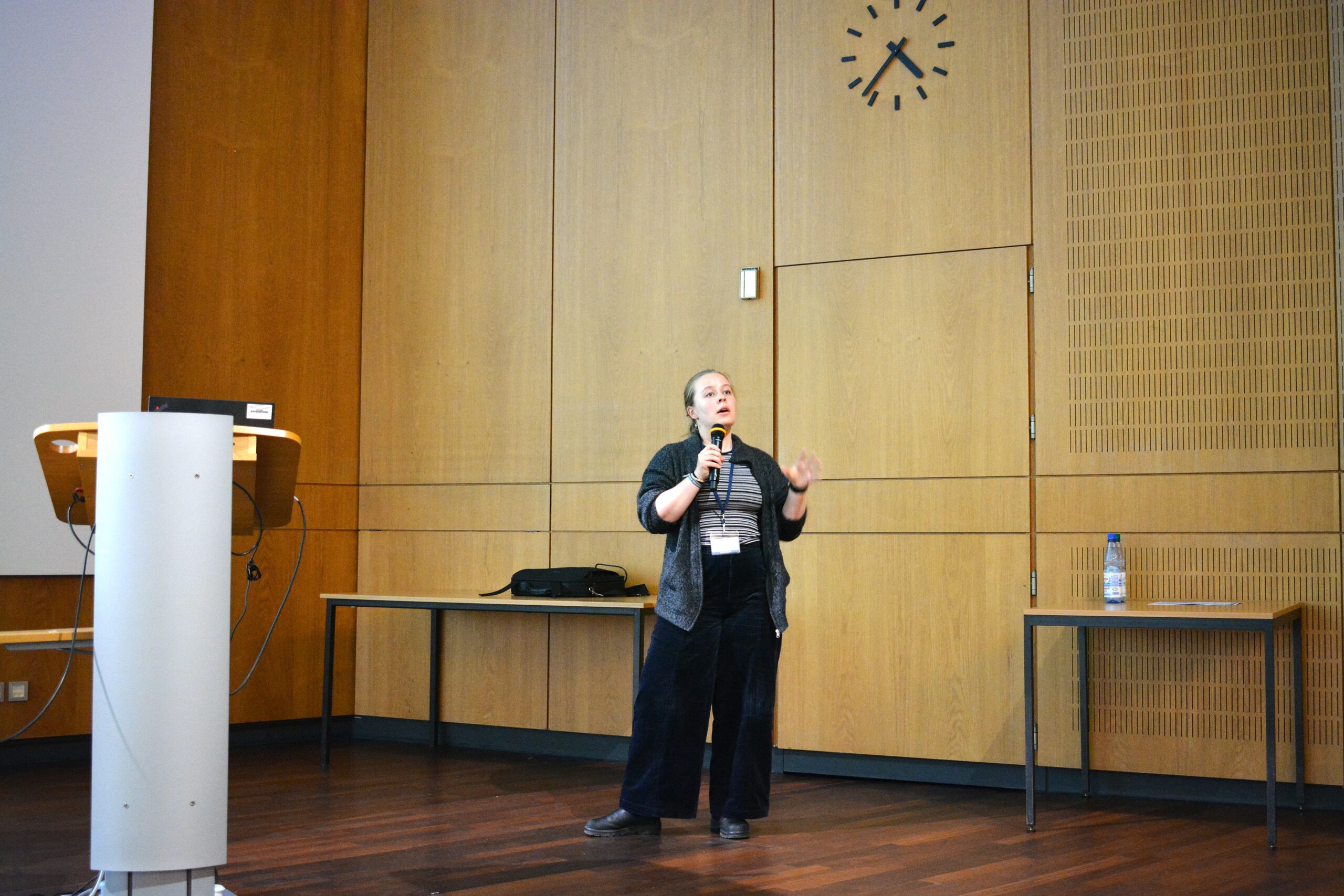
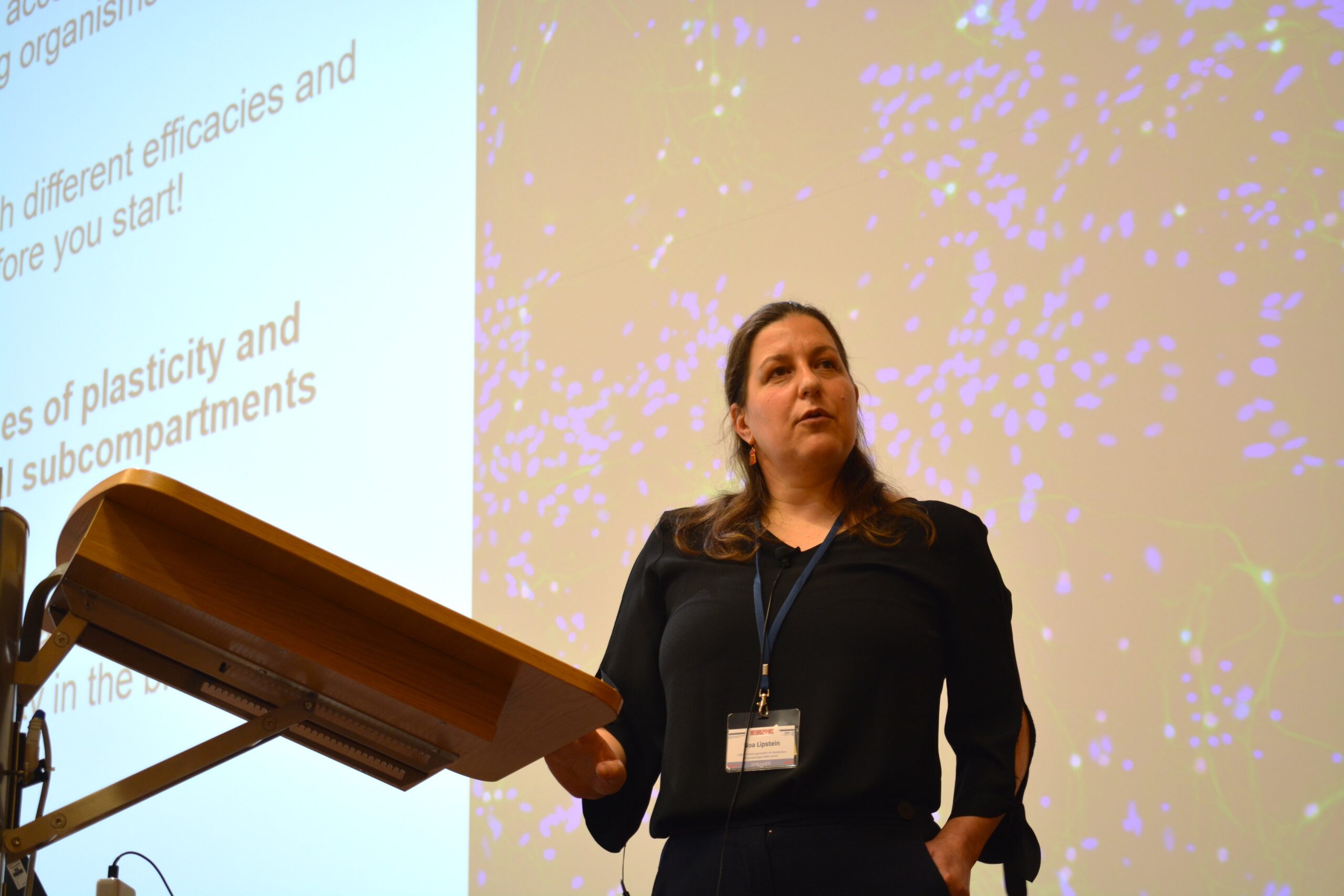
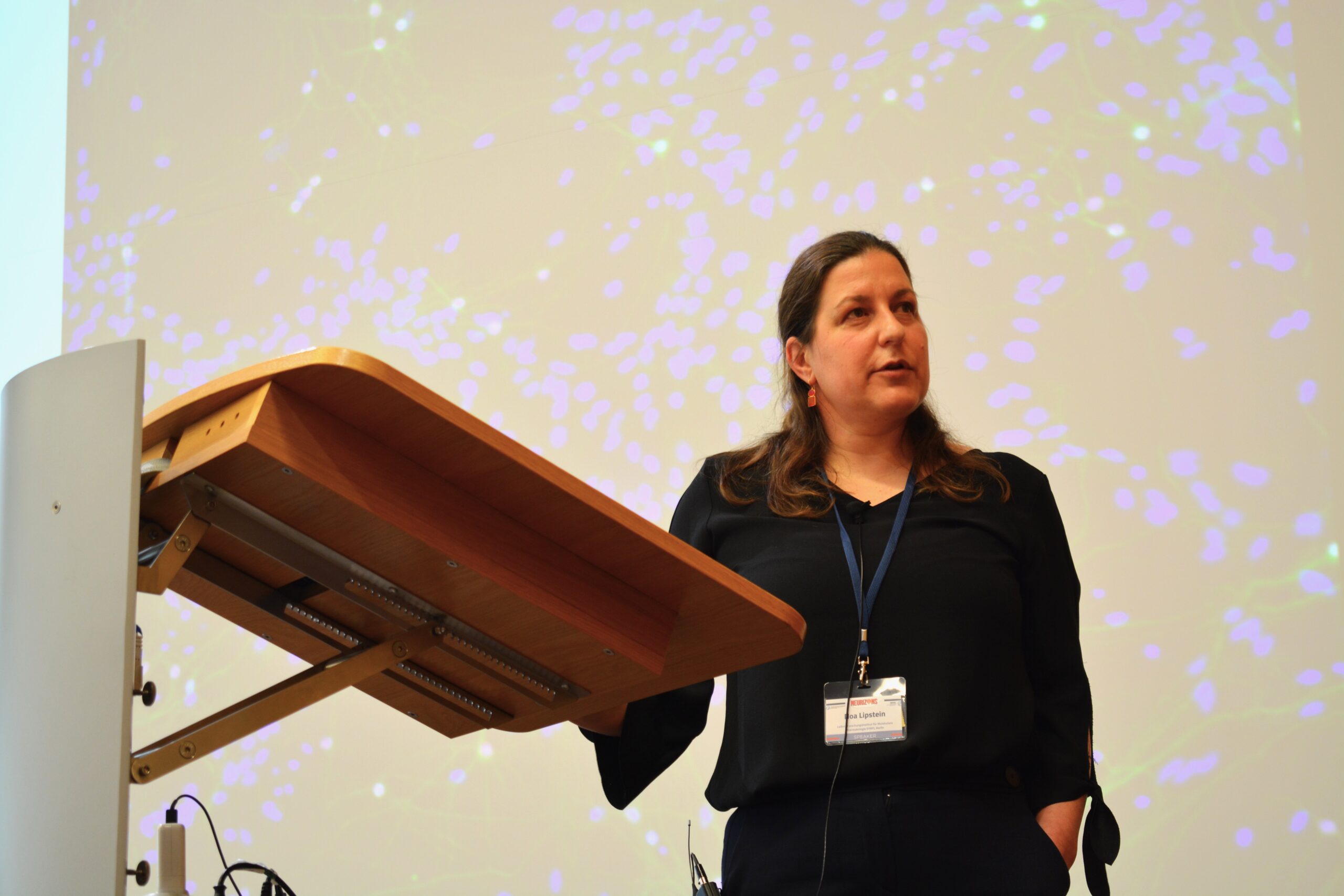
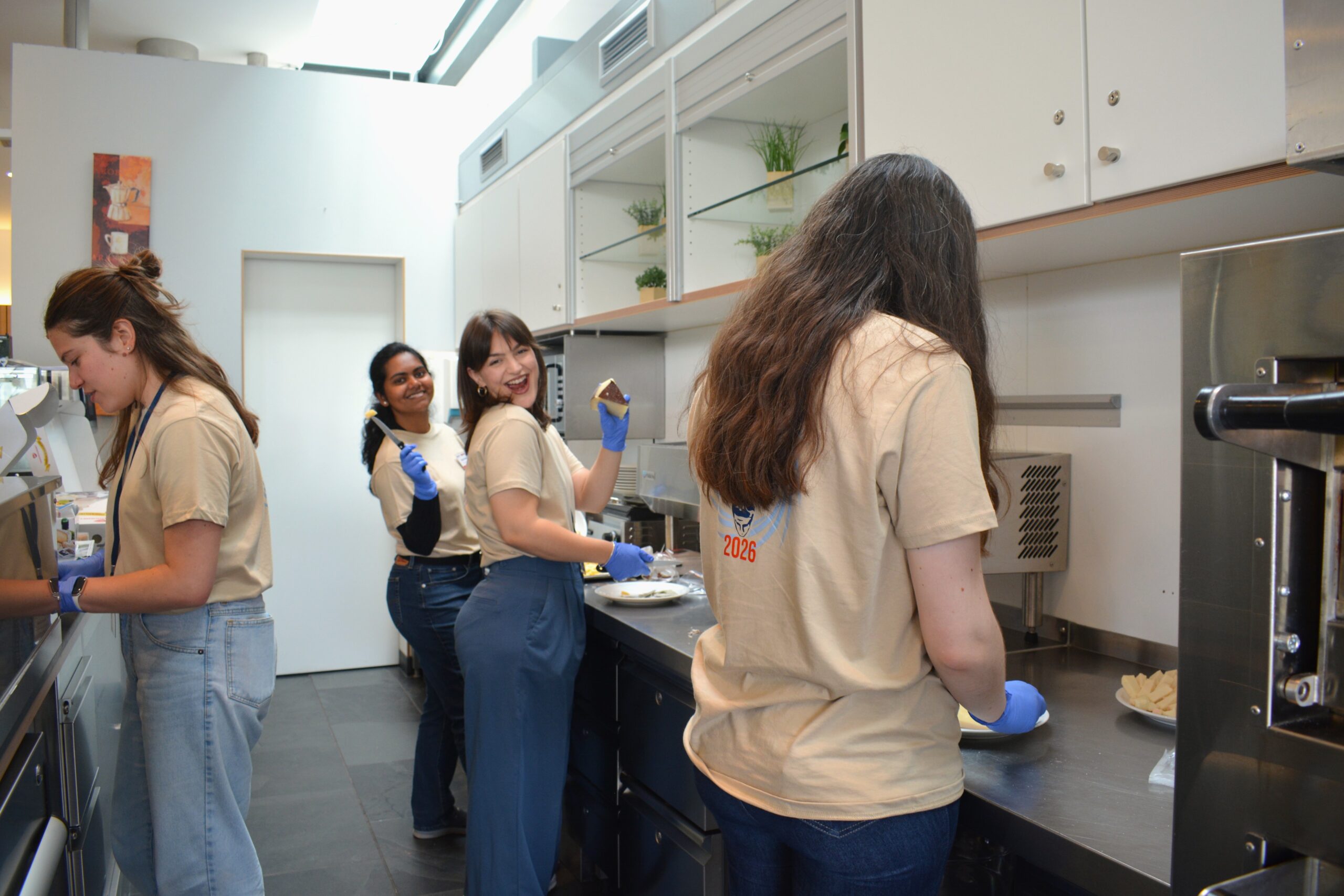
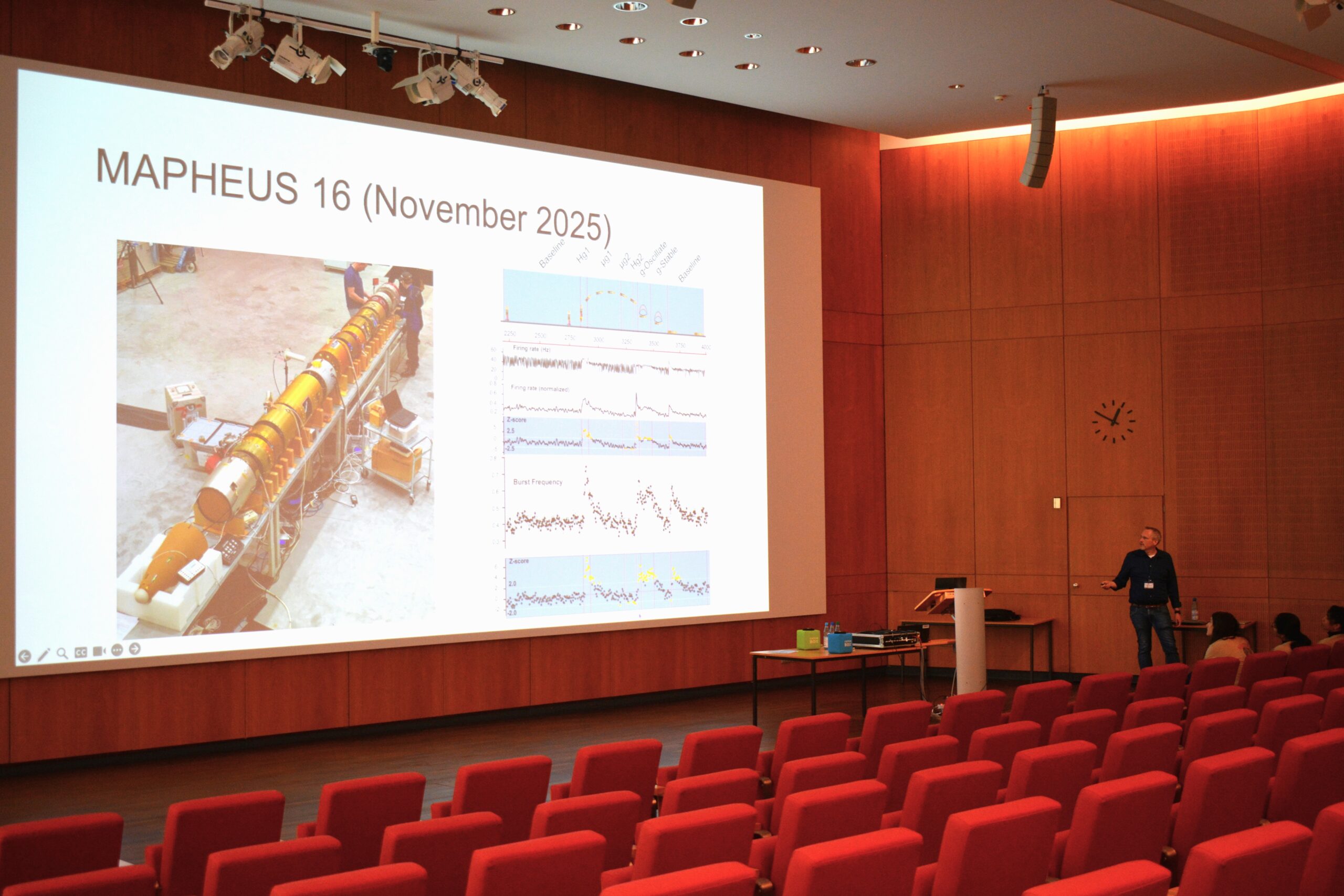
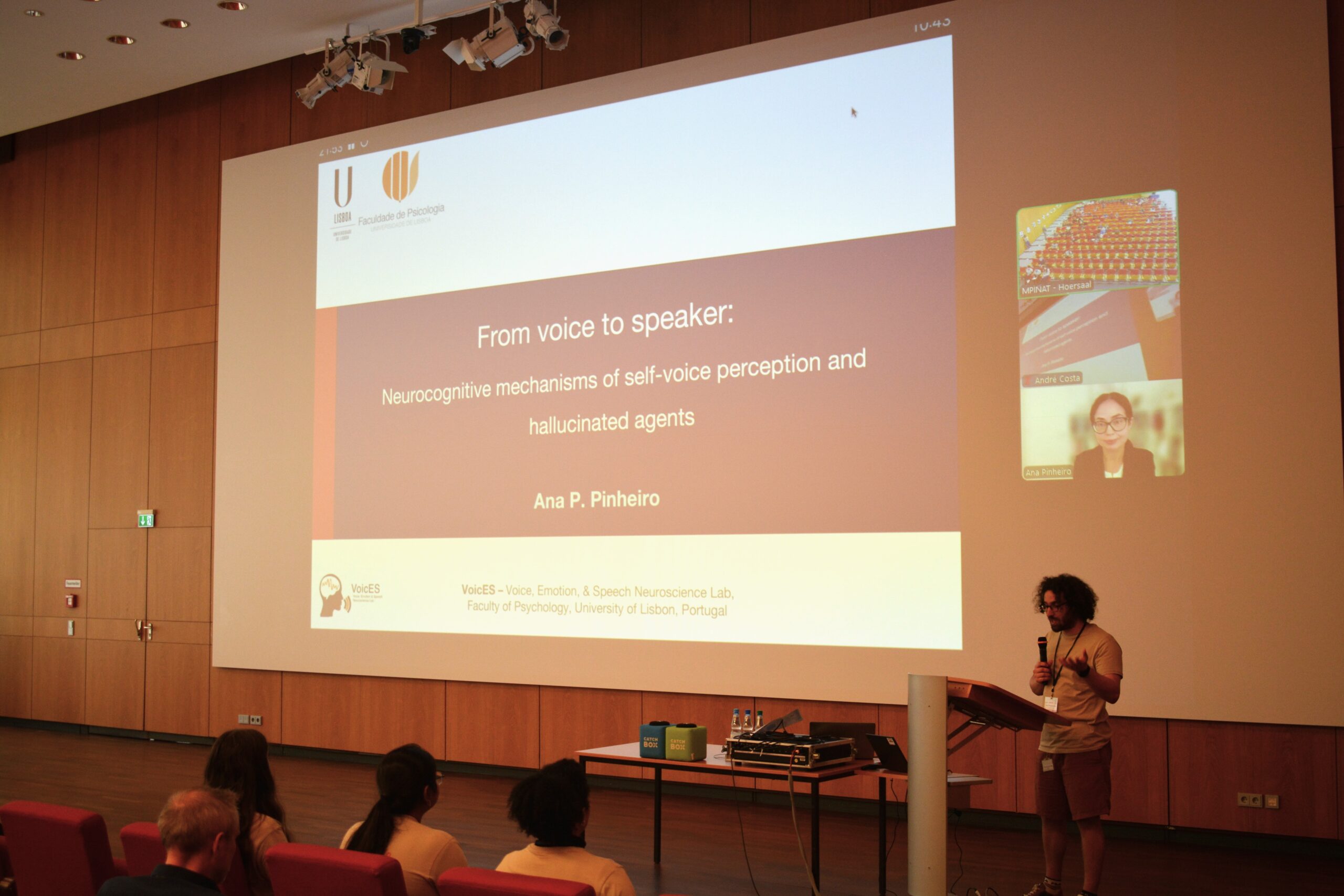
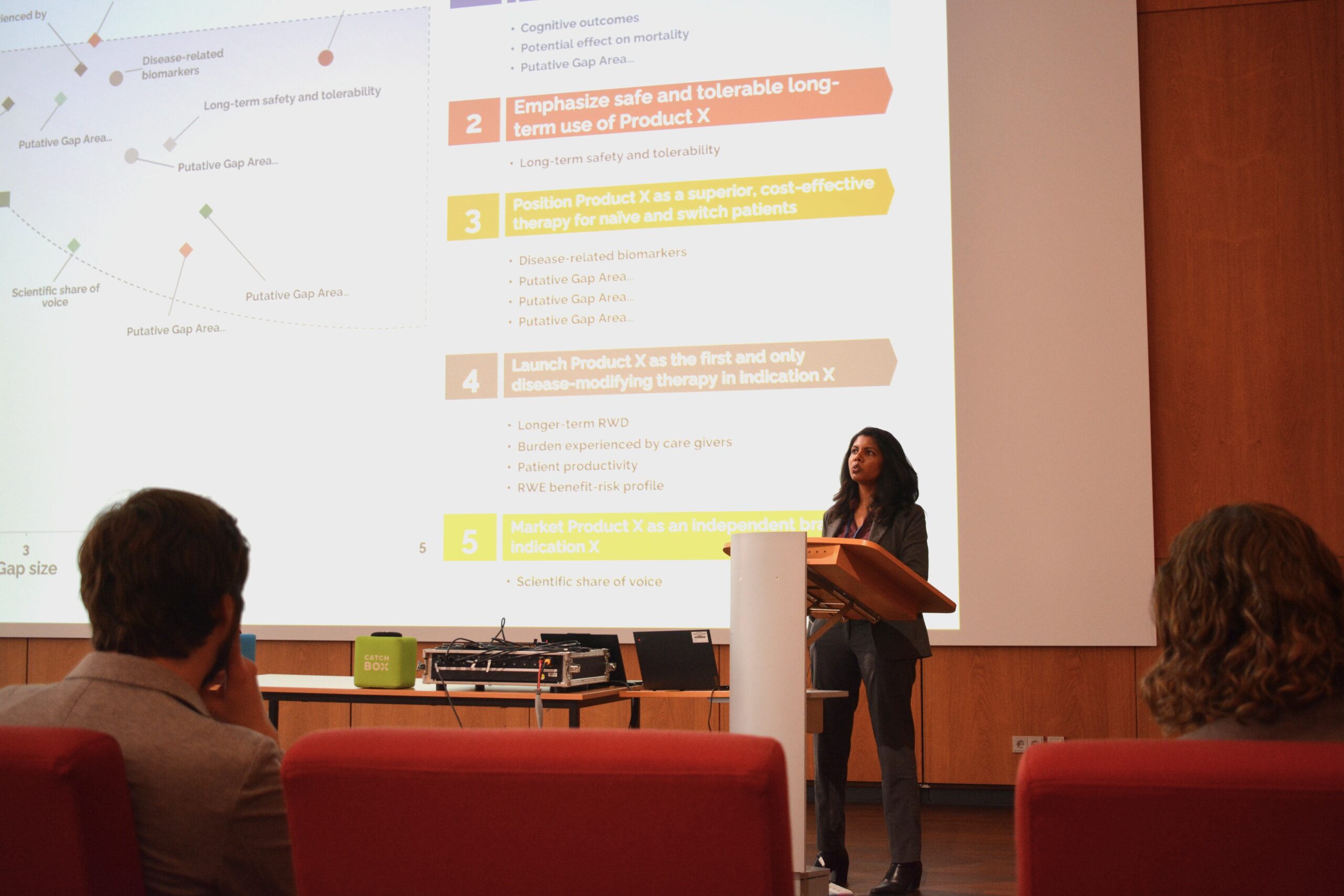
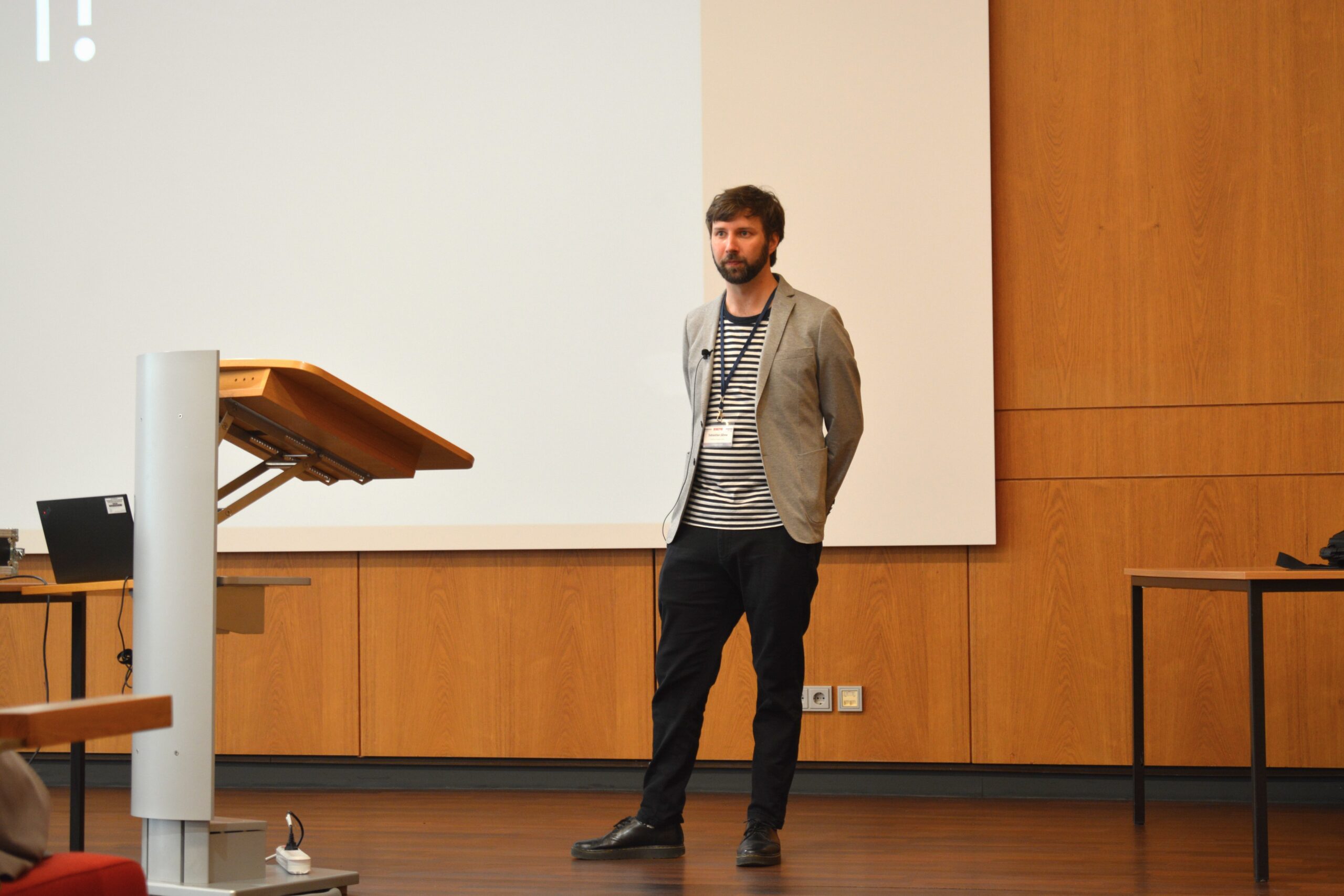
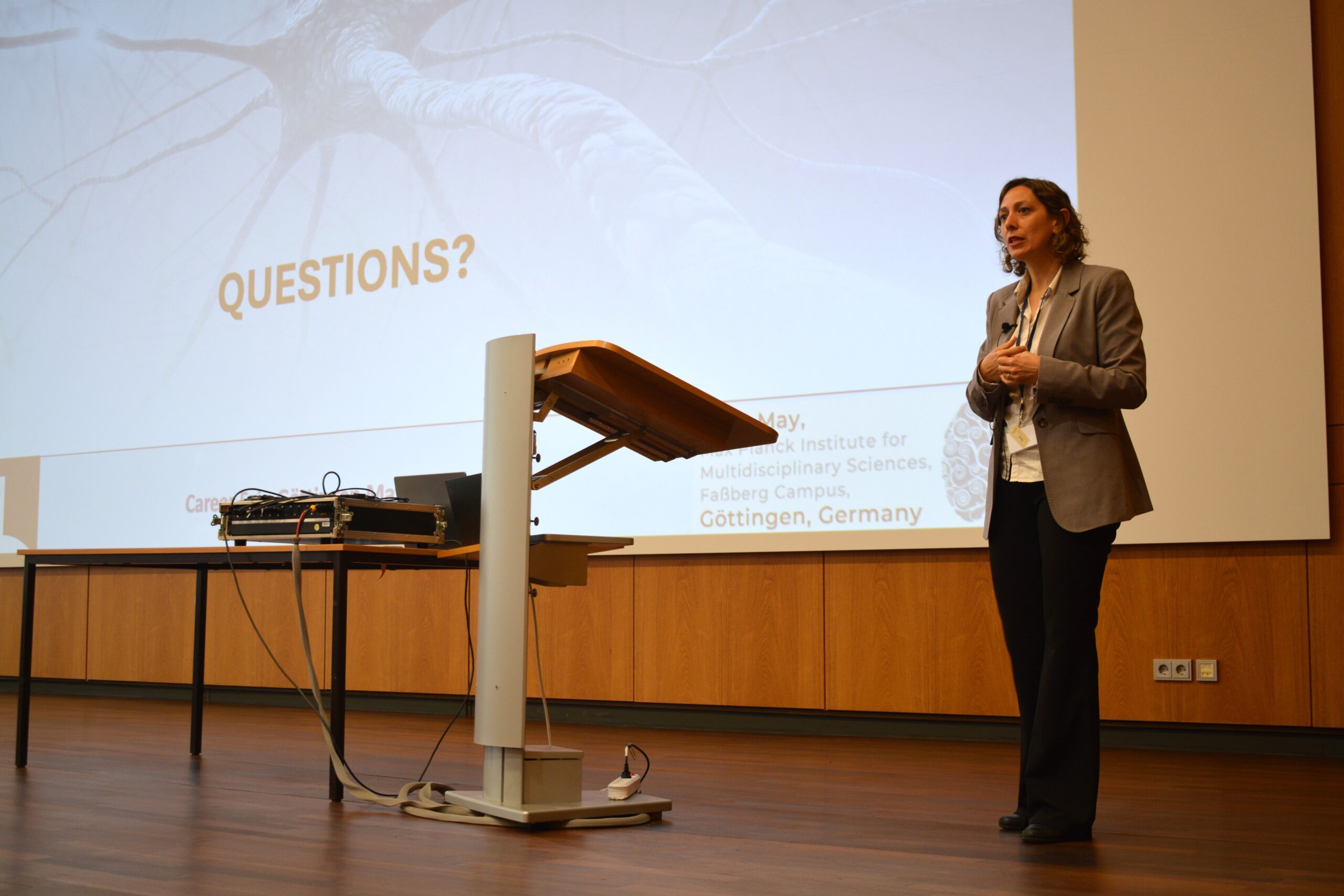
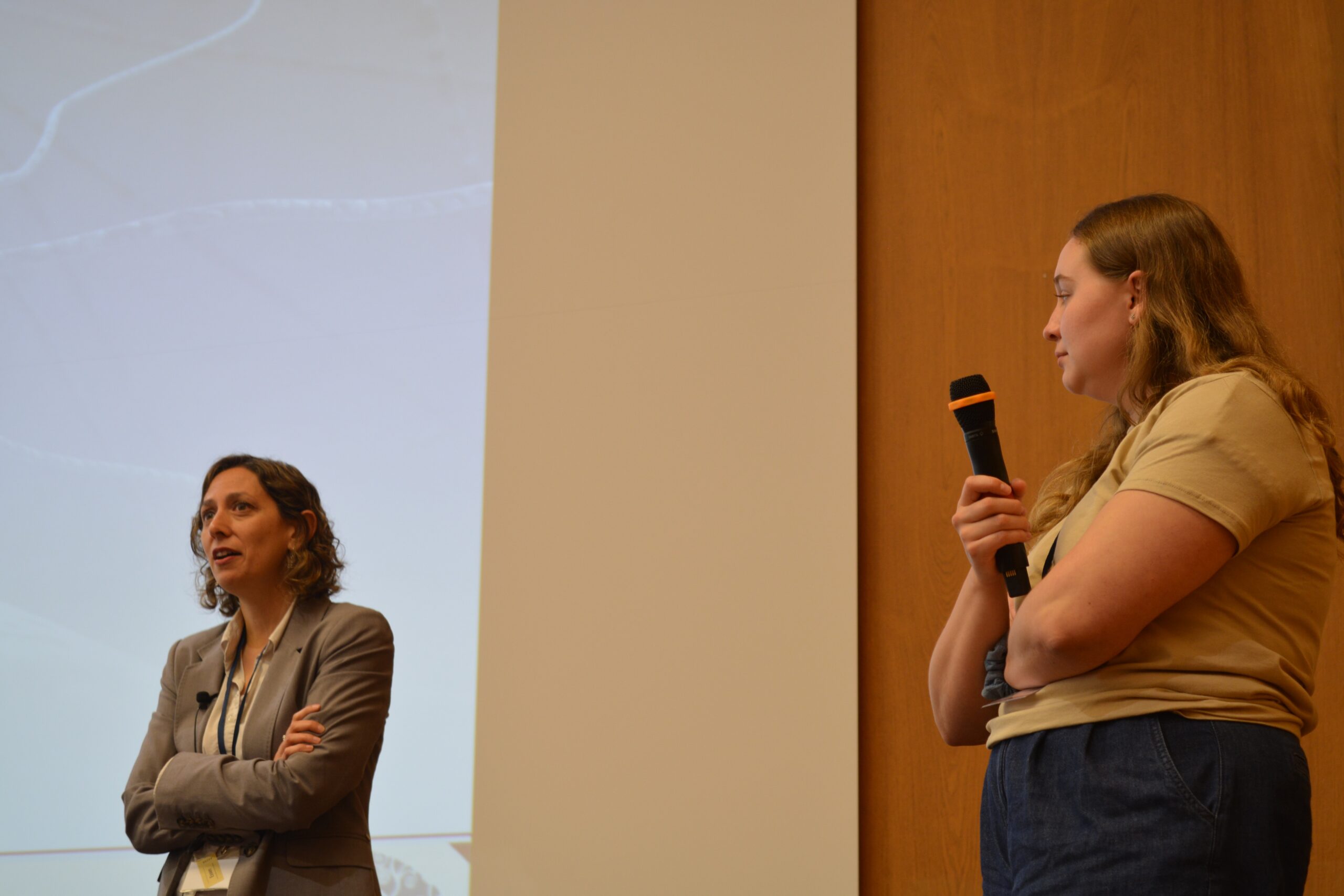
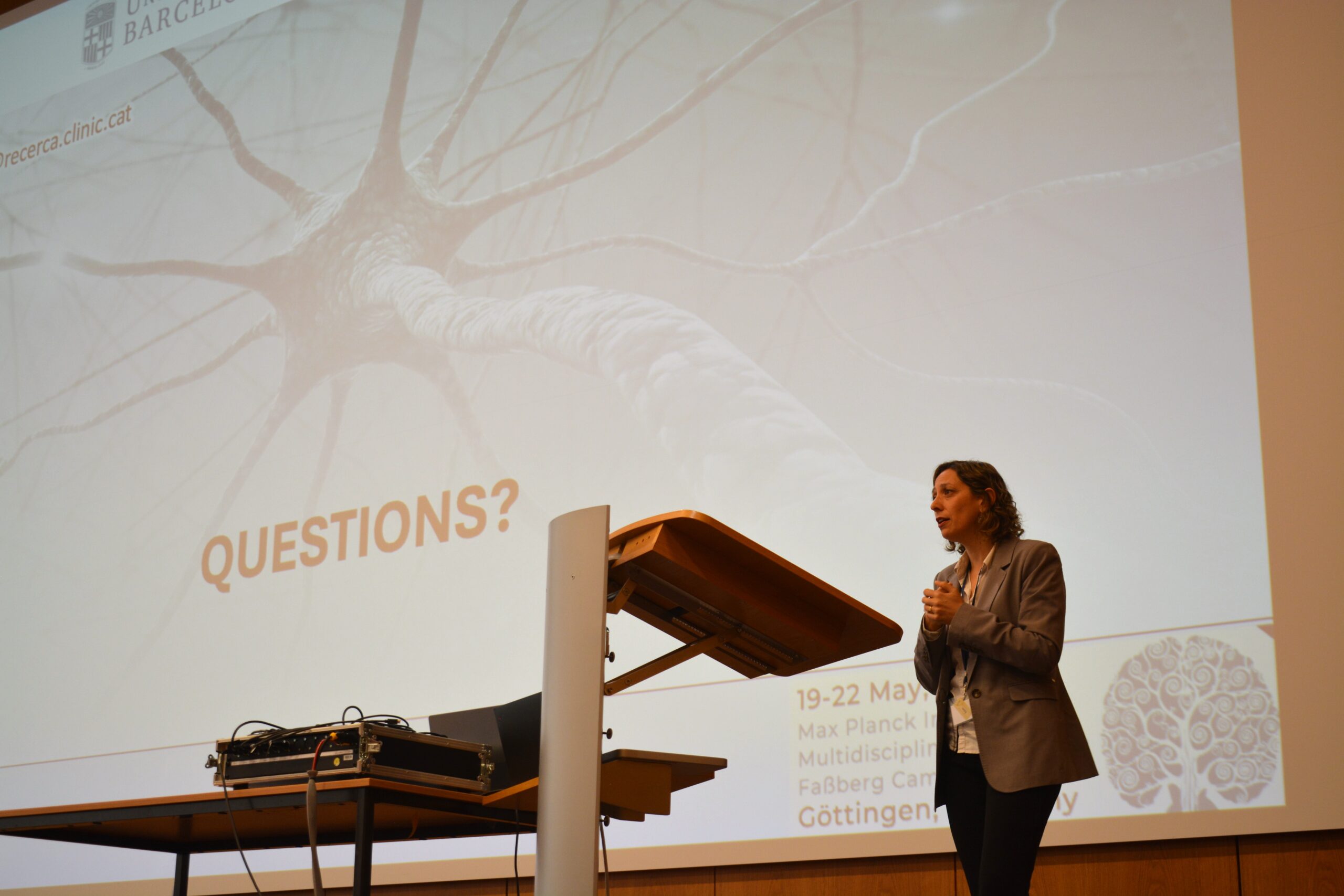
On the following day, our scientific talks started, with Frank Winkler delivering the keynote speech about cancer neuroscience, mechanisms and potential therapies. This was followed by the clinical neuroscience session, featuring sensorimotor neuroprosthetics, auditory hallucinations, and retinal organoids in space, with Ilka Diester, Ana Pinheiro and Volker Busskamp. In the afternoon, the emerging techniques session took place, with Benjamin Judkewitz, Noa Lipstein and Pieter Roelfsema highlighting social communication in tiny fish, the molecular nature of synapses, and vision restoration. Noa Lipstein also told us that she and her husband met at Neurizons 2007 as participants, and now have a teenage daughter! A lovely Neurizons success story! To end the day, a poster session, preceded by 5-minute-long Flash Talks, by three selected poster presenters, who were all MSc students! The participants voted on the best poster for this session, as well as the one on Thursday, which were both accompanied by wine and cheese and very good chats, to the point where we had to shoo people away in order to clean up!
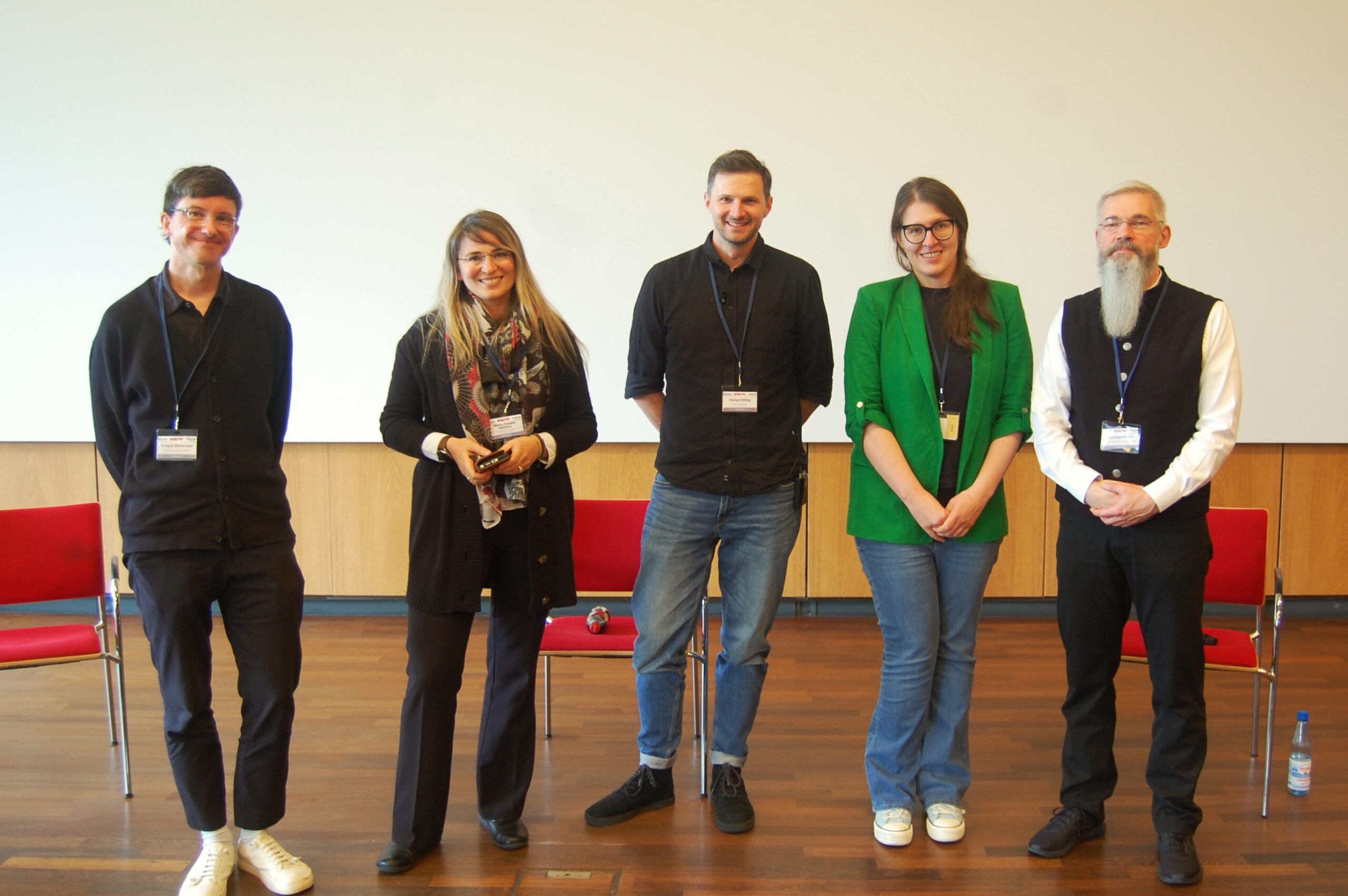
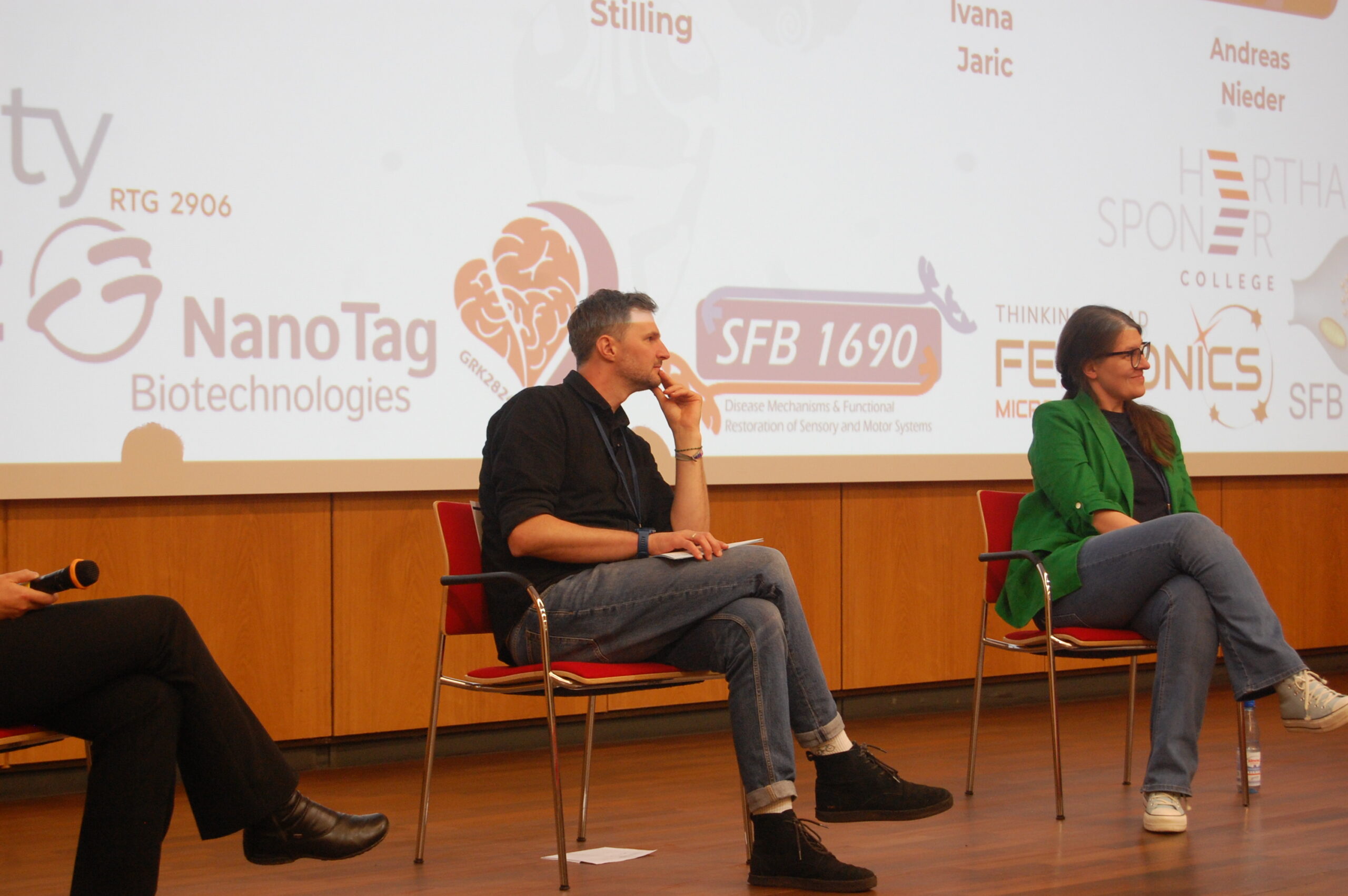
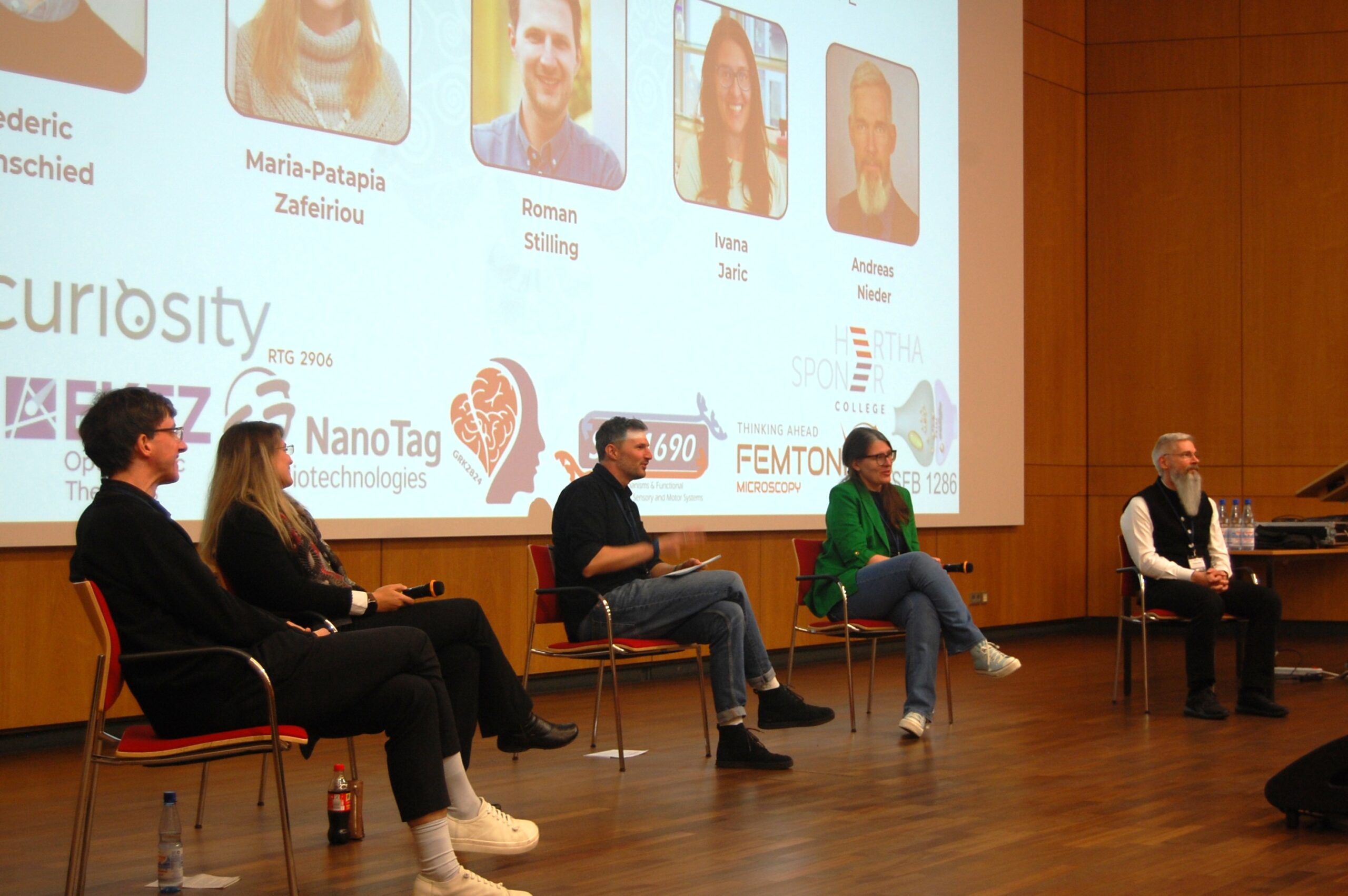
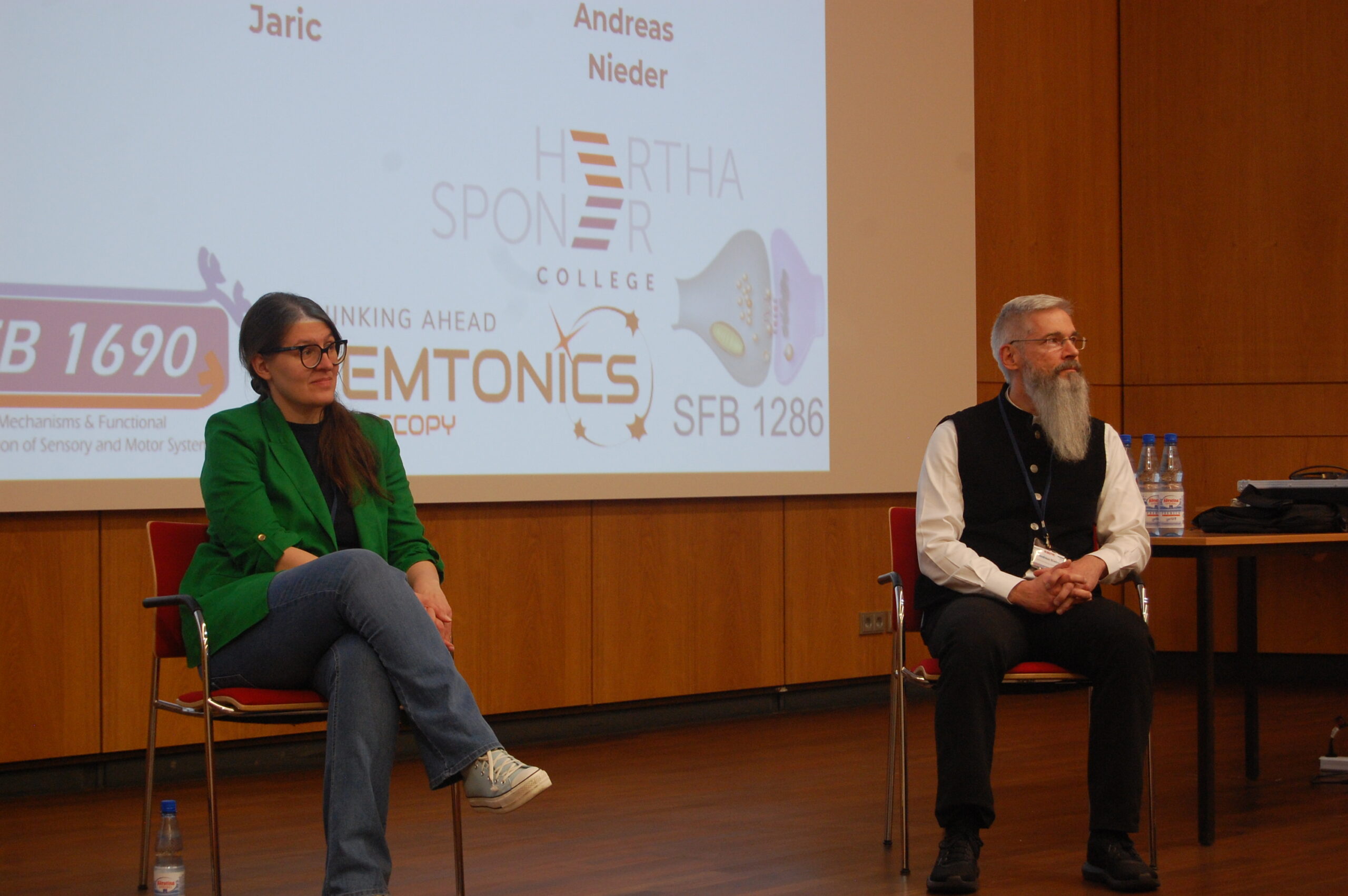
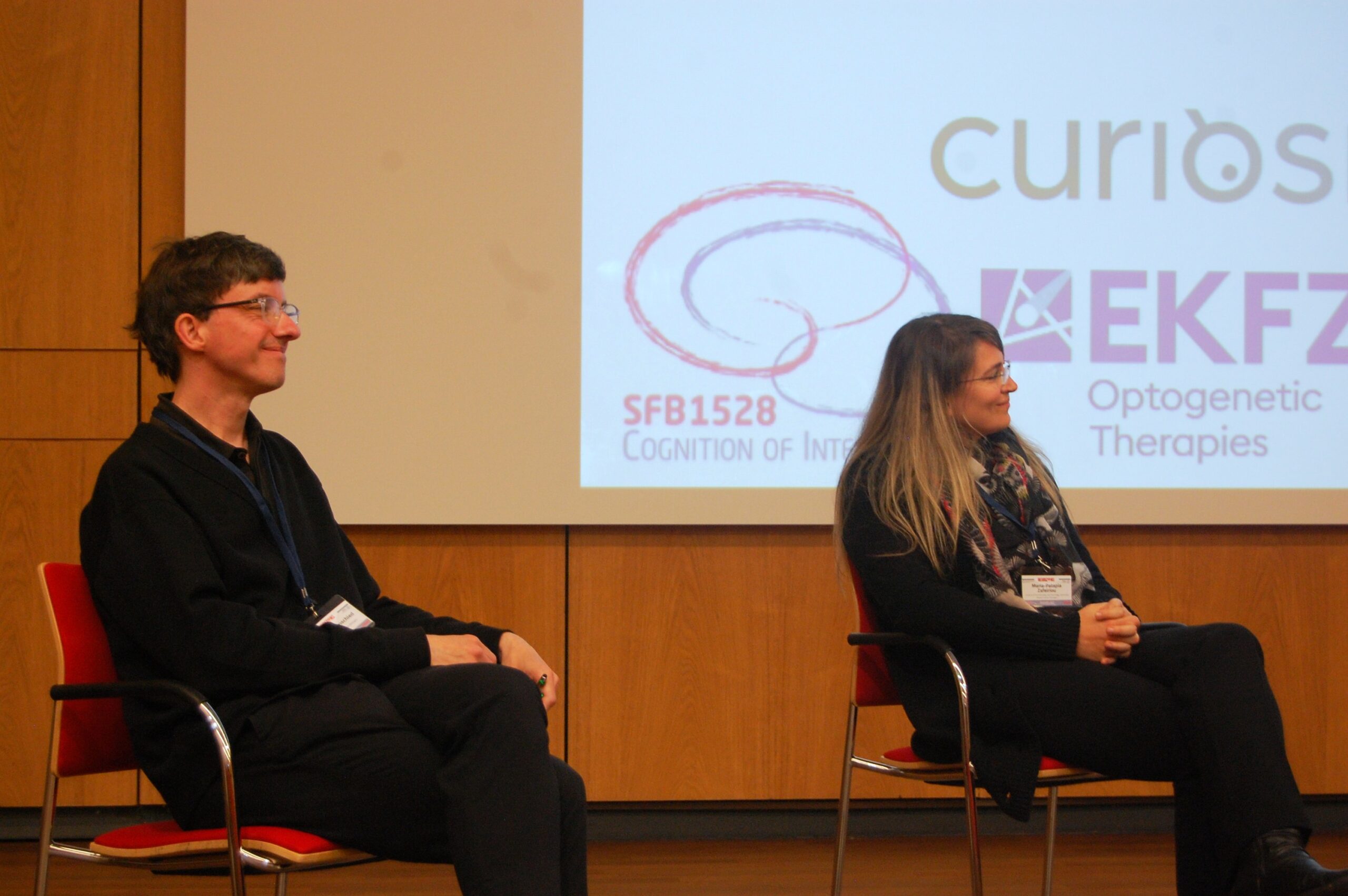
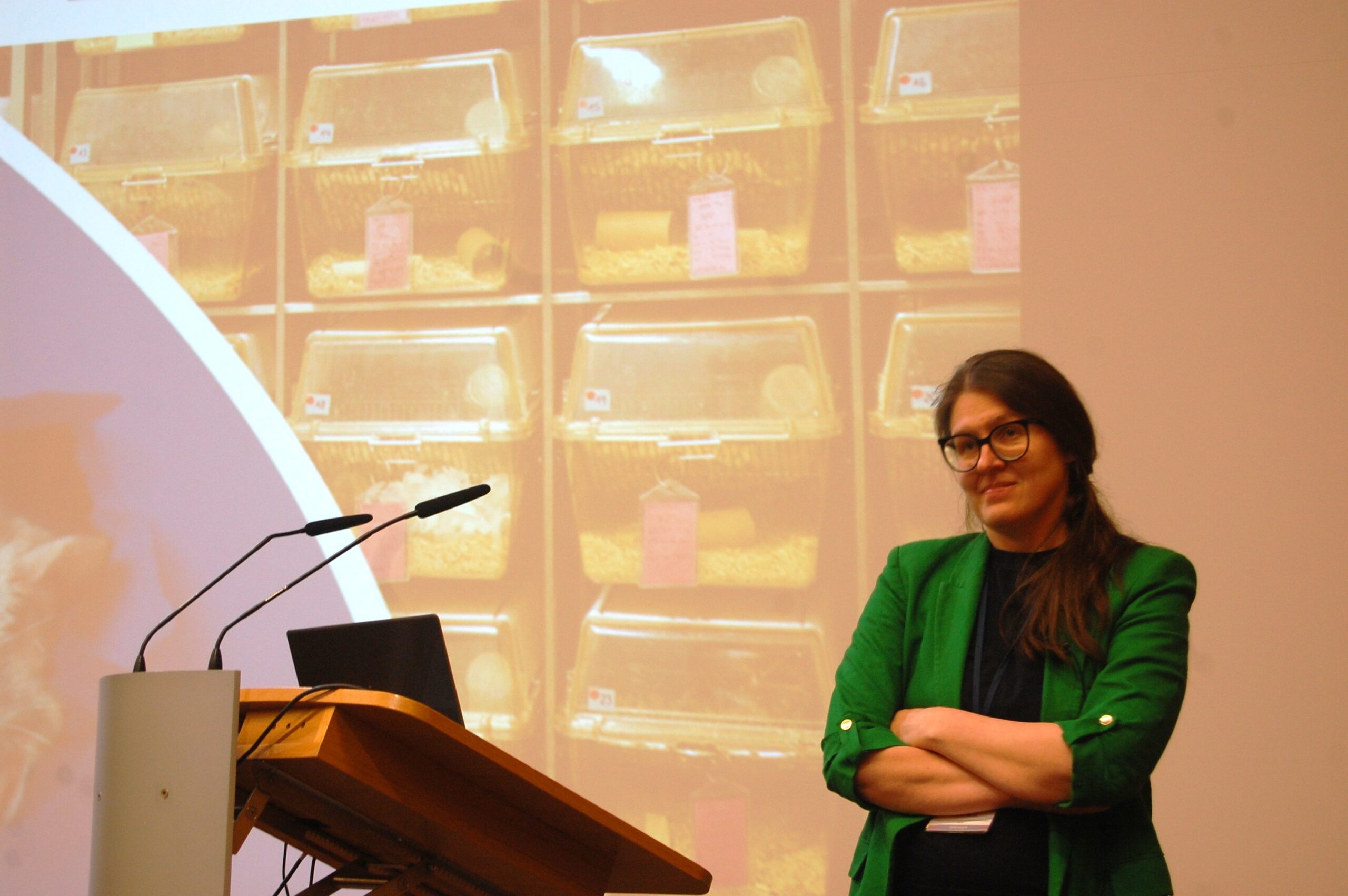
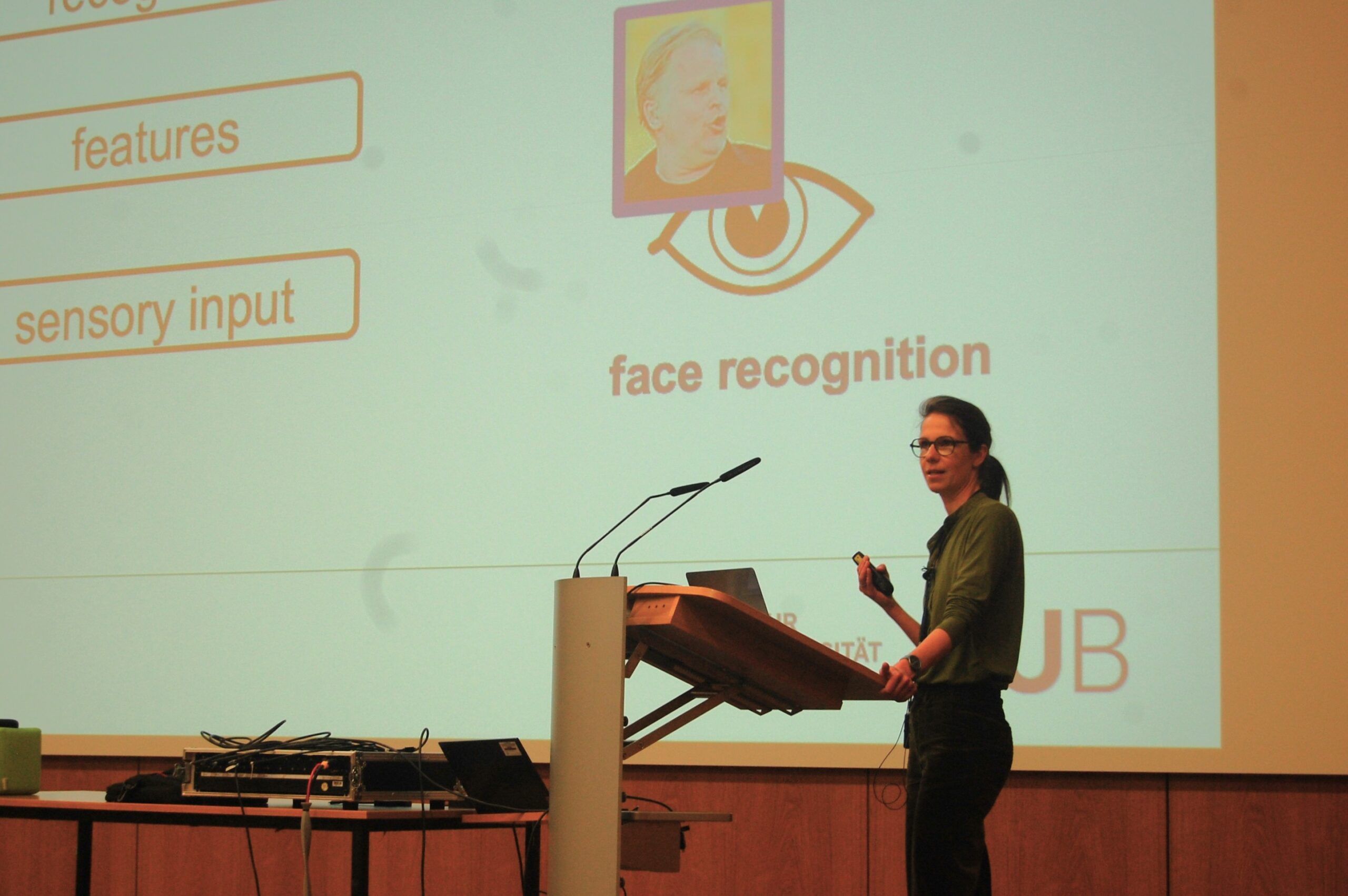
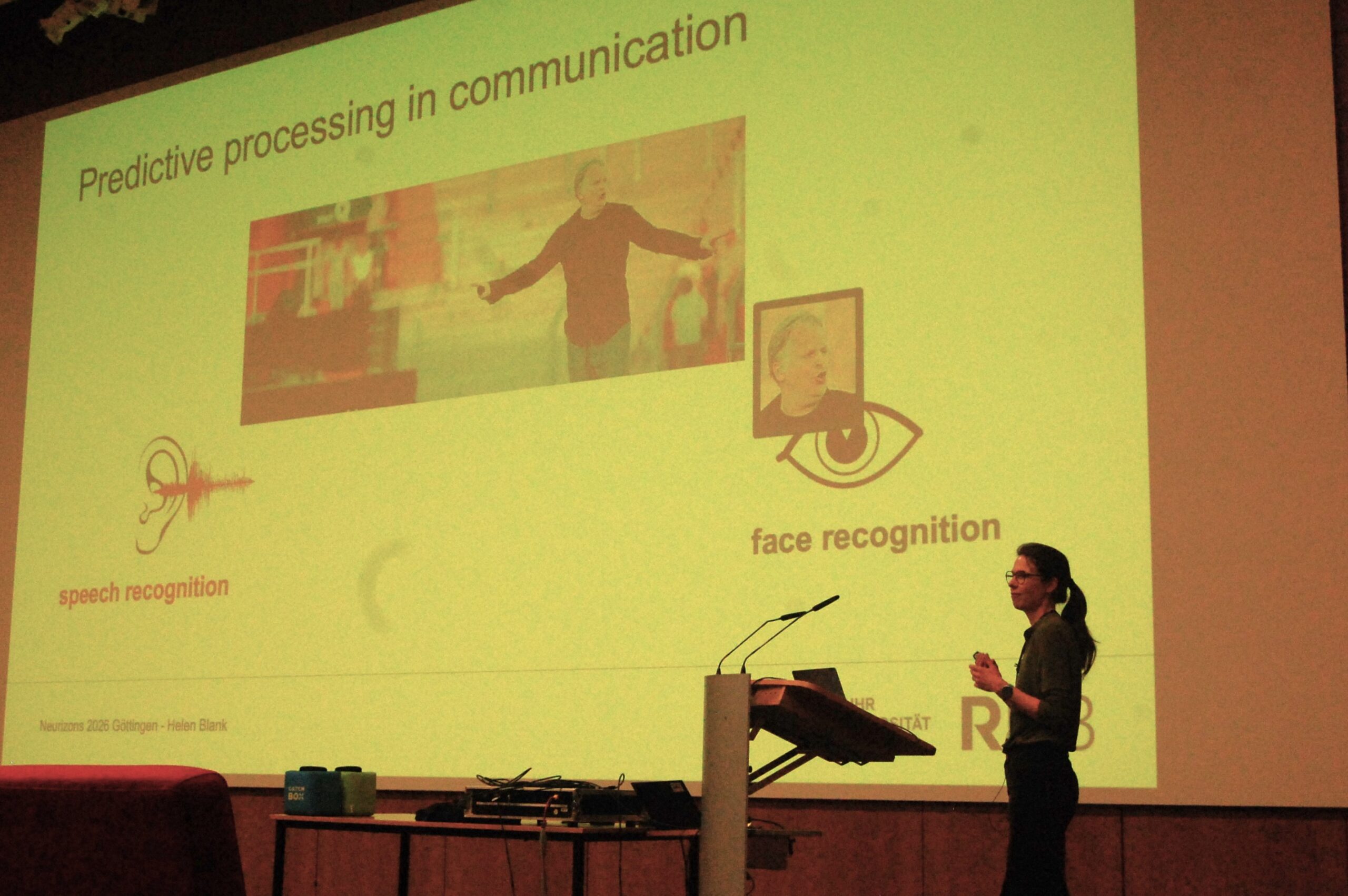
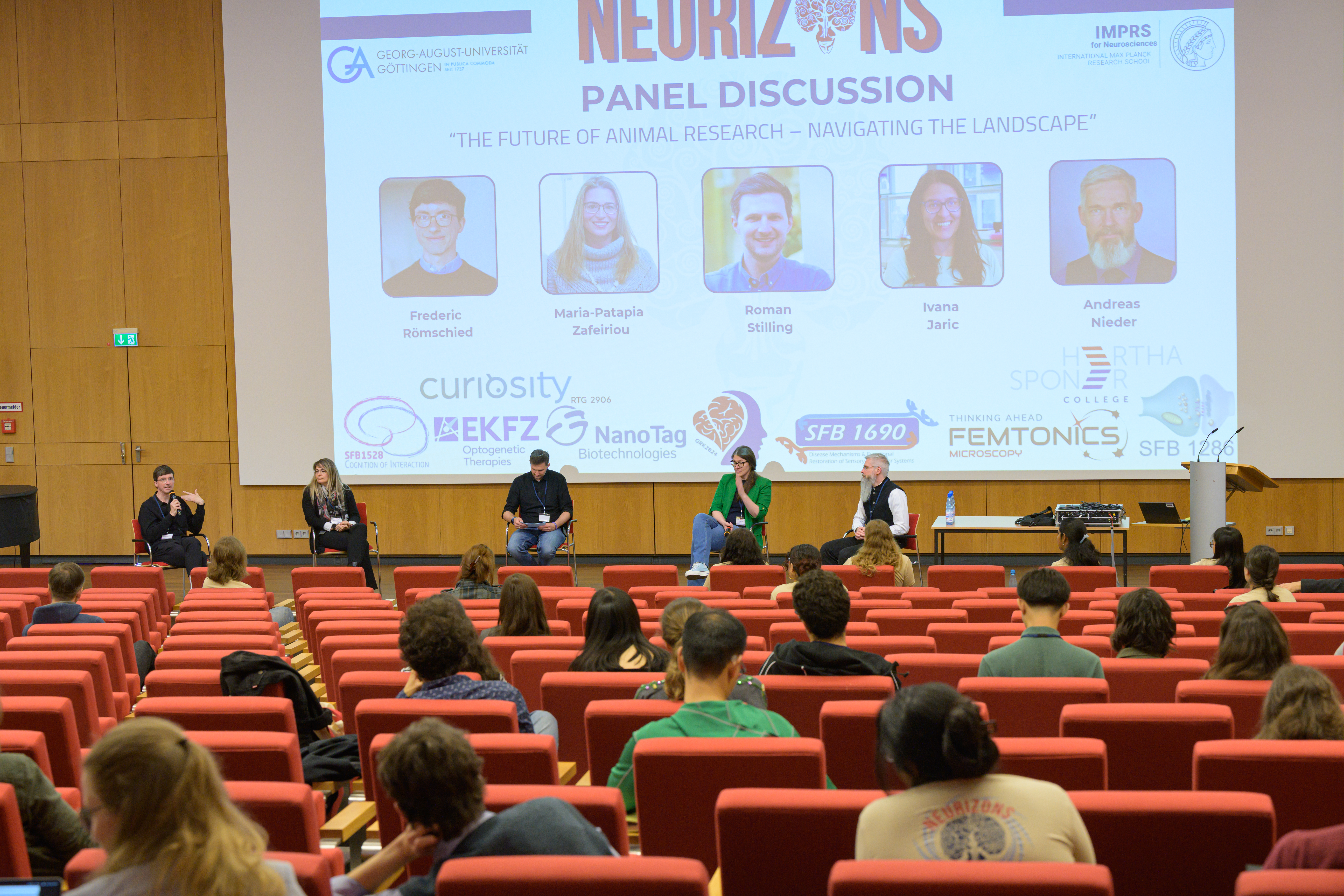
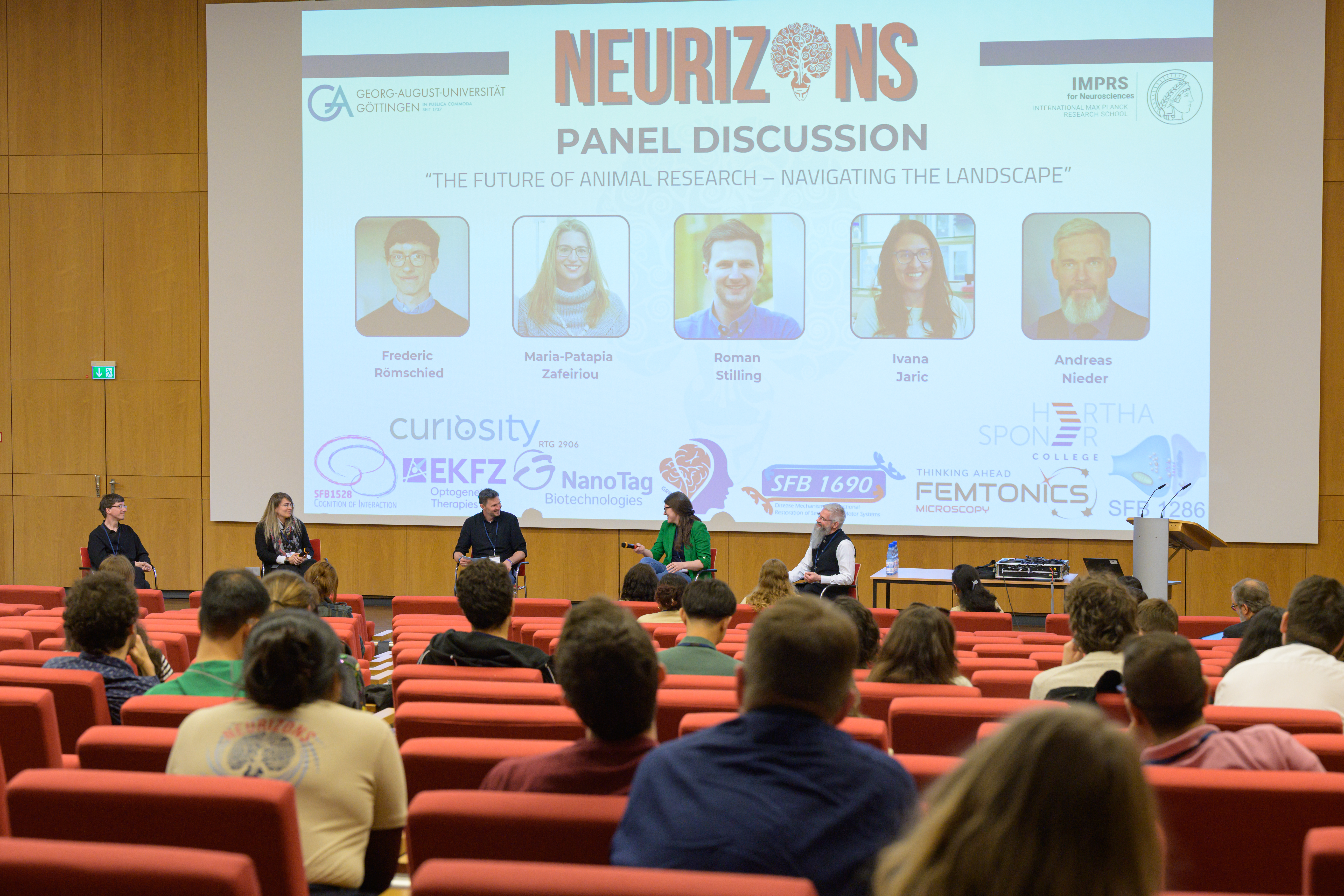
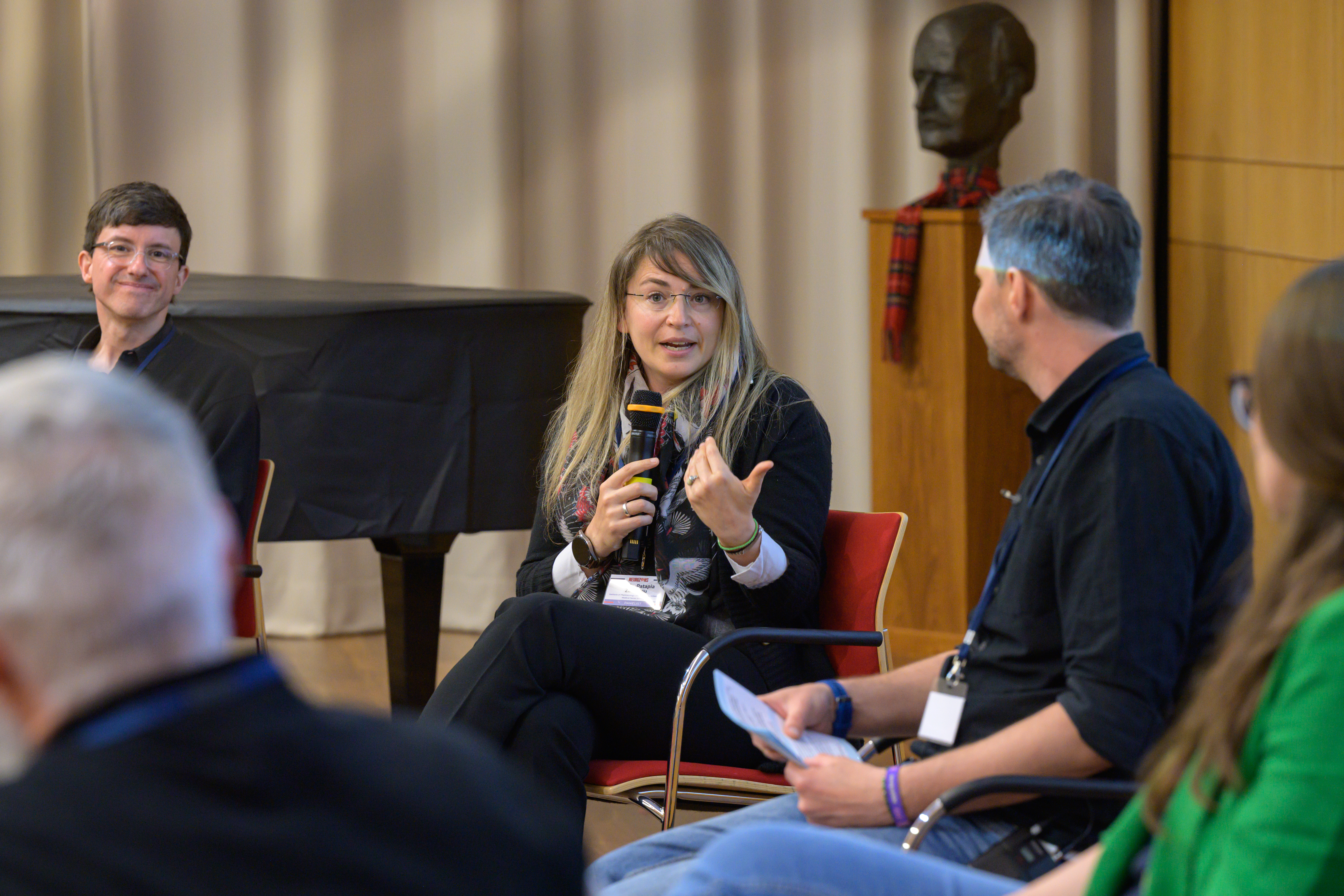
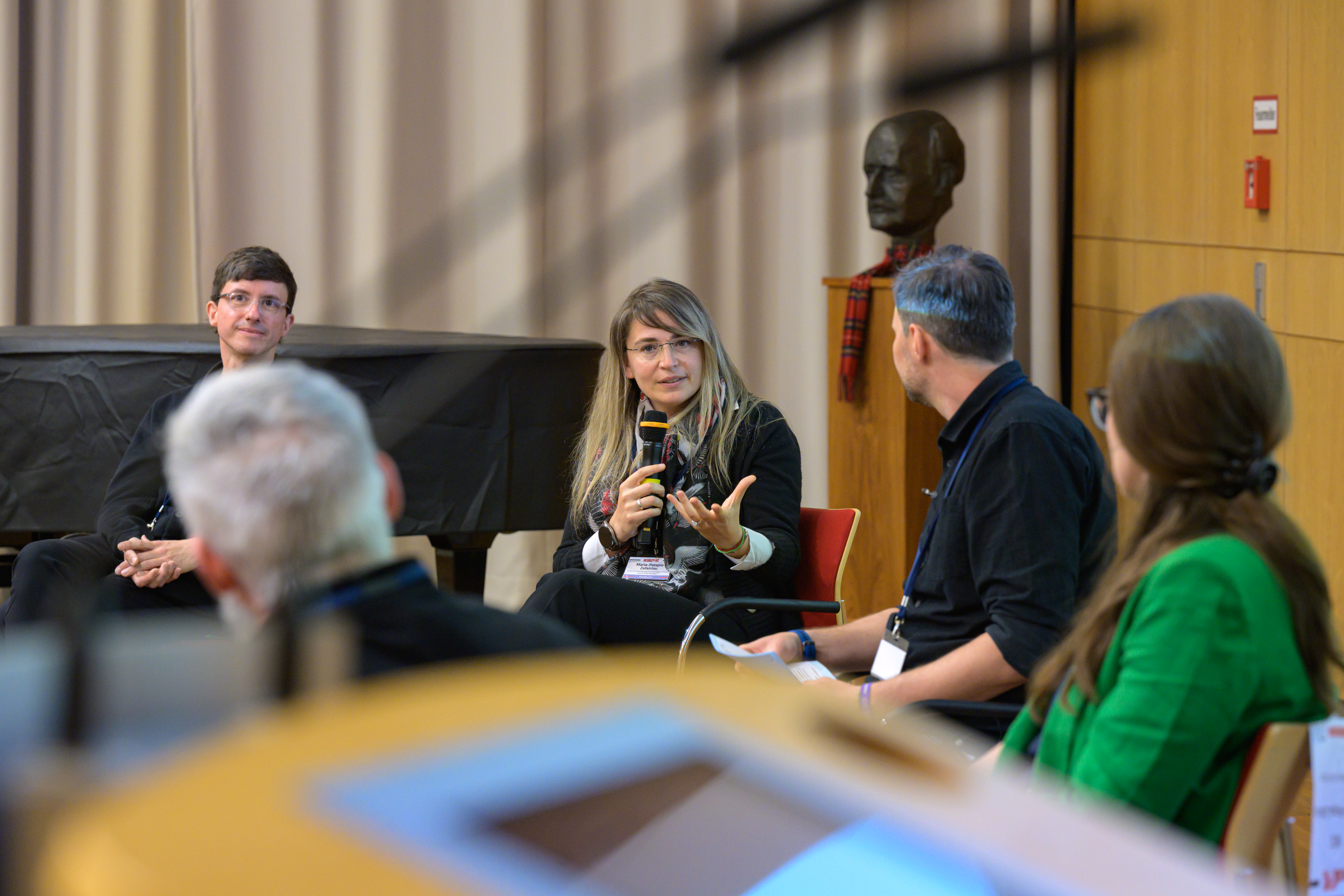
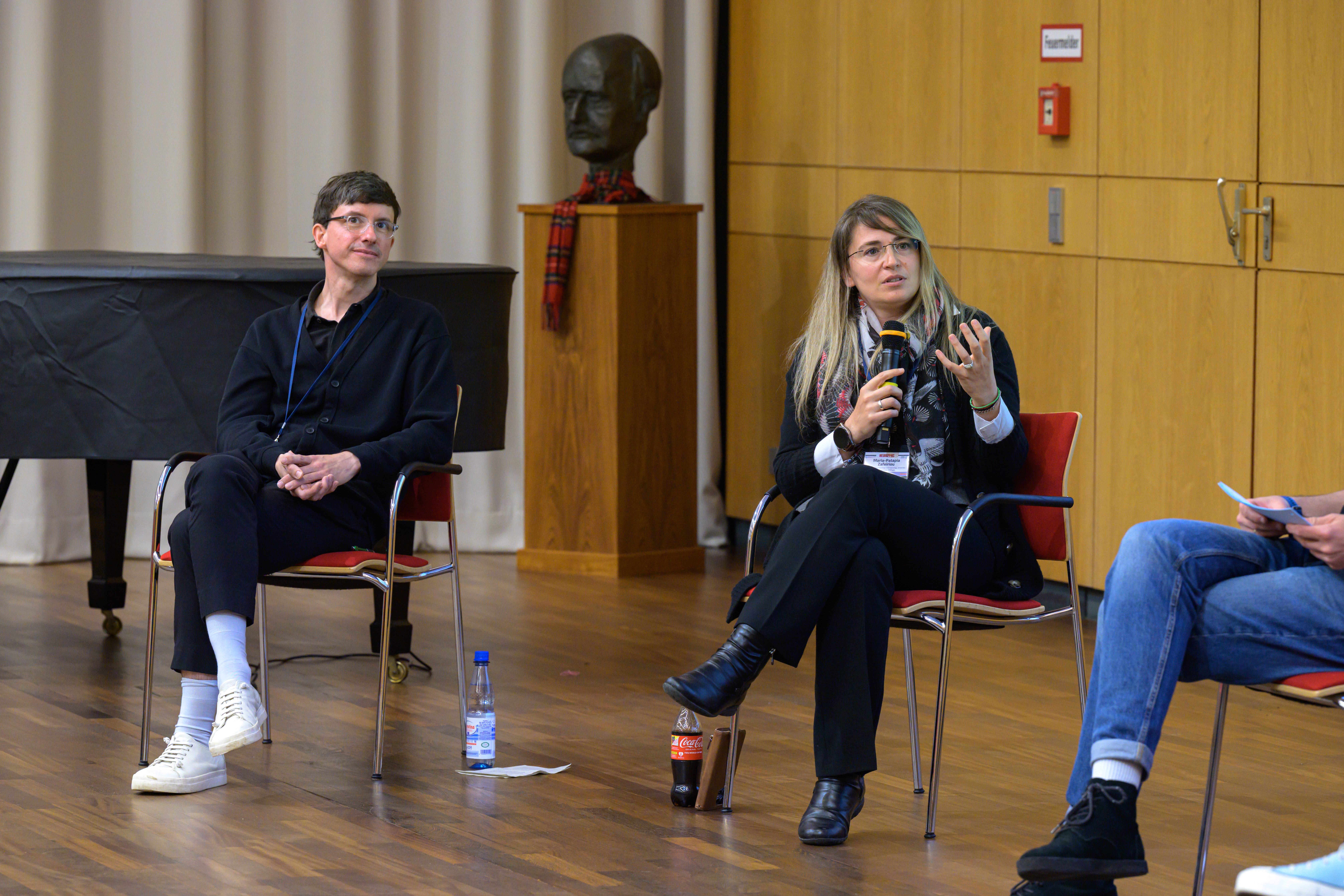
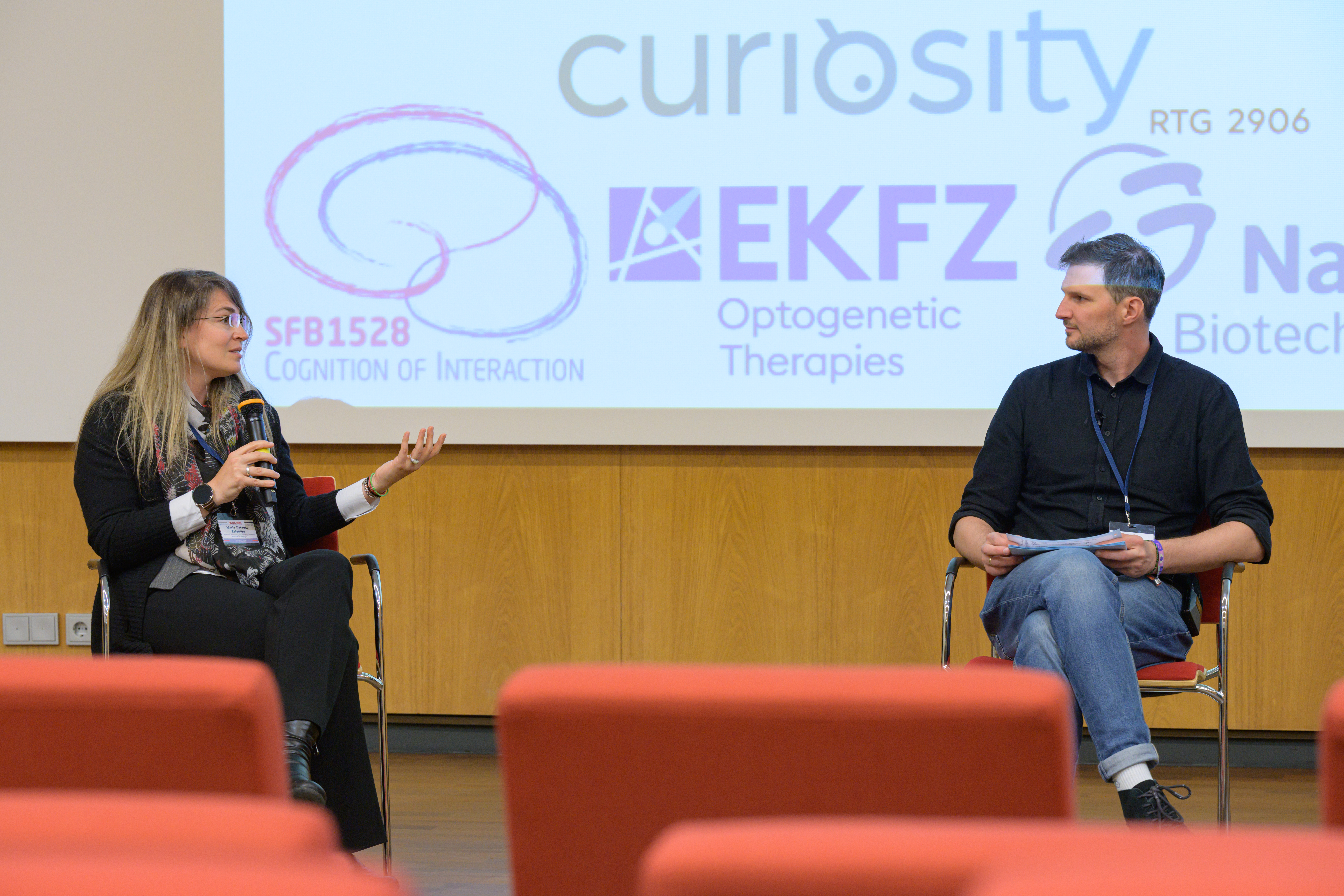
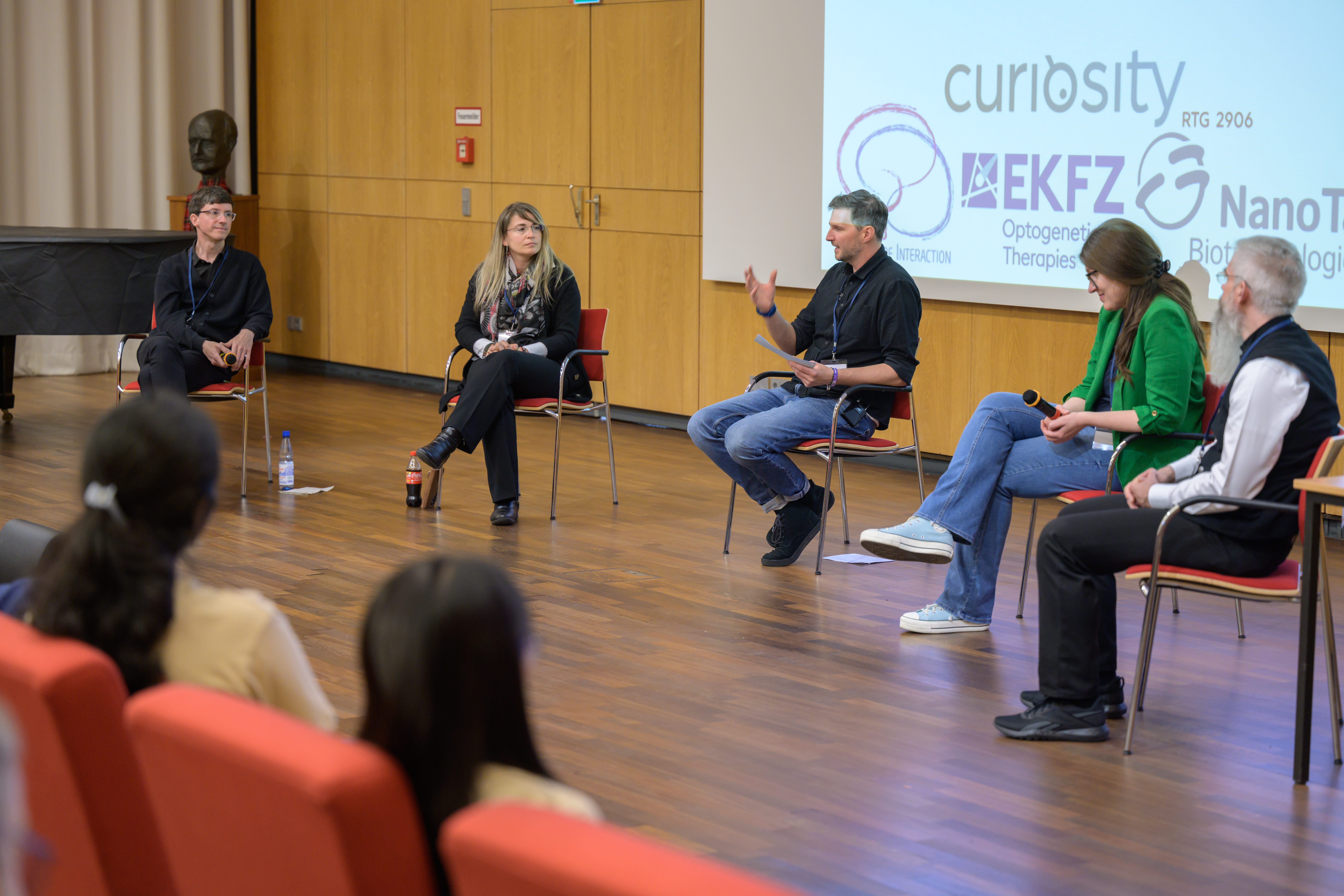
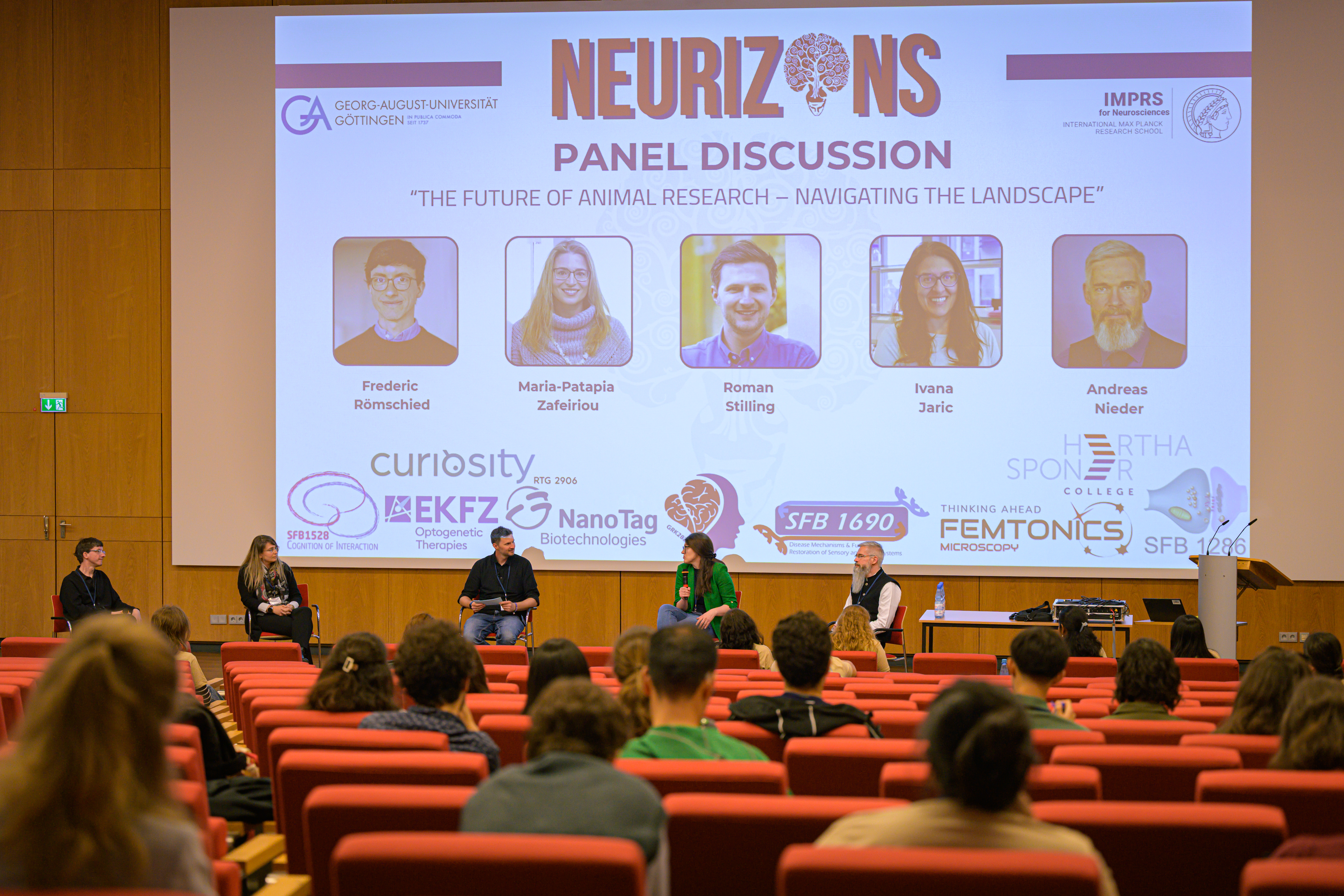
On Thursday, we began with our systems and cognitive neuroscience session, which featured Helen Blank, Andreas Nieder and Uta Noppeney, speaking about sensory ambiguity, numerical cognition and multisensory stimulus binding. The three went on to score our Young Scientist Talks, by PhD and postdoctoral researchers, which were a chance for them to showcase their research. In the afternoon, we welcomed two young PIs, our very own Frederic Römschied, and Ivana Jaric, who presented their research on social dynamics in flies, and the ovarian cycle and memory. The two then joined Andreas Nieder and Maria-Patapia Zafeiriou on a panel discussion about the future of animal experiments, which was moderated by Roman Stilling. In the evening, we hosted our conference dinner, with all the participants and many of the speakers, at the Deutsches Theater, which was a great celebration of the conference.
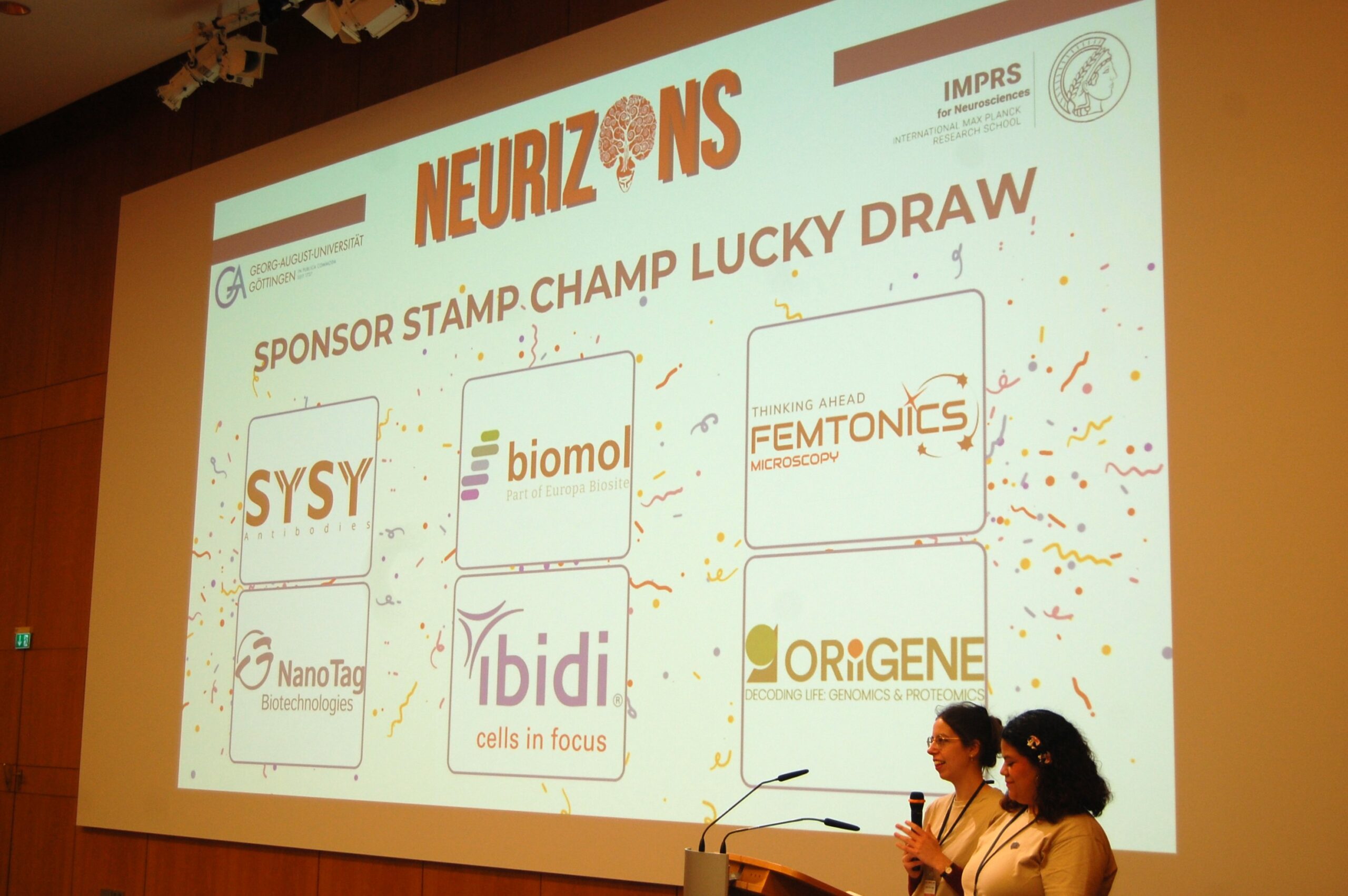
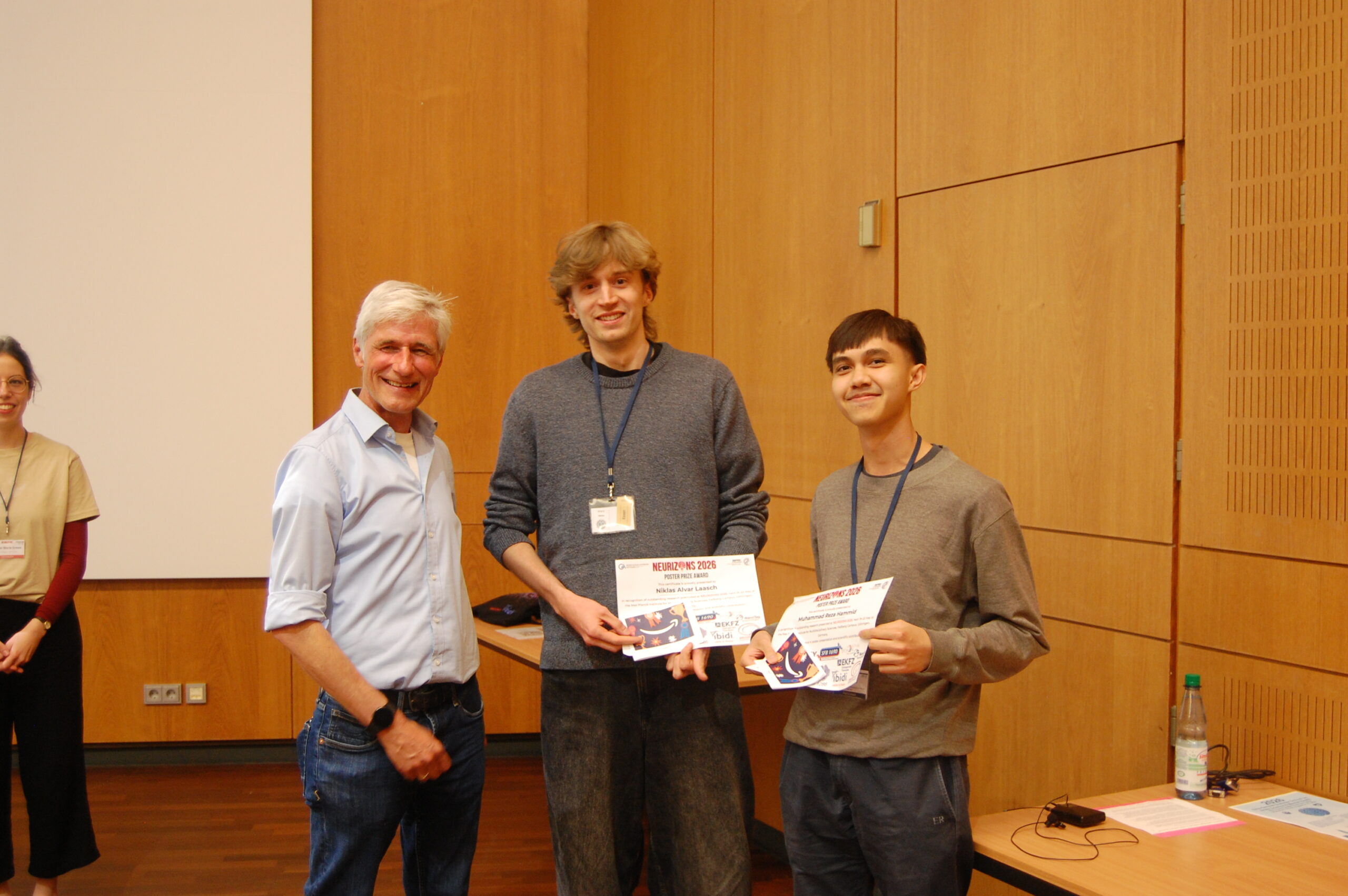
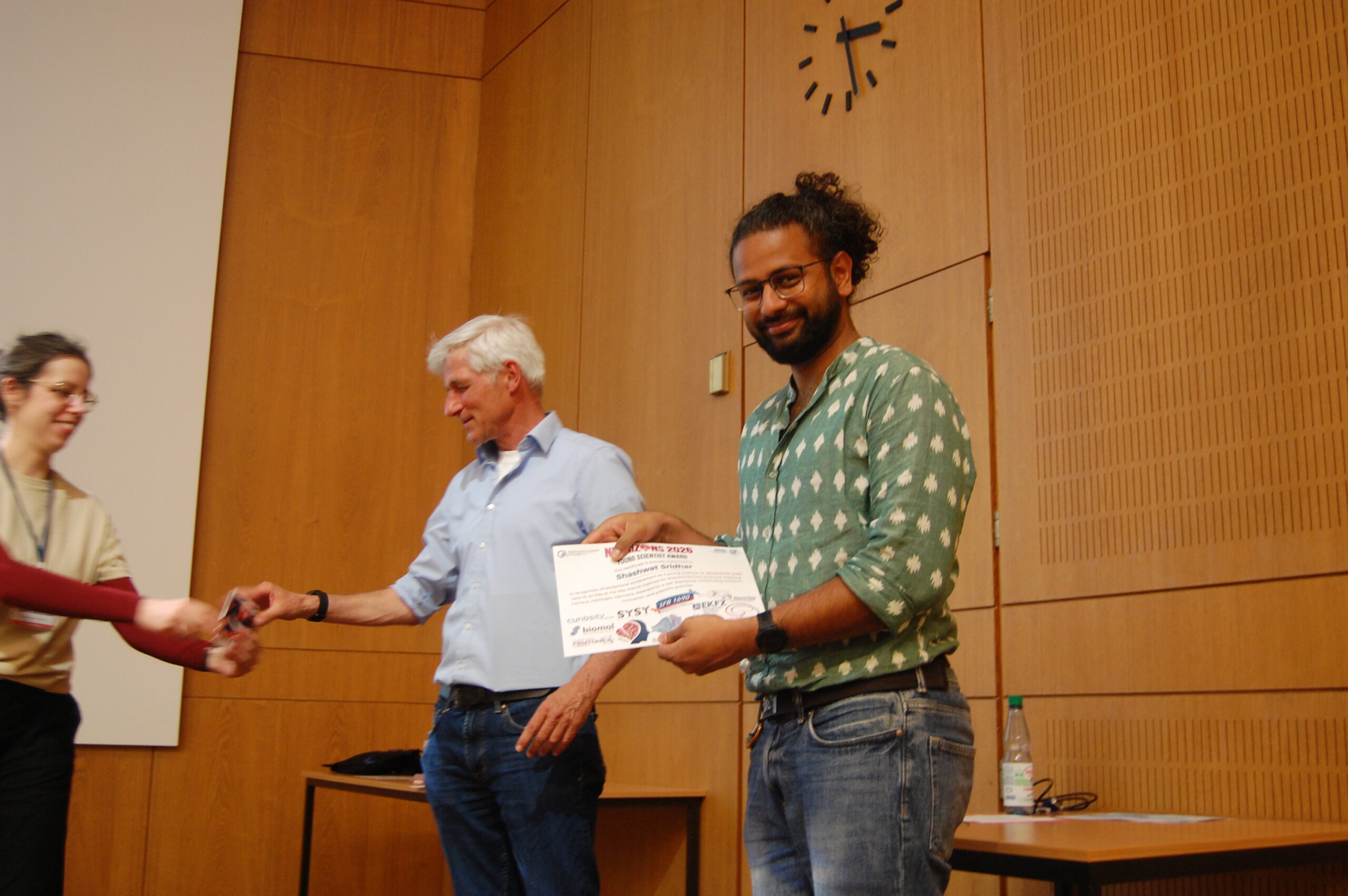
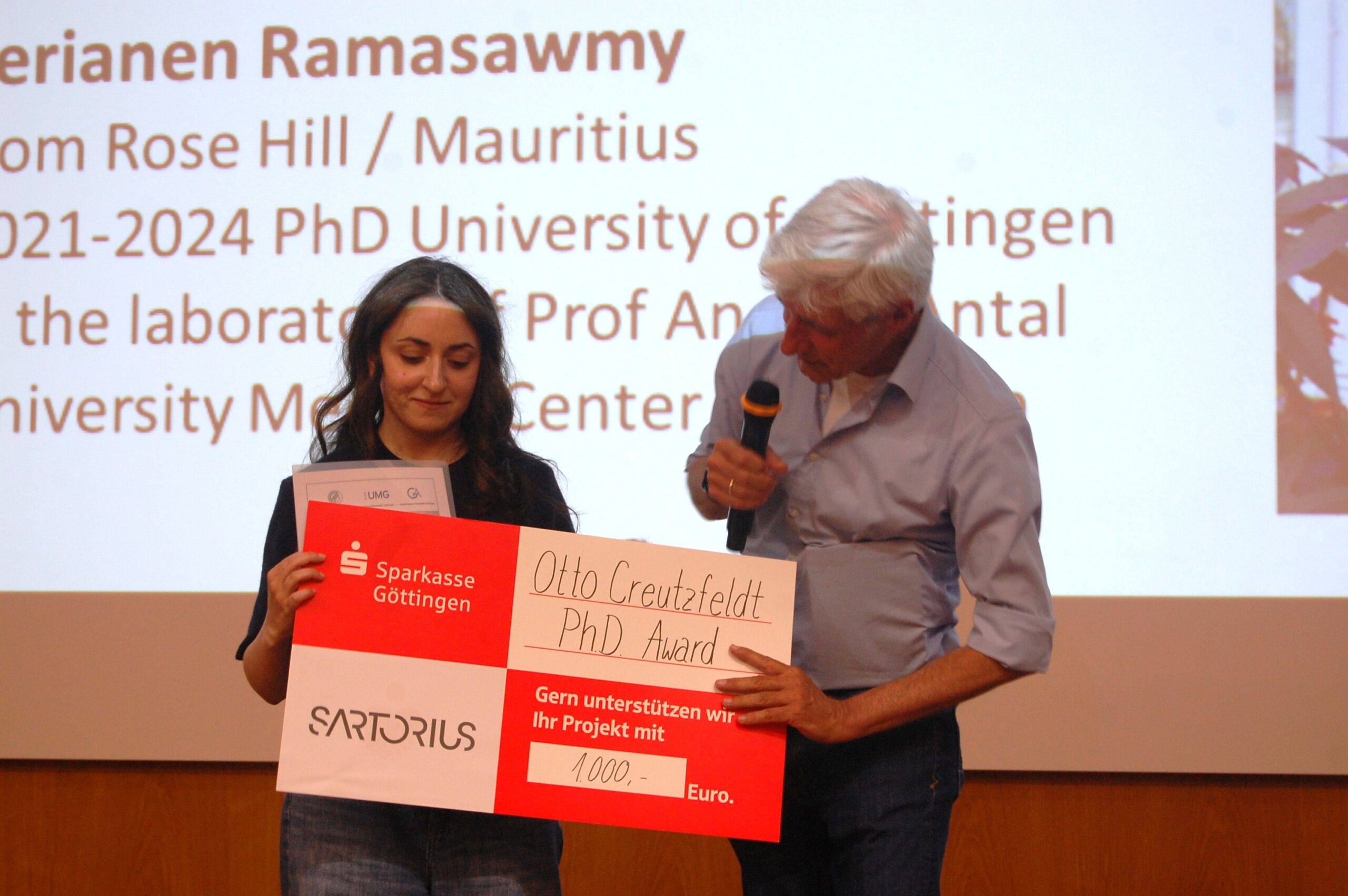
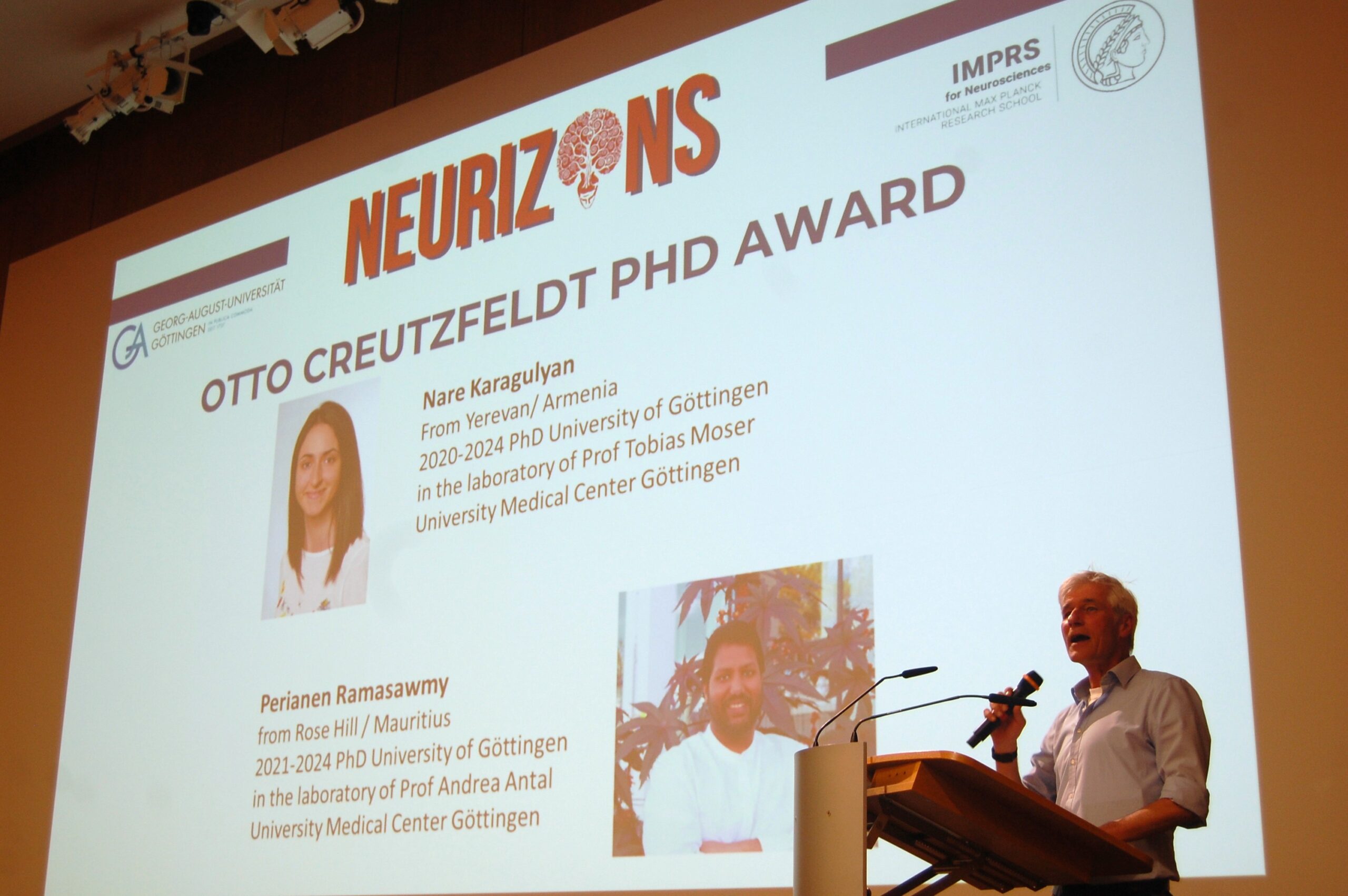
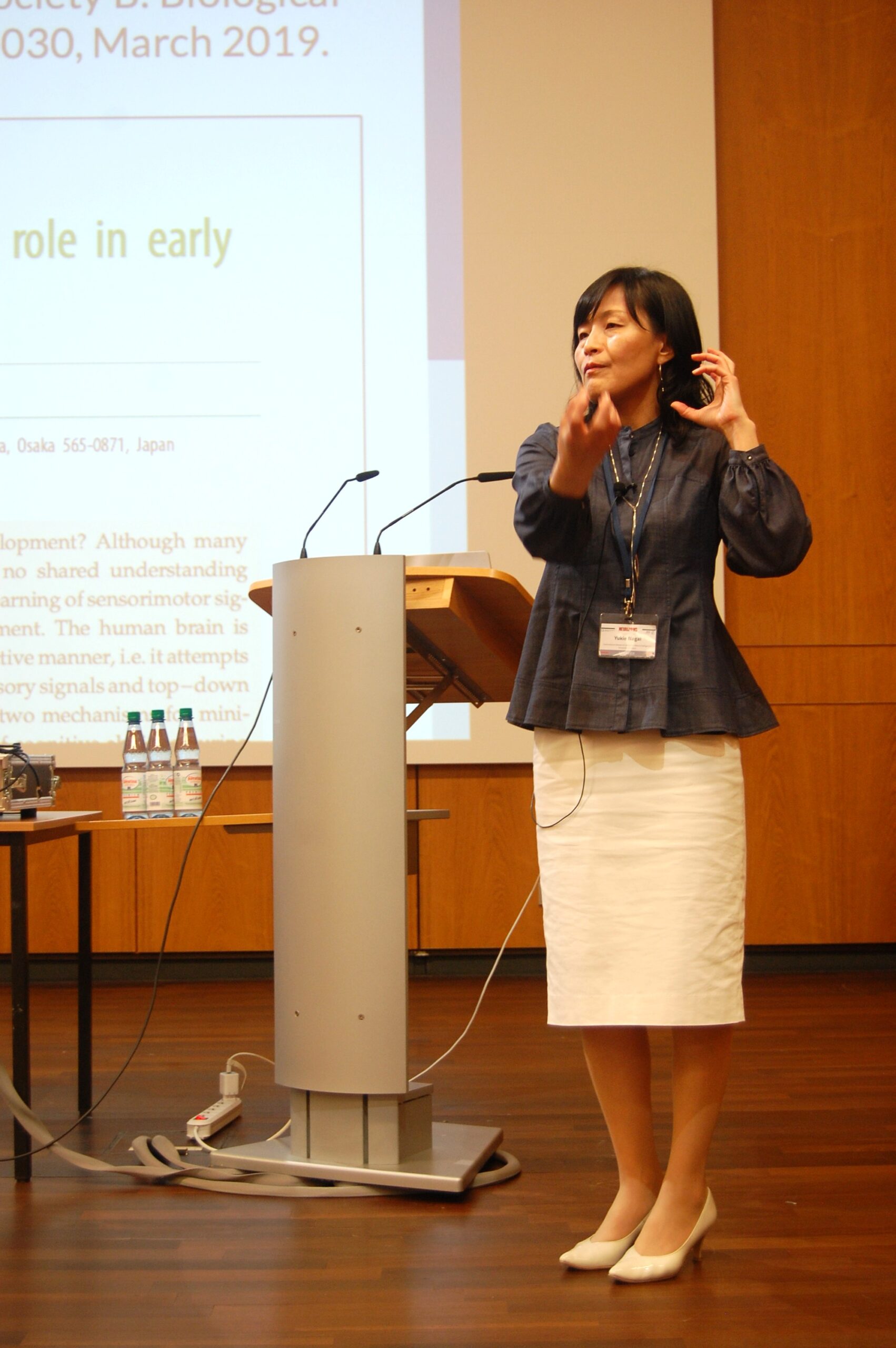
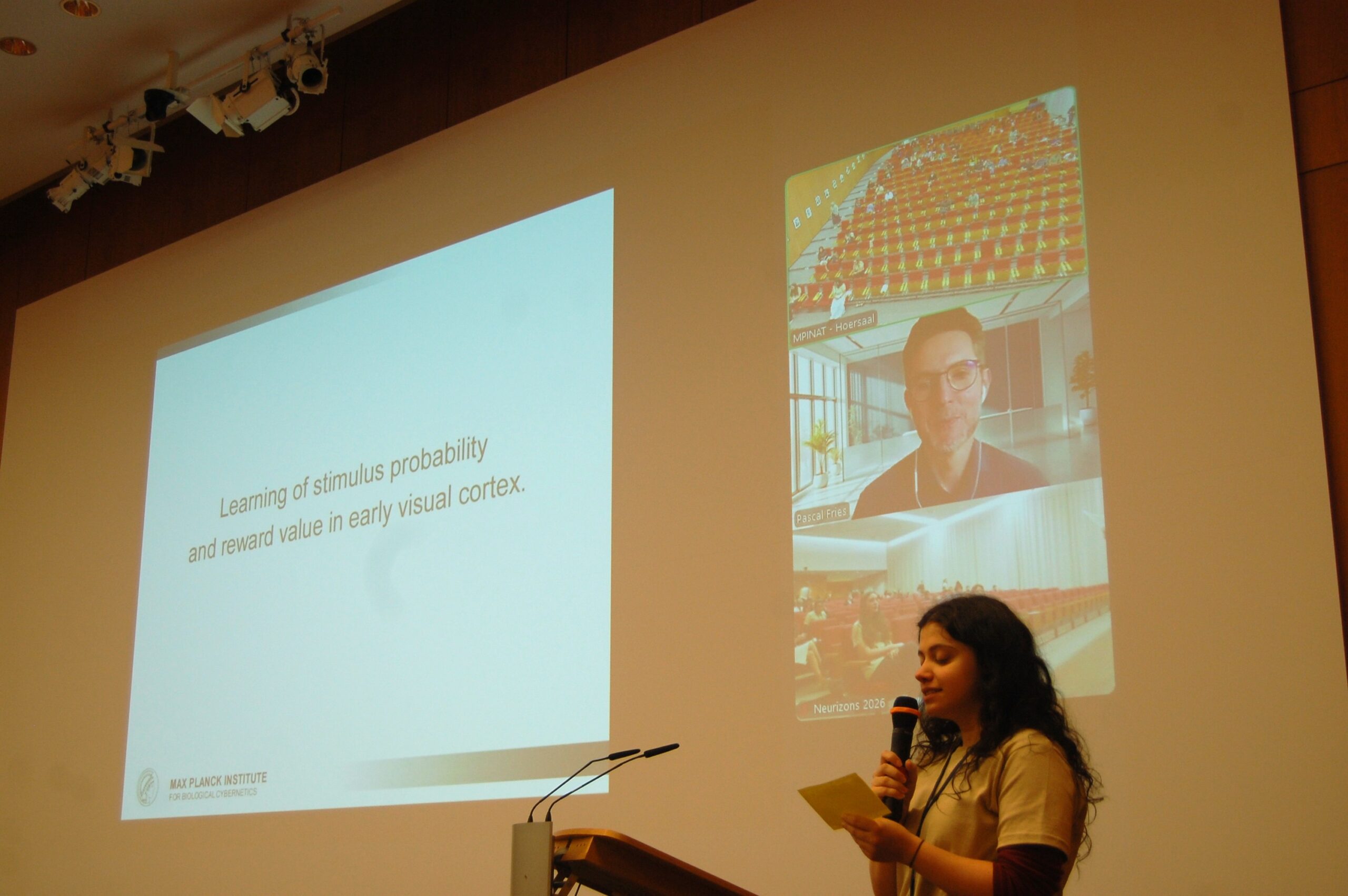
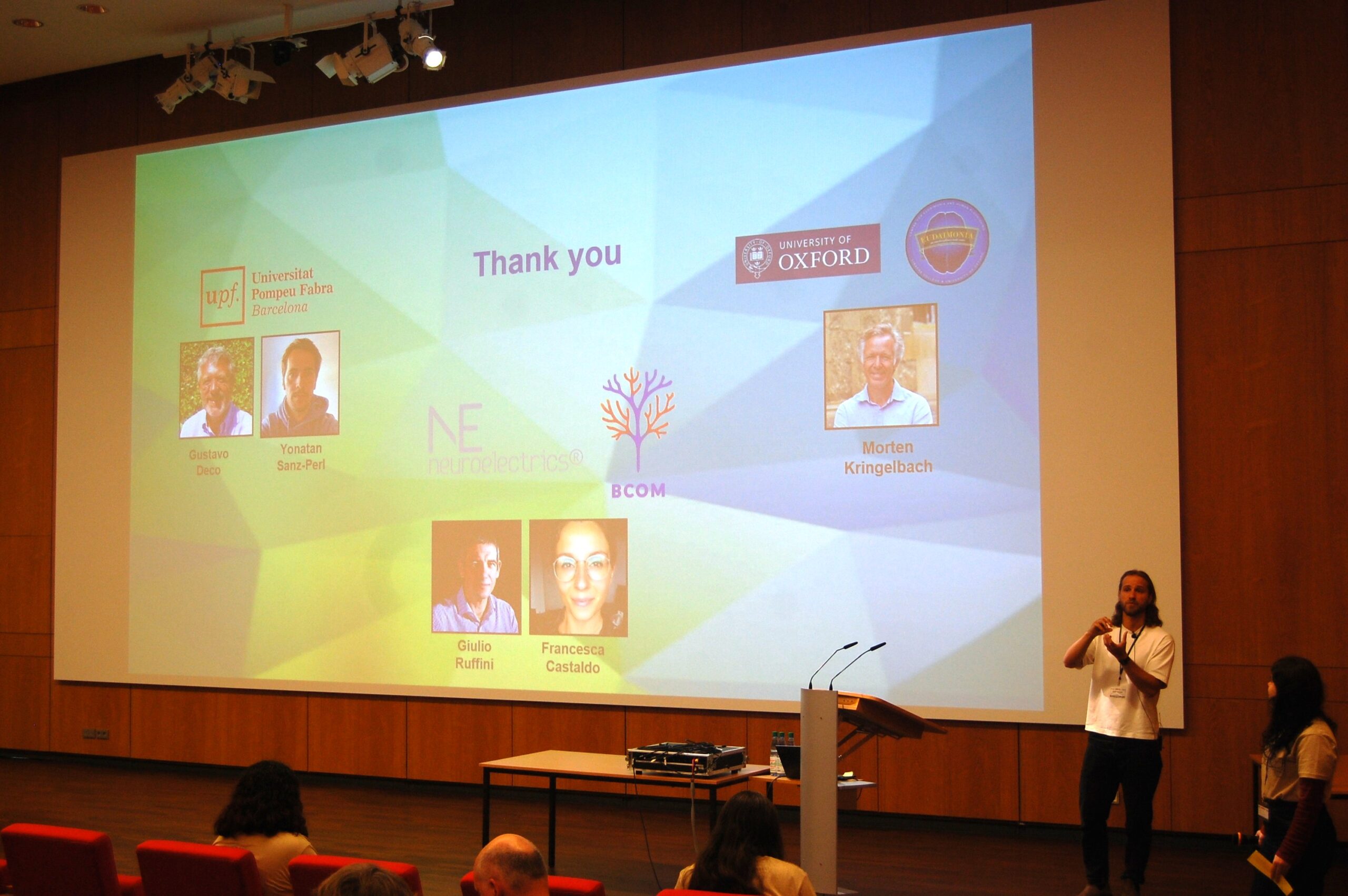
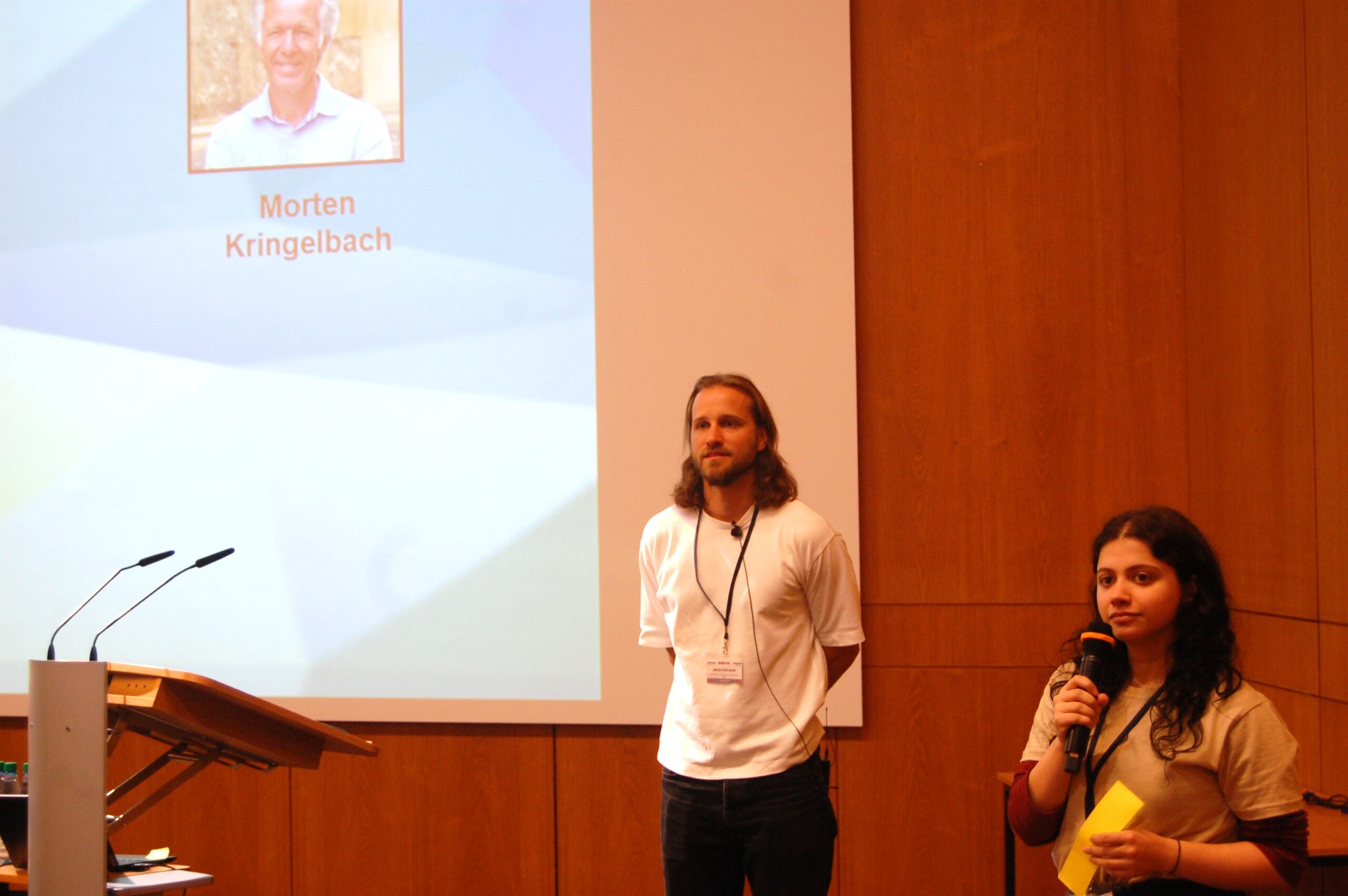
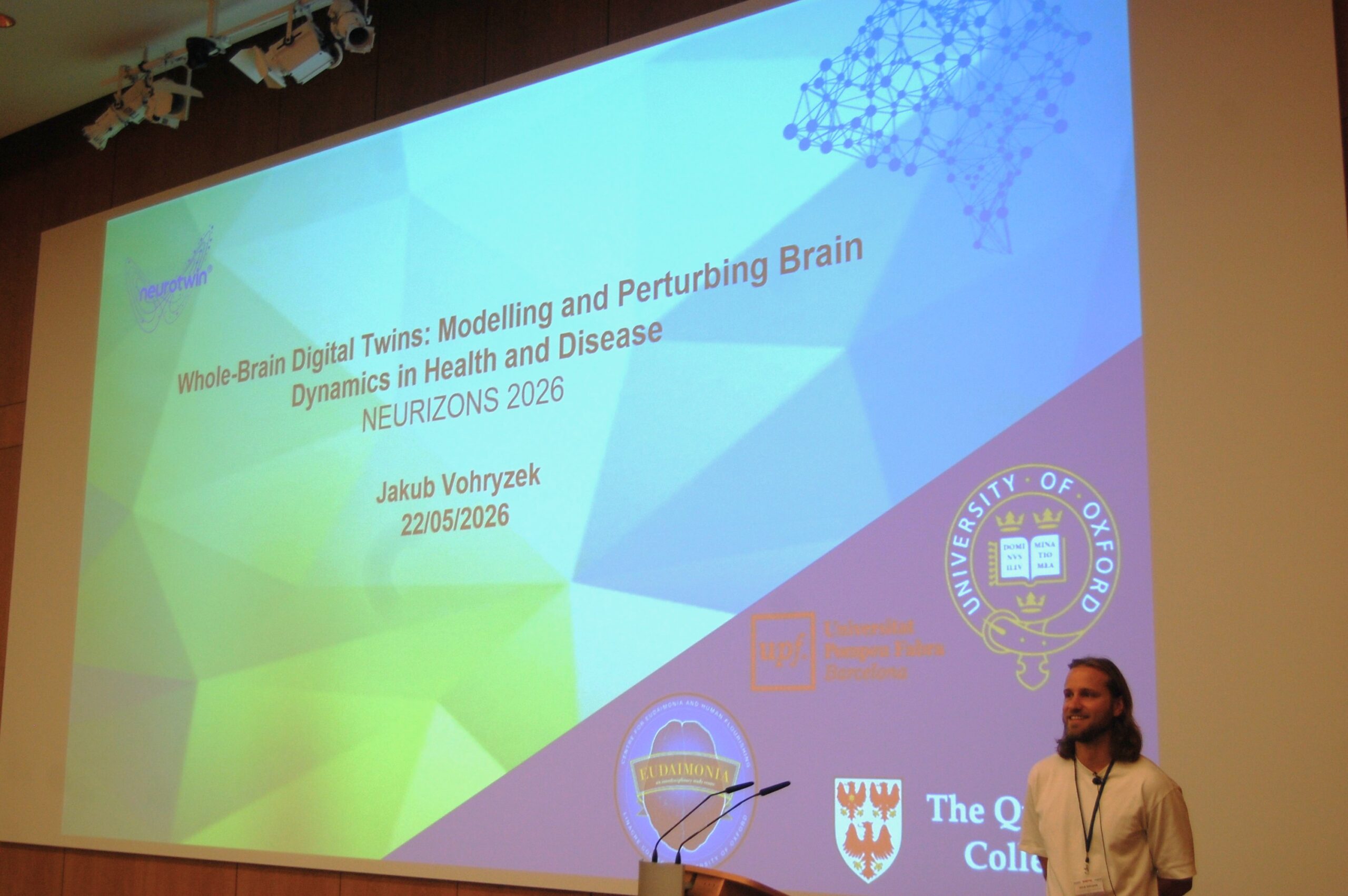
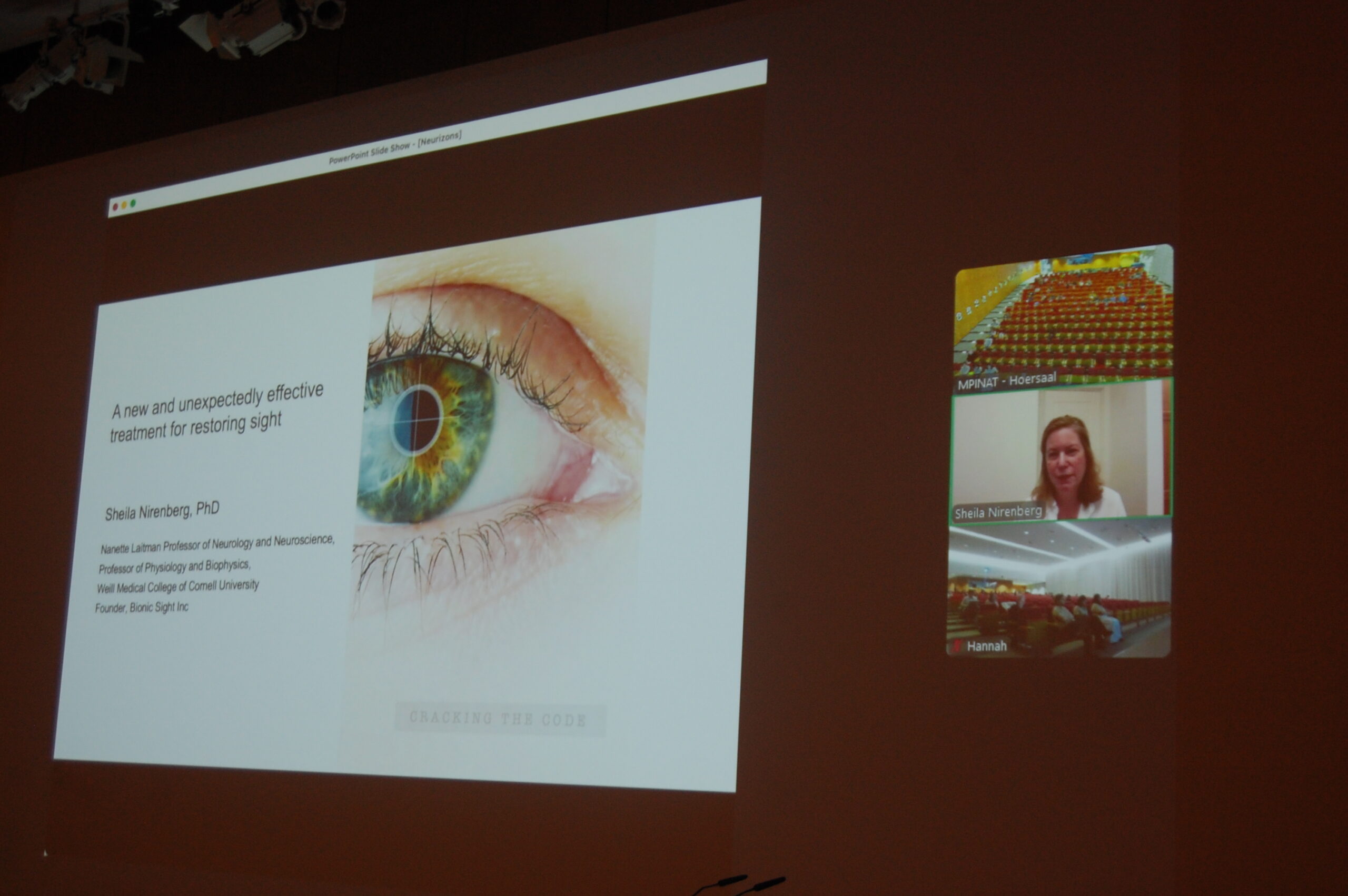
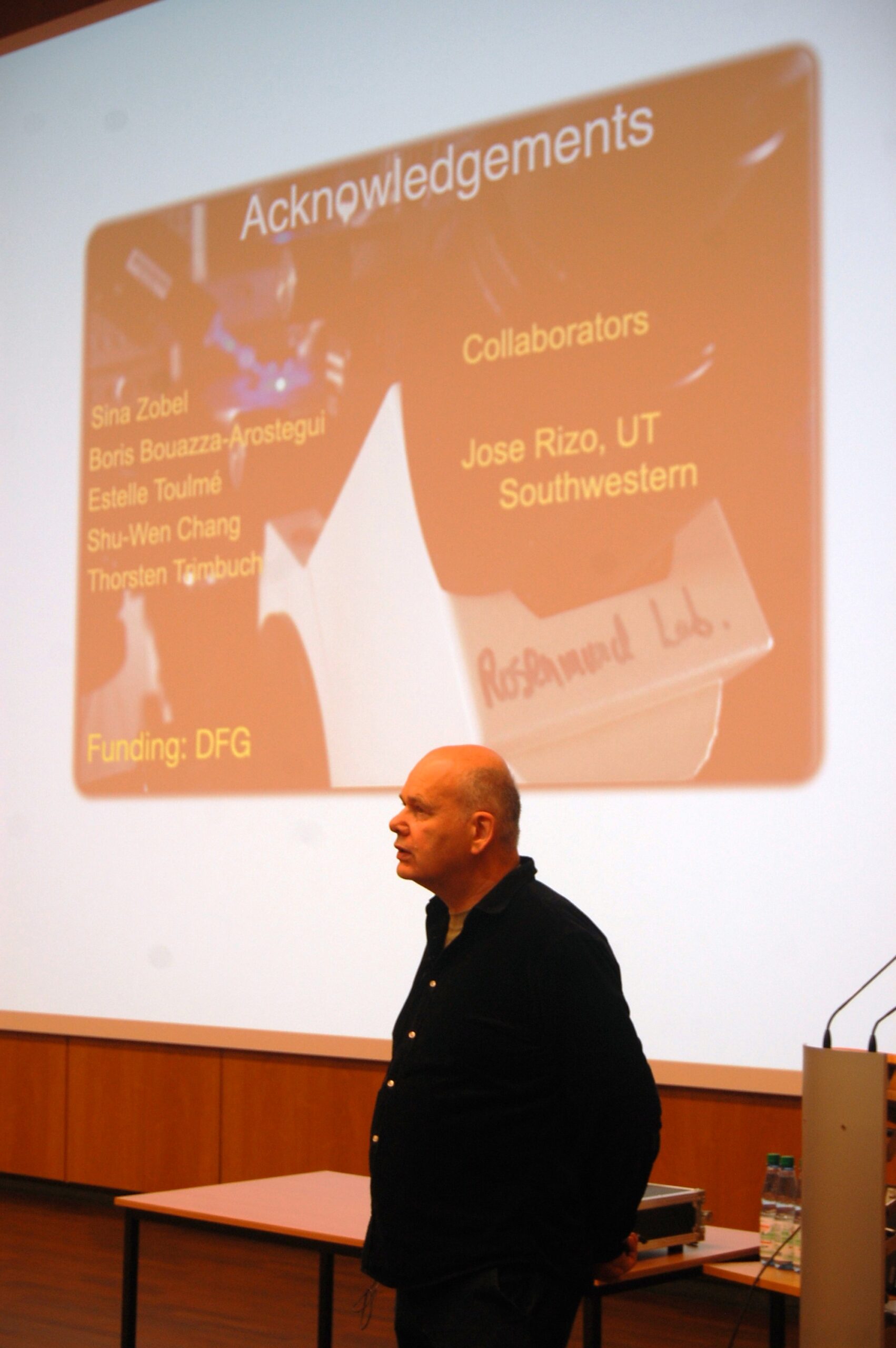
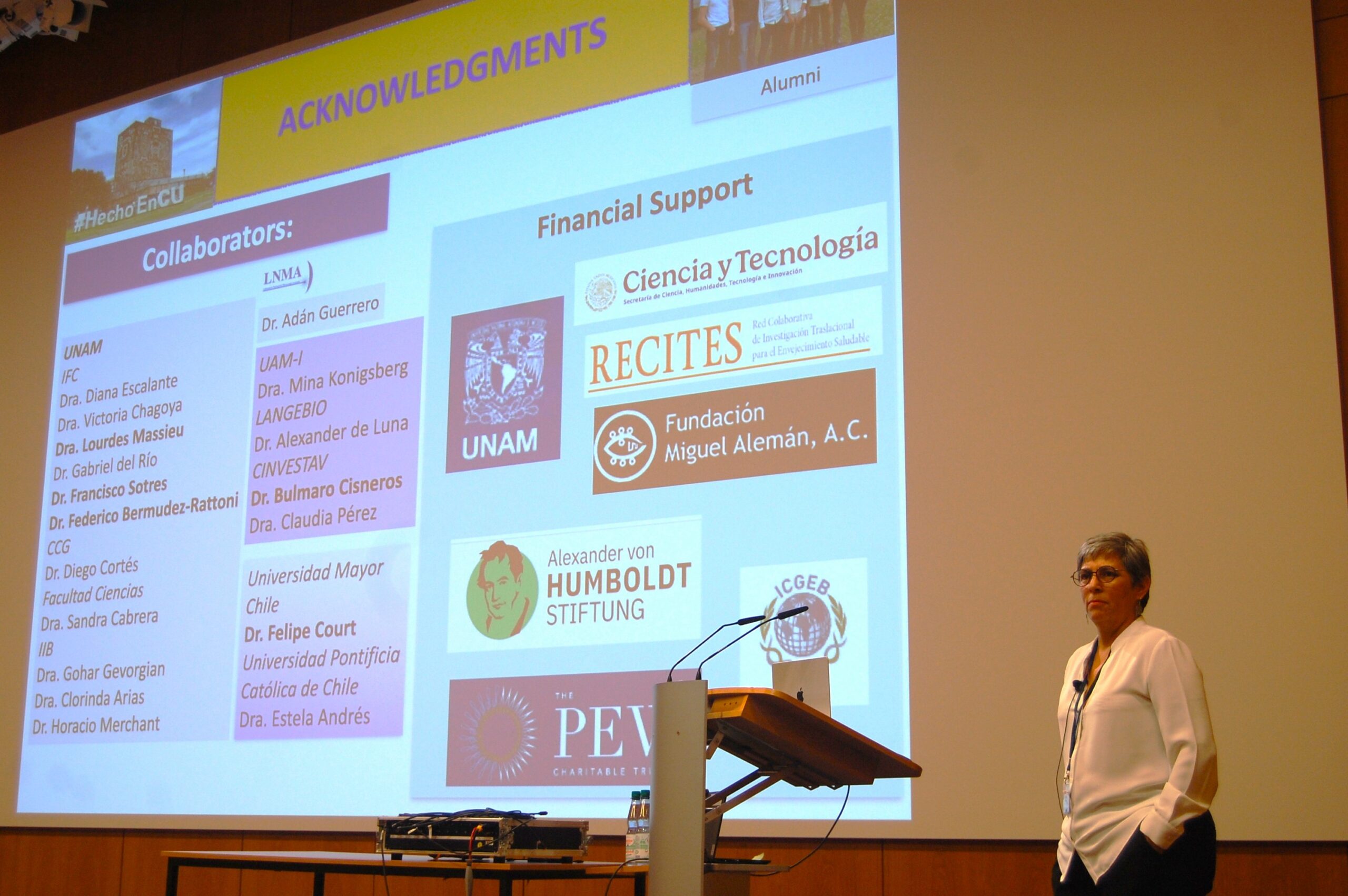
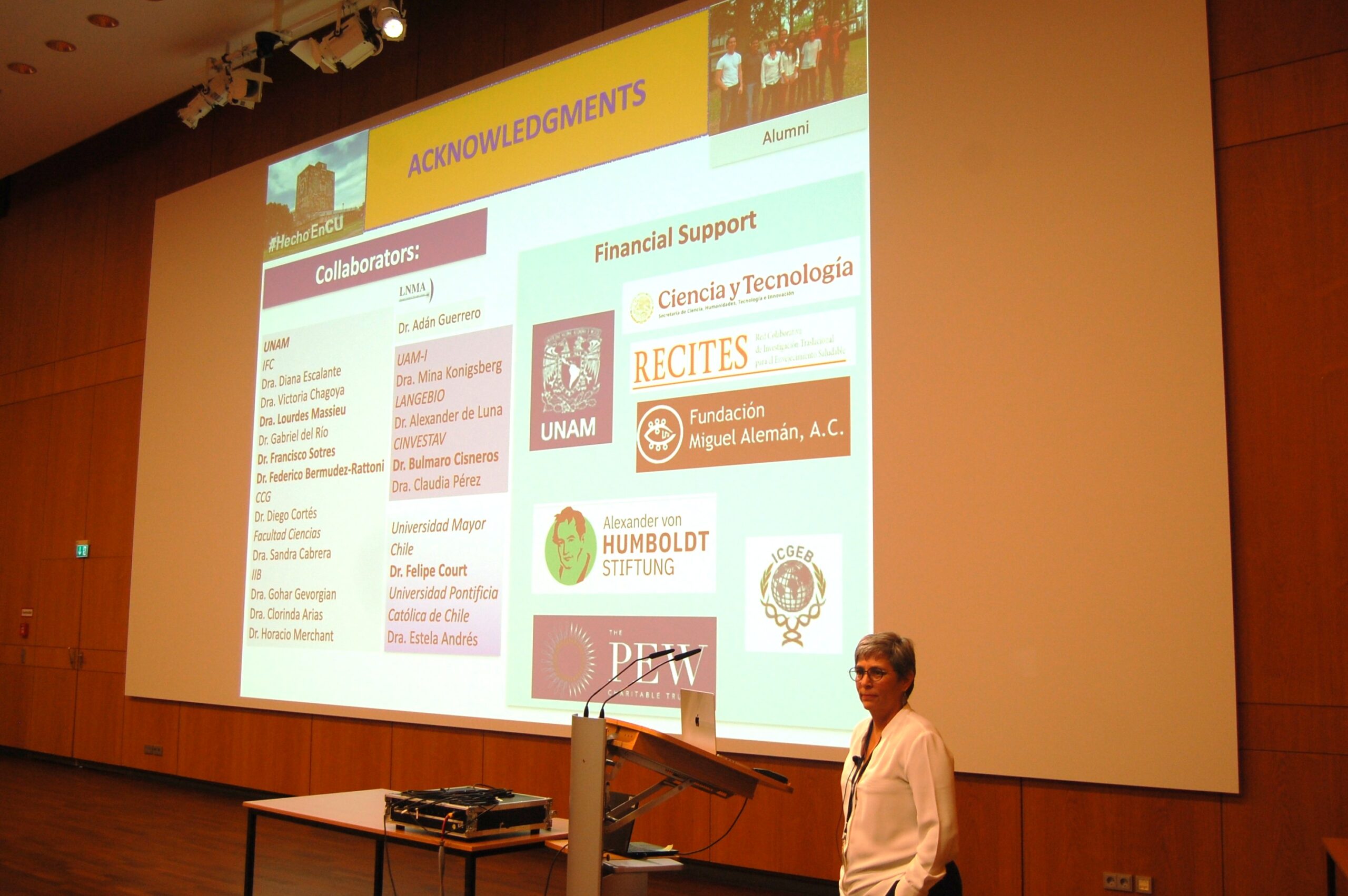
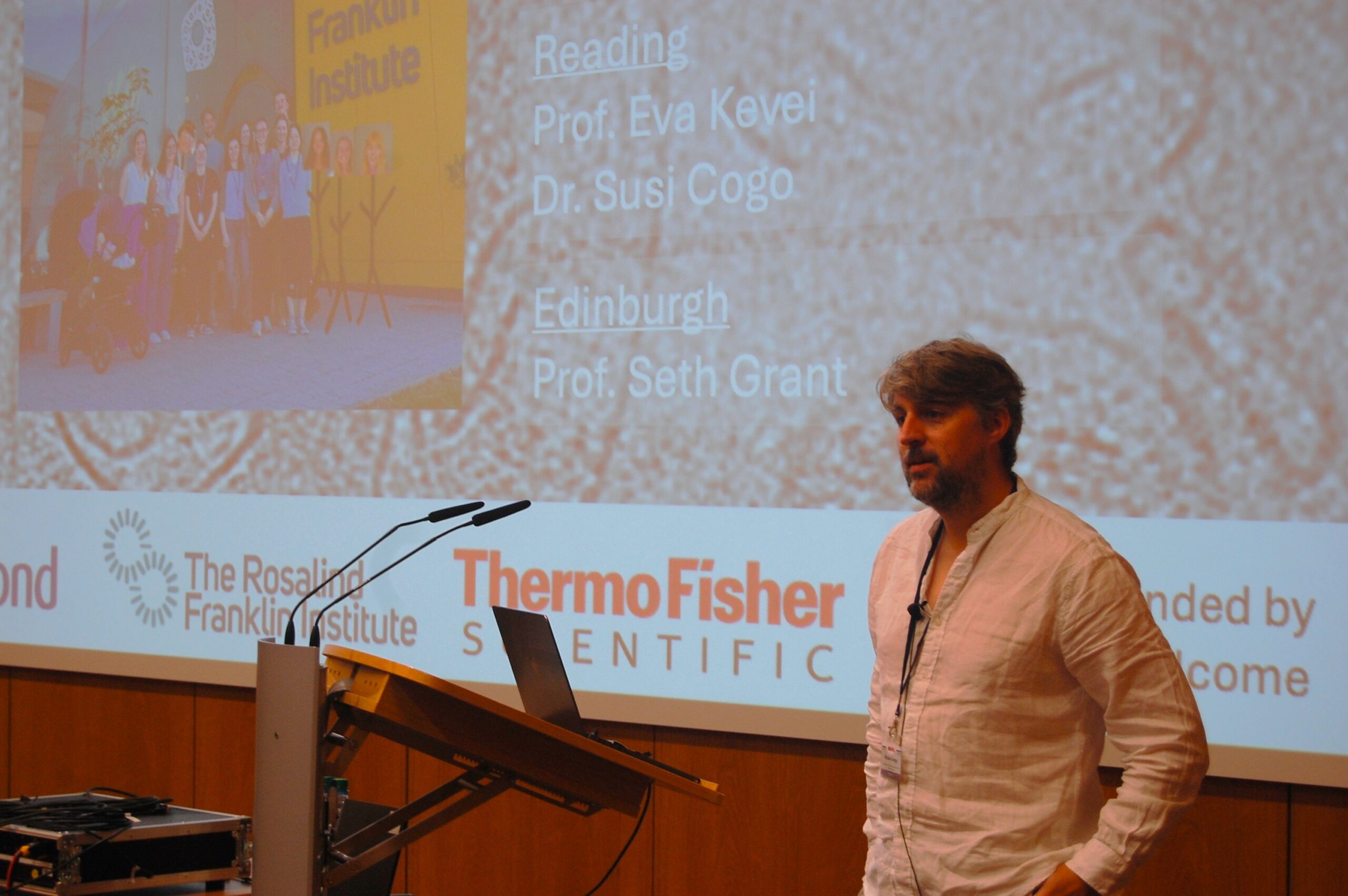
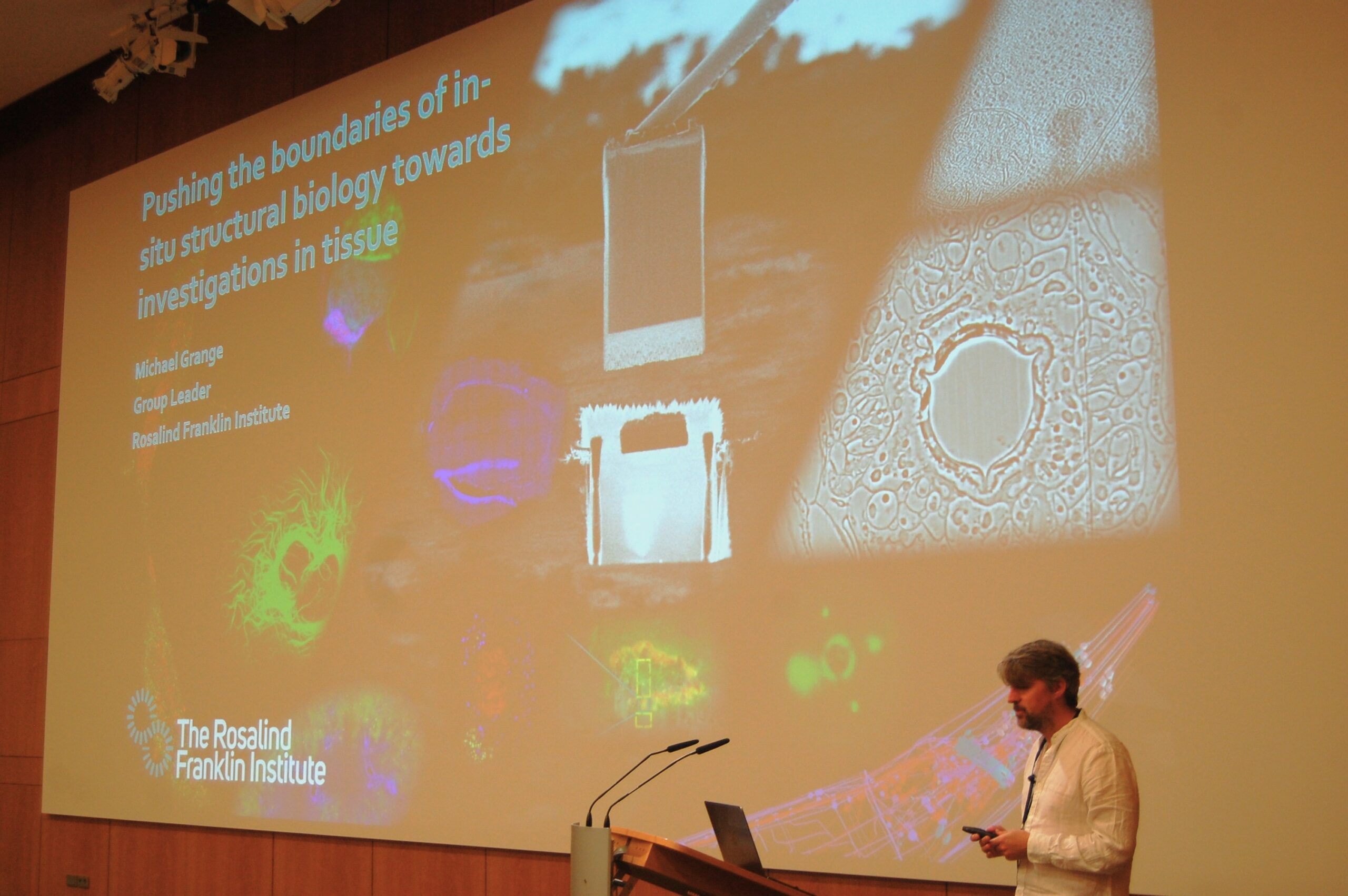
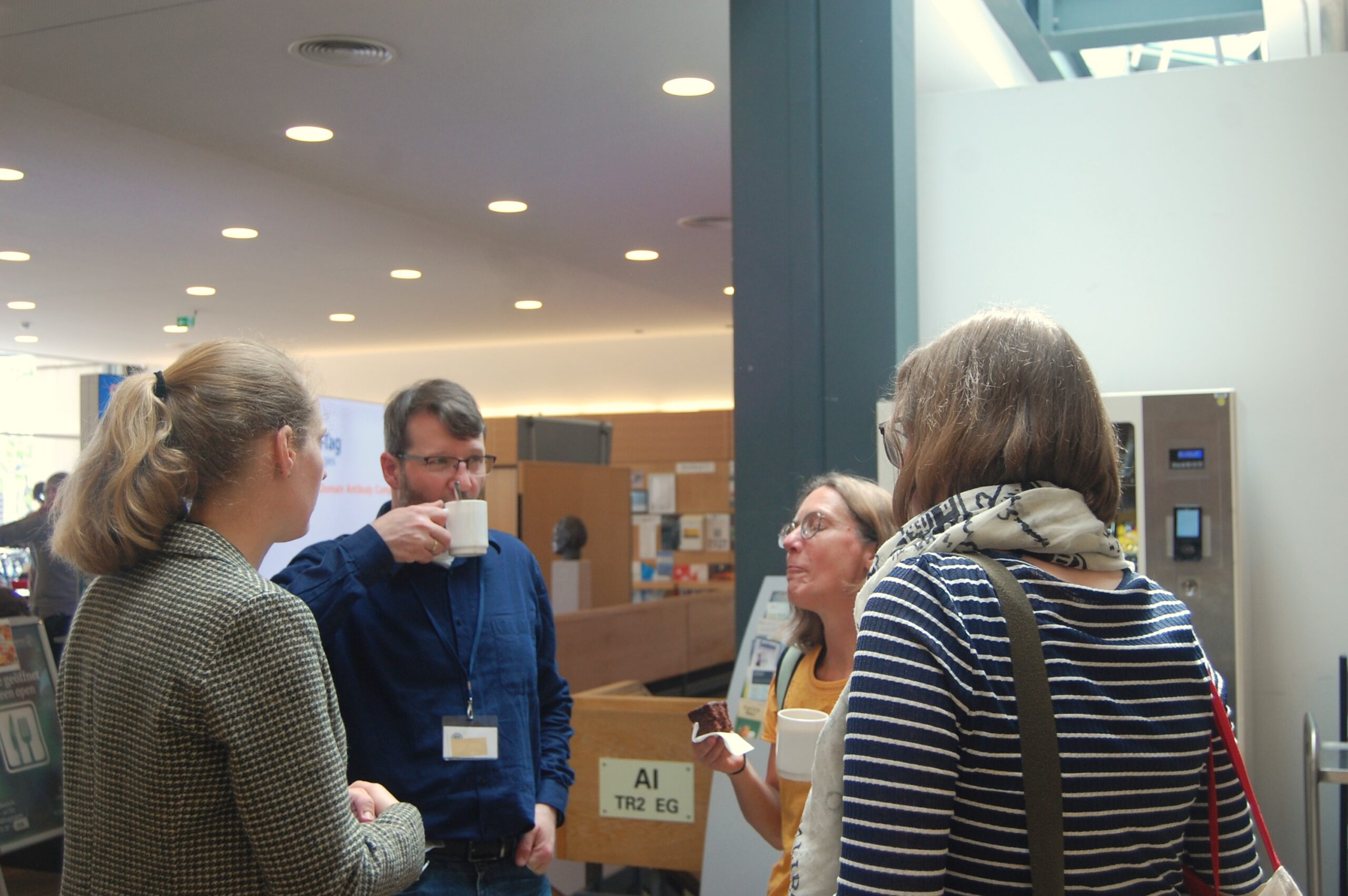
And then it was the last day! It started with our cellular and molecular neuroscience session, starring Michael Grange, Susana Castro Obregón and Christian Rosenmund and featuring electron microscopy and neurodegeneration, autophagy mechanisms, and synaptotagmins. In the theoretical and computational neuroscience session, we heard from Sheila Nirenberg, Jakub Vohryzek and Pascal Fries, about a drug with unexpected potential, brain state transition and visual cortex synchronisation. After this, keynote speaker Yukie Nagai explored how computational models and developmental robotics can help us better understand the human mind and learning. With that done, it was time to close the conference! We handed out the Otto Creutzfeldt award to the best PhD graduates of the IMPRS for Neurosciences, Nare Karagulyan and Krishna Ramasawmy, as well as the poster prize to Niklas Alvar Laasch and Muhammad Reza Hamid, our very own IMPRS MSc student; we also awarded Shashwat Sridhar for his exciting Young Scientist Talk. Finally, our very kind sponsors generously gave away some exciting merch to participants by random draw. After the closing, many participants stayed around for a laid-back happy hour with snacks and drinks, to relax after a busy, fun-filled conference.
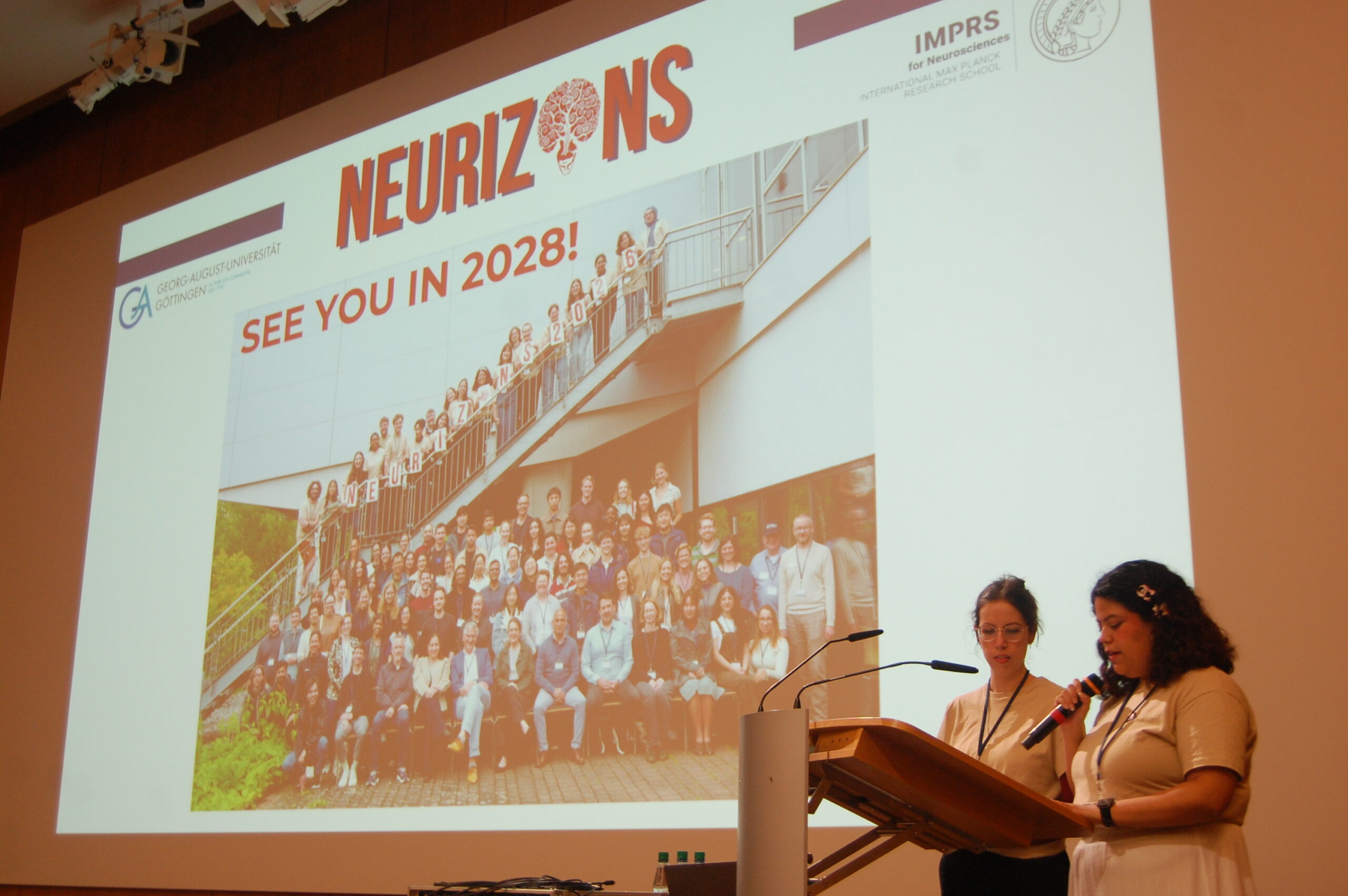
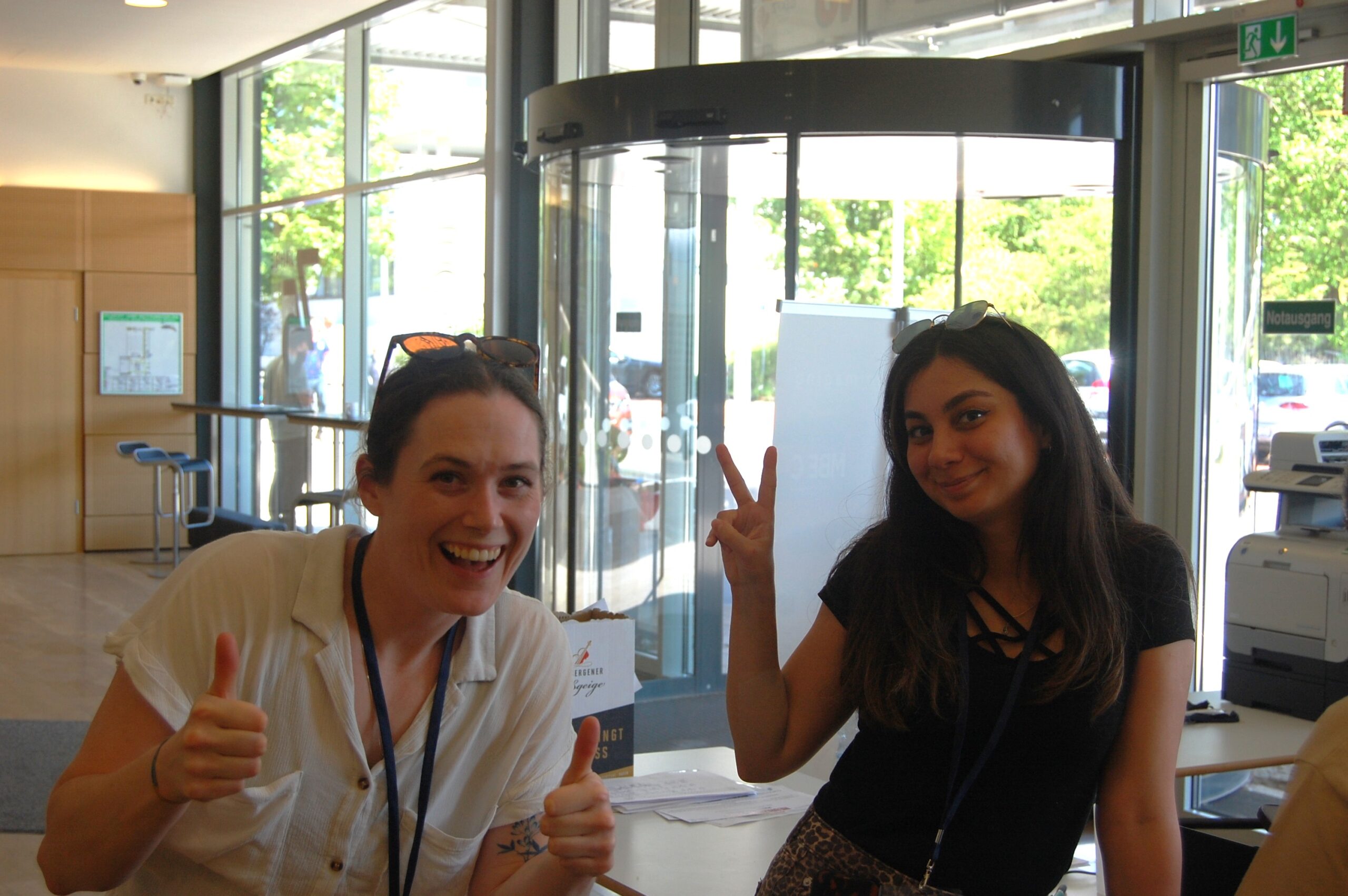
The organising team would like to thank everyone that helped bring Neurizons 2026 to life. There are way too many people to mention by name, but we would like to emphasise Jonas and Sandra from the IMPRS for Neurosciences office and the ENI’s Christiane Becker. With that, we bid you a tired but satisfied goodbye. Here’s to 2028 being even better!